Before diving into the cleaning process, it is crucial to assess the current condition of your driveway. This initial evaluation helps identify any repair needs, establish suitable cleaning techniques, and determine the necessary materials and tools. By taking the time to thoroughly inspect your driveway, you ensure that your efforts are effective and that you are protecting your investment in the property’s overall appearance.
Begin by looking for any visible signs of wear and tear. Cracks, potholes, and uneven surfaces are more than just aesthetic concerns; they can also contribute to water seepage, which may undermine the structural integrity of your driveway over time. This is especially important in regions where seasonal weather changes can exacerbate existing damage.
- Cracks: Check for both small hairline cracks and larger ones. While hairline cracks may not immediately require repairs, they can grow over time due to environmental factors like moisture and heat, eventually needing more significant work.
- Potholes: These are larger depressions that can develop when the underlying surface becomes weak or eroded. Addressing potholes is crucial as they can collect water and worsen with freeze-thaw cycles and heavy vehicle traffic.
- Staining: Identify any areas with oil, rust, or other stains. These not only detract from the appearance but can also contribute to material degradation if not cleaned properly.
- Surface Texture: A smooth surface is desirable for its aesthetic appeal and ease of maintenance. Look for areas where the texture might indicate underlying issues, such as erosion or material loss.
In addition to visual inspections, listen and feel for any signs of issues when walking or driving on the surface. Any unusual sounds or vibrations can be indicative of hidden problems beneath the surface. While examining, take stock of any existing drainage systems. Ensure that these are working correctly to prevent water pooling, which can speed up erosion and other damage.
For a comprehensive assessment, consider enlisting the help of professionals, especially when unsure about the severity of detected issues. They can provide insights into more subtle problems and recommend specialized treatments or repairs. Doing so not only ensures immediate safety but also extends the life of your driveway, maximizing your investment.
To better understand when repairs might be necessary or simply helpful, consider the comparison table below, which outlines common driveway conditions, their implications, and when action is recommended:
| Condition | Implications | Recommended Actions |
| Hairline Cracks | May expand over time, leading to water infiltration | Monitor closely; seal if they begin to widen |
| Large Cracks | Allow water infiltration; potential for structural damage | Repair promptly to prevent further deterioration |
| Potholes | Can damage vehicles; worsen under seasonal conditions | Repair immediately for safety and surface integrity |
| Staining | Unsightly appearance; possible surface degradation | Clean regularly; use appropriate cleaning solutions |
Accurately assessing your driveway’s condition before embarking on a cleaning endeavor is a keystone habit of effective property maintenance.
essential tools and materials needed
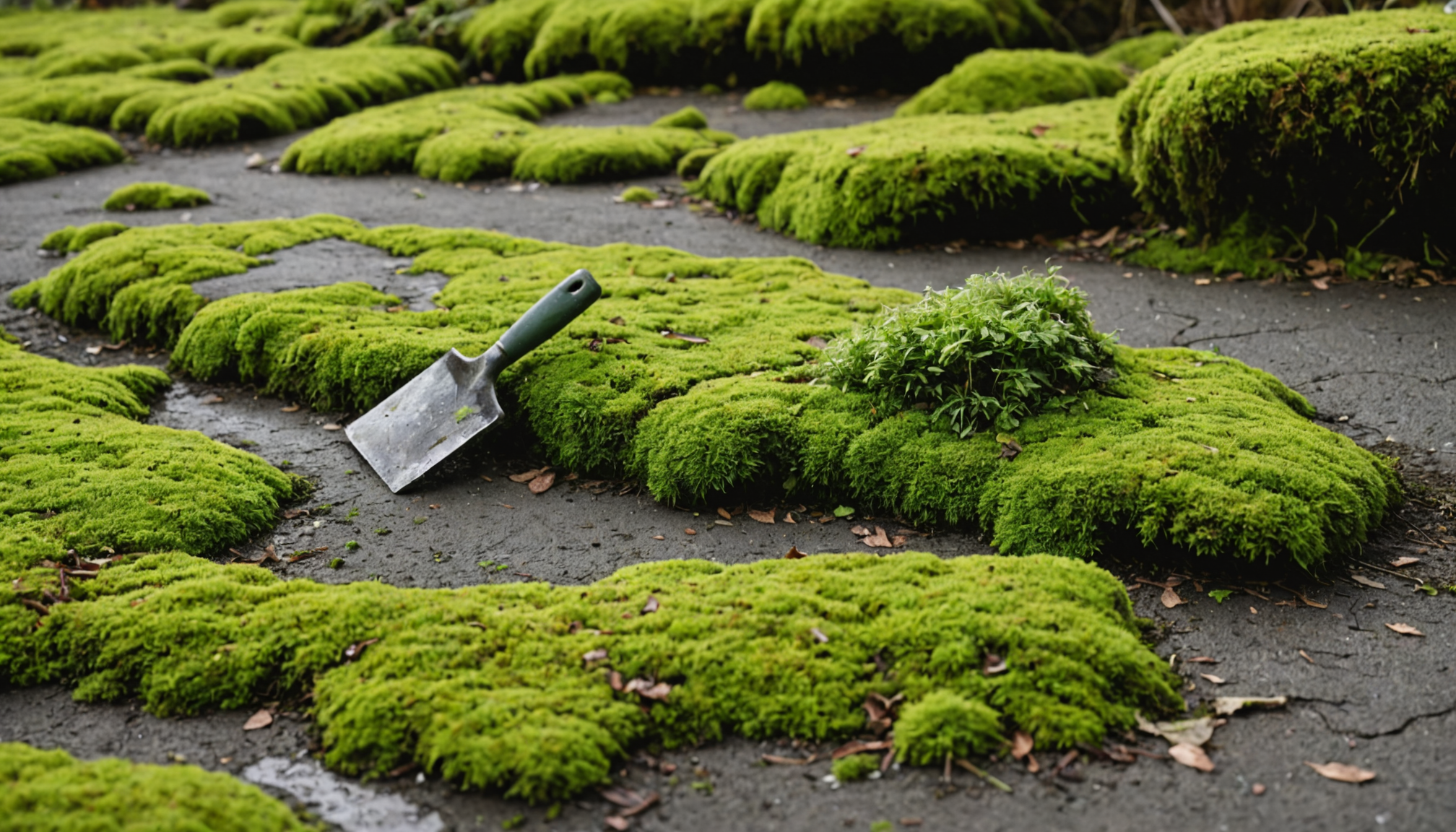 Before embarking on the cleaning adventure, gather the necessary tools and materials to ensure a smooth and effective process. These items will help tackle various types of stains and debris, ultimately providing a pristine driveway.
1. Protective Gear: Safety comes first. Wear gloves, safety glasses, and durable clothing to protect against chemicals and flying debris. Knee pads can be handy for long periods of kneeling during the cleaning process.
2. Broom or Leaf Blower: Begin by removing loose debris such as leaves, dirt, and small stones. A sturdy push broom or a leaf blower helps clear the surface efficiently, providing a clean slate for further cleaning.
3. Pressure Washer: A pressure washer is a powerful tool for removing stubborn grime and built-up dirt. Choose one with an adjustable nozzle to customize the water pressure according to the condition of your driveway. For especially tough stains, a rotating scrub brush attachment can add extra cleaning power.
4. Detergents and Cleaners: Depending on the type of staining—be it oil, rust, or organic matter—use appropriate cleaning solutions. Look for biodegradable and eco-friendly products wherever possible to minimize environmental impact. Oil stain removers and rust removers are readily available for specific needs.
5. Scrub Brushes and Wire Brushes: For areas that cannot be effectively reached with a pressure washer, scrub brushes and wire brushes are essential. They are perfect for tackling particularly stubborn areas and ingrained stains, ensuring a thorough clean.
6. Chemical Sprayers: For applying liquid cleaners evenly, a chemical sprayer can be useful. It allows for spreading cleaning solutions over large areas without missing spots, ensuring that the entire surface is treated evenly.
7. Sealant: Once the driveway is clean, applying a sealant helps protect it from future wear and tear. A sealant acts as a protective layer against stains and the damaging effects of weather and vehicle traffic, making it a worthy investment for long-term maintenance.
8. Patch Materials: If during your initial assessment you found cracks or potholes, arm yourself with patch kits suitable for your driveway material. Asphalt patch kits or concrete crack fillers are available at hardware stores and are essential for repairs before deep cleaning.
9. Bucket and Water Source: Ensure easy access to a water source for both mixing cleaning solutions and using with the pressure washer or for rinsing purposes. A large bucket helps mix and transport solutions as needed.
Having the right tools and materials on hand not only streamlines the process but also ensures that the driveway is thoroughly cleaned and adequately prepared for the seasons ahead, preserving your investment’s aesthetic and functional value.
step-by-step cleaning process
To begin, make sure your driveway is free from loose debris like leaves, dirt, and stones by sweeping with a broom or using a leaf blower. This initial step creates a clean surface, setting the stage for a more effective deep clean. Once cleared, prepare your pressure washer. Connect it to a water source and adjust the nozzle to the appropriate pressure level to avoid damaging the surface. Begin washing from one end of the driveway, moving in a uniform pattern to ensure even cleanliness, effectively removing dirt and grime.
In dealing with stains, apply suitable detergents or cleaners. Oil stains can be stubborn, so use a specially formulated oil remover. For rust, a rust remover will be necessary. These solutions should be applied directly on the stains, allowing them to sit for the recommended time to break down the problematic compounds thoroughly. When using any cleaning solution, always follow the manufacturer’s instructions regarding application and safety boundaries to protect both your investment and the surrounding environment.
After the initial detergent application, use scrub brushes to tackle persistent stains manually. Circular motions often prove more effective in penetrating any remaining residue. For more robust surfaces or stubborn areas, a wire brush may be more suitable. Additionally, consider using eco-friendly cleaning solutions that respect the environment while meeting your cleaning needs.
Rinse the entire driveway with the pressure washer once more to ensure all soap residues and loosened dirt are washed away. An effective rinse is crucial, as leftover residue might rebind dirt or create slippery areas.
Once your driveway is thoroughly cleaned and free of excess water, consider applying a protective sealant. This step acts as a protective layer against future stains, weather damage, and vehicle traffic, thus fortifying the driveway’s integrity as part of a seasonal maintenance routine. By using a sealant, you extend the driveway’s lifespan and maintain its aesthetic value as a critical aspect of your investment. Apply the sealant evenly across the surface, following the curing times indicated by the product manufacturer.
Taking time to execute this methodical cleaning process not only enhances the driveway’s appearance but also bolsters its strength and durability. This effort ensures you are protecting and maximizing the longevity of your property, aligning with regular upkeep and seasonal preservation strategies.
eco-friendly cleaning solutions
Opting for eco-friendly cleaning solutions presents a dual advantage: you can effectively clean your driveway while also safeguarding the environment. Various natural and biodegradable products serve as excellent alternatives to harsh chemicals, ensuring you maintain a pristine driveway without compromising on nature’s health.
Start by exploring common household items known for their natural cleaning properties. Vinegar is a powerful, non-toxic agent that is particularly effective in handling oil stains. Mix vinegar with water in a 1:1 ratio and apply directly to the staining, allowing it to soak and break down the oils before scrubbing it away. Baking soda is another versatile option. Its mildly abrasive nature makes it ideal for tackling stubborn stains and residues. When mixed with warm water and applied as a paste, baking soda can effectively lift stains without damaging the surface.
For a comprehensive approach, lemon juice can also be utilized. Its acidity can help dissolve mineral deposits and rust stains. Simply squeeze fresh lemon juice on the affected areas and let it sit for about 10 minutes before scrubbing it with a brush. Even adding a bit of salt to lemon juice can enhance its scrubbing ability for tougher stains, ensuring a more comprehensive clean.
To achieve a clean, residue-free result, consider using eco-friendly detergent pods or liquids designed specifically for driveway and outdoor surfaces. These products are often phosphate-free and biodegradable, meaning they break down naturally without leaving harmful residues. They are also formulated to tackle various types of dirt and stains effectively, from exhaust dust to organic material like algae and moss, without the environmental toll associated with traditional cleaners.
By using these green alternatives, not only do you leave your driveway looking immaculate, but you’re also consciously contributing to a healthier environment. This commitment to sustainability reinforces the value of your property and supports a lifestyle that can be beneficial for generations to come. Furthermore, these choices often align with seasonal care routines, ensuring that regular maintenance fits seamlessly with natural changes in weather, further preserving both your investment and the greater ecological system. Additionally, when paired with efficient insulation practices, using eco-friendly solutions complements an overall strategy of responsible property maintenance, ultimately reflecting a thoughtful and long-term approach to preserving your assets.
maintaining your driveway for longevity
Regular upkeep is key to the longevity and appearance of your driveway. One of the simplest yet most effective practices is to schedule seasonal cleaning sessions, aligning with typical transitions in weather. This routine not only maintains the driveway’s visual appeal but also prevents the buildup of debris, moss, and algae, which can cause deterioration over time. Regularly sweeping away loose materials such as leaves, dirt, and small gravel can prevent these from getting ground into the surface, minimizing wear and tear.
Beyond cleaning, inspect your driveway periodically for any new cracks or damage, especially after harsh weather conditions. Addressing these issues promptly with appropriate materials can prevent small problems from escalating into substantial repairs. For instance, fill any emerging cracks with a suitable sealant or filler designed for your driveway material to maintain its integrity and keep water from penetrating and causing further damage.
Incorporating protective measures, such as applying a sealant every few years, effectively shields the surface from the elements and potential staining. A high-quality sealant acts as a barrier, reducing the penetration of water, oil, and other substances that might otherwise cause unsightly stains or accelerate decay. It is advisable to choose a sealant that complements the specific material of your driveway, whether it be concrete or asphalt, to ensure the most effective protection.
Additionally, being mindful of heavy loads on your driveway can substantially contribute to its longevity. Encourage proper vehicle practices by avoiding parking in the same spot repeatedly, which can cause depressions or cracks over time. Rotating parking spots or considering the use of reinforcing pads for heavier vehicles can distribute weight more evenly.
Investing in proper drainage solutions is also a crucial aspect of driveway maintenance. Ensuring that water can flow away from the surface without pooling prevents erosion and reduces the risk of freeze-thaw cycles that can exacerbate cracks. Where necessary, consult a professional to assess and improve the drainage systems around your property, potentially integrating solutions like French drains or grading to facilitate optimal water flow.
Integrating these practices into your driveway maintenance routine not only safeguards your investment but also extends its life and enhances its overall appearance, ultimately reflecting a thoughtful approach to property management. By dedicating time and resources to upkeep, you’re ensuring that your driveway remains a functional and attractive element of your home, providing enduring value to your property.
In conclusion, maintaining your driveway is not just about preserving its aesthetic appeal but also about protecting your investment in the property’s structural integrity. By regularly assessing its condition, using the appropriate tools and materials for cleaning and repairs, and opting for eco-friendly solutions, you ensure a longer lifespan and a more attractive exterior environment. With consistent upkeep and a strategic approach to cleaning and maintenance, your driveway can remain a valuable, long-lasting feature of your home.