Assessing the condition of your windows is a crucial step in ensuring your home remains energy-efficient and aesthetically pleasing. This task may seem daunting, but with a systematic approach, you can inspect each element of your windows thoroughly, identifying any issues that might require attention or repair.
Begin by visually examining the windows from both inside and outside your home. Look for obvious signs of damage, such as cracks in the glass, deteriorating weatherstripping, or rotting frames. It’s essential to check for any signs of moisture or condensation between the panes, as this might indicate a failure in the sealant, which can lead to reduced efficiency and increased energy costs.
Next, test the functionality of your windows. Open and close each window to ensure smooth operation. Stiff, creaky movements might signal a need for lubrication or even indicate structural issues that could compromise safety, especially in a smart home where automated systems rely on smooth window operation. If the windows don’t seal properly when closed, drafts could enter, impacting your home’s climate control and potentially affecting your electrical bill.
The integrity of the window frame is another vital aspect. Check for warping, paint peeling, or signs of insect activity, particularly if the frames are wooden. These issues might not only affect the window’s appearance but can also lead to security risks and structural instability over time.
In cases where budget constraints are a concern, prioritizing the inspection and repair of windows in critical areas, such as those that face prevailing winds or receive the most sun exposure, can make the best use of available resources. By addressing the most vulnerable windows first, you can help to maintain the overall integrity and efficiency of your home environment.
To determine if your windows are preserving energy effectively, you might want to consider complementary energy assessments that can be part of a larger home energy audit. This can help identify specific areas where heat loss might be occurring and guide you in prioritizing improvements accordingly.
Using a table can help you effectively organize the condition of various windows for a clearer picture:
| Window Location | Condition Detected | Action Required |
| Living Room | Peeling paint, sticky operation | Repainting, lubrication |
| Bedroom | Condensation between panes | Seal replacement |
| Kitchen | Rotting frame | Frame replacement |
Through a meticulous and methodical approach, assessing your windows can be straightforward and revealing, providing you with actionable insights that contribute to the safety, efficiency, and aesthetic of your home.
Identifying common issues
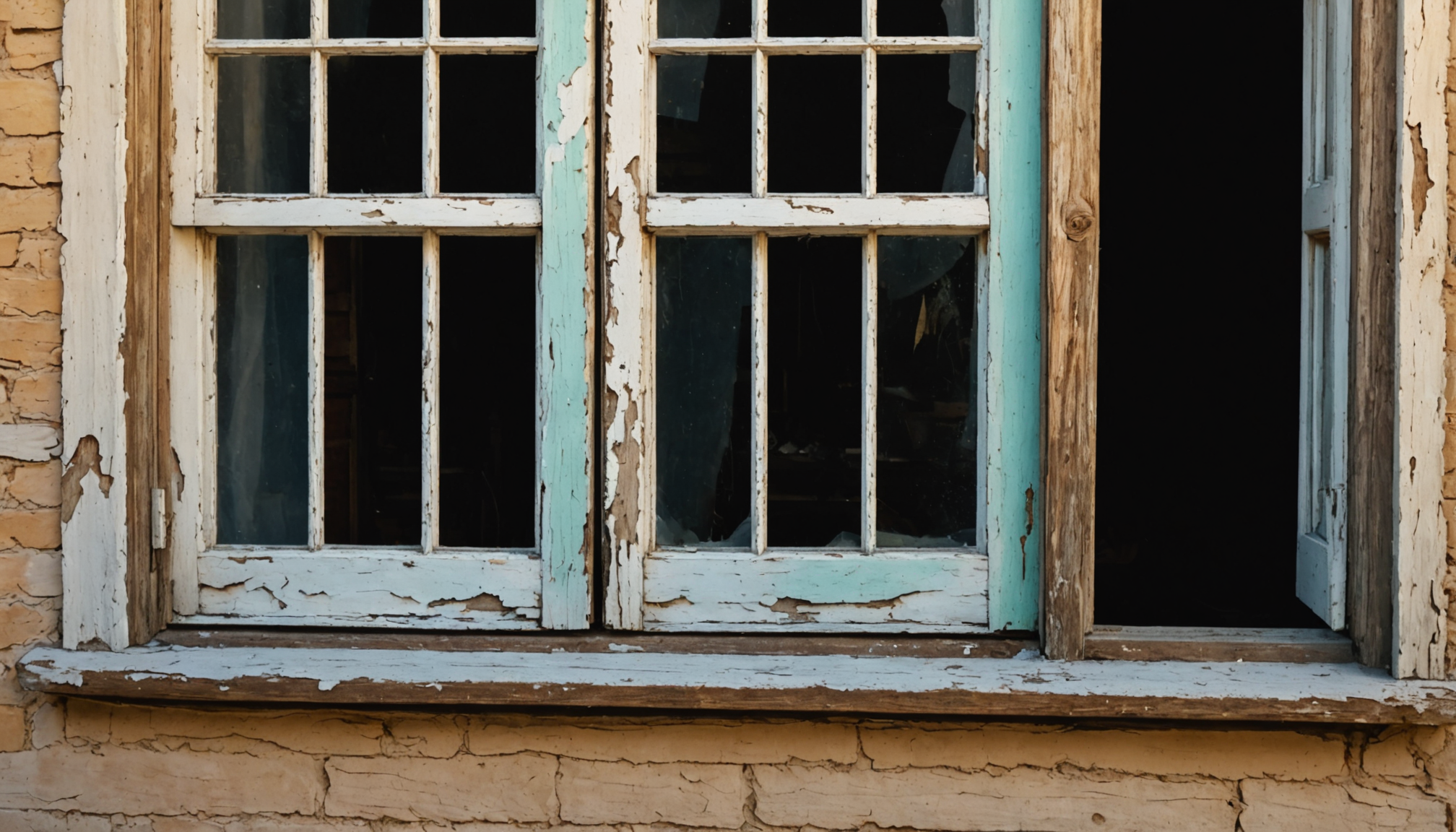 When it comes to recognizing common issues with your windows, being able to identify these problems early can save you both time and money, preventing minor problems from escalating into costly repairs. Here is a structured approach to help you spot and understand the most prevalent window issues effectively:
1. Drafts and Air Leaks
These can lead to increased energy consumption, as your heating or air conditioning system works harder to compensate. To test for drafts:
– On a windy day, hold a lit candle or incense stick near the window frame. Observe if the smoke or flame moves horizontally, which indicates an air leak.
– Feel for any cool air along the edges of your windows using your hands.
2. Condensation Inside the Window Pane
Moisture between panes of glass usually signifies a failure in the sealant. This not only hampers visibility but also negatively affects insulation:
– Inspect if the fogging appears between the glass layers.
– Check for any visible gaps or breaks in the sealant at the edges of the glass.
3. Difficulty in Opening or Closing
Windows that do not operate smoothly can be a strain and signal underlying issues:
– Test each window; frequent sticking or jamming could point to warped frames, broken components, or a need for lubrication.
– Evaluate if any wooden frames have expanded due to swelling caused by humidity.
4. Water Damage
Rot or water spots on the window frame or sill may suggest a problem with water intrusion:
– Look for discolored spots, mold growth, or peeling paint, which often accompany moisture issues.
– Ensure that exterior caulking is intact and there are no gaps which water could penetrate through under poor weather conditions.
5. Cracks and Breaks in the Glass
Even small cracks can quickly expand, compromising the safety and efficiency of your windows:
– Conduct a visual inspection and lightly run your fingers over suspect areas to detect any fissures.
– Address even the smallest of cracks to prevent them from developing further.
6. Insect Infestation
Especially in wooden frames, the presence of insects could be a sign of rot or decay:
– Check for small holes or sawdust which might indicate insect activity.
– Repairing or replacing damaged wood might be necessary to prevent structural decay.
By involving these steps in your regular window inspection routine, you can ensure that your home remains energy-efficient, secure, and comfortable. Whether for a smart home setup or for environmental consciousness, early detection and timely intervention are key. Keeping an organized record of each inspection can help you manage repairs according to your budget and schedule, allowing you to address issues systematically rather than reactively.
Using the right tools
Choosing the right tools is pivotal to conducting an effective window inspection. By using the appropriate equipment, not only can you ensure a thorough evaluation, but you can also make the process safer and more efficient. A few essential tools can make a notable difference in the results of your window inspection.
To begin with, a flashlight is indispensable, allowing you to inspect dimly-lit areas and spot subtle signs of wear or damage that might otherwise be overlooked. For instance, it can help reveal cracks at the window’s perimeter or confirm the condition of seals, ensuring that your windows maintain their energy efficiency levels and contribute to reducing electrical costs by minimizing heat loss.
A moisture meter is another essential gadget, especially for identifying hidden water damage that can compromise the structural integrity of your windows. Detecting moisture early can prevent further complications such as rot or mold, both of which can affect your budget heavily due to extended repair costs. Employing this tool helps you preserve smart home functionality, where many systems depend on optimal environmental conditions without unexpected humidity variations.
Tape measures are crucial for assessing the dimensions of any replacement parts needed, such as frames or panes, ensuring you order the correct sizes without waste, thus adhering to your budget constraints. They can also assist in measuring the gaps when checking for air leaks, a critical step in enhancing window insulation and preventing drafts.
While screwdrivers and pliers might seem basic, these hand tools are vital for practical tasks such as tightening loose screws or removing obstructive items that hinder the functionality of your windows. For more stubborn components, a putty knife can aid in scraping off old sealant or caulk before applying fresh material, further ensuring airtight seals that help your smart home system regulate indoor climate efficiently.
Safety equipment should not be underestimated. A sturdy ladder eliminates the perils associated with reaching high windows, while gloves provide protection against sharp edges and broken glass during an up-close inspection. Wearing goggles when dealing with frail or potentially cracked glass adds an extra layer of safety against unexpected breaks.
Incorporating inspection apps or smart devices allows real-time logging of your findings, elevating the inspection process by storing data and setting reminders for future assessments. Such tools not only optimize organization but they can also highlight areas that consistently need attention, aiding in the prioritization of repairs within a strict budget.
Using the right tools effectively not only makes the inspection process smoother but also ensures comprehensive findings, allowing you to maintain efficient windows that align with energy-saving goals and preserve your smart home setup. By investing in quality tools, you can confidently conduct your inspections, safeguarding your windows against common issues, prolonging their lifespan, and ultimately maintaining your home’s overall security and comfort.
Safety precautions for inspection
As you gear up for a window inspection, ensuring safety is paramount. While evaluating your windows might seem straightforward, a few key precautions can help avert potential mishaps and keep the process smooth and secure.
To start, always ensure you have a stable, well-positioned ladder, particularly when accessing windows above the ground floor. An unsteady ladder can lead to serious accidents, so take the time to double-check its positioning and stability. If you’re using a ladder for the first time or in a new location, make sure it’s on a flat surface and not near any overhead electrical lines or hazards that could lead to imbalance.
Next, consider your timing. It’s best to conduct window inspections during daylight to maximize visibility, but also on days when the weather is calm—avoiding windy or rainy conditions can prevent slips and enhance overall safety. Wearing rubber-soled shoes can help maintain a solid grip, especially if the inspection stretches are longer than anticipated.
Wearing protective gear, like gloves and safety goggles, is also crucial to guard against sharp edges, broken glass, or splintered wood. This is particularly important in the case of wooden frames, which might harbor insects or have begun to decay. Protecting your eyes and hands will allow you to focus on the task without concern for personal injury.
Another precaution involves clearing the area beforehand. Eliminate any obstacles from your working vicinity to evade tripping hazards, and ensure your path to the windows is free, allowing safe and direct access. This is vital in both large rooms and more confined spaces, where a tidy environment reduces the risk of accidents.
If more extensive repairs are needed, especially those involving electrical components or more complex tasks aligned with maintaining smart home technology, it might be wise to consult or hire a professional. These experts can handle intricate repairs without jeopardizing your safety or the security of your home’s infrastructure.
Remember, while it’s tempting to rush, taking an unhurried approach reduces the chances of injury and ensures a thorough inspection. By adhering to these safety precautions, you leverage both your time and budget wisely. This meticulous attention not only secures your well-being but also ensures that your windows are inspected thoroughly and accurately, maintaining your home’s comfort and efficiency while potentially avoiding costly repairs down the road.
Maintaining your windows
Maintaining your windows is essential for maximizing their lifespan and ensuring they operate efficiently. Regular maintenance can prevent common problems from developing into more significant issues, ultimately preserving the integrity of your home’s aesthetic and functional designs. Begin by cleaning windows thoroughly, both inside and out. This not only improves visibility but also allows you to inspect for subtle signs of deterioration like small cracks or sealant failures that may require attention.
Lubrication is another critical aspect of window maintenance. Ensure all moving parts operate smoothly by applying silicone-based lubricant to hinges, slides, and latches. This helps prevent wear and tear that can lead to operational difficulties over time. Such maintenance of your windows ensures they function optimally, consistent with the energy efficiency goals of your smart home, thus avoiding unnecessary electrical expenses.
Monitor the condition of window frames, particularly wooden ones, for signs of water damage or insect activity. Regularly repaint or treat wood frames to protect against moisture and pests, preserving their structural integrity. This proactive care doesn’t just enhance appearances but also adheres to budget constraints by reducing the need for costly replacements.
Seal gaps in caulking around frames and panes regularly. Well-maintained seals contribute significantly to home insulation, preventing drafts and enhancing overall comfort. Timely interventions in maintaining sealant ensure the smart home system can effectively regulate indoor conditions without fluctuations, which can lead to increased electrical usage and costs.
Additionally, it can be beneficial to schedule regular home energy audits to assess window effectiveness as a part of broader energy efficiency strategies. These audits can highlight areas for improvement, allowing you to prioritize repairs according to budget constraints.
Through consistent maintenance, you can ensure that your windows remain reliable, efficient, and visually appealing, aligning with your home improvement goals and financial plans.
Concluding the article:
Inspecting and maintaining your windows doesn’t have to be an overwhelming task. By understanding your window’s condition, identifying common problems, using the correct tools, and adhering to safety precautions, you can ensure your windows remain functional and efficient. Regular maintenance fortifies this process, ensuring longevity and preservation of energy-saving goals. Embracing these methods not only enhances your home’s security and comfort but also aligns with budgetary needs, allowing you to enjoy an optimal living environment and smart home functionality seamlessly.