When embarking on a window renovation project, selecting the right paint and tools is a critical step that greatly impacts both the finished look and the longevity of your efforts. The choice of paint is particularly important as it needs to offer protection against the elements while enhancing the aesthetics of your home. The windows, being both a functional and visual part of your residence, merit thoughtful consideration when it comes to choosing the right paint product.
Firstly, it’s imperative to align the type of paint with the material of your window frames. For wooden frames, an oil-based or latex paint with a durable, weather-resistant finish is recommended. Oil-based paints tend to offer a more protective barrier, making them a good choice for exterior windows exposed to harsh weather conditions. However, they have a longer drying time and require paint thinner for cleanup. Latex paints, on the other hand, dry faster and are easier to clean up, making them a preferred option for both novice and experienced painters.
For metal window frames, look for specially formulated metal primers and paints that prevent rust while offering a smooth finish. Aluminum or steel frames can benefit from a coat of anti-corrosive primer before painting, which ensures better adhesion and increased durability. Vinyl windows, often preferred for their low-maintenance qualities, need a paint specifically formulated with high adhesion properties since typical paints may not adhere well to their slick surface.
In considering your budget and the potential resale value it could add to your property, high-quality paints can be more expensive upfront but often result in a finish that is vibrant and enduring, potentially increasing your home’s appeal to future buyers. As such, balancing initial costs with long-term benefits is key for budget-conscious homeowners aiming to increase their home’s marketability.
In terms of tools, having an appropriate set of paintbrushes and rollers is essential. For intricate window details, choose a variety of brush sizes to ensure precision in tight spaces. A high-quality sash brush, designed specifically for window frames, can enhance your painting efficiency and minimize streaks. Rollers are excellent for covering larger, uninterrupted areas and come in various nap lengths to accommodate different types of paint surfaces.
Additionally, do not overlook the importance of sandpaper and painter’s tape. Sandpaper helps to smooth out any previous imperfections or peeling paint, creating a solid foundation for the new paint layer. Painter’s tape is indispensable for protecting window glass and ensuring crisp, clean lines along the edges, which can make a significant difference in the overall finish.
A choice table below illustrates the key considerations when selecting paint based on window material and desired finish:
| Window Material | Recommended Paint Type | Finish Options | Considerations |
| Wood | Oil-based, Latex | Semi-gloss, Satin | Weather-resistant, durable |
| Metal (Aluminum/Steel) | Anti-corrosive Primer, Metal-specific Paint | Gloss, Satin | Rust prevention, smooth finish |
| Vinyl | High Adhesion Paint | Flat, Satin | Adheres well, specialized formula |
The right selection of paint and tools not only simplifies the painting process but also ensures that the end result is satisfying both aesthetically and functionally. By making strategic choices early on, you set a solid foundation for a successful window painting project that enhances both the beauty and durability of your home.
Preparing your windows for painting
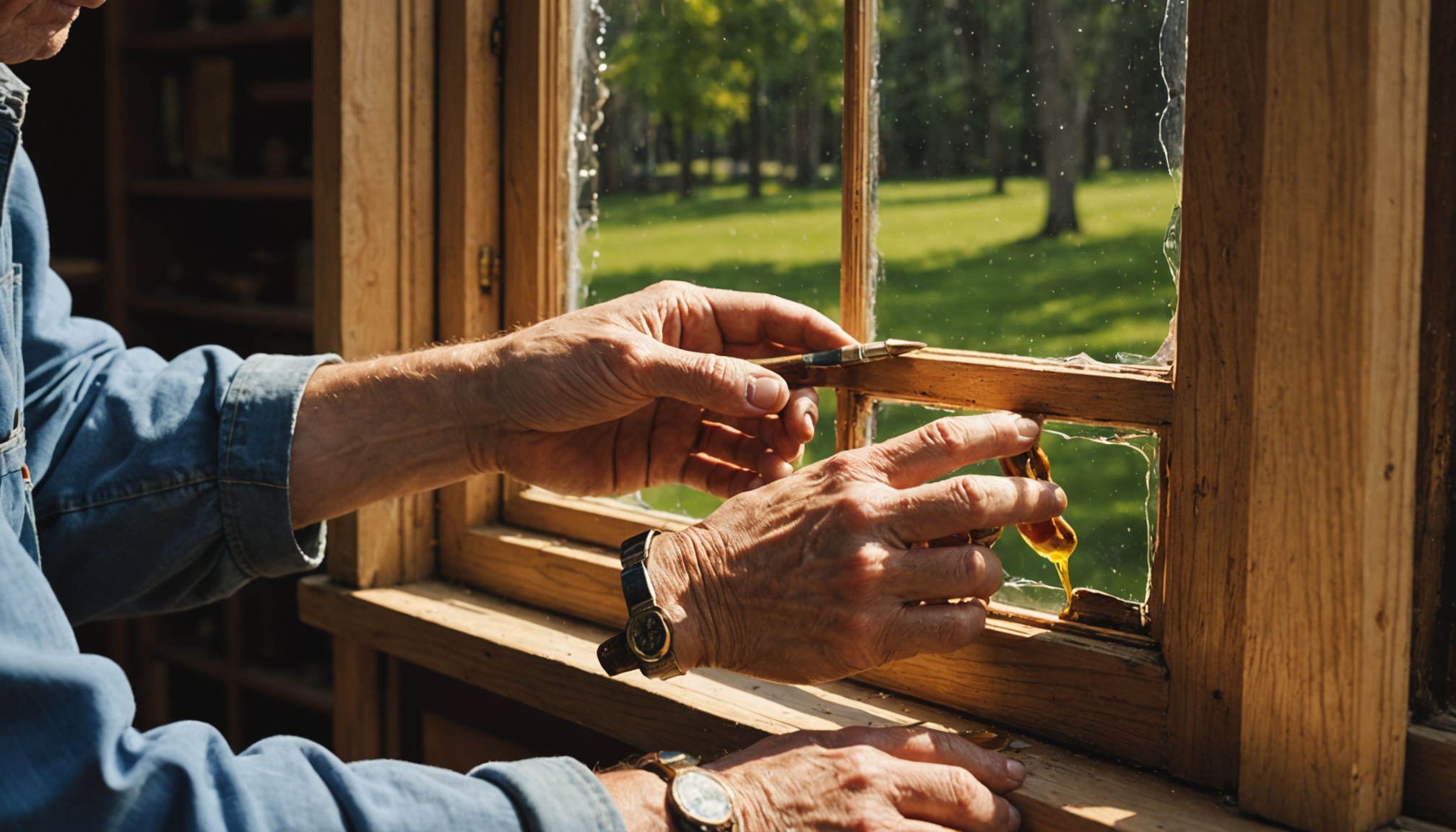 Ensuring that your windows are well-prepared before you begin painting is crucial for achieving a smooth, professional finish. Preparing the surfaces properly helps the paint adhere better and last longer, increasing the overall value of your renovation effort. Here’s a step-by-step guide to prepare your windows effectively:
- Remove window hardware: Begin by carefully removing any hardware, such as handles, locks, and hinges, to ensure they do not get paint on them. Keep all hardware in a safe spot or a labeled container for easy reattachment later.
- Clean the window surfaces: Use a mild detergent and warm water to wash the window frames, removing dirt, grease, and grime. This step is essential for proper paint adhesion. Rinse with clean water and allow it to dry thoroughly.
- Sand the window frames: Whether your frames are wooden, metal, or vinyl, sanding is vital for creating a surface that paint can stick to. Use medium-grit sandpaper (around 120 to 150 grit) for this step. Sand until the surface feels slightly rough to the touch. Pay special attention to areas with peeling or flaking paint.
- Fill in imperfections: Use wood filler for wooden frames or a suitable filler for metal to repair any holes, dents, or scratches. Ensure these are level with the surface once the filler is dry, sanding again if necessary. This creates a smooth foundation for the paint.
- Apply painter’s tape: Protect window panes and any areas that you do not wish to paint by applying high-quality painter’s tape along the edges. This will ensure clean, crisp lines and help you avoid accidental paint marks on the glass.
- Prime the surfaces: Based on your earlier choice of paint type, select an appropriate primer. For wooden frames, a coat of primer is essential for sealing the wood, preventing knots from bleeding through, and improving paint adhesion. For metal frames, use a metal primer specifically designed to prevent rust. Priming is especially important if you are drastically changing the color of the window frames. Apply with a brush or roller for a uniform layer.
- Inspect your work: Give the primer adequate time to dry—typically about 24 hours, or according to product instructions. Once dry, inspect the surface for any rough patches or areas where the primer hasn’t adhered properly. Lightly sand any rough spots and wipe with a damp cloth to remove dust before applying paint.
By taking the time to prepare your windows meticulously, you not only ensure a better end result but also contribute to the durability and longevity of the paint job, which can enhance your home’s resale value. A well-prepared surface allows the paint to adhere more efficiently, promising a finish that will withstand the test of time and weather, ultimately benefiting your renovation budget in the long run.
Step-by-step painting techniques
Before diving into the painting process, ensure you are well-prepared by setting up an organized space. Start by covering any nearby floors or furniture with drop cloths or plastic sheeting to protect them from paint splatters. Having a neat, well-organized workspace will not only facilitate smoother operations but also contribute to a more professional finish on your windows.
Begin the painting process by gently stirring your chosen paint to ensure an even consistency. This is especially important if the paint has been sitting for some time, as settling can occur. Once the paint is well mixed, pour it into a small container or a paint tray for easier handling.
Start by using a small, angled sash brush to cut in around the edges of the window frame. This means carefully painting the border where the frame meets the window glass, allowing for crisp, clean lines. A fine-quality sash brush will provide control and precision, ideal for these tight spots. If you’re painting wooden frames, pay attention to the grain of the wood, applying paint along the grain for a smoother finish.
After the edges are done, switch to a larger, flat brush or a roller to cover the broader sections of the window frame. Use long, even strokes to minimize brush marks and strive for a uniform coat. If using a roller, ensure it’s slightly damp (but not soaking wet) to facilitate a smoother application. Work in sections to maintain a wet edge, which helps in avoiding visible lap marks once the paint dries.
For windows that open or have movable parts, take care to paint in a way that does not seal them shut. This can often be accomplished by slightly opening the window partway before starting to paint and allowing sufficient drying time before closing. If painting more substantial frames or trim, consider applying a second coat for increased durability and a more saturated finish. Ensure the first coat has dried completely before adding additional layers.
If you’re opting for different colors for the interior and exterior sides of the windows, complete one side first, allow it to dry thoroughly, and then proceed to the other. This approach avoids accidental color mixing and ensures a more professional look.
While each stroke you make contributes to the aesthetics, the technical aspects of your work—like even application and attention to detail—are what make the difference between an amateur and a professional finish. Keeping a damp cloth nearby will enable you to quickly rectify minor mistakes or spills, ensuring that the paint job remains clean and crisp.
By meticulously following these painting techniques, you can achieve a flawless finish that not only enhances the appearance of your windows but also increases the overall value of your home renovation project. With patience and precise execution, your windows will transform into striking features that offer aesthetic appeal and practical benefits for years to come.
Drying and finishing tips
Once you’ve meticulously applied the paint to your windows, it’s crucial to focus on the drying process and finishing touches, which can significantly affect the final outcome of your renovation project. Proper drying is essential to ensure the durability and appearance of your newly painted windows, especially when aiming to increase the resale value of your home.
Start by allowing the paint to dry to touch before you attempt any further handling; this typically takes a few hours, depending on the type of paint used. Each paint type has specific drying times—latex paints generally dry faster, usually within a few hours, while oil-based paints may take longer. It’s important to adhere to the manufacturer’s instructions regarding drying times to avoid disrupting the fresh paint. During this time, keep the area well-ventilated to expedite the drying process and reduce any lingering paint odors.
Once the paint is dry to the touch, you should avoid closing or operating the windows until they are fully cured, which means they’re thoroughly dried and hardened. This usually takes a few days. Rushed closing of windows could lead to paint sticking and damaging the finish. To minimize potential disruption to your daily routine, plan the project during a time when you can leave the windows slightly open for extended periods, such as a weekend or during temperate weather.
As the paint dries, periodically check for drips or mistakes that may have escaped your initial attention. If you notice any runs or errors, use a sharp razor blade to gently scrape away the excess paint once it’s dry. Follow up by lightly sanding the area and applying a touch-up coat if necessary. This ensures a seamless, professional-looking finish.
Once the paint has fully cured, carefully remove the painter’s tape. Pull it away at a 45-degree angle to avoid peeling off any fresh paint along with it. If you encounter any resistance or the tape begins to peel the paint, gently score along the edge of the tape with a utility knife to separate it from the paint layer. Reattaching any removed hardware should be your final step, ensuring all screws and handles are secured and functioning properly.
Finally, consider applying a protective sealer for added durability, especially on exterior windows exposed to the elements. A clear sealant helps guard against damage from UV rays, moisture, and temperature fluctuations, extending the life of your paint job.
Incorporating these drying and finishing steps not only enhances the visual appeal of your windows but also contributes to the overall structural integrity of your renovation. By paying attention to these details, you ensure that your investment, whether in terms of budget or time, results in a quality finish that stands strong in both function and aesthetic, potentially boosting the resale value of your property.
Troubleshooting common issues
Even with meticulous preparation and application, challenges can arise during the painting process. Understanding how to troubleshoot these common issues can save you both time and effort, ensuring that your window renovation is a success.
One of the most frequent problems is peeling paint, often resulting from improper surface preparation or applying paint before the primer has fully dried. To fix this, carefully scrape away any loose paint and sand the area smooth. Clean the surface thoroughly and consider reapplying a layer of primer before adding more paint. Be sure to allow adequate drying time between each step.
Another issue that homeowners encounter is the appearance of brush marks. This can result from using low-quality brushes or applying too much pressure while painting. To resolve this, lightly sand the affected area using fine-grit sandpaper after the paint has completely dried. Apply another coat of paint with a high-quality brush, ensuring that each stroke is smooth and even. Keeping your brush slightly damp can also help in achieving a more uniform finish.
If you notice bubbling or blistering in your paint job, it is likely due to moisture getting trapped beneath the paint surface or the application of paint in extreme temperatures. Address this by scraping away the affected paint and sanding to create a flat surface. Ensure the area is dry and apply a primer before repainting. Try to paint in stable weather conditions where there is less humidity and moderate temperature.
Streaks or uneven coloration can occur if the paint hasn’t been stirred properly or if it’s applied too thinly. To rectify this, ensure that the paint is thoroughly mixed before use. Apply another coat to areas that appear streaky, while maintaining a wet edge to avoid overlap marks.
For paint that chips easily, consider whether the paint or primer was designed for the window’s material. Low adhesion might require changing to a better-suited product. You can strengthen the bond by gently sanding and reapplying both primer and paint with an emphasis on compatibility with the frame material.
Addressing these issues promptly not only increases the quality of your work but also extends the life of your paint job, protecting your investment and potentially enhancing your home’s resale value. With a careful approach to troubleshooting, you can ensure that your renovated windows remain a polished and appealing component of your property.
To achieve a flawless window painting project, each phase—from selecting materials to adding the finishing touches—plays a critical role. With diligent preparation, precise technique, and effective troubleshooting, you can transform your window frames into stunning features. This will not only elevate your space’s visual appeal but also contribute to the longevity and value of your home, making your investment worthwhile.