Assessing potential security threats in your garage is a critical first step in safeguarding your home from intrusions and unauthorized access. This process involves identifying vulnerabilities and evaluating risk factors that could compromise the safety of your garage. By understanding these threats, you can implement effective strategies to protect one of the most overlooked entry points in your home. Here’s a comprehensive approach to help you in this endeavor:
Begin by examining the structural integrity of your garage. Consider the location and exposure of your garage, as they play pivotal roles in determining the level of risk. For instance, garages that are attached to the main house or have doors leading into common areas such as a bathroom or a kitchen may need enhanced security measures. Analyze the condition of the walls, windows, and roof to ensure there are no weak spots that intruders could exploit.
Next, evaluate the type of lock system your garage door utilizes. Older garage doors are often fitted with standard locks that may no longer be considered secure by modern standards. It’s crucial to stay updated with current security trends, which might suggest upgrading to more sophisticated locking mechanisms that provide greater protection against forced entry.
Pay attention to the surrounding environment of your garage. Is there adequate lighting, or are there areas that remain in shadow, potentially offering cover for intruders? Consider the installation of motion-sensor lighting, which can effectively deter unwanted visitors. This not only serves to illuminate the space but also acts as a psychological barrier, as most intruders are less likely to approach a well-lit area.
Additionally, evaluate the potential digital threats to your garage’s security. With the rise of smart home technology, the integration of digital security systems can offer a significant advantage. However, these systems can also be vulnerable to cyber-attacks if not properly secured. Ensure that any smart devices used in your garage, such as smart locks or cameras, are protected with strong, regularly updated passwords and encryption. This precaution helps protect against digital intrusions that could compromise your systems and, by extension, your home.
Here’s a comparison of traditional security approaches versus smart home technology for garage security:
| Traditional Security Approaches | Smart Home Technology |
|
|
| Limited to physical security measures | Offers remote access and monitoring capabilities |
| Requires manual upkeep and operation | Automated and customizable to adapt to security needs |
Once you’ve assessed these potential security threats, you can take actionable steps to fortify your garage using a combination of physical security measures and advanced technology. This informed approach will provide a comprehensive shield against both traditional and modern dangers, ensuring that your garage remains a secure and integral part of your home.
Choosing the right garage door lock
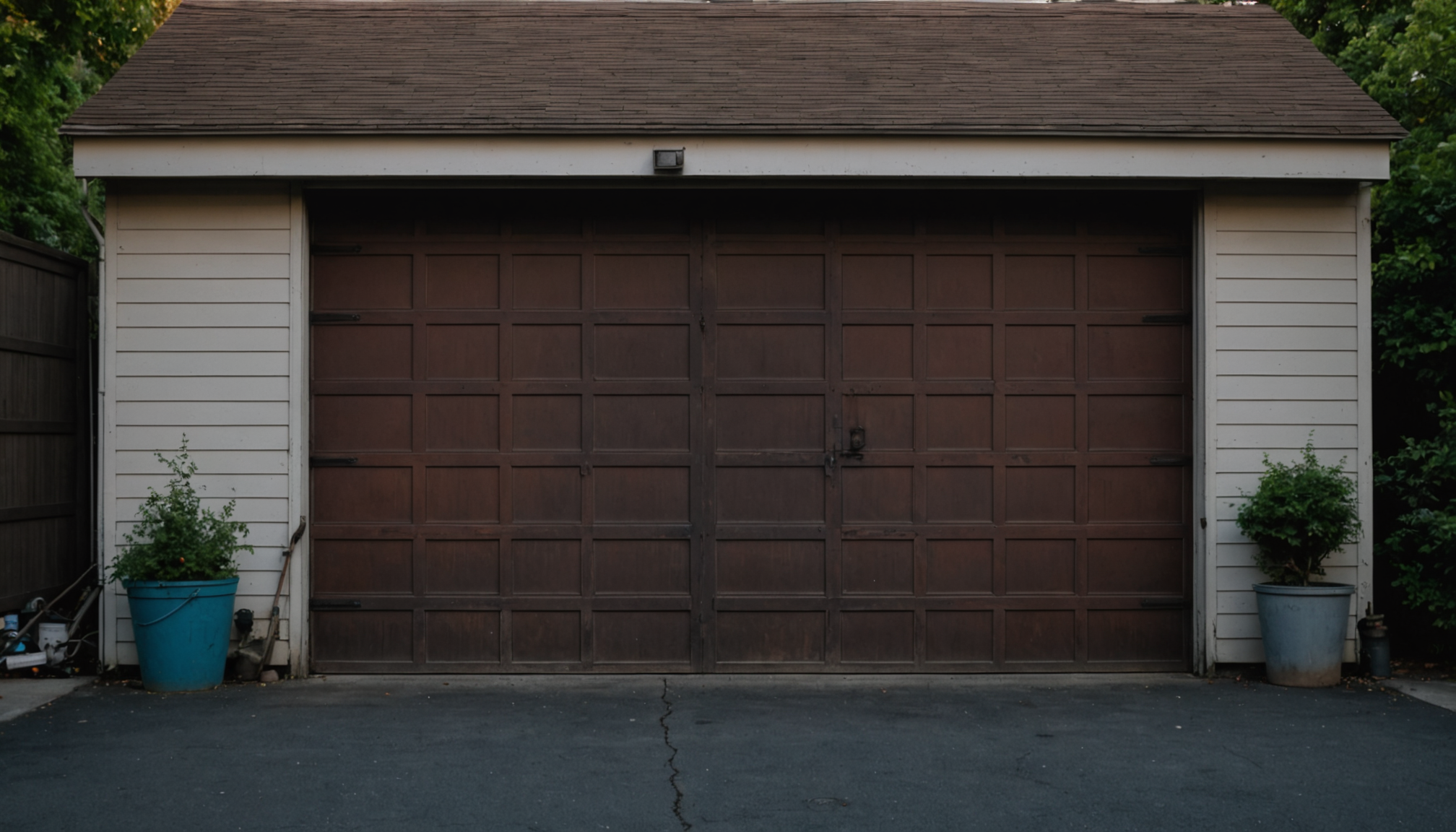 When choosing the best garage door lock, it is essential to balance traditional methods with modern innovations to protect your property effectively. Here are some steps to guide you through the process of selecting the right garage door lock:
1. Understand Your Needs and Garage Structure:
– Start by assessing the existing structure and usage patterns of your garage. Do you have a single or double garage door? Is the door manual or automatic? These considerations will guide your choice of lock, as certain locks are designed specifically for particular types of doors.
– Determine if the garage door serves as a primary entry point into your home and evaluate if additional security measures are warranted due to its proximity to common areas like a bathroom or kitchen.
2. Research Security Trends:
– Stay informed about current trends in home security, especially those that pertain to smart home integration. Modern advancements include locks that are not only physical but also offer digital convenience, such as remote access.
– Consider locks that can integrate with other smart home devices for a seamless security network, offering you control and notifications through a mobile app.
3. Evaluate Lock Types:
– For manual garage doors, consider installing a deadbolt lock for robust physical security. A double-cylinder deadbolt, which requires a key on both sides, can provide superior protection against forced entries.
– For automatic garage doors, explore options like keyless entry systems that utilize keypads or Bluetooth technology to control access. These are beneficial for their user-friendly operation and lack of physical keys that can be lost or duplicated.
4. Consider Hybrid Solutions:
– A combination of traditional and smart systems can offer a comprehensive security layer. For instance, a smart lock with a physical key override ensures access even if the digital component fails or if there’s a power outage.
– Look for locks with built-in alarms that trigger upon detecting tampering or attempted break-ins, providing an additional deterrent to potential intruders.
5. Evaluate Product Features and Reviews:
– Compare different models based on customer reviews and expert recommendations. Prioritize products from reputable brands known for their durability and reliability.
– Pay attention to features such as resistance to picking, drilling, and bumping while also considering the ease of installation and how it fits into your lifestyle and security expectations.
6. Plan for Ongoing Maintenance and Updates:
– Regularly check the functionality of your chosen lock to ensure it works smoothly and doesn’t pose a security risk due to wear and tear.
– For smart locks, keep the software updated to the latest version to protect against vulnerabilities that hackers may exploit. This step aligns with the need to constantly adapt your security setup to emerging threats and trends.
By following these steps, you can select a garage door lock that not only aligns with modern security trends but also suits your specific needs and ensures that your property is well-protected against potential intrusions.
Installing motion-sensor lighting
One of the most effective ways to enhance your garage’s security is installing motion-sensor lighting. This not only improves visibility around the area but also acts as a substantial deterrent to potential intruders. Motion-sensor lighting is a savvy investment that aligns with modern smart home trends by integrating technology with home security.
By installing motion-sensor lights, you benefit from the immediate illumination of your garage perimeter whenever movement is detected. This sudden burst of light can startle and deter would-be intruders who often prefer working under the cover of darkness. The psychological impact of unexpected lighting can dissuade unauthorized access attempts, making it an essential component in comprehensive garage protection strategies.
Moreover, these lights offer significant practical benefits. They’re particularly useful in residential settings where garages are often adjacent to key living areas such as a bathroom or kitchen. Adequately lit surroundings reduce the risk of accidental falls or mishaps for household members navigating around the property at night. This aspect enhances overall safety for you and your family, providing reassurance and peace of mind.
From an economic perspective, motion-sensor lighting is energy-efficient, activating only when needed and conserving electricity the rest of the time. This makes it a cost-effective solution, especially when compared to outdoor lights that remain on throughout the night. Many modern options feature LED bulbs, which are both bright and long-lasting, ensuring you don’t have to frequently replace them.
When considering motion-sensor lighting for your garage, it’s essential to strategically position these fixtures. Optimal placement ensures they cover all vulnerable approaches to your home, including side doors and any accessible windows. This strategic install complements other security layers, such as robust garage locks or surveillance cameras, offering a multi-faceted defense system.
Finally, motion-sensor lighting can seamlessly integrate into broader smart home ecosystems. Many systems now allow you to control settings and monitor activity from your smartphone. This connectivity provides you with real-time alerts when movement is detected around your garage, adding another layer of security and convenience as part of your overall smart home setup.
In summary, investing in motion-sensor lighting is a simple yet powerful step to bolster the security of your garage. It provides immediate, energy-efficient, and effective coverage that not only deters unauthorized entry but also enhances safety for you and your loved ones. By keeping up with security trends and integrating these lights with other technological solutions, you create a more secure and resilient home environment.
Maintaining garage door integrity
Ensuring the continued robustness and functionality of your garage door is essential to maintaining an effective barrier against potential intrusions. A well-maintained garage door not only provides a reliable first line of defense but also enhances the overall security of your home. Paying close attention to the structural and mechanical components of your garage door is crucial in preventing failure and ensuring peak performance.
Start by conducting regular inspections of the door’s physical condition. Look for any signs of rust, wear, or damage on the door panels and hardware, like hinges and springs. These components are subject to stress over time, and any deterioration could create vulnerabilities that compromise security. Rust can weaken the metal, while damaged or misaligned panels might offer points of entry for intruders. Address these issues promptly, through repairs or replacements, to maintain the door’s integrity.
Additionally, lubrication of moving parts should become part of your routine maintenance. The smooth operation of hinges, rollers, and tracks is vital for the door’s functionality and helps to prevent squeaking or sticking, which could signal mechanical failure. Use a high-quality silicone-based lubricant to ensure these parts move freely, reducing friction and wear.
Consider the condition of the weather stripping around the garage door. Although often overlooked, intact weather stripping is integral for maintaining a seal against environmental factors and preventing pests from entering your garage. It’s also a component of energy efficiency, keeping cold air out in the winter and the heat at bay during summer months.
Upgrade your garage door opener to a modern, reliable model if necessary. Today’s openers are more secure and energy-efficient, incorporating rolling code technology that changes the access code each time the door is used, significantly reducing the risk of code-grabbing attempts by tech-savvy intruders. Furthermore, these upgrades can typically integrate with smart home systems, allowing for remote operation and monitoring of your garage door from anywhere.
Ensure that all safety features of your garage door are functioning correctly. The auto-reverse feature, which should halt and reverse the door if an object is detected in its path, is critical for both security and safety, especially in preventing accidents. Test this function periodically, observing whether the door responds quickly to interruptions, and consult a professional if issues arise.
Finally, consider involving a certified professional for an annual inspection and routine maintenance service. Professionals can identify and rectify potential issues not immediately visible to the untrained eye, providing peace of mind that your garage door remains an effective first line of defense against unauthorized access. By keeping abreast of developments and trends in garage security systems, and ensuring ongoing maintenance, your garage door can significantly contribute to the overall safety and security of your home environment.
Incorporating smart security systems
Integrating state-of-the-art technology into your garage security framework can significantly enhance the protection of your home. Leveraging the advantages of smart security systems, you can achieve a level of oversight and control that transcends traditional measures.
Begin by incorporating smart locks that allow remote access control to your garage door. These devices enable you to lock or unlock your garage from anywhere using a smartphone app, providing added convenience and security, especially when you need to grant access to a neighbor or service provider. Many smart locks are equipped with notifications that alert you to any attempted unauthorized access, keeping you informed of any potential threats in real time.
Smart surveillance cameras are another valuable addition to your comprehensive security setup. With features such as high-definition video, night vision, and real-time alerts, these cameras offer robust monitoring capabilities. They can be easily integrated into your existing smart home system, providing continuous video streaming and the ability to review footage when necessary. Some cameras even include two-way audio, allowing you to communicate directly with anyone in the vicinity of your garage.
Moreover, consider the implementation of smart sensors and alarms. These devices are designed to detect unusual activities, such as unexpected movement or door breaches, instantly triggering alerts to your device. By integrating these sensors with smart lighting systems, you can set your lights to turn on automatically in the event of an alarm, further deterring potential intruders.
Home automation systems can streamline the operation of these devices, allowing you to create comprehensive security schedules. For instance, you can automate the locking of your garage doors at night or set your lights to activate at specific times, reinforcing your garage as a formidable barrier.
In summary, incorporating smart security systems into your garage security repertoire not only augments its defenses but also simplifies management, making your home more secure and adaptable to modern threats. These systems showcase a sophisticated edge, harmonizing with the technological trends of today’s smart homes while offering peace of mind through heightened security oversight.
In conclusion, protecting your garage involves a thoughtful blend of traditional and modern security measures. By assessing the potential security threats, choosing reliable garage door locks, installing motion-sensor lighting, maintaining your garage door’s integrity, and integrating smart security systems, you create a robust defense that enhances your home’s overall safety. Staying informed about the latest security trends will empower you to adapt your strategies effectively, ensuring your garage remains secure in an ever-evolving landscape of threats.