Before diving into the repair tasks, it’s crucial to assess the damage that your garden has sustained. A thorough evaluation not only highlights the areas needing immediate attention but also helps in planning an effective strategy for restoring your outdoor space to its verdant glory. In many ways, your garden is a living investment similar to your home, and keeping it in top condition requires understanding what parts are thriving and which need attention.
Start your assessment by walking through your garden slowly, taking note of any obvious signs of trouble. Look out for wilting plants, discolored leaves, broken branches, and areas where pest activity is evident. It’s helpful to carry a notebook or a digital device that can help you document these observations as they might seem overwhelming at first glance. Pay particular attention to areas where water might be pooling, as this can be a sign of poor drainage, which might need to be addressed before planting or reinstalling any components.
Check the condition of your garden infrastructure. Items such as fencing, trellises, or garden paths may have taken a hit from harsh weather or simple wear and tear over time. While modern materials can withstand the elements effectively, nothing lasts forever. Assess whether repairs, replacements, or reinforcement are needed for these structural components. Think of these items as the “roofing” of your garden, protecting what lies beneath.
Analyzing your soil is another critical step in assessing garden damage. Healthy soil is the foundation of a thriving garden, so identify any areas that appear compacted, eroded, or nutrient-deficient. This evaluation might involve simple observation or a more scientific approach through soil testing kits available at local garden centers. These kits can provide insights into pH levels, nutrient content, and potential contaminants.
Finally, consider compiling your assessment findings into a comprehensive list that categorizes the damage into immediate actions and longer-term projects. This categorization helps in managing time and resources efficiently while also reducing the likelihood of feeling overwhelmed by scope. The following table provides an optimally structured format to record your observations and plan further action efficiently:
| Area | Type of Damage | Immediate Action Required | Long-term Repair Plan |
| Perennial Flower Bed | Wilted plants, discolored leaves | Water and apply compost | Reassess soil nutrients and amend |
| Vegetable Plot | Pest infestation | Apply organic pest control methods | Introduce beneficial insects |
| Garden Pathway | Cracks and uneven surfaces | Temporary fill for large cracks | Consider complete resurfacing |
With this clear picture of your garden’s current state, you can prioritize tasks and approach them systematically. Remember, thorough preparation now paves the way for the effective repair of your garden, ensuring your outdoor space remains a flourishing investment for years to come.
essential tools for garden repair
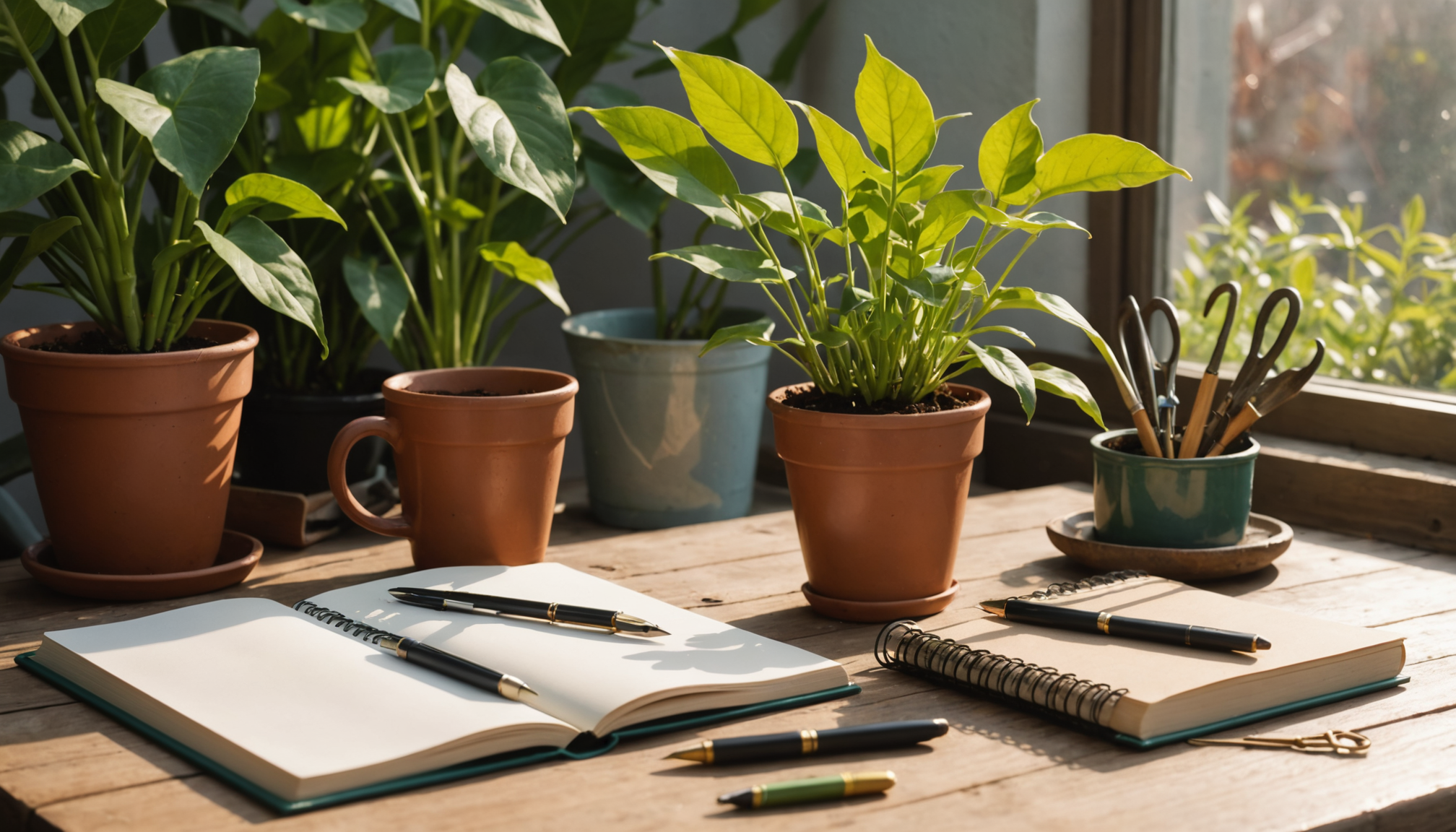 To efficiently restore your garden, it is essential to equip yourself with the appropriate tools. These tools will not only make tasks easier but will also ensure that the repairs are done effectively, maximizing your investment in your outdoor space. Whether you are a novice gardener or an experienced green thumb, having a complete set of tools is crucial for any garden repair task.
- Hand Trowel: This versatile tool is a staple in any gardener’s toolkit. A hand trowel is ideal for digging small holes for planting, transplanting seedlings, and weeding. Opt for a model with a comfortable grip and a durable, rust-resistant blade to ensure longevity and effectiveness in both modern and traditional garden settings.
- Pruning Shears: To maintain the health and format of your plants, sharp pruning shears are essential. These are used for trimming dead or overgrown branches and stems, which can improve air circulation and encourage new growth. When purchasing pruning shears, consider ergonomic designs and high-quality steel blades for clean cuts.
- Garden Fork: Perfect for turning soil, breaking up dense earth, and aerating soil beds, a garden fork is a powerful tool. It helps improve drainage and soil structure, which are vital for plant health. Select a fork with sturdy tines and a comfortable handle to ease the physical demands of soil preparation.
- Shovel: For larger digging tasks, such as planting trees or shrubs, a full-sized shovel is indispensable. Look for a model with a sharp, pointed blade for penetrating the ground and a long handle for added leverage. Shovels are also useful for moving loose materials like mulch or compost, crucial for revitalizing garden beds.
- Rake: Whether clearing debris or leveling soil, a garden rake is necessary for maintaining a tidy and organized garden area. Leaf rakes and shrub rakes can be used for clearing fallen leaves and other debris, while a bow rake is effective for smoothing soil or mulch.
- Hose with Adjustable Nozzle: Proper watering is key to a healthy garden, and a good-quality hose with an adjustable nozzle allows you to direct water precisely to your plants. Consider a hose that is kink-resistant and long enough to reach all parts of the garden.
- Gloves: Essential for protecting your hands during any repair task, high-quality gardening gloves prevent cuts, blisters, and exposure to soil-borne pathogens. Ensure that they are thick enough to protect yet flexible enough for handling small tools and plants.
- Wheelbarrow or Garden Cart: Moving heavy materials like soil, compost, or gravel becomes manageable with a sturdy wheelbarrow or garden cart. These tools help minimize physical strain and increase efficiency, particularly for extensive repair projects.
- Watering Can: For delicate plants or newly seeded areas that require gentle watering, a watering can is indispensable. Choose one with a detachable rose spout to allow for adjustable water flow and maximize control over watering efforts.
- Garden Kneeler: While not a tool in the traditional sense, a garden kneeler can significantly ease the physical demands of extended repair works, providing a comfortable space to sit or kneel while working on your garden ground or bed.
Equipping yourself with these essential tools will make the task of repairing your garden not only more manageable but also more enjoyable. Think of these tools as an extension of your effort, transforming your garden into a thriving haven. Evaluate the quality of these tools periodically; just like roofing protects a home, well-maintained tools safeguard your investment, ensuring they remain functional and effective for many seasons.
soil revitalization techniques
After assessing the state of your garden and gathering the essential tools for the task at hand, it is time to focus on the heart of a thriving outdoor space—its soil. Revitalizing your soil is akin to laying down a solid foundation for any modern structure; without healthy, fertile soil, even the most hardiest plants struggle to thrive. The process involves various techniques aimed at restoring nutrients and structure to ensure your plants have the best possible environment to grow.
Begin by aerating the soil. Compacted soil can restrict root growth and limit water infiltration. By using a garden fork, turning over the soil, or using an aerator tool, you’ll increase oxygen flow, ensuring that plant roots can access essential nutrients and moisture. This simple step can transform your garden beds from struggling patches to vibrant ecosystems capable of supporting healthy plants.
Another crucial element in soil revitalization is adding organic matter, such as compost or well-rotted manure. These materials enrich the soil with essential nutrients like nitrogen, phosphorus, and potassium. They also help improve soil texture, making it loose and friable. This is particularly beneficial when dealing with sandy soils that drain too quickly or clay soils that retain too much moisture. Aim to incorporate organic matter into the soil at least twice a year—once in early spring and again in fall—for the best results.
Testing your soil regularly is a modern yet essential approach for a successful revitalization process. These tests reveal valuable information about pH levels and nutrient deficiencies, allowing you to tailor amendments specifically to your garden’s needs. For instance, if your soil is too acidic, a lime application can help balance the pH levels, fostering an environment where both plants and beneficial microorganisms can flourish. Conversely, if the soil is too alkaline, incorporating elemental sulfur can lower the pH to more favorable levels.
In addition, consider the use of cover crops, also known as green manure. These are plants grown specifically to be turned back into the soil, where they decompose and enrich it. Legumes, for example, can fix nitrogen in the soil, providing a natural fertilizer that reduces the need for synthetic versions. This practice not only improves soil fertility but also helps prevent erosion during the off-seasons, acting like an organic form of roofing for your garden bed.
Lastly, it’s crucial to practice crop rotation. Repeated planting of the same type of vegetables in the same spot can lead to nutrient depletion and increased pest and disease pressure. By rotating crops annually, you maintain a balanced nutrient profile and reduce specific pest problems, allowing your garden to naturally rejuvenate without heavy reliance on chemical interventions.
Incorporating these soil revitalization techniques into your garden care routine will not only restore its natural vitality but also make it a worthwhile investment. As your garden grows healthier over time, so does your personal sanctuary, providing you and your family with a beautiful, productive space that mirrors the benefits of a well-tended modern home.
plant restoration strategies
Restoring the plants in your garden after any form of damage requires a strategic approach to bring them back to their lush, healthy state. The first step involves identifying the plants that have a chance of recovery and those that may need to be replaced. For those that are wilting or showing signs of stress, begin by trimming back dead or diseased parts carefully using sharp pruning shears. This “pruning” not only tidies the appearance but encourages new growth by redirecting the plant’s energy toward healthier areas.
Once pruning is complete, focus on watering techniques. Deep, consistent watering supports plant recovery far better than frequent shallow sprinklings. This method encourages roots to grow deeper, which stabilizes the plant in the soil and increases resilience against future stressors. To enhance this repair process and mimic elements of natural watering patterns, consider using soaker hoses or drip irrigation systems, which maintain an even moisture level throughout your garden bed.
For plants experiencing nutrient deficiency—often indicated by yellowing leaves or stunted growth—apply an appropriate fertilizer based on your soil test results. Choose organic fertilizers or slow-release options to provide nutrients more steadily, avoiding over-fertilization which can harm both your plants and the soil ecosystem. This approach, much like modern sustainable practices, ensures that your garden remains a thriving investment rather than a fleeting patch of green.
Pests can be another significant hindrance to plant restoration. Implement integrated pest management solutions that combine preventative measures and control strategies. Introduce beneficial insects such as ladybugs or predatory beetles that naturally keep pest populations in check without the need for chemical interventions. It’s a natural form of “roofing”—shielding your plants from harm and contributing to an integrated, balanced ecosystem.
Finally, protect your plants against environmental fluctuations by adding a layer of mulch around their base. Mulching helps retain soil moisture, suppress weeds, and buffer temperature extremes. The mulch layer acts like a protective skin, mitigating the impact of harsh weather and creating a nurturing microenvironment where plants can flourish. Remember, maintaining consistency in care will yield a garden that is not only visually appealing but robust and sustainable. This proactive strategy ensures a thriving garden environment, able to glow with vitality while standing resilient against the elements.
maintaining a healthy garden moving forward
Maintaining a vibrant garden demands consistent attention and diligence, necessitating the creation of a sustainable and dynamic care routine. Begin by establishing a regular schedule for critical tasks such as watering, weeding, and pruning. This helps prevent minor issues from becoming major headaches and ensures that your garden remains a flourishing investment season after season. Make use of modern technology, such as automated irrigation systems, to optimize your watering efficiency. These systems can be particularly useful during periods of drought, ensuring that plants receive the exact amount of water they need without wastage.
Regularly assess soil health as part of your routine. Soil testing should be done periodically to monitor pH levels and nutrient content, adapting your soil amendment strategy accordingly. By maintaining a balanced soil environment, you are essentially providing a strong foundation upon which your garden can thrive, much like solid roofing supports a house. Organic matter, such as compost, can be applied throughout the growing season to ensure that the soil remains nutrient-rich and well-structured, fostering both plant growth and beneficial microbial activity.
Plant diversity is another key component of a healthy garden ecosystem. Consider interplanting a variety of species to create a self-sustaining environment where plants can support one another. This strategy not only improves biodiversity but also helps control pests naturally by attracting beneficial insects and reducing the need for chemical interventions. Many modern gardeners use companion planting techniques to enhance this effect, pairing plants with complementary needs and benefits to optimize the garden’s health.
In terms of garden infrastructure, routine maintenance of physical components such as fences, trellises, and walkways enhances the overall functionality and aesthetic of your outdoor space. Regularly check these elements for wear and repair them as needed to prevent further damage. Addressing these issues promptly ensures that your garden’s ‘skeleton’ remains robust and reliable, much like a well-maintained roofing structure that protects what’s inside.
Cultivating a thriving, healthy garden environment requires ongoing commitment and foresight, making your outdoor space a perennial source of beauty and enjoyment. Such an investment in care and attention will see your garden not only endure but flourish, adapting seamlessly with the modern gardener’s lifestyle.
In conclusion, repairing and maintaining your garden involves understanding, patience, and the right strategies. Assessing damage, revitalizing soil, restoring plants, and consistently tending to your garden ensures it remains a beautiful and resilient part of your home. Investing in these practices not only enhances the aesthetic value of your garden but also contributes to a healthier environment. By carefully crafting and maintaining your garden, you create a sustainable oasis that provides joy, serenity, and nourishment for years to come.