Metal fabrication is a fundamental process in various industries, involving the transformation of raw metal materials into pre-defined shapes and structures. This intricate craft combines an array of techniques, such as cutting, bending, and assembling, to create functional components or complex assemblies.
At its core, metal fabrication encompasses several essential processes. Cutting involves slicing through metal using various tools, including lasers, plasma torches, and water jets. Advanced machinery allows for precision cutting, ensuring components fit tightly together without the need for extensive rework.
Bending is another critical facet of metal fabrication. This process reshapes flat metal sheets or bars into specific angles or curves. Equipped with press brakes and other hydraulic machinery, fabricators can achieve precise angles, which are crucial for maintaining the integrity and functionality of the final product.
Assembling involves joining metal parts together. This can be achieved through welding, fasteners, or adhesives. Welding is a common technique where metals are almost seamlessly fused by heat, resulting in a strong, permanent joint. Each method of assembly has its specific use cases depending on the materials and the required strength of the finished product.
Additionally, metal fabrication often includes other specialized processes such as casting, where molten metal is poured into molds to achieve unique shapes, and stamping, which uses a press to shape metal into thin sheets. These methods expand the versatility of metal fabrication, allowing for a variety of applications ranging from large industrial components to intricate decorative elements.
Below is a comparative table highlighting some of the main aspects of different metal fabrication processes:
| Process | Description | Typical Uses |
| Cutting | Segmentation of metal pieces into desired shapes | Production of components, parts, and shapes |
| Bending | Altering the shape of metal to achieve required angles | Frameworks, enclosures, and architectural designs |
| Assembling | Joining of metal parts typically through welding or fasteners | Factory machinery, infrastructure, consumer products |
| Casting | Forming metal into complex shapes using molds | Engine parts, tools, sculptures |
| Stamping | Shaping metal sheets through press-based techniques | Automotive parts, electronics, appliances |
Metal fabrication requires a deep understanding of both the properties of metals and the processes used to manipulate them. Factors such as tensile strength, elasticity, and thermal properties strongly influence the selection of techniques and materials in fabrication projects. Mastery of basic metal fabrication principles is crucial for anyone looking to either engage in DIY projects or oversee professional endeavors. Understanding these fundamentals not only informs safer practices but also enhances the quality and functionality of the fabricated workpieces. Such knowledge ensures that whether through DIY or professional channels, metal fabrication outcomes meet required specifications and safety standards.
Safety considerations in DIY metal fabrication
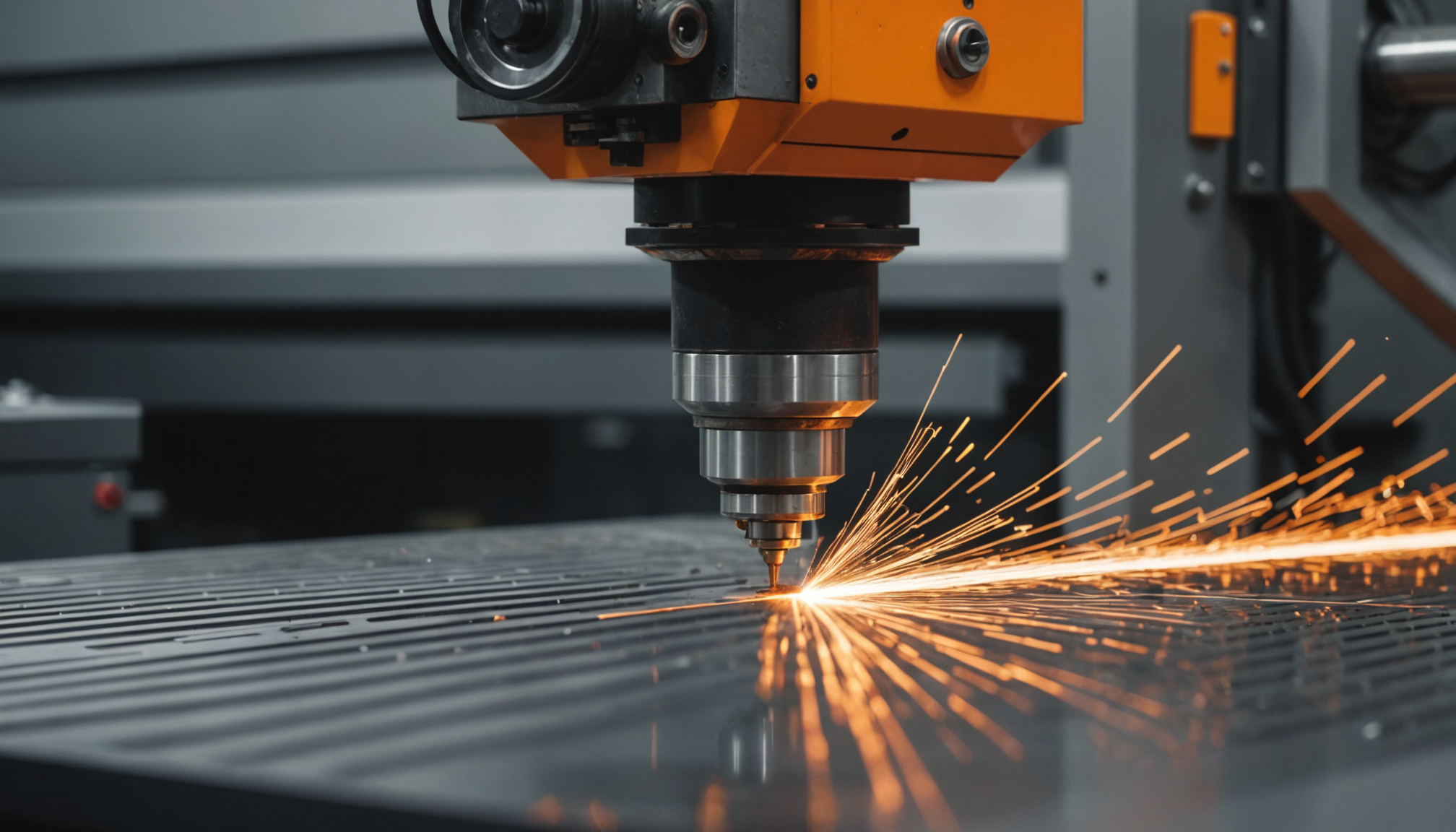 Embarking on a DIY metal fabrication project requires a keen focus on safety to prevent accidents and injuries. This task involves handling materials and tools that can be dangerous if not managed properly. Here are important safety considerations to keep in mind:
1. Wear Appropriate Personal Protective Equipment (PPE):
– Always use safety goggles or a face shield to protect your eyes from flying debris and intense light from welding.
– Wear gloves made of leather or other durable material to protect your hands from sharp edges and hot surfaces.
– Wear ear protection, such as earplugs or earmuffs, to safeguard against noise pollution from loud machinery.
– Ensure you have appropriate footwear, such as steel-toe boots, to protect against falling objects and sharp items.
2. Set Up a Safe Work Environment:
– Work in a well-ventilated area to avoid inhaling harmful fumes, especially during welding and cutting processes. If necessary, set up local exhaust ventilation or wear a respirator.
– Ensure your workspace is well-lit to improve visibility and reduce the risk of mistakes that could lead to injury.
– Keep your work area organized to prevent trips and falls. Ensure all tools and materials are stored properly when not in use.
3. Know Your Tools:
– Familiarize yourself with all tools and machinery before use. Refer to manuals and safety instructions relevant to the tools.
– Check that all equipment is well-maintained and in good working condition. Faulty equipment may malfunction and cause serious injuries.
– Use the right tools for the job and avoid makeshift solutions. Using inappropriate tools can compromise safety and result in poor quality work.
4. Practice Safe Handling and Techniques:
– Ensure you are using the correct techniques, especially during heavy lifting and positioning of metals, to avoid strains and sprains.
– Use clamps or vises to hold metal pieces in place when cutting or bending, which prevents movement that could lead to injury.
– Follow all recommended safety protocols for welding, such as inspecting cables and connections, and never working with flammable materials nearby.
5. Be Prepared for Emergencies:
– Have a first aid kit readily available, ensuring it is stocked with essentials like bandages, antiseptic wipes, and burn cream.
– Maintain a fire extinguisher in your work area. Understand and know how to use it properly. It should be rated for metal fires if you are involved in processes like welding.
– Familiarize yourself with basic emergency procedures, and keep a phone nearby to call for help if needed.
By adhering to these safety measures, you can significantly reduce the risk associated with DIY metal fabrication. Safety should always be your top priority, ensuring that your project is both successful and incident-free.
Risks and precautions in professional metal fabrication
In a professional metal fabrication environment, safety risks exist but are typically mitigated by stringent safety protocols and the use of advanced technology. However, certain hazards inherently come with the nature of the work. Understanding these risks and taking appropriate precautions is crucial to maintain a secure workspace.
High-Level Machinery: Professional metal fabrication facilities often house large, complex machinery designed for tasks such as cutting, bending, stamping, and welding. These machines require specific training and expertise to operate safely. Operators must be well-versed in the equipment’s functions and safety features, such as emergency stop mechanisms and guards that protect against accidental contact with moving parts. Moreover, regular maintenance and inspections are essential to ensure that all machinery functions accurately and safely.
Hazardous Materials: Fabrics often need to handle metals that could have sharp edges or burrs, posing a risk of cuts and punctures. Additionally, specific processes, such as welding and cutting, can produce hazardous fumes and particulates. Professionals should use proper ventilation systems and personal protective equipment (PPE) such as respirators to mitigate inhalation dangers. Highly protective gloves and clothing further safeguard against cuts, burns, and exposure to harmful substances.
Thermal Risks: Processes like welding and torch cutting involve extreme heat, creating hot work environments. This can lead to burns and heat exhaustion if proper precautions are not taken. Using heat-resistant PPE, maintaining proper hydration, and implementing work-rest cycles are effective strategies for minimizing thermal risks. Additionally, keeping flammable materials away from hot work zones is crucial to prevent fires.
Heavy Lifting and Material Handling: Many metal components and finished products are heavy and require mechanical assistance or teamwork to move safely. Using lift equipment such as cranes or hoists reduces the physical strain on workers and prevents injuries related to improper lifting techniques. Training on proper body mechanics and the use of lifting aids is necessary to avoid musculoskeletal injuries.
Electrical Hazards: In a professional setting, advanced electrical equipment is often in use for processes like welding and operating heavy machinery. Proper grounding, regular inspection of electrical cables, and adherence to safety protocols prevent electrical shocks and fires. Additionally, training employees to recognize signs of electrical hazards and encouraging prompt reporting further enhances safety in the workplace.
Employers and supervisors in metal fabrication sites play a critical role in ensuring the safety of their operations by fostering a culture of safety awareness and accountability. This includes providing comprehensive safety training, regularly updating safety procedures, investing in reliable PPE, and maintaining open lines of communication regarding any safety concerns. By prioritizing these aspects, professional metal fabrication facilities can substantially reduce risks and create a safe working environment for all employees.
Comparing costs and safety: DIY versus professional services
When considering whether to undertake a metal fabrication project yourself or hire a professional, comparing costs and safety is crucial. Financial considerations often drive many individuals to attempt DIY metal fabrication, as it seems like a cost-effective solution at first glance. However, the often-overlooked expenses and potential risks associated with DIY projects can sometimes outweigh the initial perceived savings.
DIY metal fabrication can save money upfront on labor costs. However, it requires investing in tools and materials, which can be costly depending on your project’s scale and complexity. Equipment such as welders, cutting torches, and safety gear can be significant expenditures, not to mention the maintenance and replacement costs if not properly handled. Moreover, any mistakes made during the fabrication process could lead to expensive rework or even safety hazards, potentially increasing your project’s overall cost.
In contrast, professional services typically have access to specialized equipment and skilled labor, reducing the risk of costly errors. While the upfront cost of hiring professionals might seem higher, it often includes materials, labor, and guarantees on the work completed. Professionals are more efficient, producing higher quality work in less time due to their experience and access to advanced machinery, which might mitigate long-term costs with durable and precise outcomes. They also minimize the safety risks associated with metal fabrication, thanks to their adherence to stringent safety protocols and comprehensive training.
Safety, a paramount concern in metal fabrication, varies significantly between DIY and professional environments. DIY enthusiasts may lack formal training in safety procedures, potentially leading to minor or serious accidents. On the other hand, professionals operate within a framework of safety regulations, employing measures that drastically reduce the level of risk. Professional fabricators are typically trained to handle hazardous materials and operate heavy machinery with precision, significantly lowering the potential for injury.
While cost comparisons might initially lean towards DIY as the cheaper route, it’s essential to consider potential hidden costs, including inefficiencies, waste, and safety risks. These factors can elevate the true cost of DIY projects above that of professional fabrication services. Prioritizing safety and reliability often proves more economical in the long run, making professional services an attractive option for those looking to balance cost and safety effectively.
Before deciding on DIY or hiring a pro, it’s beneficial to evaluate the project’s requirements thoroughly. By acknowledging the potential pitfalls and benefits in terms of both cost and safety, you can make an informed decision that aligns with your budget, skills, and safety comfort level. Whether you’re leaning towards handling it yourself or reaching out for professional help, understanding the intricacies of both options will ensure your metal fabrication project not only meets your expectations but does so safely and economically.
Making the safe choice for your metal fabrication needs
When deciding on the best path for your metal fabrication needs, prioritizing safety should be at the forefront. Whether you’re considering a DIY approach or leaning towards hiring professionals, analyzing specific project requirements is crucial. If the task is straightforward and you possess the necessary skills and equipment, a DIY approach could not only be cost-effective but also personally fulfilling. However, one must remain vigilant with safety protocols, ensuring all protective measures are actively practiced to mitigate risks.
Conversely, opting for professional services often assures a level of expertise and safety compliance that may not be achievable for amateurs. Professionally managed projects typically encompass thorough safety assessments and the use of advanced machinery operated by trained personnel. While these services come with higher initial costs, they often provide value through the delivery of high-quality and durable results, along with reduced risk of accidents and errors.
When juggling the nuances between DIY and professional approaches, it’s imperative to weigh the factors of cost, safety, timeline, and quality comprehensively. Evaluate the complexity of the project and your capability to execute it safely before making a decision. By doing so, you can navigate your metal fabrication needs confidently, ensuring that the chosen path aligns with your skill level, budget constraints, and safety expectations.
In conclusion, the choice between DIY and professional metal fabrication comes down to balancing cost, skill, and safety. While DIY projects can be budget-friendly, they may pose significant safety challenges if not approached with caution. Professional fabricators offer expertise and adherence to rigorous safety standards, often making them the safer choice despite the higher cost. Ultimately, understanding your own capabilities and prioritizing safety will lead to the most successful and secure metal fabrication outcomes.