Ensuring the longevity and functionality of your windows begins with a thorough inspection. Regular inspections are crucial for identifying potential problems before they escalate into costly repairs or replacements. By taking the time to carefully examine your windows, you can maintain their performance, improve energy efficiency, and enhance the overall comfort of your home.
Start by visually scanning each window both from the inside and outside of your home. Look for obvious signs of wear, such as cracked glass, warped frames, or water damage. Observing your windows during different weather conditions can also reveal issues that might not be immediately apparent.
Check the condition of the window frames. Wooden frames, in particular, are susceptible to rot and should be checked for any signs of decay or pest infestation. Vinyl or aluminum frames, although more durable, should be inspected for dents, scratches, or bends that could compromise their integrity. Inspect the paint or finish as peeling or chipped paint could expose the underlying material to the elements, leading to further damage.
Pay special attention to the seals and caulking around the windows. These are critical in preventing drafts and moisture ingress, which can lead to mold growth or increased heating and cooling costs. Look for any gaps or cracks between the window and the frame, and ensure the caulking is intact and not deteriorating. If you find any issues, they may need resealing to prevent further damage.
It’s also important to test the functionality of the sashes and locks. Make sure the windows open and close smoothly without sticking. Operate all locks and other hardware to ensure they work properly and securely. If you encounter any resistance or instability, the window may need adjustment or lubrication, which could be addressed in further maintenance steps.
For windows with screens, check for tears or holes. Damaged screens can be replaced or repaired to ensure they continue to keep out insects while allowing fresh air. Evaluate the fit of the screens and adjust them if necessary to ensure a snug fit that will prevent pests from entering.
Finally, examine the glass itself for any clouding or condensation between panes, which is a sign that the seal of double-pane windows might have failed. This issue can reduce insulation efficiency and may necessitate professional intervention to restore their insulating properties.
| Inspection Aspect | Potential Issues | Action Required |
| Frames | Rot, warping, dents, scratches | Repair or replace damaged sections |
| Seals and Caulking | Gaps, cracks, deterioration | Reseal gaps, apply fresh caulk |
| Sashes and Locks | Difficulty in opening/closing, broken locks | Lubricate, adjust, or replace hardware |
| Screens | Tears, loose fit | Repair or replace screens |
| Glass | Cracks, condensation | Repair or replace glass, reseal if necessary |
By conducting thorough assessments regularly, you ensure your windows remain in top condition, helping you avoid unexpected repair expenses and preserving the comfort of your home’s environment. Remember, an efficient inspection is the foundation of effective window maintenance and proactive home care.
cleaning and dusting
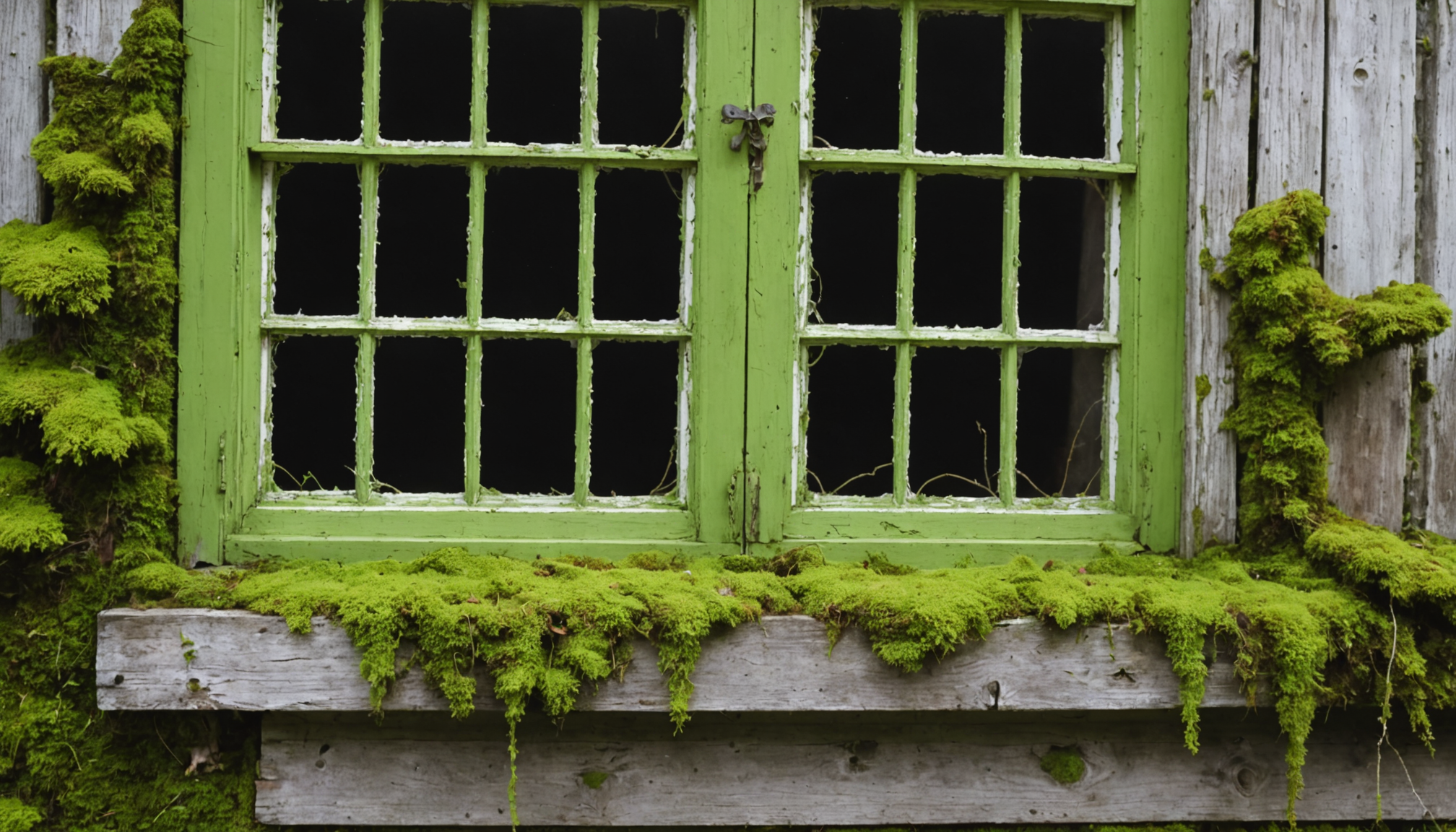 Keeping your windows clean and free from dust not only maintains a clear view to the outside world but also enhances the lifespan and efficiency of the windows themselves. Follow these steps to ensure you are cleaning your windows effectively:
1. Gather Supplies:
– Prepare a bucket of warm water mixed with a few drops of mild dish soap or a vinegar solution (comprise of equal parts water and white vinegar).
– Use a soft, lint-free cloth or a microfiber cloth to avoid scratching the glass.
– Have a squeegee on hand for large windows to prevent streaking.
– For dusting, use a soft brush or a vacuum with a brush attachment.
2. Remove Dust from Frames and Sills:
– Begin by dusting or vacuuming the window sills and frames first to prevent spreading dirt onto the glass when cleaning.
– Pay special attention to corners and crevices where dust tends to accumulate.
3. Wash the Glass:
– Dip your cloth into the soapy water or vinegar solution, and wring it out thoroughly to avoid excess water running onto the floor or into the window frame.
– Clean the windows in a vertical motion on one side and a horizontal motion on the other, so you can easily spot any streaks as you work.
– Start at the top of the window and work your way down, to catch any drips.
4. Use the Squeegee:
– For larger windows, use a squeegee to prevent streaks.
– Start at the top corner of the window and work your way across in horizontal strokes.
– Wipe the blade of the squeegee with a dry cloth between strokes to ensure no residual water or streaks are left behind.
5. Dry and Polish:
– Use a clean, dry microfiber cloth to wipe away any remaining water and to polish the glass for a streak-free finish.
– Check once more for any smudges or spots and address them accordingly.
6. Clean Window Treatments:
– Dust or vacuum blinds, curtains, and any other window treatments to keep the entire window area clean.
– If necessary, launder or dry-clean cloth curtains per their care instructions.
7. Address Stubborn Stains:
– For tough marks or residue, use a mix of baking soda and water for a gentle abrasive. Apply this paste to the stain with a cloth, rub gently, and rinse off.
– Ensure that any cleaning agents used are suitable for window glass to avoid etching or damaging the surface.
Regular cleaning not only keeps your windows looking pristine but also helps to prevent dirt from accumulating in places that could affect the window’s functioning, such as tracks or corners. By maintaining a regular cleaning routine, you also ensure that allergens and pollutants do not build up in your home, contributing to a healthier living environment.
sealing gaps and cracks
Ensuring that your windows are well-sealed is crucial for maintaining energy efficiency and reducing utility costs. Windows are often the culprits behind drafts and energy loss, compromising the comfort of your living space. By sealing gaps and cracks effectively, you can enhance your home’s insulation and protect it from environmental elements.
Start by conducting a thorough inspection of the seals around your windows. With time and exposure to the elements, caulking and weatherstripping can deteriorate, leading to noticeable gaps. Check for cracks in the caulk and areas where the weatherstripping may have worn away. These are common issues, especially in regions with significant temperature fluctuations, which can cause materials to expand and contract, furthering the damage.
For narrow gaps or small crevices, applying high-quality silicone caulk is a cost-effective solution. Silicone caulk is ideal for window exteriors because it remains flexible and withstands harsh weather better than other types. When applying the caulk, first ensure that the area is clean and dry to promote adhesion. Use a caulk gun to apply a continuous bead of caulk along the crack, smoothing it out with a moistened finger or a caulk tool for a clean finish. Allow it to cure completely as per the manufacturer’s instructions to guarantee a weather-tight seal.
Where larger gaps or cracks are present, particularly around the frame, consider using expandable foam sealant. This foam is effective for filling sizeable gaps and provides excellent insulation properties. However, exercise caution as it can expand significantly and may require trimming after application to achieve a neat appearance. Ensure the surface is free from dust and debris for optimal application.
Another critical area to examine is the weatherstripping around your window sashes. If you notice drafts when the windows are closed, the weatherstripping might be worn or missing in places. Replacing old or damaged weatherstripping material is relatively straightforward. Adhesive-backed foam weatherstripping is user-friendly and can be easily customized to fit the dimensions of your window. Press it firmly in place to ensure it adheres properly, paying special attention to corners where drafts are more likely to occur.
When sealing windows, it’s also essential to consider ventilation needs. Over-sealing can restrict airflow, which might be undesirable during certain seasons. To balance efficiency with ventilation, consider adjustable weatherstripping solutions that allow you to modify the seal as needed.
By addressing gaps and cracks promptly, you not only improve the energy efficiency of your home but also protect against moisture ingress. Moisture can lead to mold growth and structural damage if left unchecked. Regularly monitoring and maintaining window seals will help preserve the integrity of your windows and contribute to a more consistent indoor climate, ultimately reducing strain on your heating and cooling systems and lowering energy bills.
lubricating moving parts
Focusing on maintaining the smooth operation of your windows involves a keen attention to the moving parts that facilitate their functionality. Lubricating these components is essential to ensure that your windows open and close effortlessly and without creating unnecessary friction that can lead to wear over time. Here are some effective steps and considerations for keeping your windows well-lubricated and in excellent working condition.
Begin by identifying all the moving parts, which typically include the hinges, tracks, rollers, and the window handle mechanisms. These components are prone to accumulating dust and debris, which can hinder movement and cause parts to grind against each other, potentially leading to damage or a shortened lifespan.
To start the lubrication process, first, thoroughly clean these areas to remove any built-up dirt or grime. Use a soft brush or a vacuum with a nozzle attachment to clear out dust and debris from the tracks and around the moving parts. Ensure that you reach into the corners and crevices where particles may collect.
Once cleaned, select an appropriate lubricant. Silicone-based lubricants are often preferred for window components due to their ability to provide a smooth surface that resists attracting dirt. Avoid using oil-based lubricants, as these can become sticky and may eventually trap dust and particles, undoing your cleaning efforts.
When applying lubricant to the tracks, spray or apply it evenly along the length of the track. Open and close the window a few times to distribute the lubricant thoroughly, ensuring an even application that reaches all necessary points of contact. For hinges and rollers, apply the lubricant sparingly, directly to the pin or roller, and allow it to seep into the joints. It’s a good idea to move the window gently back and forth to make sure the lubricant penetrates well and spreads evenly throughout the moving parts.
For windows with handle mechanisms, apply a small amount of lubricant directly where the handle meets the frame or sash and work the handle to distribute the lubricant. This can prevent any stiffness or resistance when operating the window.
Be cautious not to over-lubricate, as excess lubricant can drip or attract unwanted dirt. Always wipe away any surplus with a soft cloth to keep your window frames clean and free from residue that could become a magnet for dust.
Regular lubrication not only preserves the smooth operation of your windows but also extends the life of these crucial components by reducing the friction that causes wear. By keeping the moving parts well-maintained, you prevent potential issues that could necessitate more extensive — and expensive — repairs down the line. Consistently include this lubrication step as part of your routine window maintenance to ensure optimal performance and ease of use for years to come.
replacing damaged components
If any of your window components such as sashes, frames, or locks are beyond repair, replacing them is a necessary step to maintain the security and efficiency of your windows. Begin by identifying which parts are damaged. Commonly, window frames can rot or warp, especially if they are made of wood, or they could be bent in the case of aluminum or vinyl. Sashes may stick or fail to stay open, and locks can become rusty or misaligned.
Once you’ve identified the damaged components, obtain the correct replacement parts. For wooden frames, you may need to cut away the affected portion and splice in new wood. This often requires precision, so ensure you have the right tools and materials for the job. It’s crucial to treat the new wood with a preservative or sealant to prevent future rot. For vinyl or aluminum, replacement might mean swapping out entire sections. Ensure the colors and profiles match your existing windows to maintain aesthetic cohesion.
If your window sash needs replacing, consider purchasing a sash kit from your window’s manufacturer, which often comes with all the necessary components and easy-to-follow instructions. Removing and installing sashes can typically be accomplished with a screwdriver and some basic handyman skills. Be sure to follow the manufacturer’s guidelines to ensure both safety and proper function.
For locks and other hardware, opting for modern, more secure options is worthwhile. Many manufacturers offer universal models that can fit a variety of window styles, but for complex mechanisms, it may be necessary to order the exact components from the window manufacturer to ensure a perfect fit.
When replacing glass, especially with double-paned windows, it’s often better to consult a professional due to the complexity and risk of improper sealing which can compromise insulation. However, single-pane windows can be a safer DIY task with the right tools and patience.
Regularly checking and replacing damaged components is essential. It not only improves your window’s performance but also enhances your home’s security and energy efficiency. By dedicating the time to replace these elements as needed, you ensure your windows serve you well into the future.
Regular window maintenance, from inspection to replacement of damaged parts, is an essential part of home upkeep. By keeping your windows in optimal condition, you’ll ensure they last longer, function efficiently, and keep your home safe and comfortable. Regular cleaning, effective sealing, lubrication, and timely replacement of parts mean you can enjoy your windows in peak condition without unnecessary expenditure. Proactive maintenance is the key to extending the lifespan of your windows while keeping your living space inviting and energy-efficient.