When you find yourself locked out, the first step is assessing the situation to determine the best course of action. This initial evaluation is crucial, as it helps you understand the specifics of the lockout scenario and ensures your safety and the security of your property.
Start by calmly considering the circumstances surrounding the lockout. Ask yourself the following questions:
- Have you truly been locked out, or is the key simply misplaced? Check all pockets, bags, and nearby surfaces where the key might be.
- Are there alternative points of entry? Doors, windows, or even a forgotten key under the doormat may offer a solution, provided attempting to go through these avenues doesn’t cause damage or put your security at risk.
- Is anyone else available who may have a spare key, such as a roommate, family member, or trusted neighbor?
Determining the type of lock involved is equally important. Different locks might require different approaches, whether for a professional locksmith or a self-attempt at resolution:
| Type of Lock | Characteristics | Possible Solutions |
| Traditional Deadbolt | Single or double cylinder lock usually found on front doors | Consider locating a spare key or contacting a locksmith |
| Doorknob Lock | Common on interior doors, may have a keyhole on the exterior side | Search for an unlocking tool or ask for assistance from someone with a key |
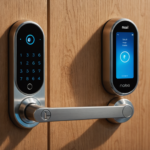
| Electronic or Smart Lock | Operates with a code or smartphone app | Check if the app can unlock the door or reset the lock using the keypad |
Additionally, assess the environment for any potential hazards. If it’s late at night or you’re in an unfamiliar area, prioritize your personal safety. Look for well-lit areas, or consider waiting in a safe location until help arrives.
In some scenarios, you might realize that professional intervention is necessary. Recognize the limits of your capability; if there’s any risk of damaging the lock or door, it might be wiser to call a locksmith.
By thoroughly evaluating the situation, you position yourself to make informed decisions that effectively address the lockout without unnecessary stress or expense.
Contacting a locksmith

Finding yourself locked out can be stressful, but contacting a locksmith can provide a swift solution to your predicament. Here’s a step-by-step guide on the process of hiring a locksmith.
- Research and Identification:
- Use a smartphone or ask a neighbor if you don’t have internet access. Look for locksmiths in your area by searching online or using directories.
- Identify licensed and reputable locksmith services. Check for online reviews and ratings to ensure they have a good reputation.
- Verify Credentials:
- Ensure the locksmith is properly licensed, insured, and certified. This can usually be validated on their website or by making a phone call.
- Ask for identification and credentials upon their arrival. A legitimate locksmith should be willing to show proof of their credentials.
- Request a Quote:
- Before the locksmith arrives, request an estimate of the potential cost over the phone, including any service call fees.
- Upon arrival, ask for a written estimate that covers all fees before they begin work.
- Clarify the Service:
- Explain your lockout situation and what type of lock is involved to ensure the locksmith has the necessary tools and expertise.
- Inquire about the methods they will use to avoid unnecessary damage to your lock or door.
- Confirm Pricing and Proceed with Caution:
- Agree on the price and ensure it aligns with the previously received quote to avoid unexpected charges.
- Be wary of locksmiths who unexpectedly increase the price or suggest drilling the lock when it’s not necessary—as this can lead to additional replacement costs.
- Post-Service Verification:
- After resolving the lockout, test your lock thoroughly to ensure it works correctly.
- Keep the receipt and a record of the transaction for future reference, in case you need follow-up service or further explanation of charges.
By following these steps, you can ensure that you engage a professional locksmith service efficiently and protect yourself from untrustworthy providers. Always prioritize safety and transparency during these interactions.
Exploring DIY options
When faced with the frustration of being locked out, exploring do-it-yourself (DIY) solutions can be a cost-effective and rewarding approach, provided that you feel confident and safe in tackling the issue on your own. The key is to consider potential solutions carefully and ensure they match the type of lock and environment at hand.
Starting with a doorknob lock, there are several simple tools that may prove helpful. A sturdy credit card or laminated card can sometimes be used on a spring bolt lock by applying gentle pressure at the angle of the door. Slide the card between the door frame and the lock, and angle it towards the latch. It’s important to use a smooth, steady motion to avoid damaging the card or the lock. Be mindful, though, that this method is effective primarily on locks without deadbolts and may not work on more robust security systems.
For those armed with a standard bobby pin or paperclip, the classic lock-picking method may come into play for traditional keyhole locks. Bend the bobby pin into an L-shape and use it to manipulate the pins inside the lock. This method requires patience and a bit of trial and error but can be gratifying if done successfully. It’s a good practice to familiarize yourself with the anatomy of a basic lock before attempting this method.
In some scenarios, especially where privacy locks on interior doors are concerned, a simple screwdriver or similar tool may suffice. Often, these locks have a small hole in the center that allows for emergency unlocking. Insert the screwdriver into the hole and twist or push until you feel the lock give way.
While exploring these options, use caution to prevent any damage to your locks or property, which could result in more expense than savings. For electronic or smart locks, consult your user manual, as these often include emergency bypass options or reset procedures. Some locks might allow remote unlocking via an app, providing a straightforward solution without the need for physical intervention.
Remember, knowing your limits is essential. If the lock refuses to budge, it’s better to call a professional than to risk exacerbating the issue. By empowering yourself with the knowledge and tactics for DIY unlocking, you can approach future lockout situations with enhanced confidence and independence. Whether successful or not, the attempt may offer valuable insights for keeping yourself and your abode secure.
Preventing future lockouts
One of the most effective strategies to deal with lockouts is to implement proactive measures aimed at preventing them altogether. With a little foresight and preparation, you can greatly reduce the likelihood of finding yourself stuck outside your home, vehicle, or office unexpectedly.
Start by adopting the habit of always checking for your keys before leaving any space. Designate a specific location in your home for your keys – whether that be a bowl near the entrance, a hook by the door, or a drawer in your entryway – so you’ll know exactly where to look. Making this a routine not only helps ensure that you always have your keys on you but also saves the precious minutes spent searching for them when you’re running late.
Consider investing in a smart lock system, which can be a game-changer if you’re prone to misplacing physical keys. Modern smart locks offer keyless entry through smartphones or keypads, significantly lowering the risk of lockouts. Remember to keep your smartphone charged, and if your lock system relies on a numeric code, memorize it well.
Having duplicate keys is another straightforward preventive measure. Keep spare keys in reliable places or give them to trusted neighbors, friends, or family members for emergency use. Make sure these are individuals who are often nearby or will be available when needed. A well-hidden outdoor key, placed in a discrete and secure location, can also serve as a last-resort backup—just ensure it’s not easily discoverable by those who might have bad intentions.
Additionally, consider signing up for emergency lockout services, many of which offer membership plans providing fast assistance, often at reduced rates. Evaluate your options carefully to select a service that is reputable and responsive.
Being informed is crucial. Familiarize yourself with the specific locking mechanisms that secure your entry points. Understanding how your household locks operate will arm you with the knowledge to handle minor problems before they escalate into full-blown lockouts. Regular maintenance, such as lubricating locks and ensuring alignments are correct, also helps to keep your locks functioning smoothly.
Ultimately, by taking these preventative steps seriously, you can drastically minimize stressful lockout incidents. Developing a routine, investing in technology, and planning for emergencies all contribute to a more secure living environment and a profound peace of mind.
Important safety tips
When dealing with lockouts, your safety should always come first. During a lockout, remain calm and think clearly, particularly when handling unfamiliar locks or tools. Always assess your surroundings and ensure you are not in a vulnerable situation before proceeding, especially if you’re outside your home or vehicle in an open area. If it’s dark, try to stay in well-lit areas or near public spaces for visibility, and never hesitate to call a friend, family member, or professional for company or assistance if you feel uneasy.
When approaching DIY unlocking methods, use caution to avoid injury. Improper handling of tools could result in scrapes or cuts, so ensure you know how to appropriately use any implements you pick up. If using a credit card, bobby pin, or any other tool, always be aware of your fingers’ proximity to sharp edges or surfaces to avoid inadvertent harm. If possible, wear gloves to both protect your hands and provide better grip.
When it comes to selecting professional help, verify that your locksmith is reputable before they arrive. Ensure they provide identification and credentials, and confirm pricing beforehand to guard against any potential scams. Feeling uneasy about a service provider should serve as a clear signal to reconsider, and perhaps consult another professional.
Secure both you and your property by remaining discerning about who has key access or knowledge of your security measures. Take proactive steps to change locks or update entry codes immediately if there is any reason to suspect misuse or unauthorized access, maintaining your safety as the overarching priority in any lock-out experience.
In conclusion, while lockouts can be an inconvenience, they can also serve as an opportunity to assess your preparedness and security measures. By evaluating each situation thoughtfully, whether engaging a trustworthy locksmith, trying a DIY method, or implementing preventive strategies, you can navigate lockouts with less stress and more control. Remembering to prioritize safety, stay informed, and plan for future contingencies will not only resolve immediate issues but will also enhance your overall peace of mind and security.