Energy efficiency in window treatments is a crucial aspect of home design, as it not only contributes to reducing utility bills but also enhances overall comfort within the living space. Achieving energy efficiency through window treatments involves minimizing heat transfer between the interior and exterior environments, which can significantly affect heating and cooling demands.
The principles of energy efficiency in window treatments rely on understanding the mechanisms of heat gain and loss. During the colder months, heat escapes through windows, necessitating more energy for heating. Conversely, in warmer months, windows can allow excessive heat to enter, increasing the need for air conditioning. Effective window treatments can serve as a barrier against these unwanted heat transfers.
Various factors determine the energy efficiency of window treatments:
- U-value: This measures how well a window treatment prevents heat from escaping. A lower U-value indicates better insulation properties, meaning the treatment is more effective at reducing heat loss during cold weather.
- Solar Heat Gain Coefficient (SHGC): This value assesses how well a window treatment can block heat from sunlight. A lower SHGC is preferable in warm climates as it indicates the treatment can better reduce cooling loads by minimizing interior heat gain from the sun.
- Visible Transmittance (VT): This refers to the amount of visible light transmitted through a window treatment. While low VT reduces glare and solar heat gain, it also results in darker interiors, which may impact lighting needs and overall ambiance.
The following table compares different window treatments based on their energy efficiency characteristics:
| Treatment Type | U-value | SHGC | VT |
| Insulating Curtains | Low | Moderate | Low to Moderate |
| Cellular Shades | Very Low | Low | Moderate |
| Window Films | Moderate | Low to Moderate | High |
| Blinds | Moderate | Variable | High |
Implementing the right window treatment, tailored to specific climatic conditions and architectural elements of a home, can significantly enhance its energy performance. Understanding these efficiency metrics allows homeowners to make informed decisions that align with their environmental and aesthetic goals, ultimately leading to a sustainable living environment.
Insulating curtains and drapes
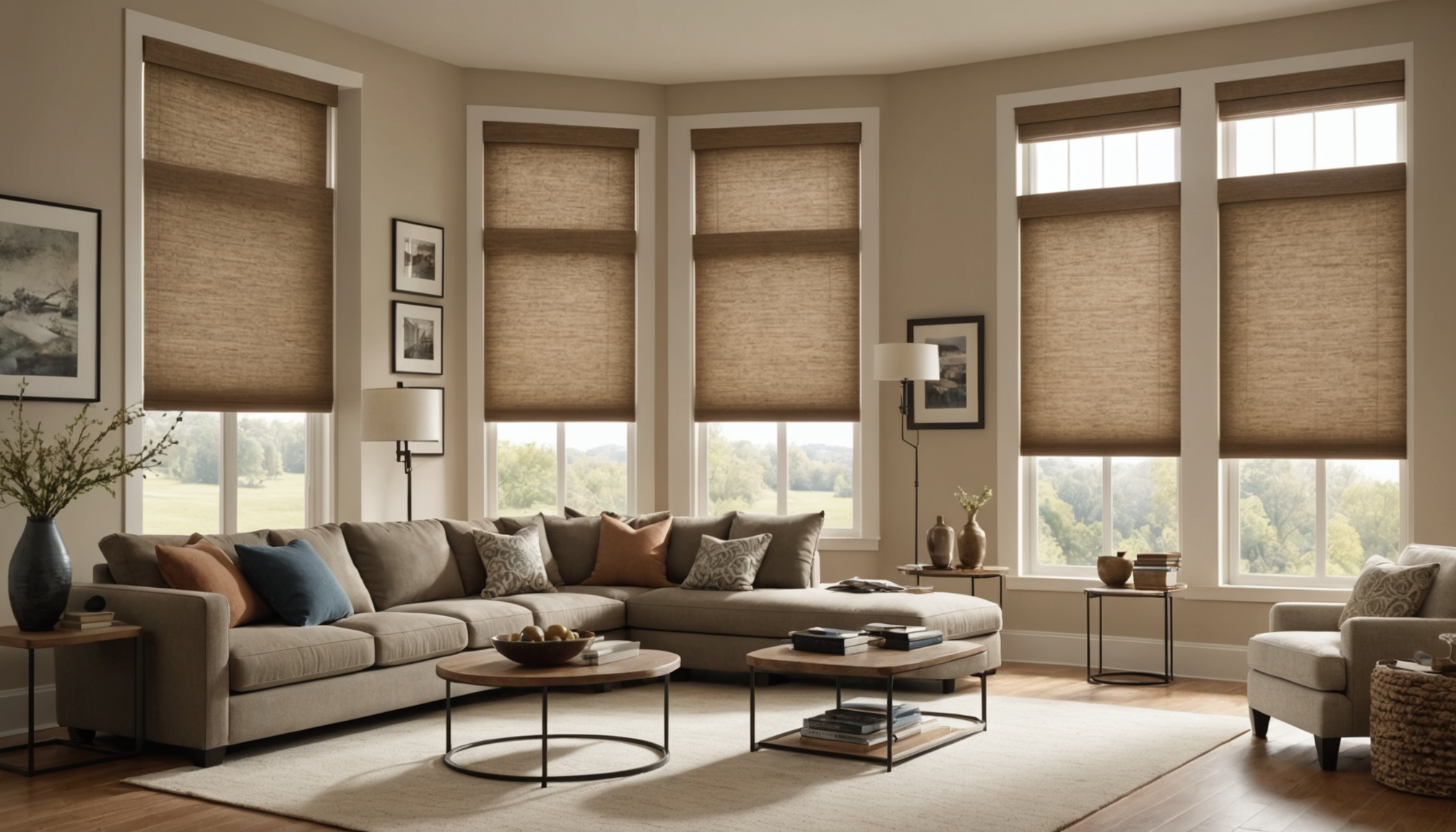 When selecting insulating curtains and drapes, several features and techniques can maximize their energy-saving potential. Here’s how you can enhance the energy efficiency of your home with these window treatments:
1. Choose the Right Fabric and Lining:
– Heavy Fabrics: Opt for drapes made of thick materials such as velvet, wool, or synthetic polyester blends. These fabrics have natural insulating properties that help reduce heat loss in the winter and heat gain in the summer.
– Thermal Linings: Enhance the insulation of your curtains by adding a thermal lining. These linings are specifically designed to prevent heat exchange, creating a more effective barrier.
2. Assess the Fit and Installation:
– Snug Fit: Ensure that curtains fit tightly against the wall and window frame, minimizing gaps where air could escape or enter.
– Floor-Length Drapes: Consider floor-to-ceiling drapes that fully cover the window and even extend a few inches beyond the window frame on each side. This design reduces drafts and stops heat transfer around the edges.
3. Layering for Enhanced Insulation:
– Double-Layered Curtains: Use double-layered curtains, combining a decorative fabric with a thicker, thermal backing. The air gap between the two layers acts as an insulating cushion.
– Utilize Blinds in Combination: Pair drapes with energy-efficient blinds, allowing them to be drawn for additional insulation during extreme weather.
4. Color and Texture Considerations:
– Reflective Colors: In warmer climates, choose lighter colors or those with reflective surfaces to better deflect heat from the sun.
– Textural Variety: Fabrics with a tight weave and heavier texture can add an additional layer of insulation, contributing to the overall energy savings.
5. Seasonal Adjustments:
– Winter Strategy: Keep curtains open during sunny days to allow natural solar heat to warm your home, then close them at night to retain warmth.
– Summer Strategy: Close curtains during the hottest part of the day to keep indoor spaces cool, especially in south and west-facing rooms.
6. Maintenance for Longevity and Efficiency:
– Regular Cleaning: Dust and dirt can diminish the insulating properties of curtains and drapes. Regularly clean them according to the manufacturer’s instructions.
– Inspect and Repair: Periodically check for and repair any damage such as tears or sagging linings to maintain their efficiency.
By thoughtfully selecting and using insulating curtains and drapes, you effectively create a more comfortable and energy-efficient home environment. Implement these strategies to maximize the benefits and enjoy a moderate indoor climate year-round with reduced energy costs.
Blinds and shades for optimal heat control
Blinds and shades play a pivotal role in managing indoor temperatures, offering a versatile and effective way to achieve optimal heat control in your home. These window treatments are uniquely suited to adapt to seasonal changes and daily weather fluctuations, making them a favorite choice for homeowners keen on enhancing energy efficiency.
Primarily, the adjustable nature of blinds and shades allows for precise control over light and heat entry. By simply adjusting the slats of blinds, you can regulate the amount of sunlight that streams into a room, thus reducing heat during peak daylight hours. This capability helps to minimize the reliance on air conditioning systems, leading to significant energy savings. Moreover, advanced materials used in modern blinds, like composite wood or PVC, reflect sunlight effectively, aiding in keeping indoor temperatures stable.
Shades, especially cellular or honeycomb styles, are particularly renowned for their insulating properties. The unique design of cellular shades, characterized by air pockets, creates a barrier that traps air, effectively reducing heat transfer through windows. This design not only helps in maintaining warmth during the colder months but also keeps interiors cool when temperatures soar. Such thermal efficiency means less energy is needed for heating and cooling, providing both ecological and economic benefits.
For those seeking the dual benefit of style and function, consider the introduction of layered window treatments. Combining shades with drapery or sheer curtains adds aesthetic appeal while ensuring multiple layers of insulation, thus enhancing thermal efficiency. Moreover, fabric choices for shades such as blackout materials can further prevent heat gain and provide privacy and light control, making them an ideal choice for bedrooms or media rooms.
Incorporating motorization with blinds and shades can bring additional advantages. Automated systems allow for scheduled adjustments based on the time of day or sunlight levels, optimizing energy use without requiring manual intervention. This smart integration not only boosts convenience but also contributes to a sustainable home environment through precise energy management.
Ultimately, the dynamic functionality of blinds and shades provides a simple yet sophisticated solution to maximize energy efficiency. By choosing styles and materials that align with your specific climate needs and personal preferences, you can enjoy enhanced comfort and notable energy savings throughout the year.
Benefits of window films
Window films offer a highly beneficial solution for enhancing the energy efficiency of your home. Acting as an additional layer of protection, these films can significantly improve window performance without the need for a complete window replacement. By effectively blocking solar heat and harmful UV rays, window films help maintain a stable indoor temperature while safeguarding your interior furnishings from fading.
One of the primary advantages of window films is their ability to reduce solar heat gain. During hot summer months, they can reject a substantial percentage of infrared light, responsible for the majority of heat build-up within the home. This reduction directly translates to lower cooling demands and energy consumption, providing a tangible decrease in monthly utility bills. In colder climates, window films can prevent heat loss by reflecting interior warmth back into the room, ensuring that heating systems operate more efficiently.
Equally important is the role window films play in protecting your home from ultraviolet light. UV rays can cause significant damage to furniture, flooring, and artwork over time, leading to costly repairs and replacements. By filtering out up to 99% of UV radiation, window films preserve the integrity and longevity of your interior décor while also offering additional protection for your skin against prolonged exposure indoors.
In terms of comfort, window films contribute to a consistent temperature throughout your living spaces, minimizing the hot and cold spots often caused by direct sunlight or drafty windows. This thermal balance not only enhances comfort but also allows for more effective climate control, reducing the strain on HVAC systems. Moreover, certain films are designed with glare-reducing properties, ensuring that rooms remain brightly lit without the discomfort of harsh reflections on screens and surfaces.
Window films can also increase safety and privacy within your home. Specialized films can hold shattered glass together in the event of accidental breakage or burglaries, reducing the risk of injury and deterring unauthorized entry. Additionally, privacy films obscure the view from outside, offering discretion without compromising on natural light.
Maintenance of window films is straightforward, typically involving simple cleaning with gentle solutions and microfiber cloths to maintain their clarity and performance. Given their long lifespan and ease of application, window films are a cost-effective choice for homeowners looking to bolster energy efficiency with minimal effort and expense.
By incorporating window films into your home’s design, you create an effective barrier against unwanted heat and light, while simultaneously protecting and beautifying your living environment. Embrace this efficient and elegant solution for a more sustainable lifestyle that aligns with both ecological and aesthetic priorities.
Smart technology for dynamic window coverings
Incorporating smart technology into your window coverings offers a modern approach to elevating energy efficiency and convenience in your home. Smart window treatments, such as motorized blinds, shades, and curtains, provide automated control over light, heat, and privacy, all from the touch of a button or even hands-free voice commands through integration with smart home ecosystems like Alexa or Google Assistant.
The most significant benefit of smart window coverings is their ability to optimize energy use by adjusting based on real-time conditions and pre-set schedules. For instance, in the winter, they can be programmed to open during the day to allow sunlight in, helping to warm your home naturally. Then, they close at sunset to trap that heat inside, reducing reliance on heating systems. During the summer, the reverse can happen, with coverings automatically closing during peak sun hours to keep spaces cool and lessen the load on air conditioning units.
Smart sensors and climate control integration allow these window treatments to respond dynamically to changes in temperature, sunlight, or even occupancy. By intelligently managing when to insulate and when to allow solar gain, these systems contribute to more consistent indoor climates and reduced energy expenses. Additionally, geo-fencing technology can detect when you are approaching or leaving home, adjusting the window coverings accordingly to further enhance efficiency and comfort.
Beyond energy savings, smart window treatments provide significant lifestyle enhancements. Their seamless operation—from remote management through smartphone apps to integration with automated home routines—adds an unsurpassed level of convenience and flexibility. Imagine waking up to a natural light simulation as your shades gradually open in the morning, or setting a “movie time” routine where your blinds close while dimming ambient lighting, creating the perfect setting effortlessly.
Furthermore, these systems often come with enhanced security and privacy features. Automated scheduling can create the illusion of occupancy when you are away, providing an additional deterrent against potential intruders. Privacy settings can be easily adjusted to ensure your home remains shielded from outside view without sacrificing natural light, a balance that classic manual treatments can struggle to maintain.
Installation and maintenance of smart window treatments are typically straightforward, with many systems designed to retrofit onto existing hardware or offered through professional installation for a precise fit and setup. As smart home technologies continue to evolve, the compatibility and capabilities of smart window coverings are only set to expand, offering endless possibilities to enhance home living environments.
In conclusion, adopting energy-efficient window treatments is a strategic approach to reducing energy consumption, enhancing indoor comfort, and contributing to a sustainable lifestyle. From insulating curtains that provide superior thermal protection to smart technology that optimizes energy use, these solutions not only lower utility costs but also add convenience and style to your home. By carefully selecting window treatments tailored to your climate and personal preferences, you can create an eco-friendly and aesthetically pleasing environment. Embrace these innovative ideas to transform your living spaces into energy-efficient havens that align with modern sustainability goals.