Regular cleaning is a crucial part of maintaining your driveway, ensuring its longevity and pristine appearance. A clean driveway not only enhances the curb appeal of your home but also prevents further damage caused by dirt and debris accumulation. Just as you wouldn’t neglect your plumbing, ignoring driveway maintenance can lead to costly repairs down the line.
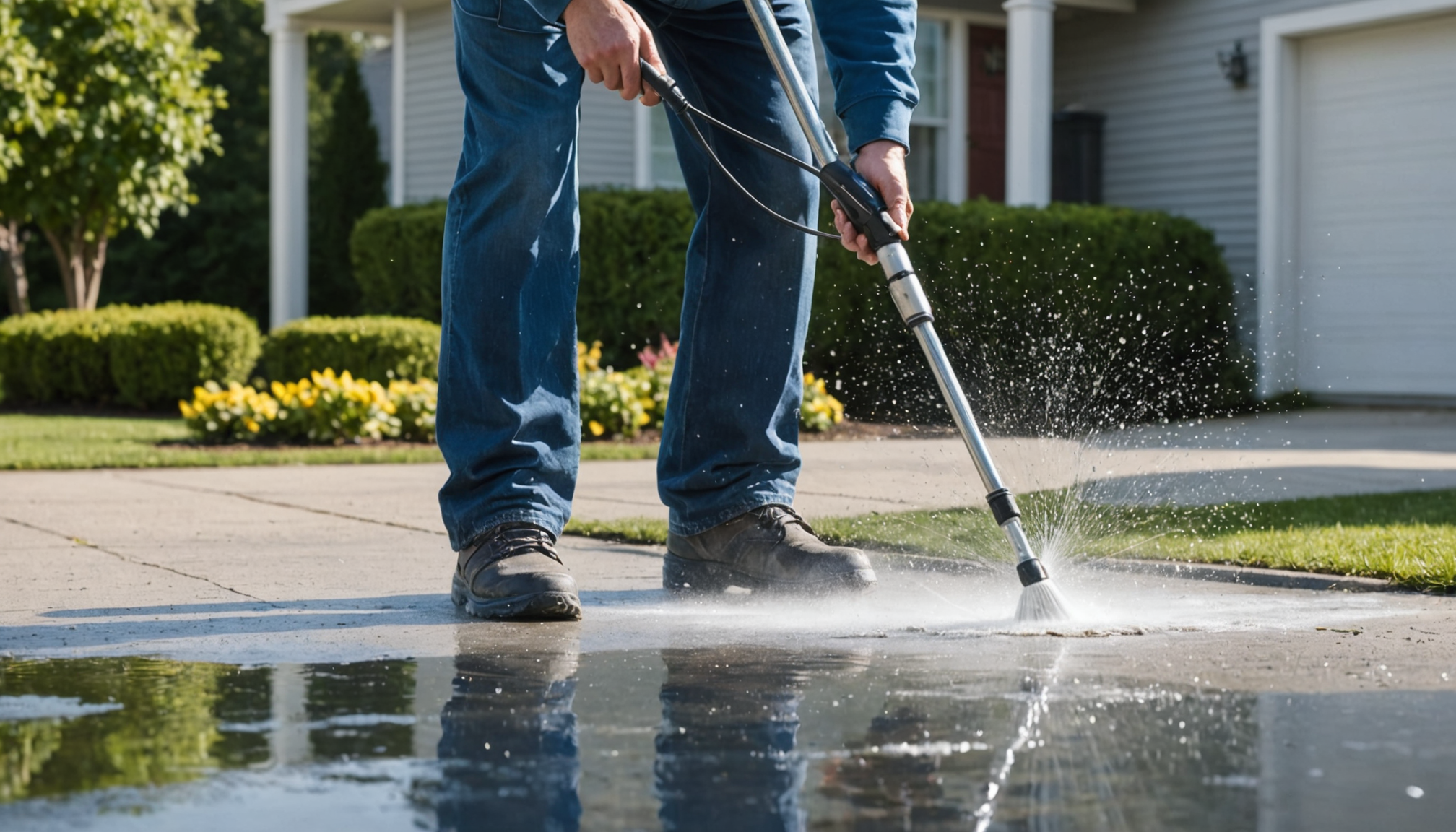
Begin by removing any loose debris such as leaves, sticks, and dirt, which can hold moisture against the surface and lead to damage over time. Utilize a high-pressure water hose or a power washer to effectively clear the dirt, grime, and possible oil stains that may accumulate on the driveway. This practice should be done periodically, as neglecting it might start trends of erosion and staining from harsh substances like oil and automotive fluids.
For stubborn stains, particularly those caused by oil or grease, apply a dedicated driveway cleaning solution. Allow the solution to soak for a few minutes before scrubbing it with a stiff-bristled brush to dislodge and lift the stain. Rinse thoroughly to remove all residues, keeping in mind that a clear and clean surface is essential for when sealing or repairing any cracks.
Comparing different cleaning methods can help you choose the most effective one for your specific driveway material:
| Cleaning Method | Pros | Cons |
| Power Washing | Highly effective for deep cleaning, fast. | Potential to damage the surface if not used properly. |
| Eco-friendly Cleaners | Safe for family and environment, reduces chemical buildup. | May require more effort for stubborn stains. |
| Manual Scrubbing | Cost-effective, detailed cleaning. | Time-consuming, physically demanding. |
Another important aspect to consider is the frequency of cleaning. Weather patterns, such as high rainfall or snow, can influence how often your driveway needs attention. In areas with heavy rainfall, creating a regular cleaning schedule can prevent water-pooling areas that might lead to cracks or weed growth. Properly maintaining your driveway ensures that your family’s home environment remains welcoming, reflecting your care and attention to detail.
Repairing cracks
 Cracks in a driveway not only mar its appearance but can also lead to more significant issues if left unattended. Repairing these imperfections promptly will maintain the integrity of the surface and save you from more extensive repairs in the future. Here’s how you can effectively tackle driveway cracks:
-
Assess the Damage:
First, conduct a thorough inspection of your driveway to evaluate the number and size of the cracks. Use chalk to mark significant cracks as you proceed. This will help you better plan the materials and time required for repairs. -
Gather the Necessary Materials:
Depending on the size of the cracks, you’ll need materials such as crack filler, a trowel, a wire brush, and a hose or a broom to clean the area. For larger cracks, you might need a patching compound or an asphalt resurfacer. -
Clean the Cracks:
Begin by clearing out any dirt, loose debris, or weeds inside the cracks using a wire brush or a high-pressure hose. Ensure that the crack is completely free of any substances that could prevent the filler from adhering properly. -
Fill the Cracks:
For small hairline cracks, a liquid crack filler may suffice. Pour the filler slowly along the crack, allowing it to sink in before adding more. For wider cracks, pour in patching compound or a concrete mixture. Use a trowel to press the filler into the crack, smoothing it out until it is level with the rest of the driveway surface. -
Allow the Repair to Cure:
After applying the filler or patching compound, let it cure as per the manufacturer’s instructions. This step is crucial for ensuring a durable repair and preventing future trends of cracking in the same spots. -
Seal the Surface:
Once the filler has completely cured, consider sealing your driveway to provide an additional layer of protection. This not only enhances the overall look but also protects against moisture, oil stains, and natural wear and tear.
Taking quick action to repair driveway cracks enhances your home’s curb appeal and prevents more significant, costlier repairs in the future. Additionally, maintaining a smooth driveway surface contributes to the safety of vehicles and pedestrians. Integrating these steps into your routine driveway upkeep will ensure it remains in optimal condition for years to come, reflecting your family’s dedication to maintaining a beautiful and functional home environment.
Sealing the surface
Applying a sealant to your driveway can be likened to wrapping it in a protective shield, ensuring the surface remains resistant to damage and wear over time. One of the primary benefits of sealing the driveway surface is safeguarding it from the detrimental effects of water penetration, which can creep into cracks and fissures, leading eventually to more extensive cracking and erosion. By providing this waterproof barrier, you can prevent moisture from compromising the integrity of your driveway, thereby avoiding expensive and time-consuming repairs.
Moreover, sealing the surface plays an essential role in protecting against the elements such as UV rays, which can cause fading and deterioration of the surface material. Constant exposure to sunlight without protection can lead to a lifeless, dull appearance and increase the brittleness of the material, making it more susceptible to cracking. A sealant combats these trends by maintaining the vibrancy of your driveway’s color, effectively acting as a sunscreen.
In addition to these protective qualities, a sealed surface offers enhanced resistance to stains from spilled oil, automotive fluids, and other potential contaminants. With cars frequently traversing or parked, there’s always a risk of leaks and spills; sealing helps repel these substances, preventing them from soaking into the porous surface of the driveway. This not only preserves the aesthetic appeal but also simplifies cleaning and maintenance, much like having a protective layer over a kitchen counter that makes spill cleanup a breeze.
The act of sealing also provides a polished, finished look that can instantly elevate the curb appeal of your home. A freshly sealed driveway signifies a well-maintained property, reflecting a level of care that homeowners take in their surroundings—a bit like keeping the plumbing in top condition to ensure everything functions smoothly. Such attention to detail resonates with visitors, leaving a lasting impression of a welcoming home.
To ensure the utmost efficiency, application should be done following the proper guidelines. This includes selecting the appropriate time when weather conditions are favorable—avoiding extreme temperatures and ensuring the surface is dry and clean before applying the sealant. This prepares it to bond effectively and provide a comprehensive shield against environmental threats.
By incorporating sealing into your standard driveway maintenance routine, you invest in extending the lifespan and beauty of your driveway. It’s a preventative measure with considerable payoffs, sparing you the larger expense and hassle of full-scale repairs or replacements. In essence, sealing is not just an aesthetic choice but a strategic one to keep your driveway in peak condition, reflective of a prudent and forward-thinking home maintenance strategy.
Preventing weed growth
Keeping your driveway free from weeds is a crucial part of maintaining its aesthetics and structural integrity. Weeds can be more than just an eyesore; over time, they can cause significant damage to the surface, leading to potential cracks and erosion. Their roots can burrow deep into the pavement, exploiting small crevices and causing them to expand, much like when water seeps into tiny openings and freezes.
One effective strategy in preventing weeds from taking hold is ensuring that your driveway is properly sealed. Sealing not only offers a barrier against moisture but also makes it difficult for weeds to find the purchase they need to thrive. Regular application of a high-quality sealant every few years creates a hostile environment for weed growth, cutting off access to light and air that encourages their persistent return.
It’s also essential to adopt a proactive approach, consistently removing any weeds as soon as they appear. Manual removal might be labor-intensive, but it is highly effective when done correctly. Use tools like a garden hoe or a crack weeder to pull out weeds, ensuring you remove the entire root, which helps prevent regrowth. If manual removal isn’t feasible, consider using a driveway-safe herbicide to eliminate them. Opt for eco-friendly options where possible to avoid damage to surrounding vegetation and keep your family and pets safe.
Implementing weed barrier techniques during the construction phase can make a marked difference. Installing landscaping fabric or plastic sheets beneath the driveway prevents weed seeds from germinating and sprouting. If you’re not up for a complete overhaul, consider adding a layer of gravel or mulch along the edges, which can serve as a further deterrent to weed growth.
Another often overlooked tactic is maintaining the cleanliness of the driveway edges. Fallen leaves, dirt, and organic debris accumulate over time and create a fertile ground for weeds. Regularly sweeping or blowing away these materials renders the environment less conducive for weeds to grow, aligning with the broader strategy of keeping your driveway neat and well-maintained.
Bear in mind that different climates demand different maintenance routines. In wetter regions, where seeds can gain a foothold more easily, a more rigorous weed management plan might be necessary. Incorporate these practices diligently to keep your driveway free from weed invasion, thus preserving its pristine look and increasing its lifespan. By doing so, you resist negative trends in driveway deterioration and maintain a welcoming entrance to your home, ensuring your efforts in other maintenance areas like sealing and repairing cracks are not undermined by unchecked weed growth.
Weather considerations
When it comes to maintaining your driveway, weather considerations can’t be ignored. Weather conditions have a significant impact on both the lifespan and appearance of your driveway, and understanding how to adapt your maintenance routine can make all the difference.
In colder climates, winter can be particularly challenging. The freeze-thaw cycle can wreak havoc on your driveway’s surface, causing existing cracks to expand and new ones to form. It’s important to inspect your driveway before winter sets in, repairing any cracks or damage that could be exacerbated by freezing temperatures. Additionally, consider using a deicing agent that’s safe for your driveway material to minimize damage from ice. Sand can also be a good alternative for maintaining traction without the corrosive effects of salt.
Conversely, areas prone to intense sunlight and high temperatures can experience different problems. UV rays can cause the surface to fade and become brittle, making it more prone to cracking. Applying a UV-resistant sealant can mitigate these effects, ensuring that your driveway retains its color and integrity over time. On particularly hot days, avoid parking heavy vehicles in one spot for too long, as the heat can soften the surface, leading to indentations.
Rainfall frequency and intensity also play a role in driveway maintenance. In regions with heavy rainfall, proper drainage is crucial to prevent water from pooling. Accumulated water can erode the surface, and if the water freezes, it can cause significant damage. Regularly check and clean gutters and adjacent drainage systems to ensure water flows away from the driveway. In doing so, you’ll prevent potential trends of erosion and maintain the surface’s durability.
For those living in areas with seasonal weather changes, it’s paramount to adjust your maintenance schedules accordingly. In spring, after the thaw, is an excellent time to do an overall inspection and cleaning. Summer might require more frequent sealing, while autumn’s fallen leaves and organic debris need regular removal to prevent staining and mildew.
Understanding the specific challenges posed by your regional climate is integral to maintaining a pristine driveway year-round. By adapting your maintenance routine to address the unique demands of varying weather conditions, you’ll effectively preserve your driveway’s functionality and appearance. Stay proactive, and your driveway will continue to be a safe and appealing extension of your home environment, paralleling the attention you give to other essential systems like plumbing to keep your residence running smoothly.
In conclusion, maintaining your driveway is not merely about enhancing curb appeal, but also about preserving its functionality and extending its lifespan. By integrating cleaning, timely repairs, sealing, weed prevention, and weather-specific maintenance practices, you invest in the optimal condition of your home’s entryway. This holistic approach ensures that your driveway remains a reliable and attractive feature, reflecting the care and dedication you put into preserving your family’s home environment.