Windows are often the focal point of a building’s façade, contributing significantly to both interior ambiance and exterior curb appeal. Ensuring that they are well-maintained and aesthetically pleasing not only enhances the overall appearance of your property but can also play a crucial role in energy savings. Choosing the right paint for windows is an essential step in the upkeep process, yet understanding key paint essentials is paramount before embarking on any painting project.
At the heart of any successful window painting project lies understanding the types of paints available, their properties, and their compatibility with different window materials such as wood, vinyl, aluminum, and fiberglass. Each type of window material interacts differently with paint, affecting adhesion, durability, and overall finish. Here’s a brief comparison of different window materials and their compatibility with common types of paint:
| Window Material | Best Paint Type | Considerations |
| Wood | Oil-based or Acrylic | Sealing is crucial to prevent moisture damage. |
| Vinyl | Acrylic | Choose paint labeled for use on plastics to ensure adhesion. |
| Aluminum | Alkyd or Acrylic | Priming is necessary to prevent oxidation. |
| Fiberglass | Acrylic | Check for UV resistance to avoid fading. |
The choice of paint not only affects the longevity of the finish but can also impact how well the windows contribute to energy savings. Paints with insulating properties can help in maintaining indoor temperatures by reflecting sunlight or reducing thermal conductivity, thus aiding in lowering energy bills. Similarly, choosing a color that complements your home’s current landscaping can enhance the aesthetic appeal, potentially increasing the real estate value.
Beyond the type of paint, understanding the importance of other elements such as primers, sealers, and topcoats is integral. Primers are essential for increasing paint adhesion and ensuring a uniform finish, especially on porous surfaces like wood. Sealers are crucial for protecting the paint from moisture and weather damage, particularly in climates with significant temperature variations.
Committing to high-quality materials also ensures reduced maintenance in the long run. Regularly updating and caring for the painted surfaces of windows prevents premature wear, thus maintaining both the aesthetic and functional aspects of windows over time. Investing in the right paint essentials helps in achieving a flawless finish and sustaining it, benefitting both the environment through increased energy efficiency and the property’s real estate value.
Choosing the right paint for your windows
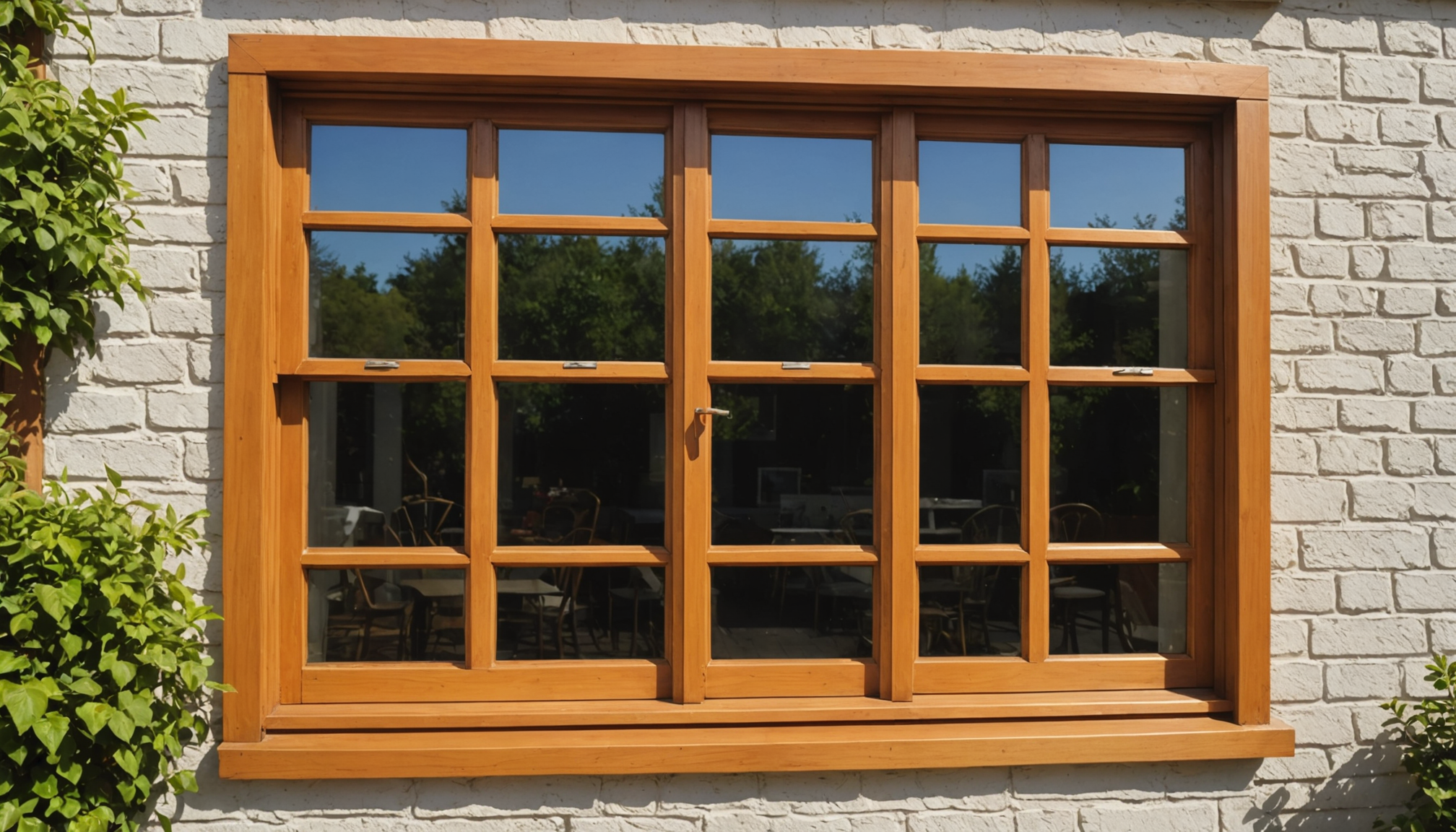 When it comes to selecting the right paint for your windows, several factors need careful consideration. Understanding these will ensure that not only does the paint adhere properly and look great, but it also maximizes energy efficiency and maintains its appeal over time. Here’s a guide to help you make an informed choice:
1. Evaluate the Surface Material:
– Begin by identifying the material of your windows. Each type—wood, vinyl, aluminum, or fiberglass—has specific paint requirements, and selecting the right type is crucial for adhesion and durability.
2. Consider Climate and Environmental Factors:
– Evaluate the local climate and environmental conditions your windows will face. For example, if you live in an area with high humidity or extreme temperatures, choose paints that offer moisture resistance and UV protection.
3. Pick the Correct Base Type:
– For wooden windows, oil-based paints are excellent for sealing and protection, while acrylic paints are versatile and provide good coverage and flexibility, making them suitable for both indoor and outdoor applications.
– For vinyl and fiberglass, acrylic paints are preferred for their elasticity and ability to move with the substrate without cracking.
– Aluminum windows benefit from alkyd or acrylic paints, often requiring a primer to prevent oxidation and enhance adhesion.
4. Focus on Insulating Properties:
– Certain paints come with additional properties that contribute to energy savings. Look for paints with insulating capabilities that reflect sunlight in hot climates or reduce thermal conductivity in colder regions. This can significantly impact your energy bills by helping maintain indoor temperatures more effectively.
5. Choose Appropriate Colors:
– The color of your paint plays a role in both energy efficiency and aesthetic appeal. Lighter colors tend to reflect heat and are ideal for sunny climates, whereas darker colors absorb heat, which can be beneficial in colder areas. Additionally, make sure the color complements your home’s architecture and landscaping to enhance curb appeal and possibly increase real estate value.
6. Ensure Longevity with Sealers and Topcoats:
– After choosing the paint, don’t overlook the importance of sealers and topcoats. Sealers protect against moisture and weather, whereas topcoats add an additional layer of durability and finish. This final step is vital in preserving the look and feel of your windows over time.
7. Invest in Quality:
– Opting for high-quality paint might incur higher initial costs, but it translates into long-lasting results, reduced maintenance, and potential energy savings. Quality paints resist peeling, chipping, and fading, making them a wise investment for the longevity and functionality of your windows.
Choosing the right paint involves assessing various practicalities and preferences, each contributing to a smooth and effective project. With these considerations in mind, you can achieve a beautiful, energy-efficient finish that stands the test of time.
Preparing windows for a flawless finish
Before the brush strokes commence, achieving a flawless window painting finish relies heavily on meticulous preparation. This stage is foundational, setting the stage for the paint’s durability and overall aesthetic appeal. The following steps are critical to ensuring a pristine result that stands the test of time.
First, it is crucial to thoroughly clean the window surfaces. Whether you’re dealing with dust, dirt, or grime, any residue can significantly hinder paint adhesion, leading to peeling or uneven finishes over time. Use a mixture of mild detergent and water to wash the frames and sashes, then rinse with clean water to eliminate residual soap. Allow them to dry completely before moving on to the next step.
Once clean, inspect the windows for any damage, such as cracks, chips, or rotting in wooden frames. Repair any structural imperfections, as these can compromise the integrity of the paint job and lead to more significant issues down the line. For minor blemishes, use a suitable filler or putty tailored to the window material, ensuring all areas are smooth and flush with the rest of the surface.
Next, move on to sanding the windows. This is a vital step, especially for wooden and previously painted surfaces, as it creates a slightly rougher texture for the new paint to adhere to better. A fine-grit sandpaper is typically ideal for this task, gently abrading the surface without causing damage. Remember to brush away all dust particles post-sanding to avoid any imperfections in the paint application.
After sanding, it’s essential to apply a primer. Primers serve as a binding layer, enhancing paint adhesion while providing an additional seal against moisture. The primer type should be compatible with the paint and window material, whether you’re working on wood, vinyl, or aluminum. Allow the primer to dry thoroughly, following the manufacturer’s recommended drying time for optimal results.
An often-overlooked detail is masking. Carefully tape the glass and surrounding areas to protect them from stray brush strokes. Employ painter’s tape to achieve crisp edges and clean lines, exuding a professional finish. This attention to detail greatly contributes to an aesthetically pleasing outcome.
Lastly, tackle any issues of caulking around the window seams and edges. This step not only ensures that the windows are visually seamless but also enhances their energy efficiency by sealing any gaps that could leak air or moisture.
A flawless painting finish is more than just the paint itself; it’s a culmination of deliberate and thoughtful preparation. By investing the necessary time and effort in these preparatory steps, you are setting the stage for a stunning and enduring transformation that enhances both your home’s energy savings and its overall real estate appeal.
Step-by-step painting guide
Painting your windows is a transformative project that demands attention to detail and adherence to proven techniques. By following a structured approach, you ensure a stunning final product that not only elevates the aesthetics of your home but also offers functional benefits such as energy savings and improved curb appeal.
Start by gathering all necessary materials, including your chosen paint, brushes, painter’s tape, and any additional tools like rollers or sprayers. Having all your supplies ready ensures a smooth process without interruptions. Choose a day with mild weather conditions; extreme temperatures can affect paint application and drying time.
Begin by applying your chosen paint to the windows. Dip your brush or roller into the paint, making sure it’s evenly loaded but not dripping. Start painting from the top of the window frame and work your way down. This technique helps prevent unsightly drips or runs. Maintain even pressure and steady strokes, overlapping slightly with each pass to avoid streaks. If you’re using a sprayer, keep it at a consistent distance from the surface for uniform coverage.
For the trim and detailed areas, switch to a smaller brush that allows for greater precision. Take your time applying paint around corners and edges, as these areas require meticulous attention to avoid uneven spots and ensure a clean finish. Remember to check for any missed spots or drips, addressing them immediately before the paint begins to dry.
Once the first coat is applied, allow it to dry completely, adhering to the drying time recommended by the paint manufacturer. This step is crucial for achieving a durable and professional-looking finish. For a more vibrant color and durable finish, apply a second coat following the same technique. This reapplication enhances the paint’s protective qualities, contributing to the window’s longevity and energy efficiency by sealing surfaces and guarding against weather conditions.
Remove painter’s tape before the paint fully cures to prevent peeling or damaging the edges of your freshly painted windows. Be cautious and gentle during this process to maintain the clean lines you’ve achieved during application.
Finally, clean up your workspace thoroughly. Properly dispose of any used materials and wash your brushes and rollers if you plan on reusing them. A clean workspace not only reflects on the quality of your project but prepares you for any future touch-ups or projects.
By taking the time to execute each step meticulously, you not only enhance your window’s appearance but also its protective and energy-saving properties. Such attention to detail is invaluable, adding real estate value and sync with your home’s landscaping, thereby enhancing its overall charm. By investing in a quality finish, you ensure your windows remain a prominent and admired feature of your home for years to come.
Maintaining your painted windows
Regular maintenance is key to ensuring that your newly painted windows maintain their beauty and functionality over time. One of the first steps is to inspect your windows regularly, preferably every six months. Look for signs of wear or damage such as peeling, cracking, or fading paint. Addressing these issues promptly will significantly extend the life of the paint job and prevent more extensive repairs.
Cleaning your windows carefully is paramount to preserving their aesthetic appeal and longevity. Use a soft cloth or sponge with a mild detergent to remove dirt and grime that could otherwise abrade the paint when left unchecked. Avoid abrasive materials or harsh chemicals, as they can damage the paint surface. Rinse thoroughly with clean water and ensure that the windows are completely dry to prevent mold or mildew buildup.
Applying a fresh layer of protective sealant every few years can further protect the painted surface from the elements. This is especially important in areas prone to extreme weather conditions or intense sunlight. A quality sealant helps resist moisture, UV rays, and temperature fluctuations, thus maintaining the vibrant color and finish of your windows.
Pay attention to the caulking around your windows, as well. Heat, cold, and time can cause it to crack or shrink, compromising not just the aesthetics but also the insulation of the windows. Reseal any edges where the caulk has started to fail to keep your home energy-efficient by minimizing drafts and reducing energy consumption.
Finally, consider the impact of your landscaping on your windows’ painted finish. Trees and bushes should be trimmed back to avoid overgrowth and constant contact with the windows, which can cause physical damage to the paint. Additionally, ensure that irrigation systems do not spray directly onto the windows, as constant exposure to water can erode the paint over time.
By implementing these maintenance tips, you not only protect and enhance the appearance of your windows but also uphold their beneficial attributes such as energy savings and increased real estate value. Regular care translates into long-lasting elegance and functionality, making your efforts in painting truly worthwhile.
In conclusion, painting your windows involves a thoughtful process that marries aesthetic considerations with practical functionality. From choosing the right paint that suits your climate and window material to meticulously preparing surfaces for an enduring finish, each step is crucial. Following this with regular maintenance ensures that your windows remain a vibrant and integral part of your home’s identity, offering both beauty and energy savings over time. By investing in quality materials and diligent care, you enhance your property’s curb appeal and value, achieving a cohesive and attractive exterior that complements your home’s architecture and landscaping.