When embarking on a bedroom remodel, one of the most crucial aspects to consider is maximizing space and functionality. Ensuring that every square foot is utilized effectively not only enhances the aesthetics of your sleeping sanctuary but also improves its practicality for daily living. Whether you’re working with a compact bedroom or a more generous space, strategic planning is key to achieving a harmonious and efficient environment.
Begin by focusing on the layout. An optimal arrangement of furniture can dramatically improve the flow and usability of a bedroom. Evaluate the current space and identify any underutilized areas, such as corners or alcoves, which can be transformed into functional spots with creative solutions. For instance, installing built-in shelving or corner units can provide much-needed storage without sacrificing valuable floor space.
Consider multifunctional furniture pieces that offer dual benefits. A bed with built-in drawers can significantly reduce the need for additional storage options, freeing up more room for movement. Similarly, wall-mounted foldable desks or Murphy beds can easily adapt to the changing needs of your living space, making them ideal for homes where versatility is paramount.
In addition to furniture, effective organization plays a vital role in maintaining a streamlined bedroom atmosphere. Implementing smart storage solutions such as under-bed storage boxes, vacuum-sealed bags for out-of-season clothes, and vertical shelving can help keep the room tidy and well-organized. This not only makes the bedroom aesthetically pleasing but also ensures ease in accessing what you need without unnecessary clutter.
Lighting is another consideration that impacts both functionality and mood. Integrating layered lighting—consisting of ambient, task, and accent lighting—can create a versatile atmosphere suitable for various activities such as reading, dressing, or unwinding. Opt for sleek, space-saving fixtures like recessed lights or mounted sconces to save on space and reduce clutter.
The choice of window treatments also influences space perception. Floor-to-ceiling curtains can create the illusion of taller ceilings, while light-filtering materials allow natural light to expand the room visually. Managing window coverings with convenient controls or motorized systems adds ease of use, particularly when the room is used for activities requiring different lighting environments at different times of the day.
For households where multiple family members use the same bedroom, segregating zones for different activities can foster functionality without feeling cramped. A small desk area for work or study can be delineated from the sleeping area with room dividers or a strategically placed bookshelf. This not only compartmentalizes the bedroom’s functionality but also allows simultaneous usage for various purposes.
The table below compares some common techniques and their impact on maximizing space in a bedroom.
| Techniques | Advantages | Disadvantages |
| Built-in Shelving | Custom fitted, space efficient, reduces clutter | Permanent, may limit room redesigns |
| Multifunctional Furniture | Versatile use, cost-effective | Usually more expensive upfront, may sacrifice style |
| Under-bed Storage | Utilizes unused space, discreet storage | Limited accessibility, restricted to lighter items |
| Layered Lighting | Improves ambiance and functionality | Complex installation and higher maintenance |
Ultimately, the goal of any bedroom remodel should be to create a space that is reflective of your lifestyle and personal needs while being efficient and aesthetically pleasing. Carefully balancing these elements will result in a bedroom that not only meets but exceeds its potential in both form and function.
choosing a color palette
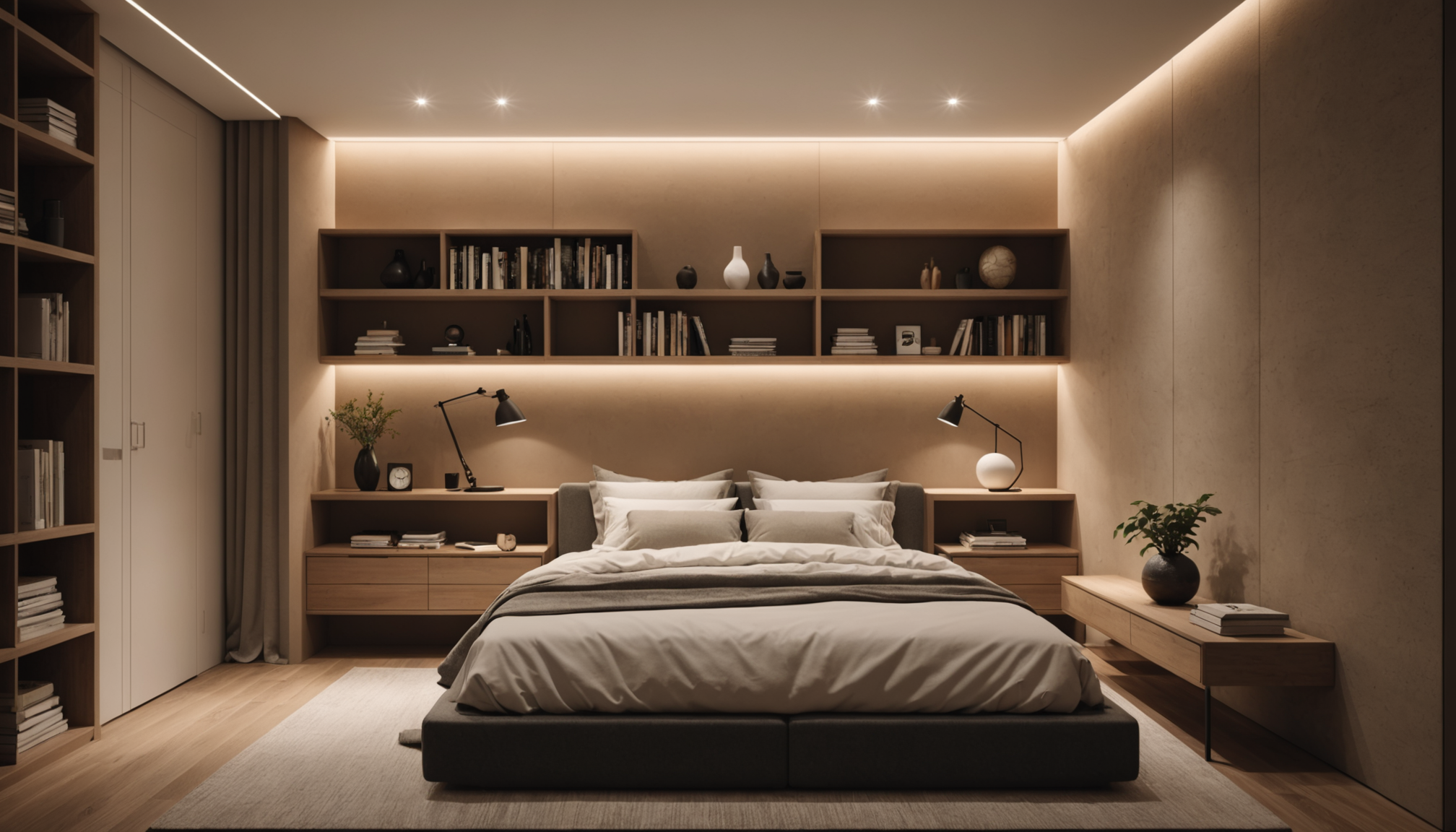 Choosing a color palette for your bedroom remodel is a transformative step that can set the tone for the entire space. The right colors can evoke a sense of calm, make the room appear larger, or even add a touch of modern elegance. Here’s a step-by-step guide to help you select the ideal color palette for your bedroom:
- Assess the Size and Lighting:
Begin by evaluating the size of your bedroom and the amount of natural light it receives. Smaller rooms benefit from lighter shades, which create an illusion of space, while larger rooms can handle darker tones that make the space feel cozier. Consider how artificial lighting will impact these colors in the evening.
- Select a Base Color:
Choose a primary shade that will serve as the foundation of your palette. Neutral tones like soft whites, creams, and light grays provide a versatile backdrop that complements various design styles. For a more dramatic effect, consider deeper hues such as navy or charcoal, especially if the room is spacious and well-lit.
- Incorporate Accent Colors:
Once the base color is established, introduce two or three accent colors to add depth and personality to the room. These could be bolder shades that appear on feature walls, textiles, or artwork. When choosing these accents, consider the emotional impact of colors—blues are calming, while reds add energy.
- Create Harmony with the Home:
Ensure that the chosen color palette harmonizes with the rest of your home, especially if your bedroom is visible from adjacent areas. This ensures a seamless flow throughout your living space. Use complementary colors that resonate with the overall theme of your family’s dwelling.
- Test Samples Before Committing:
Before finalizing your decision, purchase paint samples and apply them to your bedroom walls. Observe how these colors appear at different times of the day under various lighting conditions. This step ensures that you’re satisfied with the choice before investing in the full remodel.
- Consider Textural Elements:
Aside from paint, think about how textiles and materials can influence your color scheme. Bedding, curtains, and rugs in complementary shades or contrasting textures can enhance the room’s aesthetic while tying your color palette together elegantly.
- Plan for Easy Maintenance:
Finally, consider the practicality of maintaining your chosen colors, especially if your family includes young children or pets. Opt for washable paint finishes and durable fabrics that uphold both style and ease of care.
By thoughtfully selecting and applying a color palette, your bedroom remodel will not only improve the visual appeal but also enhance the emotional resonance of the space, creating a personal retreat that truly feels like home.
selecting the right furniture
Selecting the right furniture for your bedroom remodel is a pivotal aspect that can significantly influence both the functionality and aesthetic appeal of the space. The furniture not only needs to complement the size and layout of your room but also align with your lifestyle and personal tastes. Here’s how to make sure your choices are both stylish and practical.
First and foremost, consider the size of your bedroom. It’s important to select furniture that fits well within the space without overwhelming it. For smaller bedrooms, this may mean opting for streamlined designs that maximize floor space while maintaining a sense of openness. In larger bedrooms, you have more flexibility, but it’s still crucial to maintain proportionality to avoid creating a cluttered or cramped look.
Another critical element is choosing furniture that serves multiple functions. Multifunctional pieces are extremely beneficial, especially in family homes where maximizing use and saving on space are often priorities. Consider a bed frame with built-in drawers, or a storage ottoman at the foot of the bed, which can double as a seat or storage unit. These choices reflect a strategic use of space while adding extra utility to your room.
The style and material of the furniture are also key considerations. Ensure that the designs are cohesive with the rest of your home’s décor. Whether you prefer a modern, minimalist style or something more traditional and ornate, maintain consistency with materials and colors to create a harmonious flow from one room to another. When it comes to materials, durability is crucial to ensure longevity and ease of maintenance. Opting for hard-wearing finishes like solid wood or metal can provide a lasting appeal that stands up to regular use.
Additionally, don’t overlook the importance of comfort, particularly in pieces like beds and seating. Given that the bedroom is a sanctuary for relaxation, prioritize ergonomic design and quality materials for maximum comfort. If possible, test furniture before purchasing to ensure it meets your comfort needs.
Beyond functional considerations, personalizing your furniture selections can infuse your bedroom with character. Unique pieces like a vintage nightstand or a handcrafted headboard can add individuality and warmth to the space. This personal touch not only makes the room more inviting but also integrates aspects of your personality into the design.
Finally, be mindful of the lighting setup when placing furniture. Position nightstands and reading chairs near outlets to facilitate easy access to lamps and chargers. This attention to detail can enhance the ambiance and convenience of the room, contributing significantly to a well-rounded remodel.
Overall, selecting the right furniture is about finding a balance between function, style, and personal preference, ensuring your bedroom is a perfect blend of practicality and beauty.
lighting and ambiance
Lighting plays a pivotal role in transforming the ambience of your bedroom during a remodel. It goes beyond mere functionality, setting the mood and enhancing the overall aesthetic appeal. Think carefully about how different types of lighting can serve both decorative and practical purposes in your space.
Start by implementing a layered lighting approach. This system typically includes ambient, task, and accent lighting, each serving distinct functions but working together harmoniously. Ambient lighting serves as the primary source, generally provided by overhead fixtures like flush mounts or chandeliers, creating a base level of illumination. In a family bedroom, it’s crucial that this base lighting be adjustable, so consider installing a dimmer switch to control the brightness according to different activities or times of the day.
Next, focus on task lighting, which is essential for specific activities such as reading in bed or getting dressed. Bedside lamps, wall sconces, or even pendant lights hung on either side of the bed can provide focused light without disturbing the rest of the room’s ambiance. Make sure that each task area is well-lit with options like adjustable arms or swing-arm lamps that can be directed as needed. This kind of lighting is particularly important for fostering a cozy reading nook or facilitating bedtime relaxation rituals.
Accent lighting adds depth and highlights particular features within your bedroom, such as an ornate piece of artwork, architectural details, or a striking headboard. LED strip lights can be subtly placed under floating shelves or behind headboards to create a soft, inviting glow. Don’t forget about the potential of incorporating smart lighting solutions that allow you to change light colors or control the lights from your phone, adding both convenience and high-tech flair to your remodel.
In terms of electrical considerations, ensure that your bedroom lighting setup is properly planned to avoid overloading circuits, especially if you’re adding new fixtures or electronic devices. Consulting with an electrician during the early stages of your remodel is advisable to avoid any potential issues later on.
Finally, let’s not underestimate the influence of natural light in cultivating a welcoming environment. For this reason, consider shear curtains or blinds that allow daylight to filter through, providing warmth and vitality during the daytime. For those who prefer darkness at bedtime, blackout curtains can be a wise investment, offering both privacy and energy efficiency by maintaining the room’s insulation.
By thoughtfully selecting and installing various types of lighting, you’ll create a versatile and inviting space that enhances both the functionality and mood of your bedroom. This aspect of your remodel will not only illuminate your room but also enrich your overall living experience.
adding personal touches
Infusing your bedroom with personal touches is a crucial step in the remodeling process, transforming the space from a mere sleeping area into a true personal sanctuary. This involves carefully selecting décor and accessories that resonate with your personality and lifestyle, allowing your bedroom to reflect who you are while maintaining functionality and comfort.
Consider starting with artwork or personal photos that evoke warmth and sentiment. Family photos or art pieces that hold special meaning can be arranged in a gallery wall to create a focal point brimming with character. Alternatively, mix personal photographs with favorite artworks to blend personal memories with aesthetic appeal. Charming touches like a vintage mirror or an antique vase can enhance your bedroom’s individuality, creating a blend of old-world romance and modern comfort.
Textiles play a significant role as well. Opt for bedding, throw blankets, and pillows in patterns and textures that speak to your personal style. From luxurious silks to rustic weaves, choosing materials that you find comforting ensures that your bedroom feels inviting and restful. Custom-made upholstered headboards or bespoke bed linens can also inject a sense of uniqueness that’s both tactile and visual.
Books and personal collections are another way to bring a personalized dimension to your bedroom. A small, well-curated bookcase or a floating shelf displaying a few cherished volumes can serve as both décor and a testament to your interests. These elements not only showcase your passion but also invite a sense of serenity as you relax and unwind amidst familiar themes.
Aromas can strongly influence the ambiance of a room, adding an often-overlooked dimension to personalization. Scented candles, essential oil diffusers, or incense sticks can introduce soothing or invigorating scents that echo your preference, whether you’re creating a tranquil retreat or a more energizing environment.
Integrating live plants into your bedroom remodel is another way to add a personal touch, connecting you with nature while purifying the air. Choose plant species that suit your maintenance capabilities and the room’s lighting conditions; succulents require minimal fuss, while leafy varieties like pothos or peace lilies thrive in low-light corners. These green companions lend vibrancy and life to your bedroom refuge.
When adding these personal elements, maintain a mindful balance to avoid clutter, ensuring that the space remains serene and organized. Well-placed storage solutions keep personal items within reach yet out of the way, preserving the room’s orderly and restful vibe.
In sum, enhancing your bedroom with personal touches not only personalizes your remodel but ensures the space feels uniquely yours—a true retreat aligned with your preferences, treasured memories, and individual style. By incorporating thoughtful details that resonate with you, your bedroom will become a harmonious blend of comfort and personal expression, perfect for both rest and inspiration.
In conclusion, remodeling your bedroom involves a multifaceted approach that carefully considers space, color, furniture, lighting, and personal expression. By prioritizing functionality without sacrificing aesthetics, and weaving in personalized elements that resonate on a personal level, you’ll create a sanctuary that’s both elevated and deeply comforting. Whether adapting to the needs of a bustling family or establishing a tranquil retreat, the remodeled bedroom not only supports your daily routines but also serves as a personal oasis of style, serenity, and self-expression.