Designing your landscape vision is where the transformation of your yard truly begins. This pivotal step involves both creativity and practicality, allowing your dreams and aspirations to guide the foundational blueprint of your outdoor paradise. Start by considering the functional aspects of your space—how do you want to use your yard? Whether you’re seeking a tranquil retreat or a lively gathering area, your specific needs should shape every decision you make.
Next, take into account the existing conditions of your yard. Consider the terrain, sun exposure, and soil quality. Observe how light moves through the area throughout the day and across different seasons. Windows of opportunity for planting or remodeling often coincide with particular seasonal changes that influence your decisions. These insights will guide you in determining the best plants and structures for your landscape vision.
It’s also vital to balance your aspirational ideas with a practical maintenance plan. Whether incorporating lush greenery, water features, or hardscapes, think about the time and resources required to upkeep your dream yard. Here’s a crucial comparison to help determine how these elements might align with your vision:
| Landscape Feature | Initial Cost | Maintenance Intensity |
| Water Features (Fountains, Ponds) | Medium to High | High |
| Hardscapes (Paths, Patios) | High | Low |
| Garden Beds (Flower, Vegetable) | Low to Medium | Medium |
| Lawns | Medium | High |
Incorporating diverse features will not only add layers to your design but also dictate how you interact with your yard over the long term. A well-thought-out landscape vision considers balance and harmony, ensuring that your remodeling efforts don’t just look aesthetically pleasing today, but remain sustainable and enjoyable for years to come. Stay flexible, as your needs and desires might shift, necessitating adjustments to your original plan. By starting with a robust vision, you lay the groundwork for a beautiful, functional yard that evolves with you.
Choosing the right plants
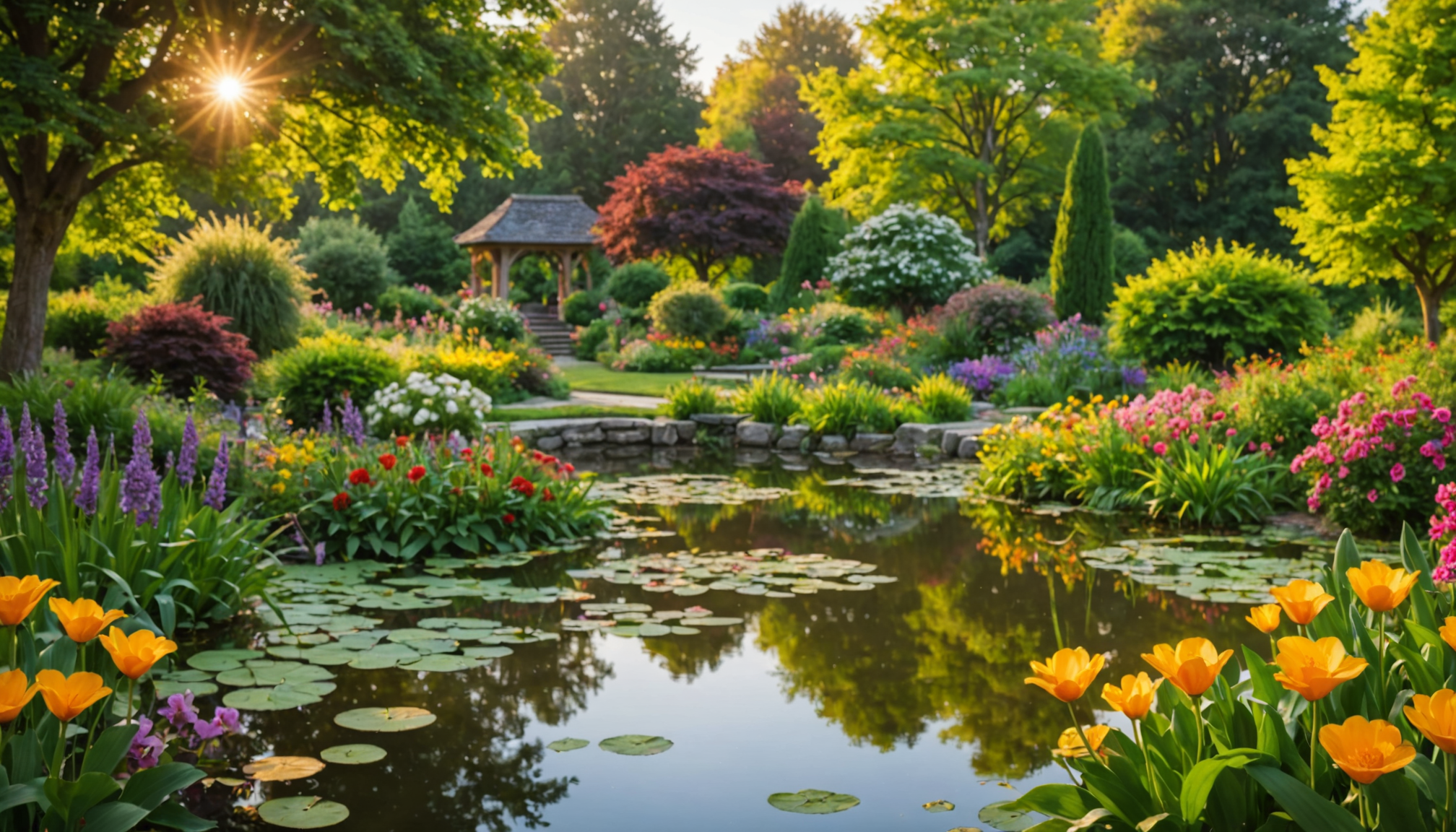 Selecting the right plants for your yard is a critical component of creating a visually appealing and sustainable landscape. This process begins with understanding the specific climate and microclimate zones of your yard. Here’s how you can effectively choose plants that will thrive in your environment:
1. Assess Your Yard’s Conditions:
– Identify the different zones in your yard, noting areas with full sun, partial shade, and full shade. Observe how sunlight shifts throughout the day and across seasons.
– Take note of your soil type by conducting a simple soil test. Determine if your soil is sandy, clay, or loamy, and note its pH level. This will influence the types of plants that will prosper.
2. Research Appropriate Plant Species:
– Select native plants that are well-adapted to thrive in your local climate conditions, reducing the need for maintenance and watering.
– Consider the mature size of plants to prevent overcrowding and ensure they fit in the space available, both horizontally and vertically.
– Choose a mix of evergreen and deciduous plants to provide year-round interest and color.
3. Plan for Seasonal Color and Interest:
– Incorporate plants that offer different seasonal features, such as blooming flowers in spring and summer, autumn foliage, or winter berries and bark.
– Ensure there is a succession of blooms and interest so that your yard remains vibrant and engaging throughout the year.
4. Think About Functionality:
– Use dense shrubs or hedges to create privacy around your yard.
– Select low-growing plants for borders near paths or patios to emphasize clean lines and open spaces.
– Incorporate plants that double as ground covers to protect the soil and reduce weed growth.
5. Consider Water Needs:
– Group plants with similar water requirements together to optimize irrigation and reduce water waste.
– Use drought-tolerant species in areas that are difficult to water or receive full sun exposure.
– Evaluate the option of installing a rain garden for areas that experience water runoff, choosing plants that thrive in wet conditions.
6. Plan for Pest and Disease Resistance:
– Opt for hardy plant varieties that are resistant to common pests and diseases in your area, reducing the need for chemical treatments.
– Incorporate a diverse array of plant species to create a balanced ecosystem, helping to naturally deter pests.
7. Consult a Local Nursery or Extension Service:
– Seek advice from local experts about plant recommendations and care tips tailored to your specific region and yard conditions.
– Attend workshops or gardening events to stay informed about new plant varieties and sustainable gardening practices.
By carefully selecting the right plants, you ensure that your remodeled yard not only meets your aesthetic goals but also remains manageable and ecologically sound over time. Thoughtful plant choices will enhance the beauty and function of your outdoor space, allowing you to enjoy your revitalized yard in every season.
Incorporating functional elements
Functionality is a significant aspect when remodeling your yard, and incorporating essential elements can profoundly impact the way you experience this outdoor space. These elements can transform your yard into a highly versatile and engaging area, serving various purposes to meet your needs. One of the key features to consider is adding strategically designed patios or decks. These provide a perfect spot for outdoor dining, entertaining, or just relaxing on a sunny afternoon. When planning, ensure the materials complement the overall aesthetics of your home and yard, such as using natural stone for a rustic look or sleek composite decking for a modern touch.
Another important aspect to consider is the inclusion of pathways and walkways. Their primary function is to guide foot traffic and prevent damage to grass and plants. Paths made from gravel, bricks, or stepping stones not only add structure but also enhance the visual flow of your landscape. To optimize functionality, these paths should connect key zones of your yard, like the patio, garden, or a tucked-away bench area for solitary enjoyment.
Lighting is another element that significantly contributes to the usability of your yard. Thoughtful lighting arrangements allow for safe navigation at night and create a warm, inviting atmosphere. Solar-powered lights are a sustainable choice that can illuminate pathways, highlight key features like trees, or cast a soft glow over a seating area. Consider additional task lighting on patios or gazebos to extend your enjoyment of these spaces into the evening hours.
Integrating water features can also enhance the functional and aesthetic appeal of your yard. Be it a bubbling fountain or a tranquil pond, water elements bring movement and sound, fostering a peaceful environment. Not only are they visually appealing, but they can create a natural habitat for local wildlife, promoting biodiversity. Keep in mind the maintenance requirements of these features, as they can range from minimal to quite involved, depending on the complexity of the installation.
Incorporating privacy elements is another crucial step. Use fencing, decorative screens, or dense plantings like hedges to create secluded areas that shield you from neighbors or street view, providing a more intimate experience. For a multi-functional approach, consider planting vertical gardens on fences or walls, adding a green element that saves space and adds beauty.
Lastly, consider areas for storage, such as a garden shed. This addition not only keeps tools and seasonal equipment neatly organized but also frees up space on your patio or in your garage. A well-designed shed that complements the architecture of your home can enhance the yard’s overall look and function.
By thoughtfully incorporating these functional elements, your remodeled yard will become a versatile, enjoyable extension of your living space, seamlessly blending practicality with beauty. This approach ensures that you maximize not only the space but also the seasonal enjoyment and long-term usability of your outdoor sanctuary.
Creating a sustainable garden
Creating a sustainable garden involves thoughtful planning and execution, making sure your yard thrives with minimal impact on the environment. A central principle of sustainable gardening is soil health. Healthy soil serves as the foundation for robust plants, supporting growth without the need for excessive fertilizers. Start by enriching your soil with organic matter such as compost, which improves soil structure, provides nutrients, and encourages beneficial microorganisms.
Water conservation is another key component. Implementing efficient irrigation systems like drip irrigation or soaker hoses minimizes water waste by delivering moisture directly to the root zones. Adding mulch around plants helps retain soil moisture, reducing the need for frequent watering. Also, consider the strategic placement of rain barrels to capture and reuse rainwater, taking advantage of natural precipitation to hydrate your yard.
Selecting native plants is crucial for sustainability. These species are adapted to local conditions, requiring less water and maintenance compared to non-native varieties. They also offer habitat and food for native wildlife, promoting biodiversity. Furthermore, native plants provide seasonal beauty, with blooms and foliage that seamlessly align with your region’s natural cycles, opening up windows of color throughout the year.
Incorporating pollinator-friendly plants supports bees, butterflies, and birds. This not only ensures a vibrant ecosystem but also helps maintain balance in your garden, as many of these species aid in plant reproduction. Opt for a variety of flowering plants that bloom at different times to ensure food availability for pollinators through all seasons.
Set aside a portion of your yard as a wildlife-friendly zone. Avoid pesticides and chemicals in these areas, allowing beneficial insects and microorganisms to thrive and naturally control pests. This space can become a haven for small animals, offering a perfect balance between the structured and wild elements of your garden.
Sustainability also calls for responsible waste management. Composting plant debris and kitchen scraps reduces waste while enriching your soil. A yard that incorporates these practices not only contributes to environmental health but also lessens the burden on landfills.
Finally, think about energy-efficient design when it comes to yard structures and features. Incorporate solar lighting and windbreaks to minimize energy use and create a self-sustaining environment. These energy-smart designs not only reduce your ecological footprint but also result in long-term savings.
By focusing on sustainable practices, your remodeled yard will flourish as a cohesive ecosystem, offering beauty and function while conserving natural resources. Embrace these guidelines to ensure your outdoor sanctuary remains a thriving, resilient space that reflects both your aesthetic vision and commitment to environmental stewardship.
Maintaining your transformed yard
A newly transformed yard requires a thoughtful maintenance strategy to ensure its features continue to flourish and remain functional. Begin by establishing a routine that includes regular mowing, pruning, and weeding to keep your yard looking neat and vibrant. This routine can vary seasonally, so pay attention to the specific needs of your plantings and other elements throughout the year.
Watering should be performed with care, making use of efficient irrigation methods like drip systems that conserve water. Regularly check these systems for clogs and leaks to ensure optimal performance. Adding a fresh layer of mulch each year not only helps retain moisture but also suppresses weed growth and enhances soil warmth during colder months.
As plants mature, consider the changing “windows” of opportunity for pruning and feeding. For instance, certain fruit trees require winter pruning, while many perennials benefit from trimming after blooming. Regularly assess the health of your plants and soil, adjusting care routines as needed to address deficiencies or pest issues. Incorporating organic fertilizers and compost can improve soil quality and plant health, promoting robust growth and reducing the need for chemical interventions.
For hardscape features such as patios, pathways, or fences, routine inspections will help you spot damage or wear early, like loose stones or cracked wood. Quick repairs will prevent minor issues from turning into major problems. Pressure washing can refresh surfaces like decks and pathways, and resealing wood structures will extend their life and beauty.
Embrace proactive pest management by monitoring your yard for signs of common issues like aphids or fungal diseases. Employ natural remedies such as neem oil or introducing beneficial insects to maintain ecological balance without harming the environment.
Additional seasonal tasks include cleaning gutters and checking drainage systems each fall and spring to prevent water damage. Collect fallen leaves for composting, and use colder months to plan any remodels or plantings for the upcoming growing season. Take this time to review your yard’s performance and aesthetics, noting areas that may require adjustments or rejuvenation.
By investing time and effort into regular maintenance, your yard will not only maintain its beauty but also increase in longevity and resilience, making it a sustainable space year after year.
In conclusion, remodeling your yard is an opportunity to transform it into a functional, beautiful, and sustainable space that reflects your style and meets your needs. By designing a thoughtful landscape vision, choosing suitable plants, incorporating functional elements, creating environmental harmony, and committing to regular maintenance, you’ll enjoy your outdoor sanctuary for years to come.