Before embarking on the journey of selecting a restoration company, it is crucial to identify your specific needs. This initial step will guide you in making informed decisions throughout the selection process and ensure that you engage with a service provider capable of meeting your requirements efficiently and effectively.
The first step is to assess the scope of the damage or restoration project you are facing. Whether you’re dealing with water damage from a burst pipe, fire damage after a kitchen mishap, or mold growth due to previous water intrusion, each situation requires a different approach. Understanding the nature and extent of the damage will help you determine which restoration services are necessary.
Consider creating a list that includes:
- The type of damage: fire, water, mold, storm, or another specific kind.
- The severity of the damage: minor, moderate, or extensive.
- The affected areas: entire home, specific rooms, or commercial space.
- Any additional services needed: debris removal, reconstruction, or specialized cleaning.
Once you have a clear picture of the damages, think about any specific requirements you might have. For example, you may need a company that offers emergency services and can respond quickly to prevent further damage. If the property in question is a historical building, you might prioritize finding a company with experience in preserving architectural integrity.
Time constraints should also be factored into your needs assessment. If you have a pressing timeline for completion due to a pending sale, tenancy, or upcoming events, make sure to identify companies that can accommodate your schedule without compromising on quality.
Budget is another critical component to consider. Having a preliminary budget in mind will help you evaluate your options more realistically. It’s important to understand what financial resources are available to you, whether personal savings, insurance coverage, or other financial means.
Finally, consider the type of relationship you want with the restoration company. Do you prefer constant updates and detailed breakdowns of each phase of the project, or would you rather give them the reins with minimal interference? This personal preference will affect your choice and level of satisfaction with the company.
Pinpointing your specific needs is not merely about identifying the type of damage but involves a comprehensive understanding of your personal, financial, and logistical requirements.
researching local options
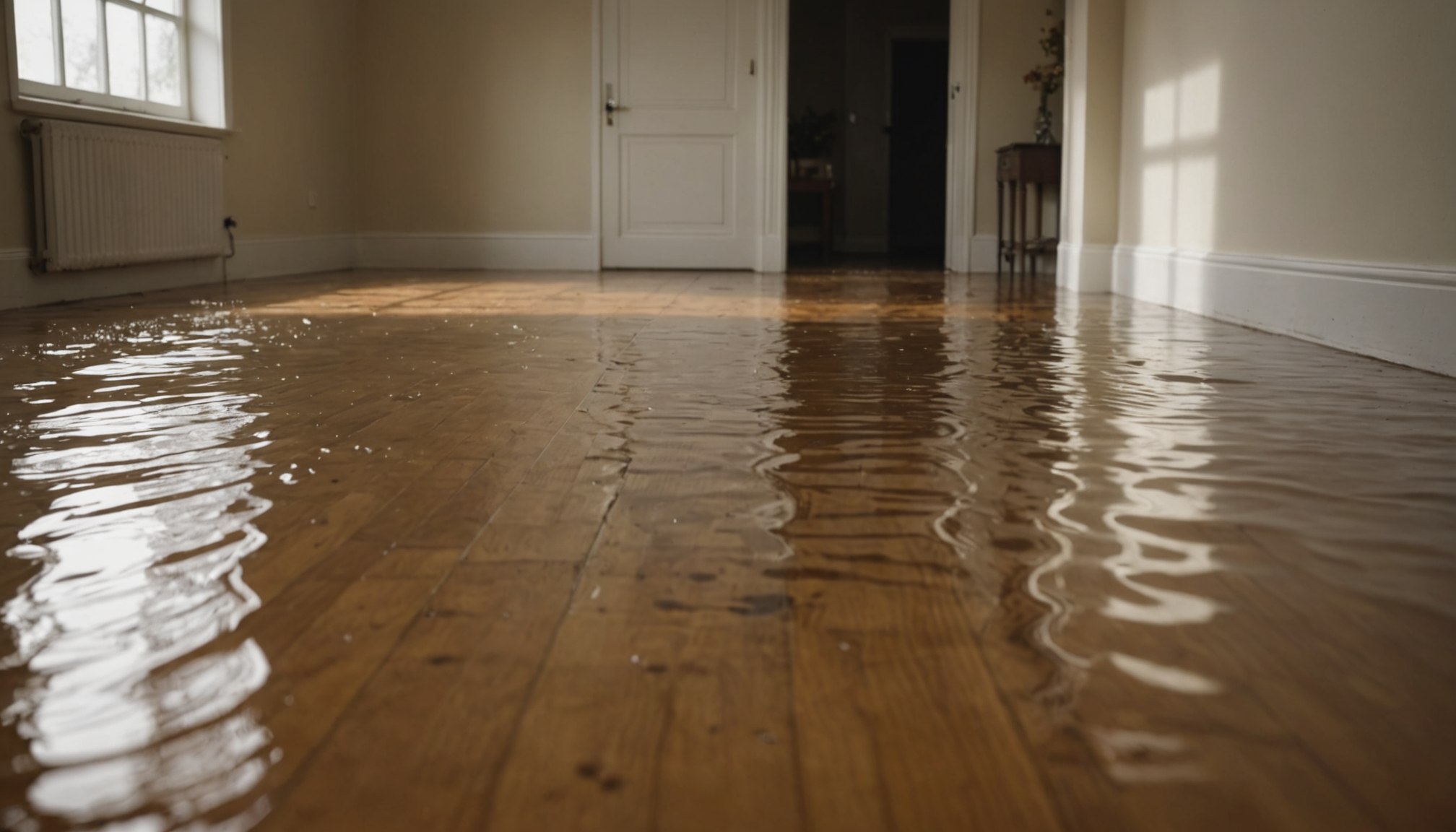 Once you’ve clearly identified your specific needs for restoration, the next step involves conducting thorough research into local restoration companies. This process is essential to ensure that you find a reliable, experienced provider who can address your particular circumstances effectively.
1. Compile a List of Local Companies:
– Start by searching online for restoration companies within your area. Use search engines, online maps, and directories to find businesses that specialize in the type of restoration work you need.
– Utilize local business directories or community bulletin boards to gather information. Local chambers of commerce often have listings of member businesses, including restoration companies.
– Seek recommendations from family, friends, or neighbors who have had restoration work completed in the past. First-hand experiences can provide valuable insights.
2. Visit Company Websites:
– Once you’ve compiled a list, visit each company’s website to gather more detailed information about their services. Look for companies that highlight expertise relevant to your specific needs, whether it’s for water, fire, mold, or storm damage restoration.
– Pay attention to any certifications and partnerships with recognized industry associations, as these can be indicators of reputable service standards.
– Ensure the company offers a full spectrum of services that align with your needs, such as emergency response, reconstruction, and debris cleanup.
3. Contact the Companies Directly:
– Reach out to each company to ask any preliminary questions you have. This initial interaction can give you a sense of their customer service and willingness to assist.
– Inquire specifically about their experience with projects similar to yours and how they typically handle the restoration process.
– Verify the availability and flexibility of their service hours, especially if you require an urgent response or 24/7 availability.
4. Utilize Online Resources:
– Use online platforms, such as Yelp, Angie’s List, or the Better Business Bureau, to check customer reviews and ratings. Reading through customer feedback can reveal consistent patterns in service quality and customer satisfaction.
– Look for reviews that mention similar restoration projects, as these can provide insights into the company’s capabilities and efficiency in handling comparable situations.
5. Check for Licensing and Insurance:
– Ensure each company is properly licensed to operate in your area and carries adequate insurance. This protects both you and the company during the transaction.
– Verifying these details can prevent potential legal and financial surprises later on in the process.
6. Narrow Down Your Options:
– Based on the information collected, narrow your list to a few companies that best match your needs and expectations. Pay close attention to how well each company aligns with your identified requirements, budget constraints, and timeline.
By systematically researching local options, you’ll be well-positioned to make an informed decision and select a restoration company that is fully equipped to address your specific challenges and satisfy your project demands comprehensively.
comparing services and pricing
When you’re ready to make a choice among potential restoration companies, it’s crucial to engage in a detailed comparison of the services and pricing that each company offers. This step is integral to ensuring that you not only receive quality work but also get the best value for your investment.
Begin by requesting detailed quotes or estimates from the companies on your shortlist. These should be itemized and specific, outlining the scope of work, materials required, estimated timelines, and a breakdown of costs. It’s important to understand exactly what you’re paying for and to ensure no hidden fees will surprise you later. This transparency will help you in making an informed financial decision.
Next, examine the range of services each company provides. Some might offer comprehensive restoration packages that include not only the primary work but also additional services like debris removal, mold remediation, or structural repair, while others might focus on just one type of restoration. Understanding the breadth of services on offer can help you determine which company can best address all your needs without having to hire multiple contractors—a potentially more cost-effective approach.
Additionally, compare the companies’ ability to tailor their services to accommodate unique aspects of your project. For instance, if you need a company that can work within a specific time frame due to insurance claims or relocating tenants, company’s flexibility and willingness to adapt to your schedule is a crucial factor. Finding a company that is adaptable can prevent disruptions and ensure a smoother restoration process.
Pricing is an obvious focal point, but quality should never be compromised for cost. While evaluating the quotes, consider the value each company offers: Does their pricing reflect the use of high-quality materials? Are their technicians certified and experienced? How comprehensive are their warranties or guarantees? While it may be tempting to choose the lowest offer, consider the long-term implications of subpar work, which could result in additional costs down the line. Prioritizing quality and reliability alongside cost safeguards your investment and your property’s longevity.
It’s also worth exploring financing options or available payment plans some companies might offer, especially if the restoration project is extensive and insurance coverage is insufficient. This flexibility can make a significant difference in managing your restoration project financially.
Ultimately, the key benefit of this thorough comparison step is that it arms you with all necessary information to make a balanced decision that aligns your budget with your needs. Opting for a company that stands out in both service quality and financial fairness protects you from future issues and ensures that your restoration project is completed to your satisfaction.
evaluating reviews and credentials
When evaluating potential restoration companies, turning your focus toward reviews and credentials is essential to making an informed decision. Reviews and credentials provide insight into a company’s reliability, expertise, and customer service standards, helping you gauge their suitability for your project needs.
Start by diving into online reviews and testimonials. Platforms like Yelp, Angie’s List, and the Better Business Bureau host a wealth of customer feedback. Read through the experiences shared by previous clients, focusing on those with similar restoration needs to yours. Look for consistencies in punctuality, professionalism, and the quality of work provided. While scouring reviews, note any repeated concerns or praises as they indicate the company’s strengths and weaknesses that you might encounter. Remember, a few negative reviews aren’t necessarily a red flag; instead, consider how the company addresses and resolves complaints, as this reflects their commitment to customer satisfaction.
Next, verify the credentials and licenses of the companies you’re considering. Proper credentials ensure that the company operates legally and possesses the necessary expertise for the job. Confirm that the company is licensed in your state and check if they require additional certifications for specialized restoration services. For instance, certifications from the Institute of Inspection, Cleaning, and Restoration Certification (IICRC) or similar organizations indicate adherence to industry standards and practices. These credentials can assure you that the company invests in proper training and maintains professional standards, essential qualities when dealing with complex restoration tasks.
In addition to individual company credentials, look for affiliations with professional organizations or accreditations. Membership in associations like the Restoration Industry Association (RIA) signifies a dedication to ongoing education and industry excellence. Being part of such networks often means the company stays updated with the latest restoration techniques and developments, which can be a significant advantage for your specific restoration project.
While evaluating companies, also consider their insurance coverage. Adequate liability insurance is non-negotiable, as it protects you from being held accountable for any accidents or damages that might occur during the restoration process. Inquire about the extent of their coverage and request copies for your records to ensure complete transparency and security.
Finally, explore opportunities to communicate directly with past clients. Some companies might provide references upon request, allowing you to connect directly with former customers. Speaking with someone who has firsthand experience can offer valuable insights and answer specific questions you might have, offering peace of mind as you make your decision.
By thoroughly assessing reviews and credentials, you ensure that the restoration company you choose has a proven track record of delivering high-quality results and maintaining professional standards—the foundation for a successful restoration project.
understanding the restoration process
Understanding the restoration process is a vital component in selecting an appropriate restoration company, as it allows you to gauge the company’s methodology and determine if it aligns with your expectations and needs. Familiarizing yourself with the steps involved in the restoration process will help set realistic expectations and provide a clearer picture of what to anticipate once the project begins.
The restoration process typically begins with an initial assessment, where the company evaluates the extent of the damage and develops a comprehensive plan for restoration. This stage is crucial as it determines the scope of work and the necessary actions required. The assessment should be detailed, allowing the company to tailor their approach specifically to the situation. It’s also during this phase that they identify any potential challenges or complications that may arise, ensuring they can address them effectively from the outset.
Following the assessment, the restoration process may involve several stages, including mitigation, cleaning, and repair. Mitigation focuses on preventing further damage and may involve actions such as water extraction, boarding up windows, or securing a compromised structure. Cleaning encompasses removing debris, mold remediation, and sanitizing affected areas to ensure safety and hygiene, while repair involves the actual restoration of damaged structures and returning them to their pre-damage condition. Each stage requires specialized tools and expertise, underscoring the importance of choosing a company that is well-equipped and experienced.
It’s essential to inquire about the specific techniques and technologies the company uses during their restoration process, as advancements in the field can offer more efficient and effective solutions. For example, companies that utilize state-of-the-art equipment for drying or employ cutting-edge techniques for mold remediation may offer superior results compared to those using outdated methods.
Additionally, communication throughout the process is a key consideration. A reputable company should maintain clear, ongoing communication, keeping you informed of progress, any adjustments needed, and anticipated timelines. Having open lines of communication assures that you remain involved and reassured, reducing stress and uncertainty.
Finally, the completion of the restoration process should include a final inspection and walkthrough, ensuring all areas meet your expectations and industry standards. The company should seek your feedback and ensure your satisfaction with the finished project while addressing any remaining concerns you might have.
By understanding this intricate process, you can better evaluate potential restoration companies on their ability to carry out these tasks efficiently and competently, ensuring a smoother and more effective restoration journey.
In conclusion, choosing the right restoration company involves a thorough examination of your needs, a detailed analysis of local options, and a careful comparison of services and pricing. By conducting diligent research into reviews and credentials, and gaining a firm understanding of the restoration process, you position yourself to select a company that not only offers expertise but also aligns with your specific requirements and expectations. This thoughtful approach safeguards your investment and ensures the successful restoration of your property with minimal stress and maximum satisfaction.