When embarking on the journey to install a pool in your yard, a comprehensive assessment of your available space and budget presents itself as an imperative first step. The physical attributes of your yard, along with financial limitations, will guide several key decisions and ultimately influence the type and size of the pool you can install.
The first consideration is the amount of usable space in your yard. A thorough evaluation should encompass dimensions, topography, and even sun exposure. Smaller yards may be better suited to compact designs like plunge or spool pools that maximize relaxation without requiring expansive real estate. Conversely, larger yards offer more flexibility, potentially accommodating luxurious setups complete with surrounding patios or landscaping features.
Beyond the physical space, zoning laws and deed restrictions in your locality can impose limitations on pool installation. It’s essential to check with local zoning laws to understand setbacks and fencing requirements, as well as how these might impact your pool’s placement. Additionally, neighborhood deed restrictions might dictate what is allowed aesthetically or structurally in your community.
Your overall budget, another critical component, includes both initial installation costs and ongoing expenses. Costs can vary widely depending on pool type, materials, and features, with considerations for associated infrastructure like decking, patios, and landscaping. A precise budget plan not only helps in making informed decisions but also assists in avoiding unforeseen expenses. Here’s a comparative table to simplify this complex decision-making process:
| Pool Type | Average Installation Cost | Space Requirements | Ongoing Costs |
| In-ground Concrete | $50,000 – $100,000 | Large | High (maintenance, cleaning, resurfacing) |
| In-ground Vinyl Liner | $25,000 – $50,000 | Medium to Large | Medium (liner replacement every 7-10 years) |
| Above-ground Pool | $2,000 – $15,000 | Small to Medium | Low (seasonal setup and maintenance) |
| Fiberglass Pool | $20,000 – $60,000 | Medium to Large | Low to Medium (low maintenance with shell longevity) |
After pinpointing a feasible budget range and understanding the space constraints, it’s important to weigh the long-term financial commitment this entails. Consideration of factors like water heating, chemical treatment, cleaning, and potential repairs should all be incorporated into the budget planning stage. In particular, energy-efficient equipment may involve higher upfront costs but save money over time through reduced utility bills.
Lastly, don’t overlook the ancillary expenses that impact both space and budget. Landscaping around the pool area, adding a pool house, or integrating advanced lighting and automated features can significantly elevate both the enjoyment and value of your pool area, but also demand extra financial allocation.
Through meticulous assessment of your space coupled with a well-outlined budget, the task of choosing the best pool for your yard transforms from daunting to manageable, setting a foundation for a smooth implementation process.
Understanding types of pools
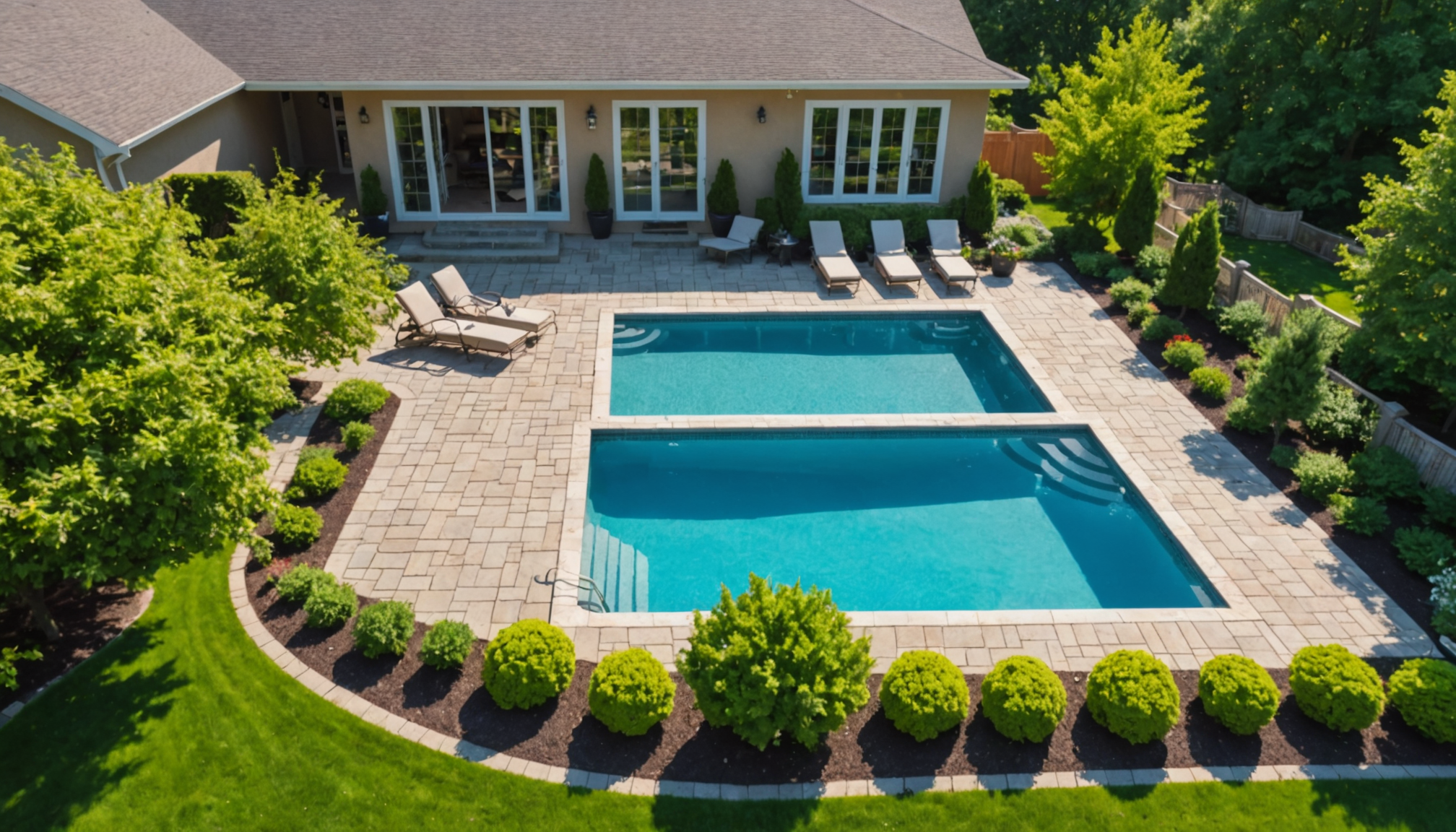 When exploring the different pool options available for your yard, it’s essential to familiarize yourself with the variety of pools, each offering unique benefits and considerations. Understanding these distinctions not only helps in aligning your personal preferences but also assists in matching the pool type with your budget, maintenance capabilities, and aesthetic desires. Here’s a detailed breakdown:
1. In-ground Pools:
– Concrete Pools:
1. Known for their durability and versatility, concrete pools can be custom-designed in any shape or size, allowing for comprehensive personalization.
2. They offer flexibility with design features such as tanning ledges, beach entries, and infinity edges.
3. However, concrete pools require a longer installation period and involve higher maintenance due to their porous surface, which can harbor algae and microorganisms.
4. Periodic resurfacing is necessary to maintain a fresh appearance, adding to long-term costs.
– Vinyl Liner Pools:
1. These pools are typically more affordable than concrete ones and provide some design flexibility, though less than concrete.
2. The smooth surface of a vinyl liner pool is gentle on swimmers’ skin and resists algae growth, which equates to simpler maintenance.
3. However, liners need replacement every 7-10 years, and sharp objects can puncture the vinyl, necessitating repairs.
– Fiberglass Pools:
1. Fiberglass pools come as pre-manufactured shells, and are known for easy installation, usually set into place within a few days.
2. Their gel-coated surface is smooth and non-porous, reducing algae build-up and cutting down the need for chemical use.
3. While they come in a limited number of shapes and sizes compared to custom concrete, they are extremely durable with minimal maintenance.
2. Above-ground Pools:
– These pools offer an economical and flexible option, perfect for smaller budgets and yards.
– They can be installed quickly, often without the need for professionals, and can be easily moved or removed if necessary.
– While they may not offer the same level of aesthetic appeal or lifespan as in-ground pools, modern designs with attractive materials and add-ons like decking can enhance their appearance significantly.
3. Hybrid Pools:
– Combining elements of different pool types, hybrid pools might feature a blend of in-ground structural framing with above-ground walls and liners.
– These pools offer diverse options in terms of customization and may suit varying aesthetic and functional needs, while managing installation costs efficiently.
4. Natural Pools:
– For those with an interest in eco-friendly options, natural pools use self-regulating water gardens and plants instead of chemicals for filtration.
– They seamlessly blend with the landscape and are often seen as more environmentally friendly, yet they require space and a careful balance of plant life to maintain water clarity.
5. Plunge and Spools Pools:
– Ideal for limited spaces, plunge pools are small and deep, while spool pools combine features of spa and pool, offering heating and massaging jets.
– These pools focus on relaxation and leisure rather than swimming, fitting harmoniously into compact backyard spaces while often demanding less maintenance and cost.
Choosing the right pool ultimately depends on how you envision using your backyard oasis. By understanding the characteristics of each pool type, you can better assess how a particular option aligns with your personal needs and expectations. Always keep in mind the balance between upfront costs, ongoing maintenance, aesthetic appeal, and the potential enhancement of your outdoor living experience.
Evaluating maintenance and upkeep
When considering the right pool for your yard, paying attention to maintenance and upkeep is crucial for ensuring longevity and a consistently enjoyable swimming environment. First, it’s essential to understand that pool maintenance encompasses regular tasks including cleaning, chemical balancing, and equipment checkups. The upkeep of a pool can vary significantly based on its type, materials, and additional features.
Concrete pools, for instance, necessitate frequent cleaning and chemical treatment due to their porous nature. This porosity makes them susceptible to algae growth and staining, demanding a regular and rigorous maintenance regimen. They often require brushing to prevent algae buildup, and since their surface can degrade over time, resurfacing might be necessary every 10 to 15 years. This extensive maintenance can be both time-consuming and costly, but it is essential for maintaining their aesthetic and structural integrity.
Vinyl liner pools, on the other hand, offer lower maintenance demands because of their non-porous surface, which resists algae buildup effectively. However, the vulnerability of the liner to punctures calls for careful handling and routine inspections. Additionally, heater maintenance and possible liner repairs or replacements every 7-10 years should be anticipated.
Fiberglass pools stand out with their minimal maintenance requirements owing to their smooth, non-porous gelcoat surface, which reduces the need for frequent brushing and helps maintain a stable chemical balance. The shell’s durability means fewer repairs over time, effectively reducing ongoing costs. While they do not demand the intensive upkeep of a concrete pool, periodic checks for gelcoat cracks or fading are wise to ensure long-term durability.
Above-ground pools generally come with less demanding maintenance routines due to their size and the accessibility of their equipment. However, they require seasonal setup and takedown, especially if you live in an area with extreme weather differences across seasons. Maintaining proper water balance is key to preventing liner degradation and ensuring the longevity of the pool itself.
Beyond regular cleaning and treatment, proactive maintenance of pool equipment like pumps, filters, and heaters is imperative. Efficient equipment not only extends the lifecycle of these components but also optimizes energy consumption, thereby minimizing utility expenses over time. Investing in automated systems, such as robotic cleaners and automated chemical dispensers, can significantly ease maintenance efforts and improve efficiency.
Considerations for energy usage and water conservation are also key aspects of upkeep. Pool covers, solar heaters, and energy-efficient pumps are valuable investments that conserve resources and reduce costs. Whereas initial expenses might be higher, the long-term savings and environmental benefits are substantial.
Lastly, engaging with reputable pool service professionals for periodic inspections can prevent future problems and help maintain optimal pool conditions. They can provide expert guidance on whether your pool is operating efficiently and address any emerging issues before they escalate.
Understanding the nuances of pool maintenance not only prepares you for the ongoing commitment but also helps in choosing a pool that matches your lifestyle and budget. Embracing the right maintenance routine ensures your pool remains a welcoming retreat for leisure and relaxation, enhancing your home’s value and appeal.
Considering safety features
When planning for a pool in your yard, safety should undoubtedly be a primary consideration to ensure a secure environment for everyone, especially children and pets. Implementing effective safety features is critical in minimizing risks and creating a relaxing space that offers peace of mind.
One of the fundamental safety measures is fencing, which acts as a physical barrier to prevent accidental access to the pool area. Local regulations often dictate specific requirements for pool fencing, such as height, material, and gate specifications, such as self-closing and self-latching mechanisms. While adhering to these regulations is necessary, prioritizing quality fencing that blends seamlessly with your landscape’s aesthetics can maintain your yard’s visual appeal without compromising security.
Another vital safety feature to contemplate is installing a pool alarm system. A variety of pool alarms—including threshold alarms on gates or doors leading to the pool, wristband alarms for children, and surface wave alarms—can alert you to unauthorized or unsupervised access to the pool area. These systems are invaluable in offering an extra layer of protection, ensuring prompt responses to potential hazards.
Additionally, a pool cover serves multiple functions, including safety. When not in use, a robust safety cover can prevent accidents, especially with solid models that can support weight when properly installed. It’s critical to ensure your pool cover fits correctly and adheres to safety standards to prevent mishaps.
For those prioritizing convenience, consider integrating automatic cover systems that simplify the process of securing the pool. These are particularly beneficial for daily use, as they can be engaged or retracted with minimal effort, encouraging consistent use.
Ensuring the pool is equipped with proper lighting also enhances safety, especially for evening or nighttime swims. Illuminating both the pool’s interior and its surrounding area can prevent accidental slips and falls while enhancing the ambiance of your outdoor space. Opt for energy-efficient LED lighting to conserve energy while providing adequate visibility.
Further, keeping lifesaving equipment accessible, such as life rings, reach poles, and a first aid kit, is crucial. These tools should be located near the pool and be clearly visible and easily reachable in emergencies. Regularly checking these items for functionality and condition ensures readiness in urgent situations.
Implementing slip-resistant materials around the pool deck can prevent falls and injuries, particularly in wet conditions. Modern materials provide both functionality and design flexibility, offering a range of styles to match your aesthetic preferences while enhancing safety.
Educating family members and guests about pool safety protocols is another preventative measure. Establishing clear rules, such as no running around the pool, swimming alone, or diving in shallow ends, cultivates a culture of awareness and caution. Moreover, formal swimming lessons for children can significantly reduce the risk of accidents by equipping them with essential water safety skills.
Investing time and resources into thoughtful safety features not only mitigates risks but also enhances the overall enjoyment of your pool. Safety adds value to your pool environment, creating a serene and secure oasis that invites relaxation and fun for all.
Consulting with professionals
Engaging with professionals when planning your pool project can provide invaluable insights and guidance, turning complex decisions into more manageable tasks. Pool construction and renovation require specialized knowledge, and consulting with experts ensures that you tap into years of experience and technical know-how.
First and foremost, talking to a pool contractor will help refine your vision by offering practical advice on design, materials, and technology options. A professional can assist in translating your ideas into feasible plans that align with your yard’s specifics while adhering to local building codes and standards. They can offer creative solutions that address space constraints, environmental conditions, and budget considerations, providing a plan that is both functional and aesthetically pleasing.
Landscape architects play a crucial role in integrating your pool seamlessly into your outdoor space, ensuring that it complements your home’s architecture and the surrounding environment. Their expertise can guide the selection of plantings, hardscapes, and features that not only enhance beauty but also consider maintenance, climate, and privacy needs. With an eye for detail, they can ensure that your pool contributes positively to the overall landscape design.
Consulting with pool maintenance experts early in the process can also be beneficial in understanding the long-term care requirements of your chosen pool type. They can provide recommendations on reliable equipment, optimal water treatment solutions, and efficient cleaning schedules, contributing to a sustainable maintenance routine that ensures your pool remains a welcoming retreat for years to come.
Additionally, discussing your project with safety experts is vital, particularly if local regulations necessitate specific safety measures. These professionals offer insights into best practices for pool safety features, whether it involves childproof fencing, slip-resistant surfaces, or emergency preparedness. Through their guidance, strategic safety planning becomes an imbued part of your pool’s design.
Finally, financial consultants can provide assistance in establishing realistic budgets and exploring financing options. Their expertise can reveal potential savings, highlight tax incentives, and streamline the financial planning process, allowing you to maximize the value of your investment.
By assembling a team of professionals, you leverage a diverse array of expertise that bridges the gap between your vision and a pool that adds immense value to your home. Their guidance ensures that every decision contributes to creating a backyard oasis that meets safety standards, harmonizes with your lifestyle, and stands as a testament to thoughtful design.
In conclusion, selecting the ideal pool for your yard involves balancing practicality and aesthetics by thoroughly evaluating key factors such as space, budget, maintenance, safety, and professional guidance. By considering these aspects, you can develop a well-rounded plan that enhances your outdoor living space, ensuring your pool becomes a source of joy and relaxation for years to come.