Before embarking on the journey of designing your windows, it’s essential to thoroughly assess your space. This initial step is crucial, as it lays the groundwork for informed decisions that align with your aesthetic and functional goals.
Start by evaluating the specific dimensions and architecture of each room. Measure both width and height of existing window openings and the potential space around them. This will not only guide your choice of window styles but also impact installation considerations. Make a note of any architectural features, such as ceiling height or the presence of alcoves, as they can influence window placement and design flexibility.
Understanding the orientation of your rooms in relation to the sun can significantly enhance your window design strategy. Identify which rooms receive morning sun versus afternoon sun. This knowledge will help you decide on the type of glazing needed for optimal insulation and energy efficiency. South-facing windows, for example, might benefit from treatments that provide insulation in winter while preventing overheating in summer.
Your geographical location and climate play an important role in the insulation properties needed in your window choices. Homeowner tips often emphasize the importance of high-performance glass or insulated frames in regions with extreme weather to maintain comfort and reduce energy costs. Assess your local climate zone and thermal insulation needs to make the best decision for your windows.
Consider how windows will fit into the overall design of your home. Take into account the views each window will frame, as well as the level of privacy each space requires. Balancing natural light and privacy is vital, particularly in urban settings where windows may face neighboring properties closely.
Functionality is another critical aspect to consider. Think about how windows will be used on a daily basis. Will you need windows that open fully for maximum ventilation, or fixed designs that simply allow light in without compromising privacy? Reflect on the ease of cleaning and maintenance, especially for windows in hard-to-reach areas.
Finally, align your window design decisions with your long-term plans. If you anticipate future renovations or expansions, factor in how current window designs might integrate with or adapt to those changes. Additionally, consider any DIY capabilities you might want to incorporate, such as the possibility of installing or adjusting window treatments yourself, which could be influenced by window design and accessibility.
To systematize your assessment, it might be helpful to compare various aspects of your current space using a simple table:
| Room Name | Dimensions | Orientation | Current Insulation | Privacy Needs |
| Living Room | 15 ft x 20 ft | South | Moderate | Low |
| Bedroom | 12 ft x 14 ft | North | High | High |
| Kitchen | 10 ft x 15 ft | East | Low | Medium |
This detailed assessment will not only guide your window design process but also ensure your choices harmonize aesthetically and functionally with the rest of your home.
choosing window styles
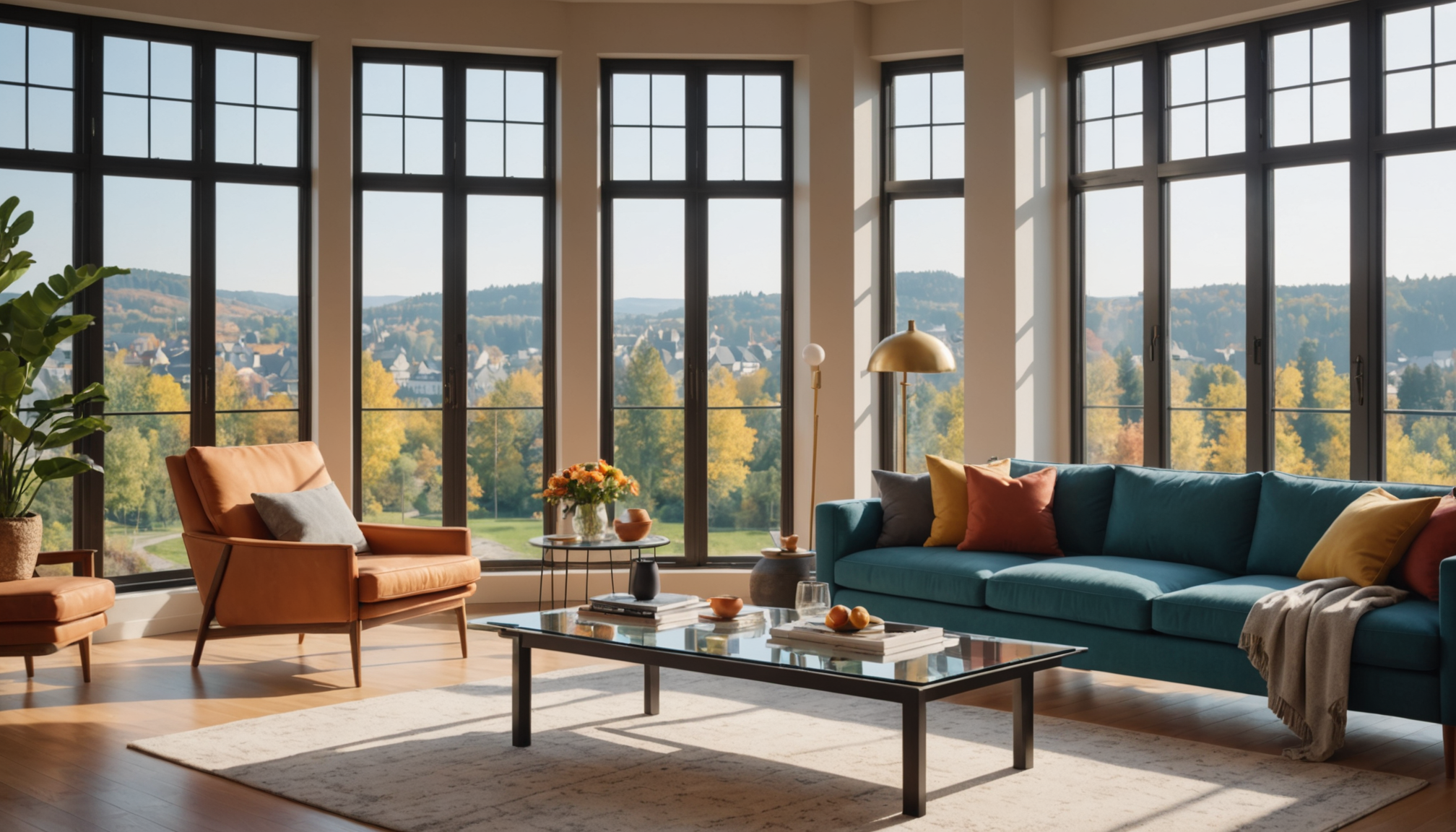 When it comes to selecting the perfect window style for your home, the process involves balancing aesthetics with functionality. Here’s how to navigate this important decision:
- Understand Your Design Preferences: Start by considering your personal design style. Do you prefer a modern, minimalist look or a more traditional, classic design? This will guide you towards window styles that align with your overall home aesthetic. For example, clean and simple lines might point you towards casement or awning windows, whereas a traditional look may lead you to sash windows or bay windows.
- Consider the Architecture of Your Home: The architectural style of your house plays a crucial role in window selection. Colonial homes often feature double-hung windows, while contemporary designs may incorporate large picture windows or even floor-to-ceiling glass panels. Noticing these architectural cues ensures harmony between your windows and the rest of your home.
- Think About Functionality: Evaluate how you’ll use the windows. For maximum ventilation, consider options like awning or casement windows that can open wide. Rooms that need less ventilation but more light might benefit from fixed or picture windows. Similarly, think about your insulation needs—windows with good sealing can help maintain temperature, saving you on energy costs, especially if you choose designs with multiple panes or laminated glass.
- Assess Room-Specific Needs: Different rooms in your home may have varying requirements. For instance, a kitchen might benefit from sliding windows that offer easy access for ventilation over the sink, while a bedroom could make good use of tilt-and-turn windows that offer multiple opening positions for versatility and security.
- Prioritize Safety and Accessibility: Safety is paramount, especially in homes with children. Opt for window styles with safety latches or tempered glass. If ease of cleaning is paramount—for high, hard-to-reach windows—consider tilt-in sashes or pivot windows that allow you to clean both sides from inside your home.
- Look for DIY-Friendly Options: If you’re inclined to involve a bit of DIY in your window installation or maintenance, select window styles that are easier to handle—for instance, modular designs or those with user-friendly manuals and fittings.
- Explore Energy-Efficient Options: Homeowner tips often emphasize the importance of energy efficiency in reducing utility costs. Look for windows with high Energy Star ratings, which indicate superior thermal performance. Features like double or triple glazing and low-E coatings can significantly enhance insulation and comfort levels.
By following these steps, you’ll not only ensure your windows complement your home’s design but also enhance functionality and energy efficiency, providing you with a solution that meets both your stylistic and practical needs.
selecting materials and finishes
When it comes to selecting materials and finishes for your windows, the impact extends beyond aesthetics and contributes significantly to the overall performance and longevity of your windows. Start by considering the primary material choices: wood, vinyl, aluminum, fiberglass, and composite. Each material offers distinct advantages and has different considerations in terms of maintenance, durability, energy efficiency, and cost.
Wood presents a classic, timeless appeal that can be stained or painted to match any design scheme. It offers excellent insulation properties, making it a popular choice among homeowners who prioritize energy efficiency. However, wood requires regular maintenance to prevent rot and warping, especially in high-moisture areas. If you choose wood, consider eco-friendly, sustainably sourced options that minimize environmental impact.
Vinyl is a highly versatile and cost-effective choice that requires minimal maintenance. It offers good insulation properties due to its ability to reduce heat transfer, contributing to a more energy-efficient home. Available in a variety of colors and finishes, vinyl is ideal for DIY enthusiasts due to its ease of installation. However, its design options might be limited compared to other materials, and extreme temperature fluctuations can affect its performance over time.
Aluminum windows are known for their strength, durability, and sleek, modern appearance. They resist corrosion and require little maintenance, making them perfect for challenging climates. Aluminum windows are often favored in designs requiring large expanses of glass, such as floor-to-ceiling windows. However, they often fall short in terms of insulation, leading to potential heat loss or gain, unless they incorporate thermal breaks to improve energy efficiency.
Fiberglass enjoys growing recognition for its superior durability and insulation qualities. It can withstand extreme temperatures and is resistant to warping, expanding, or contracting. Fiberglass frames can be painted and offer a variety of textures that mimic wood’s appearance without the upkeep. Their slightly higher initial cost is often offset by their longevity and energy savings over the lifetime of the windows.
Composite materials, typically made from a combination of wood fibers and PVC, offer strength and good thermal performance similar to wood but with the low maintenance benefits of vinyl or fiberglass. They are an excellent choice for homeowners looking for versatile, long-lasting options that don’t compromise on design or efficiency.
Beyond the frame material, choosing the right finish can significantly enhance both the aesthetic appeal and durability of your windows. Consider powder coatings or anodized finishes for metal frames to boost resistance against scratches and environmental damage while providing a pleasing, uniform color. For wooden frames, opt for high-quality paints or stains that protect against UV radiation and moisture, prolonging their lifespan while preserving their beauty.
Incorporating low-E glass and other advanced glazing solutions will further bolster insulation and energy efficiency. Low-emissivity coatings on the glass reflect heat back into the home during winter and keep it out during summer, thereby reducing heating and cooling costs—real homeowner tips for improving annual energy savings.
Keep in mind that your choice of materials and finishes can directly impact maintenance requirements and long-term satisfaction. By deliberately selecting and combining materials and finishes, you can design windows that are not only visually pleasing but also resilient, sustainable, and energy-efficient, ultimately providing a harmonious blend of function and style for your home.
incorporating functional elements
When considering how to effectively incorporate functional elements into your window design, it’s crucial to prioritize aspects that blend seamlessly with your lifestyle and the practical needs of each room. Proper functionality not only enhances the livability of a home but also can lead to energy savings and improved comfort, which are invaluable homeowner tips.
Ventilation is a key component of window functionality. Determine the amount of airflow needed in each room. For example, kitchens and bathrooms benefit from windows that can open wide for maximum ventilation, helping to reduce humidity and odors. Casement, awning, or hopper windows are excellent choices due to their ease of operation and ability to direct breezes into your home.
In terms of insulation, your window selections can make a notable difference in maintaining comfortable indoor temperatures year-round. Consider using double or triple-pane windows, which contain insulating layers of air or gas between the panes to improve thermal performance. Pairing these with low-E glass further enhances energy efficiency by reflecting heat back into your home in cooler months and minimizing heat entry during warmer times.
Ease of maintenance should also be factored into your design. Depending on the placement, some windows can be challenging to clean, so choosing styles that tilt inwards or rotate can make maintenance much more manageable. This is particularly important for homeowners who prefer DIY solutions in window cleaning or repairs. Options like double-hung windows allow the sashes to tilt in, providing a convenient cleaning process from inside the home, especially beneficial for upper-story windows.
Child safety is another critical aspect when incorporating functional elements. If you have young children, opt for windows that come with safety latches or limiters to prevent them from opening fully. Laminated safety glass can add an additional layer of protection by preventing the glass from shattering upon impact.
Noise reduction is an often-overlooked function that can be incredibly beneficial, particularly in urban environments. Windows utilizing acoustic glazing, which involves thicker panes and additional air space, can significantly dampen exterior noise.
Lastly, if you’re aiming to maximize privacy without sacrificing natural light, consider incorporating frosted or textured glass designs. These innovative options obscure visibility from the outside while still allowing daylight to illuminate your interiors.
Integrating these functional elements into your window design not only enhances the utility but also contributes to a more comfortable and efficient home environment, all while keeping in tune with aesthetic desires and the varied demands of modern living.
adding decorative touches
Decorative touches can truly personalize your window design, transforming them into aesthetic focal points that complement the overall ambiance of your home. To begin, consider window treatments such as curtains, drapes, and blinds, which can add color, texture, and a sense of style. These elements not only enhance the visual appeal but also play a role in managing light and privacy. For a classic look, opt for floor-length drapes in rich fabrics like velvet or silk. In contrast, for a modern or minimalist aesthetic, choose sleek blinds or Roman shades in neutral tones.
Another way to add visual interest is by incorporating architectural detailing such as molding or cornices around the window frames. These can be painted in a contrasting color to highlight the windows or match your existing trim for a subtle, cohesive look. Additionally, consider using window film or decals for an artistic touch; frosted designs or colorful motifs can offer both privacy and a decorative flair without blocking light.
For those who enjoy DIY projects, consider creating custom window boxes or ledges to showcase plants—bringing a touch of the outdoors in and adding a layer of natural beauty. Hanging plants or small indoor gardens adjacent to windows can also craft a verdant view while enhancing indoor air quality. If you prefer a simpler approach, placing a stylish vase or a collection of decorative objects on the sill can add a personal touch.
Stained glass is another stunning way to add character to your windows. It not only serves as a beautiful decorative feature but also changes the quality of light entering the room, casting colorful patterns across your interior spaces. Whether you choose traditional stained glass patterns or sleek contemporary designs, this addition can elevate the artistry and elegance of your windows.
Lastly, consider the hardware—think about incorporating decorative handles or hinges that match your interior design theme. These small details can make a significant difference, turning ordinary windows into exquisite features of your home.
Incorporating decorative touches into your window design offers a unique opportunity to express your style and enhance the appeal of your living space. By carefully selecting treatments, detailing, and embellishments that align with your decor, you can ensure your windows not only serve functional needs but also act as beautiful elements in your home.