Understanding local regulations is a crucial step in disposing of household junk responsibly. Regulations vary significantly between cities, counties, and states, affecting what you can dispose of and how. Familiarizing yourself with these rules ensures compliance with the law and helps in minimizing the environmental impact of waste disposal.
Most municipalities have guidelines regarding the disposal of various types of waste. These often include specific instructions for sorting recyclable materials, hazardous waste, electronics, and bulky items. Failure to comply with these regulations can lead to fines or penalties, and more importantly, improper disposal can harm the environment.
To navigate these regulations effectively, start by reaching out to your local waste management authority or visiting their website. Many municipalities provide resources such as downloadable guides, detailed FAQs, and contact information for further inquiries. It’s also beneficial to stay updated on any changes to local policies, as new regulations are often introduced based on environmental goals or emerging waste management technologies.
Consider the following key areas to investigate within your local regulations:
- Recycling Guidelines: Understand what materials are accepted for curbside recycling and specific rules about how they should be sorted and cleaned.
- Hazardous Waste Disposal: Learn how to properly dispose of items like paint, batteries, or chemicals that can’t be thrown out with regular trash due to their potential harm to the environment.
- Electronic Waste (E-Waste) Management: Check for designated drop-off points or special collection days for electronics, which often contain toxic substances that should not end up in landfills.
- Bulk Waste Pickup: Larger items such as furniture or mattresses may require scheduling a special pickup or taking them to a specific drop-off location.
For a clearer view, here is a comparison of some typical household waste categories and their respective handling methods:
| Type of Waste | Example | Common Disposal Method |
| Recyclable Materials | Plastic bottles, paper | Curbside recycling |
| Hazardous Waste | Batteries, paint | Designated drop-off points |
| Electronic Waste | Old phones, laptops | Annual e-waste collection events |
| Bulky Waste | Couches, beds | Scheduled pickup or transfer stations |
Understanding and adhering to local regulations not only helps in legally compliant junk disposal but also supports sustainable waste management practices. Engaging in responsible disposal contributes to reducing landfill waste and promotes environmental stewardship within your community. Always strive to be informed and proactive about the regulations in your area to effectively manage your household junk disposal. By doing so, you not only benefit personally by avoiding penalties but also contribute positively to your local environment.
Sorting and categorizing items
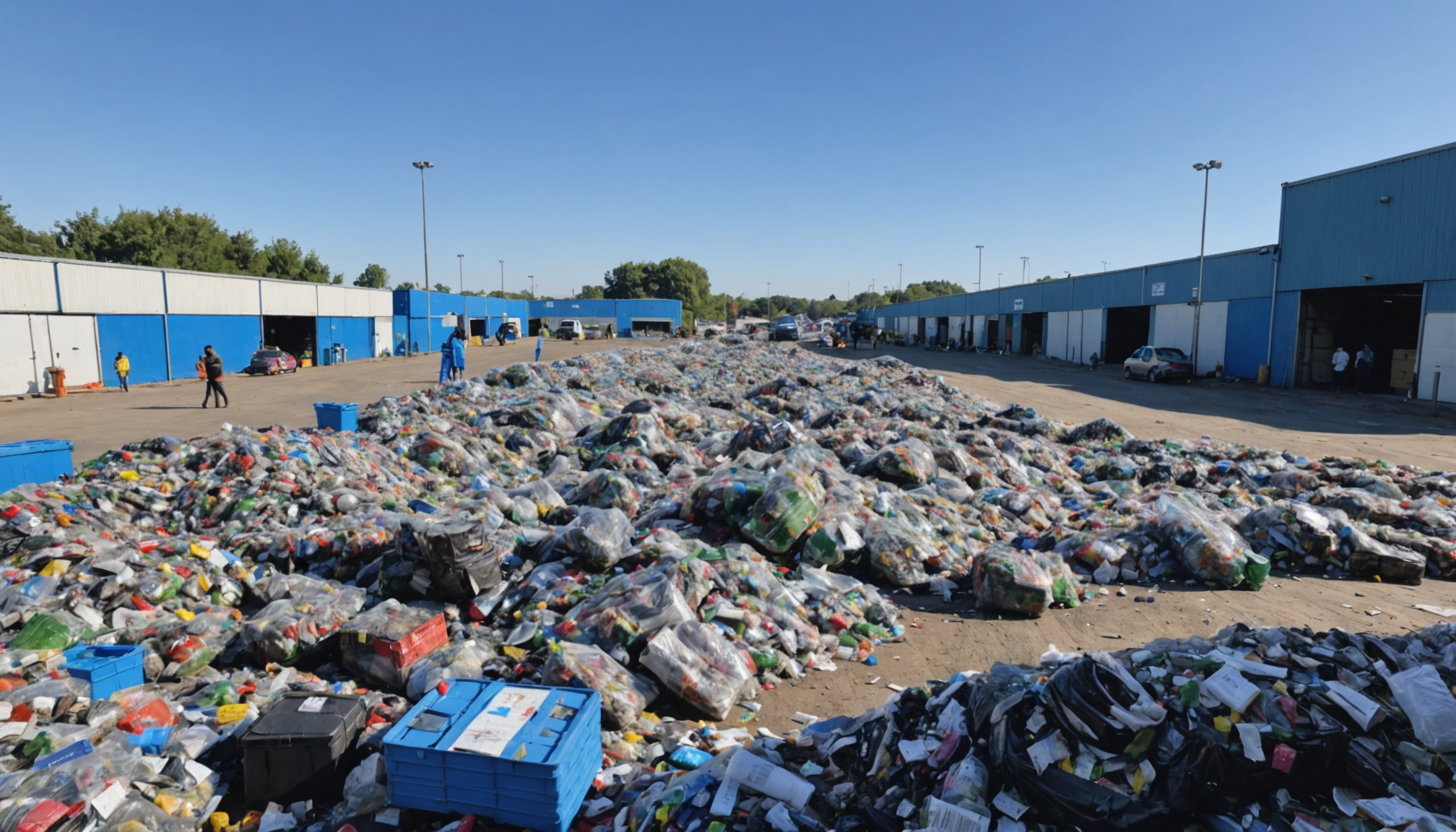 Once you have a grasp of local regulations, the next important step is to sort and categorize your household junk. This process not only streamlines disposal but also maximizes the potential for recycling and donation, ensuring fewer items end up in landfills. Here’s a methodical approach to help you:
1. Gather Supplies:
– Collect boxes, bags, or bins to help sort different types of items.
– Use labels or a marker to clearly mark each container based on category.
2. Create Categories:
– Consider these main categories for sorting:
– Recyclables: Plastic, glass, metal, paper, and cardboard that can be processed into new materials.
– Hazardous Waste: Items like batteries, paints, chemical cleaners, and electronics which require special handling.
– Donations: Usable items such as clothing, furniture, kitchen items, or working electronics that others may benefit from.
– Trash: Rubbish that can neither be recycled nor reused.
3. Room-by-Room Sorting:
– Tackle one room at a time to prevent feeling overwhelmed.
– Go through each drawer, closet, and storage area, deciding the fate of every item you find.
– Place each item into the appropriate category as decided.
4. Identify Non-Obvious Recyclables:
– Refer to your local recycling guidelines to identify items that might not seem recyclable but are accepted locally, such as certain plastics or textiles.
5. Separate Bulky and Specialized Waste:
– Isolate large items like furniture, mattresses, and appliances, as they often require special pickup or drop-off arrangements.
– Sort out any electronic waste since it might have a dedicated recycling process.
6. Clean and Prepare Items:
– Thoroughly clean items meant for donation to ensure they’re in good condition for their next user.
– Rinse and remove labels from recyclable materials if required by your local recycling center.
7. Organize a Disposal Timeline:
– Set timelines for when each category of items will be disposed of. Prioritize perishable hazardous waste that might pose safety issues if left too long.
8. Keep Track of Worthwhile Items:
– As you categorize, keep a separate list of high-value or sentimental items that might require extra consideration like selling, repairing, or storing.
9. Assess and Reassess:
– After the initial sorting, revisit your categories after a few days to reassess difficult decisions, particularly for items with sentimental value.
By following this structured sorting process, you facilitate an organized, efficient approach to household junk disposal. It ensures that each item is properly managed, decreasing waste, and enhancing community sustainability efforts.
Eco-friendly disposal options
When aiming to dispose of household junk in an environmentally conscious manner, exploring eco-friendly disposal methods is a rewarding path. Opting for these options not only aligns with local sustainability goals but also helps conserve resources and reduce pollution. There are numerous innovative and effective ways to minimize waste’s environmental footprint, each offering distinct advantages.
One of the primary benefits of choosing sustainable disposal practices is the significant reduction in landfill waste. By diverting materials away from landfills, you contribute to decreasing the methane emissions that result from their decomposition. Household junk, when improperly disposed of, ends up piling up in landfills, consuming precious land space and leading to continuous environmental damage.
Incorporating home composting systems stands out as a valuable eco-friendly method. By composting organic waste such as food scraps and yard trimmings, you’re not only reducing the volume of waste sent to landfills but also creating nutrient-rich compost that can be used to enrich garden soil. This circular approach supports plant growth and enhances soil health without the need for chemical fertilizers.
Another critical avenue is selecting biodegradable and compostable alternatives for disposables. Products designed to break down naturally reduce the burden on waste management systems and do not linger in the environment as pollution. Items such as biodegradable bags, cutlery, and plates serve as practical substitutes, especially for events where disposable items are necessary.
For electronic waste, searching for electronics recycling programs is essential. Many devices contain hazardous elements that could leak into the environment if not disposed of correctly. Specialized e-waste recycling facilities ensure proper handling and recovery of valuable components, reducing environmental contamination and saving materials like metals, which can be used in producing new devices.
Moreover, exploring upcycling opportunities facilitates creative reuse of household items. By transforming old furniture, textiles, or other materials into new, functional items, you extend their lifecycle and foster innovation. Upcycling activities can range from simple DIY projects to more complex renovations, each preventing additional waste generation.
Venturing into water-saving strategies, such as installing rainwater collection systems, amplifies your commitment to an eco-friendly household. Collecting rainwater for uses like gardening reduces dependency on treated water and highlights another practical approach to sustainable living.
Encouraging proper waste management at the community level enhances overall efficacy. Organizing or participating in community clean-up drives not only helps in maintaining cleaner local environments but also raises awareness and promotes collective responsibility towards eco-friendly practices. Such group initiatives often lead to the sharing of ideas and resources that benefit everyone involved.
Engaging with these eco-friendly disposal options allows you to make a tangible difference in conserving the planet’s resources. Embracing these practices not only sets an example for others but also paves the way for future generations, ensuring the well-being of the community’s environment. By making conscientious efforts, you’re part of a larger, global movement towards responsible waste management and sustainable living.
Donating and recycling opportunities
Considerable opportunities exist for donating and recycling household items to minimize waste and promote reuse. By choosing to donate, not only do you give your unwanted items a second life, but you also potentially benefit those in need, enriching community support networks. Emphasizing this approach aligns perfectly with environmentally conscious efforts and helps to reduce the need for new resources.
Numerous charities and organizations accept a wide range of items, from clothing and furniture to electronics and non-perishable food. Organizations such as Goodwill, Salvation Army, and local shelters are often in constant need of donations to support their initiatives. It’s always a good idea to call ahead and confirm the specific items they currently accept to ensure your contribution is useful. Additionally, many of these organizations offer pickup services, making it even more convenient to donate bulky items like furniture and large appliances.
In the realm of recycling, most communities provide established programs and facilities dedicated to the process. Familiarize yourself with local recycling centers and events that cater to specific types of recyclables, such as electronics or hazardous waste. Some cities even host swap meets and community recycling events where residents can exchange items responsibly, ensuring that each piece is either reused or recycled rather than discarded.
Online platforms can also be a valuable resource. Websites and apps such as Freecycle, OfferUp, or Facebook Marketplace allow you to list items you wish to give away, effectively connecting you with individuals who might have a use for them. These options offer a modern twist on traditional donation methods, providing broader reach and immediacy.
For more specialized items, such as out-of-date electronics or textiles, many manufacturers and retailers now run take-back programs. Electronics stores like Best Buy often have recycling kiosks for small tech items and batteries, ensuring that these materials are appropriately handled. Similarly, clothing brands sometimes offer in-store drop-offs for textiles, encouraging sustainable fashion practices by repurposing fabrics.
Crafting a proactive plan for your own contributions to environmental preservation, such as organizing donation drives amongst friends or colleagues, can amplify your impact. Collaborating in this manner often attracts larger donations and fosters community spirit, reinforcing the importance of responsible waste management.
By engaging in donation and recycling opportunities, you not only promote a sustainable cycle of usage but also support local communities, conserve resources, and minimize your ecological footprint. Embracing these practices is an effective route to transforming everyday disposal into meaningful acts of environmental stewardship.
Hiring professional junk removal services
Opting for professional junk removal services can be an efficient and convenient option, especially when handling large quantities of waste or bulky items that are difficult to manage on your own. These services are designed to handle a variety of junk removal needs swiftly and with minimal hassle, so you can focus on other important tasks.
When considering professional help, it’s essential to research and choose reputable companies that are conscious of eco-friendly practices. Many junk removal services now prioritize sustainability by sorting through the materials they collect and ensuring that reusable items are donated, recyclables are appropriately processed, and waste is disposed of responsibly. Don’t hesitate to ask potential service providers about their waste disposal methods to confirm they align with your personal values regarding environmental stewardship.
Most junk removal companies offer flexible services tailored to fit your needs, whether you’re dealing with a substantial home cleanout, post-renovation debris, or just a few unwanted items. They typically provide an upfront estimate based on the volume and type of junk you need to dispose of, with transparent pricing that avoids unexpected surprises once the job is complete.
One of the key advantages of hiring professionals is the added convenience they offer. They take care of all the heavy lifting, transportation, and disposal, saving you from the physical strain and time-consuming nature of handling it yourself. Plus, these experts are trained to handle potentially hazardous materials safely, ensuring adherence to local regulations and reducing the risk of accidents or penalties.
Moreover, some companies now provide additional services like secure document shredding or the safe disposal of sensitive electronics, which can be highly beneficial for protecting your privacy and ensuring data security.
To gain the most benefit from professional junk removal, prepare by making a comprehensive list of the items you wish to dispose of, categorize them if possible, and discuss any special requirements you might have in advance. This preparation ensures that the service is executed smoothly and efficiently on the scheduled day.
Overall, relying on professional junk removal services offers a practical solution for responsible waste disposal, making the process much less daunting. Whether you’re tackling a significant decluttering project or facing a tight moving deadline, these services can be a valuable resource, providing peace of mind and helping you maintain a clutter-free, environmentally conscious home.
In conclusion, responsibly disposing of household junk is a vital component of sustainable living. By understanding local regulations, sorting items effectively, exploring eco-friendly disposal options, and taking advantage of donation and recycling opportunities, you can significantly reduce your environmental impact. Whether through personal effort or hiring professional services, your actions contribute to a healthier planet and a more sustainable community. Embrace these practices to transform your junk disposal approach into a positive force for environmental change.
