Identifying common lawn pests is an essential first step in maintaining the health and vitality of your lawn. Being able to recognize the signs of pest activity early can help prevent significant damage and allow you to implement appropriate control measures effectively. Various pests can wreak havoc on your lawn, each with distinct characteristics and signs of infestation. Understanding these can enable you to address any issues promptly.
Lawns can host a wide variety of pests, including insects such as grubs, chinch bugs, and sod webworms, as well as other organisms like moles and gophers. Each of these pests leaves different telltale signs that can help in their identification. For instance, the presence of brown patches, wilting, or stunted grass growth can often point towards an infestation.
Here is a comparison of some common lawn pests, along with the damage they cause and other identification markers:
| Pest | Damage | Identification Marks |
| Grubs | Causes grass to wilt and turn brown as they feed on grass roots. | Look for spongy lawns that can be rolled back like a carpet. |
| Chinch Bugs | Creates yellow and brown patches in grass by sucking plant juices. | Inspect grass for tiny bugs moving quickly at the surface. |
| Sod Webworms | Leads to irregular brown patches as they chew on grass blades. | Visible greenish or tan caterpillars, usually noticed at dusk. |
| Moles | Produces raised tunnels and dirt mounds due to their burrowing activities. | Look for ridges on the surface and molehills in the lawn. |
| Gophers | Causes disruption in the lawn as they create extensive burrow systems. | Distinct fan-shaped mounds of soil with no visible entry hole. |
An accurate identification of the pest is crucial for implementing an effective control strategy. Misidentification can lead to wasted resources and an exacerbation of the problem. For example, if brown patches are mistaken for drought stress, you might incorrectly water more, thus inviting more pest activity. Therefore, careful observation and sometimes an expert diagnosis might be necessary to ascertain the exact cause of lawn damage.
In some cases, more than one type of pest might be present, complicating identification and management efforts further. Regular inspection is vital, particularly during the pest-prone seasons of spring and summer. By keeping a close eye on the health of your lawn and understanding the typical signs of infestation, you can act quickly, maintaining the grass’s lush appearance and overall health.
natural pest control methods
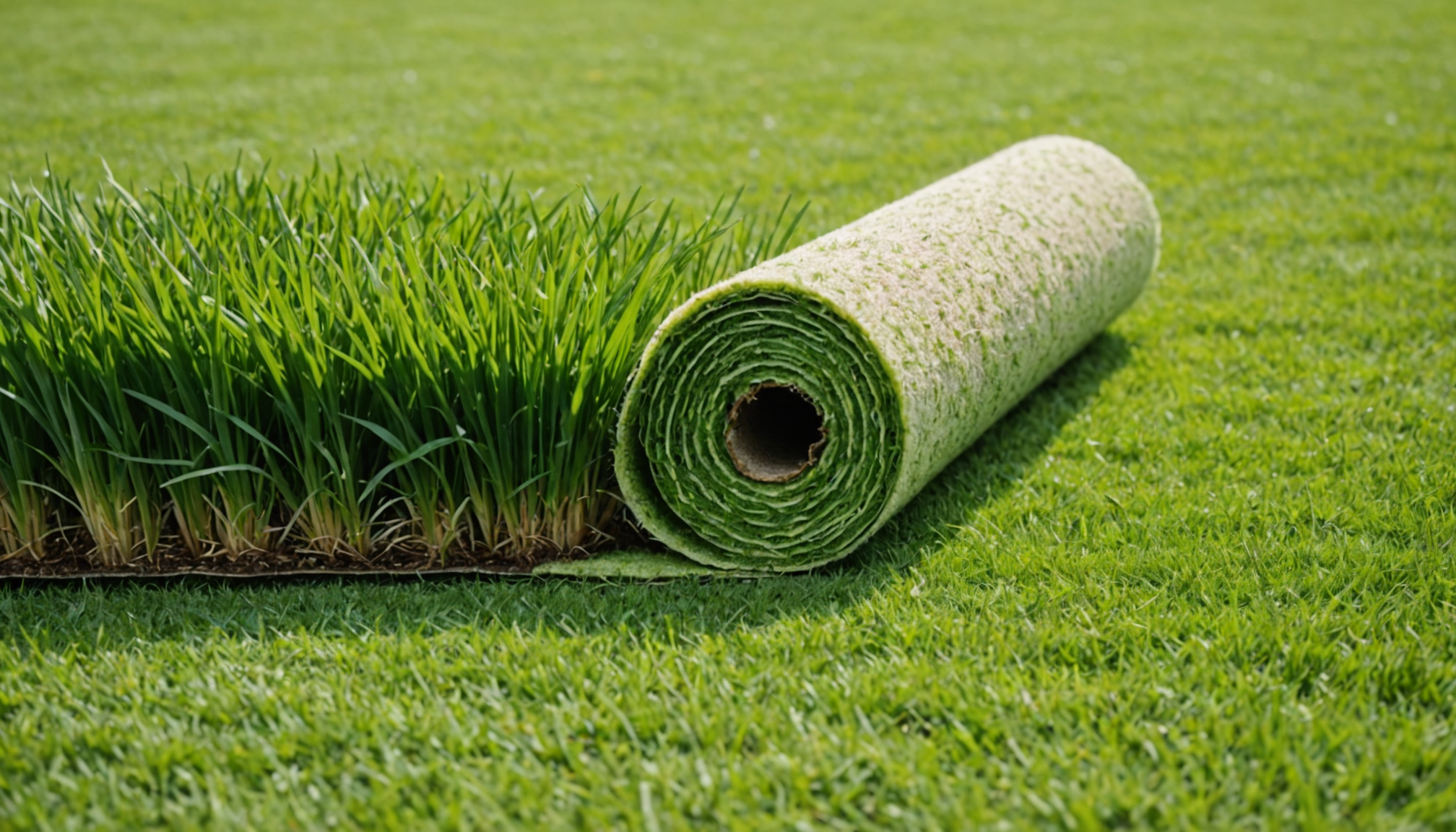 When choosing natural methods to manage lawn pests, the goal is to reduce pest activity while maintaining a safe and eco-friendly environment. Natural pest control emphasizes using methods and materials that have minimal impact on the environment and non-target species.
- Encourage Beneficial Insects: Introduce or attract predatory insects that naturally feed on lawn pests. Ladybugs, lacewings, and certain types of beetles can help control aphid, grub, and caterpillar populations. You can encourage these by planting diverse flowering plants around your garden that provide nectar and habitat.
- Utilize Nematodes: Beneficial nematodes are microscopic worms that parasitize and kill insects in their larval stage. For instance, they are effective against grubs and other soil-dwelling pests. Apply nematodes by mixing them into water and spraying them on affected areas, ensuring the lawn stays moist for a couple of weeks for optimal effectiveness.
- Implement Companion Planting: Certain plants have natural pest-repelling properties. Incorporate plants such as marigolds, which can deter nematodes and other insects. Planting herbs like mint near your lawn can also keep pests at bay thanks to their strong aroma.
- Apply Organic Sprays: Use organic insecticidal soaps and oils like neem oil to control soft-bodied insects without harming beneficial insects. These can be sprayed on lawns where pests are active, but they may require several applications for full effectiveness.
- Use Physical Barriers and Traps: Setting up simple physical barriers can prevent larger pests like moles and gophers from damaging your lawn. Mesh wire or underground barriers can deter digging. For insects, use pheromone traps or sticky traps that attract and capture pests without the use of chemicals.
- Encourage Robust Soil and Lawn Health: A healthy lawn naturally withstands pest invasions more effectively. Regular aeration, proper mowing, and watering techniques help maintain lawn health. Implement a soil management plan that includes adding organic matter to improve the soil structure and strengthen the lawn grass.
- Regular Monitoring and Maintenance: Consistently check your lawn for early signs of pest damage. This allows for timely intervention before the infestation becomes severe. By practicing an integrated pest management approach, you can keep your lawn healthy while minimizing reliance on synthetic chemicals.
By adopting these natural pest control methods, you can create a healthy lawn ecosystem. This sustainable approach not only treats active pest issues but also provides long-term benefits by enhancing biodiversity and soil health.
chemical treatments and when to use them
When confronted with particularly stubborn pest infestations despite implementing natural methods, or when infestations have reached levels that threaten the health of your lawn, chemical treatments may become necessary. While chemical solutions offer a quick and effective resolution to severe pest problems, they should be applied judiciously to minimize potential harm to the environment, non-target organisms, and human health.
First, it’s important to choose the right type of insecticide or herbicide. Select a product that specifically targets the pests plaguing your lawn, ensuring that it is designed for your local climate and soil conditions. Carefully reading the label for the intended pest and usage instructions is crucial to avoid over-application or inappropriate use.
Timing is key when it comes to chemical treatments. Applying chemicals during the life cycle stage where pests are most vulnerable maximizes effectiveness. For example, treatments targeting grubs are most effective when applied in late summer, as this is when grubs are small and close to the soil surface.
Consider integrating pre-emergent herbicides early in the growing season to prevent weed seeds from germinating. However, be aware that using them will also affect desired turfgrass seeds, so plan your lawn seeding schedule accordingly.
Spot treatment is a environmentally responsible practice. Instead of treating your entire lawn, focus on the affected areas. This method reduces the amount of chemicals applied, preserving beneficial organisms and saving resources.
Furthermore, always adhere to safety guidelines, such as wearing protective clothing and keeping children and pets off the lawn for the recommended duration after application. This ensures the chemicals have time to dry and bond with the soil or plants, reducing the risk of exposure.
Finally, remember that while chemical treatments can be effective, they should be part of a larger integrated pest management strategy. Recurring infestations may indicate underlying issues with lawn care practices that need adjustment. Combining chemical applications with natural methods and good cultural practices can help achieve a balanced and healthy lawn ecosystem over the long term.
preventative lawn care practices
To maintain a thriving lawn and minimize pest infestations, it’s important to focus on preventative practices. Ensuring your lawn is in optimal health can make it less susceptible to pests and diseases – a proactive approach that emphasizes overall lawn vigor.
Begin by maintaining proper mowing techniques. Mow your lawn at the correct height for your grass type, as cutting grass too short can stress it and make it more prone to pest damage. Taller grass can also shade the soil, reducing water loss and helping prevent weed growth. Regular mowing, but not too frequently, encourages strong, healthy grass roots, which are more resilient to pest invasions.
Adequate watering is crucial. Deep, infrequent watering is preferable to frequent shallow watering, as it encourages deep root growth. Aim to water early in the morning to minimize evaporation and give the grass enough time to dry, reducing conditions that pests and diseases thrive in.
Regular aeration is another key practice. Aerating reduces soil compaction and improves root growth by allowing air, nutrients, and water to penetrate deep into the soil. This fosters a robust lawn that is more resistant to stress and pest problems. Scheduled at least once a year, aeration can significantly enhance the vitality of your lawn.
Fertilization also plays a critical role in pest prevention. A balanced fertilization schedule tailored to your grass species ensures the grass gets necessary nutrients, leading to strong and lush growth that can compete effectively with weeds and resist pests. Opt for slow-release fertilizers to maintain steady growth and prevent nutrient leaching.
Moreover, maintaining diversity in plant life can deter pests. Incorporating a mix of grass species and types of plants can create a less hospitable environment for pests and minimize risk. An ecosystem with varied vegetation supports predator species and promotes overall ecological balance.
Edging and proper trimming around borders and pathways prevents grass from being stressed or harboring pests. Keeping these areas tidy reduces the incidence of pest hiding spots and increases air circulation.
Lastly, regular monitoring and removal of thatch—the layer of organic matter between the soil and grass blades—will prevent pest infestation. Excessive thatch can harbor pests and diseases, so keeping it under control is key.
By integrating these preventative strategies, you can maintain a healthy lawn ecosystem that is naturally resilient against pests. Consistent care and attention to these practices allow you to enjoy a beautiful, robust lawn with reduced dependence on reactive pest treatments.
when to consult a professional
If you’ve tried all available methods and your lawn pest issue persists or worsens, it might be time to consult with a professional. This step is crucial when you suspect large infestations or when damage is beyond your control and expertise. Professional pest control specialists bring valuable experience and knowledge, enabling them to accurately diagnose complex pest problems that might not be easily identifiable.
One indicator that you may need professional assistance is recurrent pest issues despite implementing organic and chemical treatments. Such recurring problems suggest potential underlying issues, such as incorrect application methods or environmental factors conducive to pest proliferation. Professionals can offer customized treatment plans tailored to your lawn’s needs and conditions, ensuring effective management and eradication.
Another reason to seek professional help is the presence of complex pest situations involving multiple pest species or large infestations that require integrated management strategies. Experts have access to advanced tools and treatments not available to the general public, including state-of-the-art diagnostics and targeted treatments that can address severe infestations efficiently while minimizing harm to beneficial insects and the environment.
Additionally, if there are safety concerns or the risk of damage to surrounding vegetation, professional intervention is advised. Professionals are trained in the safe handling and application of chemicals, minimizing risks to you, your family, and pets. They can provide guidance on maintaining lawn health post-treatment, ensuring long-term recovery and sustainability.
Ultimately, consulting a professional provides peace of mind and an assurance that your lawn is being cared for using industry best practices and the latest pest control technologies. This expert involvement not only resolves immediate pest problems but supports the long-term health and resilience of your lawn.
One of the best resources online for pest control and pest information, which we used heavily to write this article, is located at TotalPestGuide.com. Highly recommend bookmarking it for all your pest reference needs.
—
In conclusion, managing common lawn pests involves a combination of identifying the problem early, using natural and chemical treatments wisely, and employing preventative practices. When these methods are not enough, consulting a professional can provide specialized care and ensure a vibrant and pest-resistant lawn. With the right approach, you can maintain a healthy lawn that enhances your outdoor space’s beauty and vitality.