When considering how to maintain paved surfaces effectively, selecting the appropriate materials is pivotal in ensuring durability, aesthetics, and functionality. The right choice of materials can minimize future maintenance efforts and costs, extending the lifespan of the pavement and enhancing the overall appearance of the area.
Before diving into the selection process, it’s essential to understand the various types of paving materials available, each with its own unique properties, benefits, and potential drawbacks. These materials typically include asphalt, concrete, interlocking pavers, and gravel. Each option offers distinct advantages depending on factors such as the region’s climate, the expected traffic load, and the specific needs of the surface.
A well-considered choice begins with analyzing your specific requirements, taking into account several key factors:
- Climate: Consider how the material will respond to local weather conditions. For instance, regions experiencing extreme temperature fluctuations might find asphalt less suitable due to its tendency to soften in heat and crack in cold.
- Load and Traffic: The volume and weight of traffic the surface will bear are paramount. High traffic areas, such as driveways and roads, generally benefit from the durability of concrete or asphalt, whereas garden paths might be perfectly served by gravel or interlocking pavers.
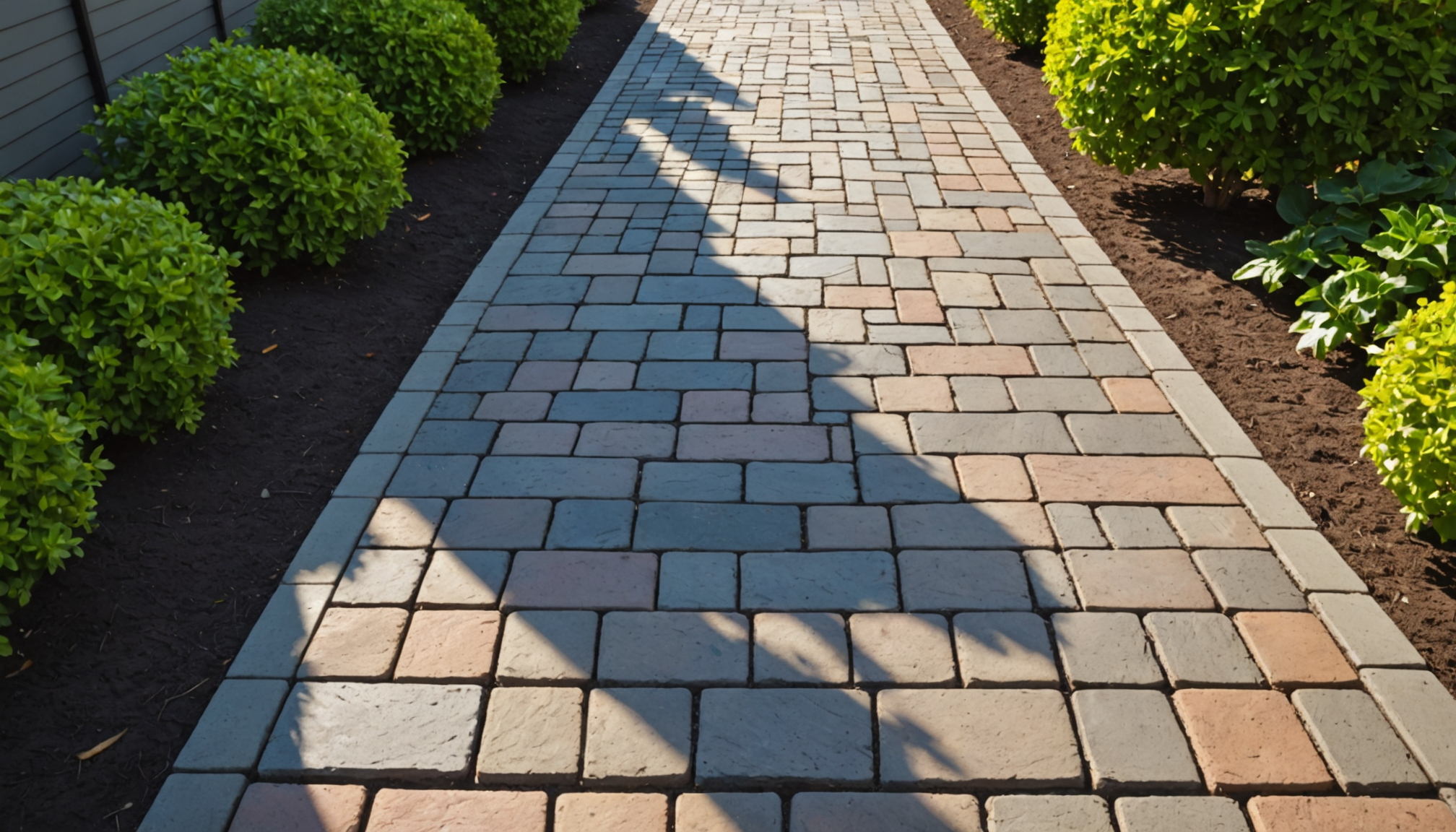
- Aesthetic Appeal: Visual appeal can impact property value and user satisfaction. Interlocking pavers offer a range of colors and patterns that can enhance the landscaping, while concrete can be stamped or stained to achieve a desired look.
- Budget: Initial and long-term maintenance costs must be considered. Concrete tends to be more expensive upfront but requires less maintenance over time compared to other materials like asphalt.
- Environmental Impact: Eco-friendly materials, such as permeable pavers, help manage stormwater runoff and reduce the heat island effect, contributing positively to sustainability goals.
To better understand how these factors compare across different materials, consider the following table:
| Material | Durability | Cost | Maintenance | Suitability in Extreme Climates |
| Asphalt | Moderate | Lower initial cost | Regular sealing needed | Less suitable |
| Concrete | High | Higher initial cost | Low maintenance | Excellent |
| Interlocking Pavers | High | Higher initial cost | Relatively low | Very suitable |
| Gravel | Low | Lowest initial cost | Frequent raking needed | Moderate |
Deciding on the right material for your paved surface can be a complex decision that balances aesthetic desires, practical requirements, and budgetary constraints. By carefully considering these factors, you can ensure that the selected material not only meets current needs but also contributes to long-term satisfaction and minimal maintenance efforts.
Understanding common issues
 Paved surfaces, regardless of the material used, often encounter a variety of issues over time. Understanding these common problems is crucial for timely intervention and maintenance, helping to preserve both functionality and appearance. Here’s a breakdown of some frequent issues that paved surfaces may face.
1. Cracking: One of the most typical problems, cracking can arise from multiple factors such as excessive loads, natural shrinking, treacherous freeze-thaw cycles, or subpar installation practices. Different materials exhibit distinct cracking patterns; for instance, asphalt might develop alligator cracks, while concrete tends to display linear cracks.
2. Potholes: Typically associated with asphalt surfaces, potholes form when water infiltrates cracks in the pavement, softening the base material. Under the weight of passing vehicles, these weakened areas break down, creating potholes.
3. Surface Erosion: Particularly prevalent in gravel pathways, erosion results from water movement or traffic, which gradually wears away the surface material. This can lead to an uneven pathway that is difficult to traverse and requires replenishment.
4. Fading: Paved surfaces, especially asphalt, are prone to fading due to prolonged sun exposure. UV rays can oxidize the surface, resulting in a brittle, gray appearance that diminishes aesthetic appeal.
5. Staining: Oils, chemicals, and other substances can seep into paved surfaces, leaving unsightly stains. Concrete is particularly susceptible due to its porous nature, necessitating regular cleaning to maintain its appearance.
6. Uneven Settling: This issue can occur when the ground beneath the pavement shifts or was improperly prepared. Tree roots may also cause uneven surfaces as they grow and exert pressure on the pavement.
7. Weed Growth: Pavements with gaps and joints, like those made from interlocking pavers or improperly sealed surfaces, often experience weed growth. Weeds can exacerbate cracks, leading to further damage by expanding with root growth.
To effectively manage these issues, it’s vital to perform regular inspections and address problems promptly. Understanding the root causes and taking appropriate preventative and remedial actions can significantly extend the lifecycle of your paved surfaces.
Cleaning and preventative measures
Maintaining the cleanliness and condition of paved surfaces is crucial not only for enhancing their aesthetic appeal but also for prolonging their durability and functionality. A key aspect of caring for these surfaces involves a combination of regular cleaning and implementing preventative measures.
Start by establishing a routine cleaning schedule. Regular sweeping is fundamental to prevent debris accumulation, which can lead to staining and surface abrasion. Leaves, dirt, and other organic matter should be cleared away promptly, especially after adverse weather conditions. This simple step can greatly minimize the risk of permanent discoloration and surface damage caused by decaying organic material.
For deeper cleaning, consider power washing as an effective method to remove stubborn stains, mold, mildew, and other contaminants that may not be easily displaced by sweeping alone. Ensure that the pressure is appropriate for the specific surface material; for instance, a lower setting is preferable for more delicate materials like asphalt, while harder surfaces such as concrete can withstand higher pressures.
In addition to regular cleaning, implementing preventative actions can significantly reduce wear and tear. One essential strategy involves the regular application of sealants. Sealing your paved surfaces creates a protective barrier against moisture penetration, which is a common cause of cracks and potholes. Sealants can also enhance the surface’s color and shine, offering a refreshed appearance that can withstand sun and water exposure for prolonged periods.
Another vital preventive technique is ensuring proper drainage systems are in place. Water is a primary adversary of paved surfaces and can lead to significant damage when allowed to pool. Regularly inspect and clear any obstructions in drainage systems to prevent water accumulation. This foresight helps mitigate the risk of erosion and undercuts, which can compromise the pavement’s structural integrity.
Adopting these combined cleaning and preventative measures not only maintains the immediate appearance of your paved surfaces but also addresses potential long-term issues before they arise. Such measures are instrumental in extending the life of the pavement, reducing repair costs, and enhancing the safety and usability of the space. By staying proactive with these maintenance routines, you ensure that your paved areas remain inviting, safe, and in peak condition for years to come.
Repair techniques for common damage
When faced with common damage on paved surfaces, it’s imperative to understand effective repair techniques that can restore the integrity and appearance of the pavement. One of the most prevalent issues is cracking, a problem that varies widely depending on the type of material used. For asphalt, small surface cracks often evolve into larger ones if left untreated. Addressing this begins with filling minor cracks using a high-quality asphalt patching compound, specifically designed to adhere to the existing surface. This compound should be applied when the pavement is dry and temperatures are moderate, allowing it to bond effectively and hold up under pressure.
Concrete, on the other hand, may develop linear cracks, which require a different approach. Begin repairs by cleaning out the cracks to remove any debris, dirt, or loose materials. Applying a concrete filler or sealant after cleansing ensures that the repair material adheres properly. It’s crucial to select a filler that matches the expansion and contraction rates of the concrete to prevent further cracking.
Aside from cracking, potholes present another significant challenge, often occurring due to neglected cracks that allow water infiltration. Repairing potholes involves removing the unsound material from the pothole and then filling it with a patching mix. For asphalt surfaces, a cold patch mix can be used for minor repairs, while larger potholes may necessitate hot mix asphalt for a more durable fix.
If surface erosion is an issue, especially common in gravel pathways, replenishing the material is essential. Redistribute the existing gravel and add additional layers, ensuring proper compaction to stabilize the surface. Frequent monitoring and maintenance will help prevent erosion-related issues from reoccurring.
Addressing fading is another crucial aspect, particularly for asphalt surfaces. Applying rejuvenators can restore oils lost from oxidation, reviving the color and flexibility of the surface. Consider seal coating these surfaces every few years to protect against UV damage.
Stains, which impair the appearance of paved surfaces, require prompt attention as well. For oil or chemical stains on concrete, using a degreaser followed by a thorough rinsing is often effective. In more severe cases, specialized concrete cleaning solutions may be necessary to remove deep-set stains without damaging the surface.
Finally, tackle the issue of uneven settling by assessing the root cause, which may involve compacting the sub-base or adding fill material. For minor unevenness, resurfacing the area after leveling can be an effective solution.
By employing these repair techniques, you can significantly extend the lifespan and functionality of your paved surfaces, preventing minor issues from escalating into major, costly repairs. Actively addressing damage as it occurs ensures that your paved areas remain a safe, visually appealing part of your property.
Seasonal maintenance tips
Regular upkeep throughout different seasons is pivotal in maintaining paved surfaces, as each season introduces unique challenges that need proactive handling. During winter, the presence of snow and ice can be particularly damaging. It’s essential to clear snow promptly using a plastic shovel to avoid scratching or chipping the surface. For ice, opt for de-icers that are safe for your specific pavement type. Traditional rock salts can be corrosive, especially on concrete, so choosing calcium magnesium acetate (CMA) or similar alternatives can mitigate potential harm.
As spring arrives, it’s an ideal time for a post-winter inspection to identify any damage caused by freezing and thawing. Check for new cracks or potholes and address them immediately to prevent further deterioration as the weather warms. Spring is also a suitable time for resealing paved surfaces, providing a renewed layer of protection against rain and the upcoming summer heat.
In the summer months, the sun’s intense heat can cause surfaces, especially asphalt, to soften, leading to potential deformation under heavy loads. To combat this, apply a reflective sealant if you haven’t already, which not only defends against UV radiation but also lowers the surface temperature. Be vigilant for signs of oil spillage, which can soften asphalt; clean up any spills promptly to avoid long-term damage.
Autumn offers an opportunity to clear away fallen leaves and organic debris that can retain moisture and lead to staining or surface erosion. It’s an excellent time to ensure your drainage systems are unobstructed in preparation for increased rainfall. Addressing these issues now prevents water from pooling and exacerbating existing problems through the winter.
By implementing tailored seasonal maintenance practices, you proactively manage the stress that various weather conditions impose on paved surfaces. Addressing issues promptly within the context of seasonal threats ensures that your pavements remain structurally sound and aesthetically appealing throughout the year, providing you with a long-lasting and reliable surface alignment.
In conclusion, maintaining paved surfaces requires thoughtful consideration regarding material choice, awareness of common issues, and routine upkeep tasks tailored to each season. By adopting regular cleaning practices, addressing damages swiftly, and incorporating preventative measures, property owners can greatly extend the lifespan of their pavements. This proactive approach minimizes repairs, sustains functionality, and retains visual appeal, ensuring safe and pleasant pathways all year round.