Regular cleaning and sweeping of your porch is an essential step in preserving its beauty and functionality. Just as with any outdoor space, porches are subject to the elements—dust, dirt, leaves, and other debris can accumulate quickly, leading to an unattractive appearance and potential damage over time. Adopting a routine maintenance schedule that includes cleaning and sweeping helps keep your porch in pristine condition.
For a DIY approach, begin by gathering the necessary tools: a stiff-bristled broom, a dustpan, a hose or pressure washer, and a suitable cleaner depending on your porch material. Start by sweeping away loose debris with the broom to prevent buildup. Pay particular attention to corners and edges, where dirt and leaves tend to collect.
After you’ve removed the surface debris, a deeper clean may be necessary for specific types of porches. Wooden porches, for example, require special attention to maintain their appearance and prevent damage. Utilize a gentle cleaning solution suitable for wood, ensuring it doesn’t strip away the protective sealant. Rinse with a garden hose, applying water evenly to avoid excess moisture that might lead to mildew or rot. If you’re dealing with a particularly stubborn stain, a light scrub with a soft brush and a diluted vinegar solution can work wonders.
For porches made of composite materials or painted surfaces, it’s important to avoid harsh chemicals that could damage the finish. A mild dish soap and warm water solution, applied with a soft cloth, is often enough to handle most cleaning needs without causing harm.
The frequency of these cleaning activities can vary based on your local environment and the time of year. Dusty areas or heavy precipitation seasons may necessitate more frequent cleanings. A consistent cleaning routine not only helps in preserving the porch’s aesthetics but also acts as a preliminary inspection to identify any emerging issues such as mold or insect infestations.
Here’s a comparison for different cleaning tools and methods you might consider:
| Cleaning Tool/Method | Best For | Advantages | Disadvantages |
| Stiff-bristled broom | General sweeping | Simple, low-cost | Less effective on tough stains |
| Pressure washer | Deep cleaning | Effective on stubborn dirt | Can damage wood if used improperly |
| Mild detergent with water | All-purpose cleaning | Safe on most surfaces | May require more elbow grease |
| Vinegar solution | Stain removal | Natural and non-toxic | Strong odor |
By integrating regular cleaning and sweeping into your seasonal porch maintenance routine, you can ensure it remains an inviting and durable part of your home. Remember, well-maintained porches not only enhance curb appeal but also extend the longevity of the structure itself, saving you time and money on extensive repairs in the long run.
Inspecting and repairing damages
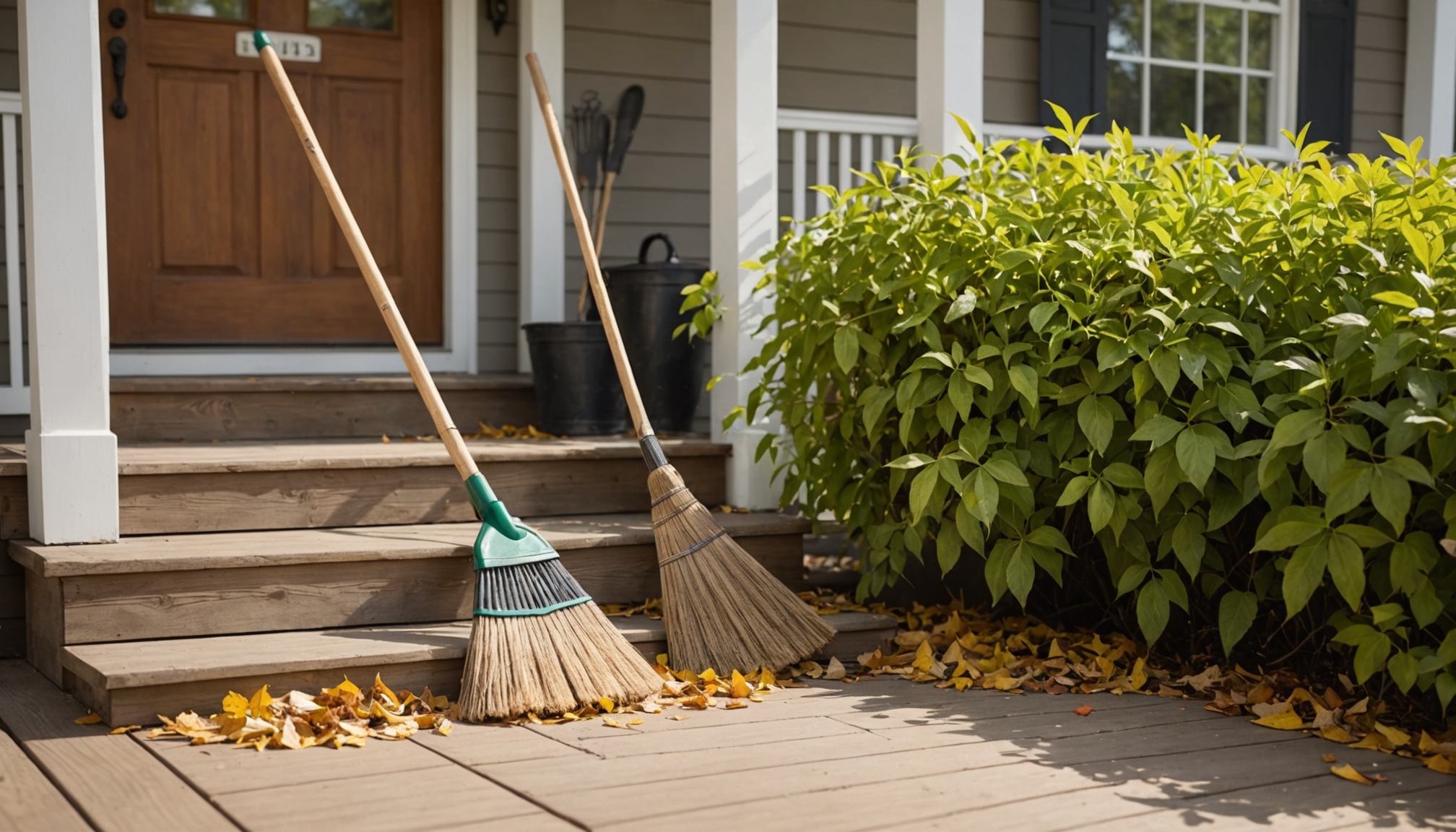 Regular inspections of your porch are crucial to maintaining its structural integrity and aesthetic appeal. This preventative measure helps identify minor issues before they become costly repairs. By following these steps, you can ensure your porch stays in excellent condition and is safe for all.
- Gather the necessary tools: Before you start, make sure you have a flashlight, a screwdriver, a level, and a notepad to document any issues. Having the right tools on hand will make the inspection process more efficient.
- Check the flooring: Begin by inspecting the floorboards for any signs of rot, warping, or damage. Carefully examine any areas that appear soft or discolored, as these could indicate water damage or insect infestation. Use a screwdriver to gently probe the wood, ensuring it is solid.
- Examine the railings and balusters: Test the stability of the railings and balusters by applying light pressure. They should be secure without any give. If movement is detected, tighten any loose screws or bolts. Look for signs of splintering or cracking and replace any damaged pieces to maintain safety.
- Inspect the stairs: Ensure that all steps are level and free of cracks. Check for loose or missing nails or screws and repair as necessary. Pay attention to the handrails, ensuring they are stable and secure.
- Assess the support beams: Use a flashlight to inspect underneath the porch. Look for signs of rot or insect damage on the support beams and posts. Any sagging or leaning structures need immediate attention. It may be wise to consult a professional if structural issues are suspected.
- Look for gaps: Check for gaps around the porch that could allow water or pests to enter. This can include areas where the porch connects to the house. Seal any gaps with appropriate waterproof caulking or weatherstripping to prevent further damage.
- Inspect the paint or finish: Look for peeling or chipping paint, which can expose wood to moisture and lead to rot. Sand down areas where the finish is damaged and reapply paint or sealant to protect the surface from the elements.
- Document and address issues: Take notes or pictures of any damages you encounter. Prioritize repairs based on severity and potential impact on the porch’s stability. Consider a DIY approach for minor fixes, while leaving significant structural repairs to professionals.
By regularly inspecting and promptly repairing any damages, you help maintain your porch’s function and beauty, extending its lifespan and ensuring it remains a safe, welcoming part of your home.
Weatherproofing and sealing
Applying a weatherproofing and sealing routine is a crucial part of maintaining your porch, as it serves as a barrier against the harsh elements of nature. Weatherproofing protects your porch from moisture damage, such as wood rot or mildew, and helps maintain the structural integrity of the porch, preventing deterioration over time. By ensuring that your porch is properly sealed, you can avoid costly repairs and enjoy your outdoor space for years to come.
Begin the process by selecting the right type of sealant for your porch’s material, whether it be wood, concrete, or composite. For wooden porches, a high-quality wood sealant or stain not only enhances the wood’s natural grain but also provides a protective layer against UV rays and moisture. When choosing a sealant, opt for one with a water-repellent formula that offers UV protection, as direct sunlight can cause wood to warp and fade.
Ensure that the porch is clean and dry before applying the sealant. Sweep off any debris and wash the surface to remove grime and mildew. This step is similar to the cleaning methods detailed earlier, ensuring that the porch is free from dirt and moisture that could prevent the sealant from adhering properly. If you suspect mold or mildew, treat these areas with an appropriate cleaner to avoid locking in the problem beneath the sealant layer.
Once the surface is prepared, apply the sealant using a brush, roller, or sprayer, depending on the size and layout of your porch. A sprayer can be efficient for large areas, while brushes and rollers allow for more precision in corners and edges. Follow the manufacturer’s instructions for the best results, focusing on even coverage and adequate drying time between coats.
Regular weatherproofing and sealing are key to extending the lifespan of your porch, guarding it against seasonal fluctuations. In colder months, sealing prevents moisture from seeping into crevices, which can freeze and expand, risking structural damage. During warmer seasons, the protective layer ensures that sunlight won’t prematurely age the materials, maintaining your porch’s shine and sturdiness throughout the year.
By integrating these important steps into your DIY maintenance practices, you safeguard one of your most valuable outdoor living spaces. This proactive approach to weatherproofing not only saves time and money on future repairs but also ensures that your porch remains a beautifully inviting area for entertaining and relaxation.
Maintaining furniture and decorations
Caring for your porch furniture and decorations is vital to preserving their appearance and extending their usability. Outdoor furniture and decorative elements are constantly exposed to the elements, which means they require specific care to maintain their integrity and charm. The first step in this process is understanding the materials your furniture and decorations are made of. Whether they are constructed from wood, metal, fabric, or plastic, each material has its own unique maintenance needs.
For wooden furniture, apply a protective sealant or wood oil annually to keep the wood hydrated and protected from moisture and UV damage. Be sure to clean the surfaces regularly, removing dirt and debris with a soft cloth and a mild detergent solution. If you notice any signs of mildew or mold, address these promptly using a mixture of vinegar and water to gently clean the surface.
Metal furniture, often painted or powder-coated to resist rust, benefits from regular cleaning with water and a gentle soap to prevent dirt build-up that can lead to corrosion. For added protection against rust, consider applying a thin coat of car wax once a year. If rust has already begun to form, employ fine sandpaper to sand away rust spots before repainting with a rust-resistant paint.
Fabric elements, such as cushions and outdoor rugs, can be some of the most susceptible to wear and tear. Look for items with removable and washable covers, and launder them according to manufacturer instructions. For non-removable covers, spot-clean stains promptly and consider storage solutions to protect them from rain or intense sunlight, which can fade colors and degrade materials.
Wicker and rattan pieces add a classic touch, but need periodic dusting and care. Use a vacuum or a brush with soft bristles to remove dust and debris. To prevent cracking or drying out, apply a protective oil or varnish, especially before the onset of harsher seasons. During extreme weather, consider moving fragile items to a sheltered area or using covers designed specifically for outdoor furniture to extend their lifespan.
Decorations, such as planters, lanterns, or sculptures, should be assessed seasonally to prevent damage. Planters need proper drainage to avoid waterlogging the plants and the surrounding surfaces—ensure any saucers or undersides are clear of obstructions. Metal decorations should be treated similarly to metal furniture, with rust prevention in mind. Regularly clean and polish all decorative items to keep them looking their best.
Implementing a consistent maintenance routine will safeguard your furniture and decorations against seasonal weather variations. This not only preserves their aesthetic and functional value but also enhances your porch’s overall allure. By staying proactive with your DIY maintenance efforts, you ensure that your outdoor space remains as inviting and comfortable as it was designed to be, ready for relaxation and entertainment throughout all seasons.
Seasonal maintenance tips
Adapting your porch maintenance to the seasons is an effective way to protect your outdoor space from varying weather conditions and ensure it remains in excellent shape throughout the year. In the spring, focus on prepping your porch for the warmer months. This is an opportune time to perform a deep clean, remove any debris left from winter, and check for and address any winter damage. Cleaning and applying fresh coats of paint or sealant is also ideal during this season, as moderate temperatures allow for proper drying.
During the summer, routine maintenance should center around protecting your porch from the sun’s rays. Consider adding a layer of UV-protective sealant to prevent fading and warping. It’s also a great period to rearrange or replace any worn-out furniture or decorations to enhance the appeal of your porch. Regular cleaning ensures that pollen and dust accumulation is minimized, keeping your porch welcoming and comfortable.
Autumn brings falling leaves and cooler temperatures, which can clutter and potentially harm your porch if not promptly addressed. Make sure to sweep regularly to prevent leaves from accumulating in corners or gutters, paving the way for a smooth drainage system. Fall is also an excellent time to install or check insulation and weatherproofing materials, ensuring your porch is prepared for the upcoming cold.
In the winter, proactive steps can prevent damage from snow and ice. Use a broom to gently brush off light snowfalls from flooring and railings to avoid moisture build-up, which might lead to rotting or warping in wooden structures. Ensure your porch furniture is protected with covers or stored away to shield them from harsh conditions. Anticipate slippery surfaces by applying non-slip mats or adding salt where necessary, to ensure safety.
By understanding and incorporating these seasonal maintenance practices, you not only extend the longevity of your porch but also maintain its appearance and functionality year-round. Regular maintenance, tailored to the specific demands of each season, is key to ensuring your outdoor space remains a cherished part of your home through every change in weather.
In conclusion, keeping your porch in pristine condition requires a blend of regular cleaning, diligent inspections, timely repairs, and protective measures against the elements. Each season presents unique challenges and opportunities for DIY maintenance, ensuring your porch remains inviting and structurally sound. By integrating these practices into your regular home care routine, you create a welcoming, well-preserved space that enhances your outdoor living experience for years to come.