When considering how to effectively protect your doors, choosing the right materials is a critical first step. The material you select not only affects the aesthetic appeal and energy efficiency of your doors but also plays a pivotal role in their security and durability. Each material offers unique benefits and potential drawbacks based on your specific security needs and environmental considerations.
Wooden Doors are a classic choice, offering both beauty and an inviting warmth that can complement various home styles. Typically crafted from hardwoods like oak or mahogany, wooden doors boast incredible strength. However, they do require regular maintenance to protect against warping and rotting, especially in more humid climates. Choosing sustainably sourced wood can also contribute to an eco-friendly home improvement initiative.
Steel Doors provide superior security due to their robustness and resistance to forceful entry. These doors can withstand severe weather conditions with minimal maintenance, making them an excellent choice for external security. However, while sturdy, they can be prone to dents and scratches, so a consideration of aesthetic upkeep is necessary.
Fiberglass Doors combine the best of both worlds. They mimic the appearance of wood and offer additional insulation. Fiberglass doors are highly effective at resisting wear and tear, making them a long-lasting choice that can withstand both environmental and security challenges. Although initially more expensive, their durability often leads to cost savings over time.
Glass Doors, particularly when reinforced with laminated or tempered glass, can be a secure option that allows for natural light and modern design. To enhance security, avoid standard glass and opt for variants equipped with high security features. Of course, while more susceptible to breakage than solid core options, advancements in glass technology have made them much safer and more reliable.
Here is a comparison of key features across different door materials:
| Material | Security | Maintenance | Eco-Friendly | Cost |
| Wood | High | High | Yes, if sustainably sourced | Moderate to High |
| Steel | Very High | Low | Moderately | Low to Moderate |
| Fiberglass | High | Low | Moderate | Moderate to High |
| Glass | Moderate (with enhancements) | Moderate | Low | Variable |
Beyond material choice, it’s essential to think about your specific security needs and design preferences. When you’re on a home improvement journey, hiring pros can help you evaluate your options and execute the installation correctly to ensure the safety and longevity of your doors. Tailoring your door material to your personal requirements while considering environmental impacts and overall home aesthetics is a vital part of enhancing your property’s security effectively.
Installing proper locking mechanisms
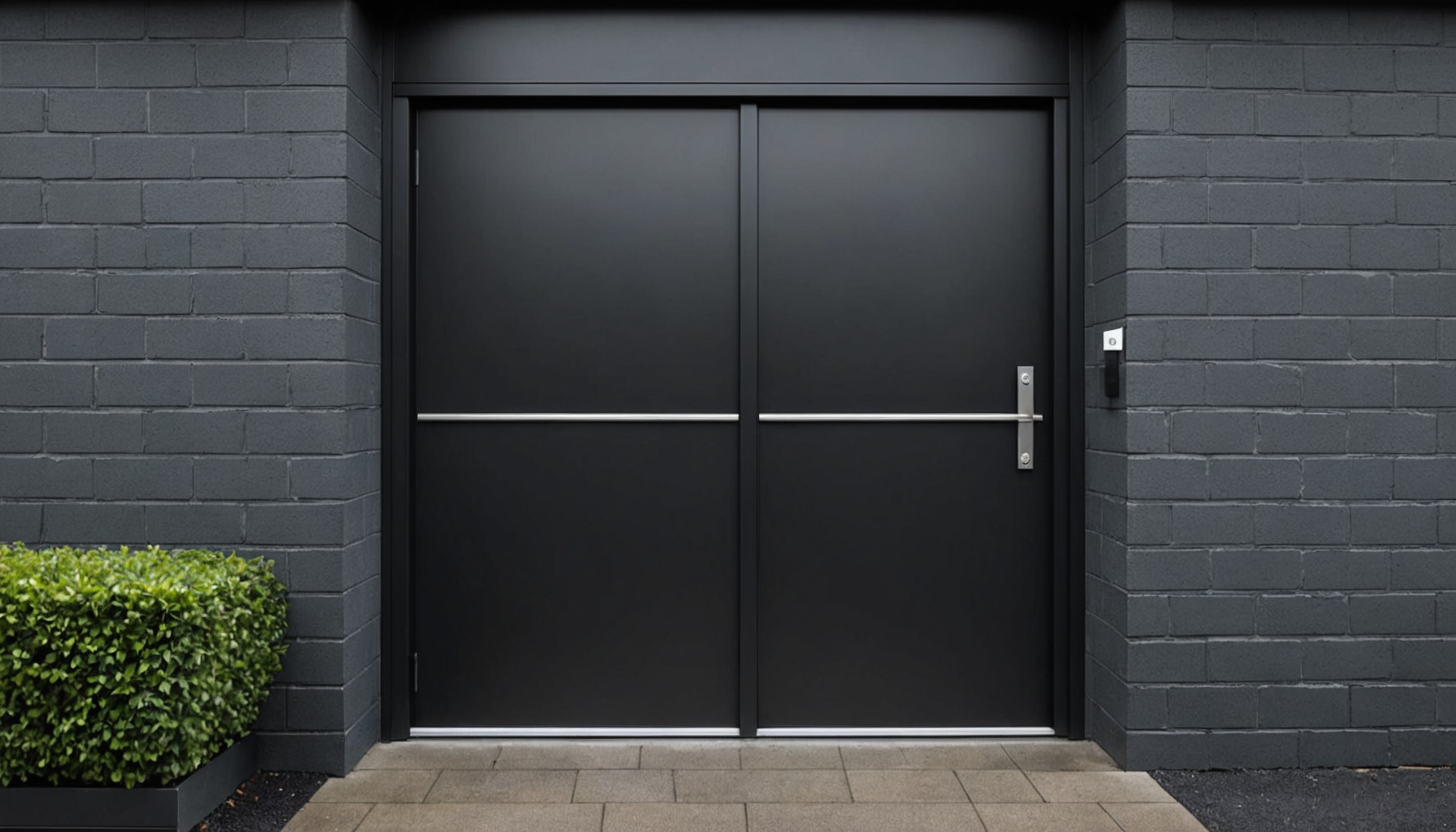 When it comes to securing your doors, installing proper locking mechanisms is crucial for preventing unauthorized access and ensuring the safety of your home. Here’s a systematic approach to selecting and installing the right locks:
1. Assess Your Security Needs:
– Consider the location and function of each door. Front and back doors require different levels of security compared to interior doors.
– Evaluate the crime rate and security concerns in your neighborhood to determine the strength and type of locks needed.
2. Research Lock Types:
– Look into different kinds of locks such as deadbolt locks, knob locks, lever handle locks, and smart locks. Each has unique features, benefits, and installation requirements.
– Deadbolts are recommended for exterior doors due to their strength. A single-cylinder deadbolt is operated with a key from the outside and a thumb turn on the inside, while a double-cylinder requires a key on both sides, offering increased security.
3. Select Quality Products:
– Invest in high-quality locks made by reputable brands, focusing on longevity and security features. Look for locks with a Grade 1 or Grade 2 ANSI rating for best protection.
– Check for locks with additional features such as pick, bump, and drill resistance, which enhance security.
4. Gather Necessary Tools:
– Before starting the installation, ensure you have the required tools like a screwdriver, drill, drill bits, tape measure, pencil, and a hole saw if necessary.
5. Prepare the Door:
– Ensure the door and frame are properly aligned. Misaligned frames can affect lock function and security.
– If replacing existing locks, clean out old wood chips or debris from the door’s lock bore for a smooth fit.
6. Install the Lock:
– Follow the manufacturer’s instructions carefully for installation. Begin by marking where the lock’s components will go, starting with the strike plate on the door frame.
– Drill pilot holes for screws and the necessary diameter hole for the lock body. Make sure holes are straight to avoid misalignment.
– Insert the lock mechanism into the pre-drilled holes on the door. Secure the latch plate with screws.
– Install the exterior and interior parts of the lock, ensuring they fit snugly together. Secure with provided screws.
7. Test the Lock:
– Once installed, test the lock multiple times to ensure it operates smoothly and locks securely without any resistance.
– Check that the deadbolt fully extends into the strike plate hole and that the strike plate is firmly attached to the door frame.
8. Seek Professional Help If Needed:
– If installation is beyond your skill level or if pre-existing doors need significant adjustments to accommodate new locks, consider hiring pros to avoid compromising security.
– Professional installation can also ensure that your home improvement efforts do not unintentionally damage doors or frames.
By carefully selecting and properly installing high-quality locks, you can significantly increase the protection offered by your doors. This not only provides peace of mind but also enhances the overall security of your home for you and your family.
Reinforcing door frames
Reinforcing door frames is an essential step in safeguarding your home. While high-quality doors and locks are vital, the strength of your door frame plays an equally significant role in overall security. A well-reinforced frame can help prevent forced entry, making it harder for intruders to succeed. Here’s how you can effectively reinforce your door frames.
Firstly, inspect the condition of your existing door frame. Look for signs of wear and tear, such as cracks, warping, or rot. These vulnerabilities can compromise the strength of the frame and undermine your security efforts. If significant damage is found, replacing the frame may be necessary. Opt for a solid wood or metal frame for enhanced durability. Wood is a popular choice for its classic appeal, but ensure it’s a hardwood variety, like oak, which withstands pressure much better than softer woods.
Once the frame is assessed or replaced, consider using reinforcement plates. These plates add an extra layer of protection to high-stress areas around the lock and latch. Typically made of steel, they help distribute force, making it more challenging for a door to be kicked in. Reinforcement plates are particularly useful in older homes where the original door frame might not meet current security standards.
Another effective method is to install longer strike plates and screws. The strike plate is where the deadbolt locks into place. Traditional installations use short screws that only penetrate the door jamb, making them easy targets during a forced entry attempt. By replacing these with 3-inch screws, you ensure that they anchor into the wall’s studs, which provides significantly increased strength and burglar resistance.
In addition to reinforcement plates and longer screws, consider implementing a door jamb security bar. This simple device can add substantial resistance to a forced entry attempt. It acts by exerting direct pressure on the door when force is applied, effectively rendering brute force tactics ineffective.
Furthermore, integrating security footage or sensors into the frame region can provide additional peace of mind. Consider smart security technology, which can detect tampering attempts and send instant alerts to your smartphone, while cameras can deter potential intruders when installed visibly.
Finally, for comprehensive home improvement, hiring pros to evaluate and reinforce your door frames can be a wise investment. Professional installation ensures all security measures are properly executed, minimizing vulnerabilities. Experienced tradespeople can identify potential weak spots you might overlook and provide tailored advice on the best materials and methods for your specific needs.
By paying attention to the robustness and security of your door frames, you can significantly enhance your home’s protection. Not only does this improve safety, but reinforcing door frames also increases the longevity and stability of your entire entry system, providing both practical and peace-of-mind benefits for your home and family.
Using smart security technology
In today’s technologically advanced world, integrating smart security technology into your home has become an increasingly popular method for enhancing the safety of your doors. By implementing smart solutions, you can transform how you monitor and secure your property, providing peace of mind like never before. Here’s how you can incorporate these technologies into your home to protect your doors effectively.
Start by considering a smart lock system. Unlike traditional locks, smart locks allow you to control and monitor your door access remotely, using your smartphone or other smart devices. This means you can lock or unlock your doors from anywhere, ensuring you never leave home vulnerable. Depending on your preference, you can choose between keyless entry models, which use codes or biometric data, and those that integrate with your existing mechanical lock systems. Many smart locks also send alerts when someone enters or exits your home, enabling you to keep an active check on all activities.
Another vital element of smart security is the installation of video doorbells. These devices enable you to see and communicate with whoever is at your door without having to open it. Video doorbells are especially useful for preventing package theft and unwanted visitors. They come equipped with motion detection features, which alert you whenever someone is near your front door, further ensuring the protection of your entry points.
For broader coverage, consider installing smart security cameras around your home’s exterior, focusing on vulnerable areas such as entry and exit points. These cameras often feature advanced functionalities like night vision and motion detectors, sending real-time notifications and video feeds straight to your phone. This way, you can maintain a visual of your home at all times, even during the night or when you’re away on vacation.
Connecting your smart devices to a centralized smart home hub allows for seamless control and integration with other smart home systems. This means you can easily sync your doors’ security systems with lighting, alarms, and other smart gadgets, creating automated responses such as turning on the lights or activating alarms when unauthorized access is detected.
While implementing smart security technology may initially require a financial outlay, it’s an investment in the overall protection and improvement of your home. If you’re not tech-savvy, hiring pros for installation can be a wise decision to ensure everything is correctly installed and configured. Professionals can also provide advice on the best products tailored to your specific home setup and security needs.
By embracing these modern security measures, you not only bolster the safety of your doors but also enhance your entire home’s eco-friendly profile by potentially reducing energy consumption through smarter resource management. As you integrate these technologies, you’re not just protecting your property; you’re contributing to a more connected and efficient lifestyle, reflecting a forward-thinking approach to home improvement and security consciousness.
Regular maintenance and inspections
Performing regular maintenance and inspections on your doors is crucial to ensure their optimal function and security. Over time, even the most durable doors can exhibit wear and tear due to environmental exposure and daily use. Therefore, setting aside time for routine checks can prevent small issues from evolving into major setbacks.
Begin by examining the condition of the door surface. Look for indications of wear such as cracked paint, swelling, or discoloration. This is particularly important for wooden doors, which, if untreated, might be prone to warping or rotting. For steel doors, inspect for any signs of rust or corrosion, which can occur despite their resilience. Similarly, inspect fiberglass doors for surface damage or fading due to UV exposure.
Check the functionality of the locking mechanisms regularly. Ensure that all locks open and close smoothly; any resistance can signal the need for lubrication or adjustment. Applying a graphite-based lubricate to mechanical locks will help keep them in good working order. For smart locks, check their software for updates to maintain optimal operation and security features.
Inspect door seals and weather stripping, which are vital to maintaining energy efficiency and preventing drafts, pests, or water infiltration. Damaged or worn weather stripping should be replaced promptly to ensure your door remains eco-friendly by conserving energy.
The hinges also need attention. Tighten any loose screws in hinges and locks, as these can affect the alignment and security of your door. If a door feels saggy or misaligned, checking the hinge screws and reinserting them with longer screws, if necessary, can often resolve the issue, ensuring a tight seal when the door is closed.
Scheduling a full inspection of the door frame is wise for confirming overall security. Reinforce areas showing signs of weakening, especially around the strike plate, where additional support can safeguard against forceful break-ins. This is a critical aspect of home improvement, ensuring the prolonged security of your home.
Finally, consider hiring pros to perform a comprehensive inspection annually. These experts can identify potential vulnerabilities that may not be visible to an untrained eye and offer solutions tailored to your specific needs, significantly amping up your door’s defenses.
Incorporating these regular maintenance practices doesn’t just protect your doors but also enhances their lifespan, ensuring they remain a robust barrier against intruders and the elements. With consistent care, your doors can continue to provide security and comfort, safeguarding your family and belongings effectively.
In conclusion, safeguarding your doors involves a multipronged approach, focusing on material selection, upgrading locking systems, reinforcing structures, integrating smart technologies, and committing to ongoing maintenance. By combining these strategies, you protect your home from potential threats while enhancing its functionality and aesthetic appeal. This investment not only fortifies your space but also delivers enduring peace of mind for you and your family.