Before embarking on the journey to replace your entryway, it is crucial to take a comprehensive look at the current state of your existing setup. A thorough assessment will not only help streamline the replacement process but also ensure that you make informed decisions about the materials and designs that will best suit your needs and budget. Start by examining the structural aspects of the entryway, considering points such as the door, frame, and surrounding areas to determine their condition and functionality.
First, inspect the door itself. Check for any signs of wear, such as cracks, warping, or peeling paint. Evaluate whether the door still sits properly within the frame and opens and closes smoothly. A drafty door, especially during colder months, may indicate poor insulation which could be a candidate for replacement with an eco-friendly alternative. Look for excessive noise or a lack of sturdiness as additional indicators that your door might be due for an update.
Next, assess the frame and threshold. Age and exposure to the elements can lead to rotting wood or rusted metal, which can compromise the security and aesthetics of your entryway. Check for gaps that might allow air to escape or pests to enter, and examine the hinges and locks for wear or damage. This investigation will be a determinant in deciding whether you need partial repairs or a full-scale replacement.
Your evaluation should also consider the aesthetic component. Consider whether the current design of your entryway complements the rest of your home’s architecture, including adjoining spaces like the hallway or kitchen. If your entryway feels outdated or incongruent with the interior design, note these observations for when you select new materials and design elements. An entryway that harmonizes with your living space can provide a welcoming transition into the home and contribute positively to the property’s ambience.
To put these findings into perspective, let’s look at a simple analysis of potential concerns:
| Aspect | What to Check | Replacement or Repair? |
| Door | Cracks, drafts, noise | Replace if severe, repair if minimal |
| Frame | Rotting wood, rust | Replace if significant, reinforce if minor |
| Aesthetics | Outdated style, cohesion with interior | Replace for updated matching design |
This proactive approach allows for a more organized planning phase as you progress towards the replacement of your entryway. By methodically analyzing each component, you can prioritize tasks, apply efficient solutions, and even consider eco-friendly materials or styles that adhere to your budget and offer long-term benefits, contributing to a beautifully transformed—and sustainably functional—entryway.
selecting the right materials
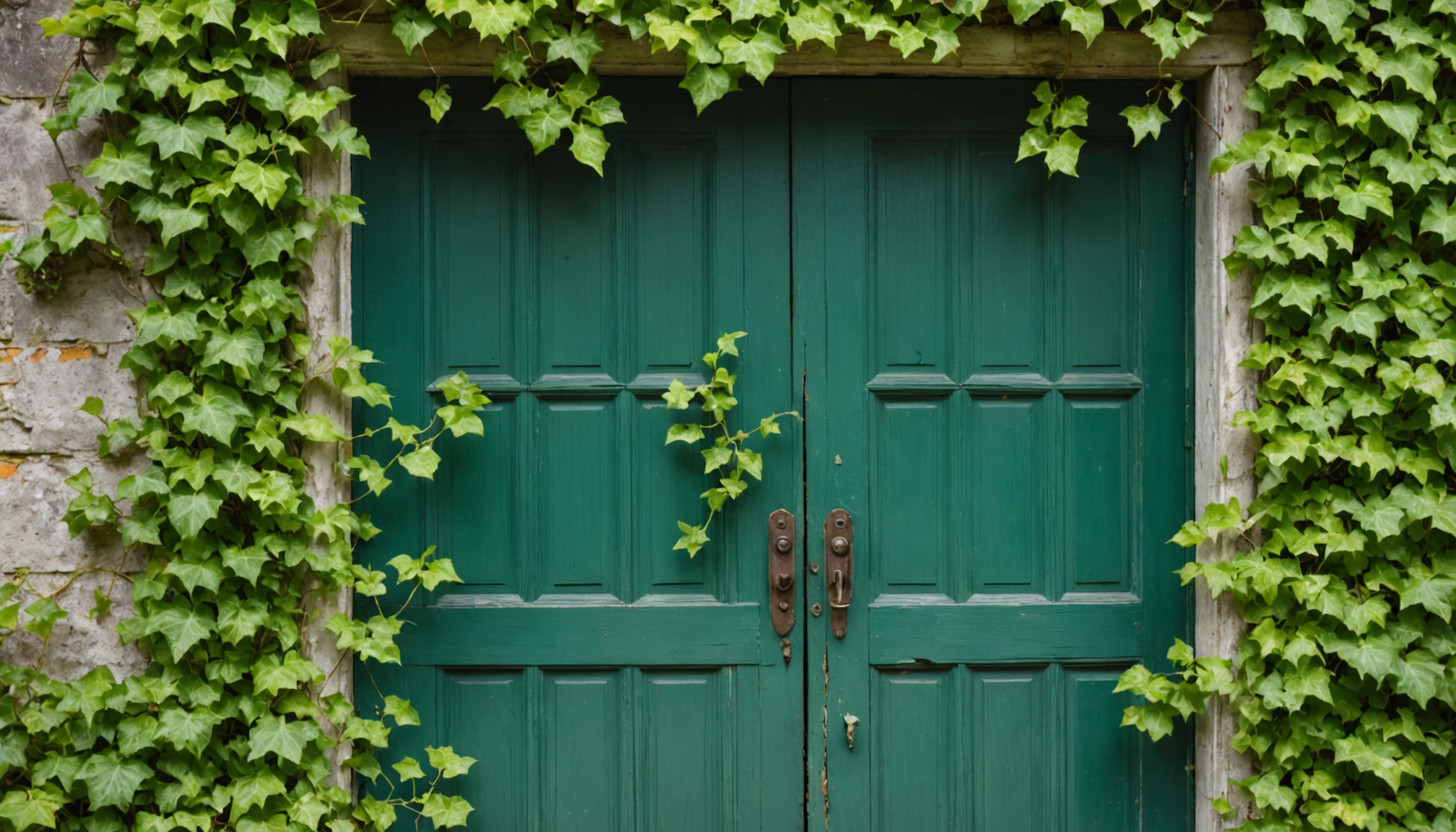 Choosing the right materials is a crucial step in the process of replacing your entryway, as it not only affects the aesthetic appeal but also determines the durability, functionality, and energy efficiency of your new setup. Here’s a comprehensive guide on how to make the best selections tailored to your specific needs, budget, and design preferences:
1. Consider Material Types:
– Wood: Perfect for those seeking a classic, warm look. Ensure you select high-quality, treated wood that can withstand various weather conditions. Keep in mind the need for regular maintenance to prevent warping or rotting.
– Steel: Offers excellent security and is highly durable. Steel doors are low-maintenance and energy-efficient, but they may require painting to avoid rust over time.
– Fiberglass: Known for its versatility and ability to mimic wood, fiberglass provides great insulation and resistance to wear and tear. It’s an excellent choice for eco-friendly homeowners looking to reduce energy loss.
– Aluminum: Lightweight and resistant to rust, aluminum frames are a good choice for those who desire a modern look, though they may not insulate as well as other materials.
2. Eco-Friendly Options:
– If sustainability is a priority, look for materials that are sustainably sourced or energy-efficient, such as doors with a high R-value for better insulation or those made from recycled materials.
3. Budget Considerations:
– Set a clear budget before shopping for materials. Consider not just the upfront costs but also the long-term savings from energy-efficient materials, which can result in lower heating and cooling bills.
– Balance cost with durability; sometimes spending a bit more initially on a more durable material can save money in the long run by reducing the need for repairs or replacement.
4. Think About Design:
– Select materials that complement the design style of your home. Whether it’s a modern, rustic, or traditional look, ensure that the material choice enhances your property’s aesthetic appeal and increases its overall value.
– Consider features like glass panels or custom designs to add visual interest and allow natural light into an adjoining space such as a hallway or kitchen.
5. Safety and Security:
– Prioritize materials that add a level of security, especially if your entryway is directly exposed to the street. Look for reinforced options or those with integrated security features like multi-point locking systems.
6. Maintenance Requirements:
– Evaluate how much maintenance you are willing to perform. While steel and fiberglass require less upkeep, wood might need more attention to maintain its appearance and prevent damage.
– Keep in mind that certain climates might accelerate wear on specific materials, so choose accordingly if your area is prone to extreme weather changes.
By considering these factors, you can select the right materials that ensure your new entryway is not only beautiful but also functional, secure, and in alignment with your environmental values and financial constraints. This thoughtful approach will ensure the selected materials align with your vision and practical needs, creating a welcoming transition into your home.
preparation and tools needed
Before diving into the actual task, having all the necessary preparations and tools in place is essential to ensure a smooth and effective replacement process. This phase requires careful attention to detail so that you minimize disruptions and achieve a high-quality outcome. Here’s a comprehensive list of steps and tools needed to prepare for replacing your entryway:
1. Obtaining Necessary Permits:
– Depending on your location and the extent of the renovation, you might need to obtain permits. Check with your local building authority to ensure compliance with regulations, especially if making structural changes. This step is critical to avoid future legal headaches and to ensure that the project follows safety standards.
2. Measuring Your Entryway:
– Accurate measurements are the foundation of a successful replacement. Measure the height, width, and depth of the current door and frame to ensure that your new entryway fits perfectly. Don’t forget to measure diagonal distances to confirm that the opening is square. Precise dimensions help avoid costly and time-consuming mistakes.
3. Assembling Required Tools:
– Gather a comprehensive set of tools that will facilitate the removal of the old entryway and installation of the new one. Key tools include:
– Screwdrivers and wrenches for removing screws and fasteners.
– Hammer and crowbar for dismantling the existing setup.
– Drill for making holes in the frame and wall.
– Level to ensure your new entryway is perfectly aligned.
– Saw for cutting through materials, particularly if adjustments are necessary.
– Safety gear such as gloves and goggles to protect yourself during the process.
4. Preparing the Work Area:
– Clear the area surrounding your entryway to provide enough workspace and prevent any accidents. Remove furniture, rugs, or obstacles that may hinder movement.
– If your entryway adjoins spaces like the kitchen, protect these areas with dust barriers to prevent debris from spreading during the replacement.
5. Material Verification:
– Before starting work, verify that all materials and components have been delivered and meet the specifications. Check the condition of the new door, frames, and any additional hardware to avoid any mid-project delays or need to reorder parts.
6. Budget Review:
– Revisit your project budget to ensure all expenses are accounted for, including materials, labor (if hiring professionals), and unforeseen costs. It’s vital to have a contingency fund to address any unexpected situations during the replacement.
7. Eco-Friendly Disposal:
– Plan the disposal of your existing entryway responsibly. Look into recycling programs in your area for materials like wood or metal, especially if you’ve chosen an eco-friendly upgrade. This not only adheres to environmental values but might also reduce disposal costs.
By thoughtfully preparing and gathering the appropriate tools, you’ll position yourself for a successful and efficient replacement process. With these preparations in place, you’ll be ready to tackle each step with confidence, effectively replacing your entryway and enhancing your home’s overall functionality and appearance.
step-by-step replacement guide
With your preparations complete and tools ready, you can now proceed to the exciting part of your entryway transformation. Follow these detailed steps to ensure a seamless replacement process that will leave your home both functional and visually appealing:
Start by removing the old door. Begin by unscrewing the hinges using a screwdriver, and have someone else support the door to prevent it from falling. Gently lift the door out of its frame and set it aside. Pay attention to any door closers or additional hardware that may need removal.
Next, tackle the frame. Use a crowbar or pry bar carefully to remove the door frame from the surrounding wall. If you’ve ensured that the opening is square and the measurements are correct, this step should proceed smoothly. Take care to avoid damaging the wall or trim, as this will affect the installation of the new door.
Once the old frame is removed, thoroughly clean the exposed entryway. Clear away any debris, old caulk, and residue to prepare a smooth surface for the new frame. This cleaning process is essential not only for aesthetics but to ensure a snug fit for the new materials.
Now, it’s time to install the new frame. Position the frame in the entryway and use a level to ensure it is perfectly aligned. Temporary shims can help keep the frame in place as you adjust and check the alignment. With the frame properly positioned, secure it to the wall with screws, making sure not to over-tighten and risk damage.
Proceed with hanging the new door. With assistance, lift the door into place to check the fit within the newly installed frame. Attach the hinges on one end, then align the door within the frame, making necessary adjustments to ensure a smooth operation. Once satisfied, attach the remaining screws to secure the door in place.
The next step involves adding the finishing elements, such as weather stripping and thresholds, to enhance insulation and energy efficiency. These components not only help in creating an eco-friendly entryway but also prevent drafts, reducing heating and cooling costs over time.
After the door is fitted, install the hardware. Add knobs, locks, and any additional security features as planned. This is your chance to incorporate modern security options like reinforced or smart locks, ensuring that your entryway is not only beautiful but also safe and secure.
Finally, check the overall functionality. Open and close the door multiple times, making sure it operates smoothly and without obstruction. Observe for unusual noises or unwanted drafts, adjusting the alignment or seals as needed.
By following these step-by-step instructions, you can confidently replace your entryway, knowing each phase has been thoughtfully executed. As the entryway is the transition between the outdoor and indoor spaces, including areas like the kitchen, its successful replacement enhances both the functionality and aesthetic coherence of your living environment. Keep in mind, every step should respect your budget constraints and draw upon eco-friendly practices where possible, ensuring a rewarding home improvement project.
finishing touches and maintenance tips
With the installation complete, turning your attention to the final details will transform your new entryway from functional to flawless. Begin by inspecting the installed features for any minor imperfections that may require adjustments or touch-ups. Checking for any visible gaps around the door and frame, apply caulk to seal these areas effectively. This not only enhances the appearance but also serves as an additional barrier against drafts, improving your home’s energy efficiency.
Next, consider painting or staining your entryway components if needed. Choose weather-resistant paints or stains that complement your home’s exterior and overall color scheme. A fresh coat can protect the door from the elements and elevate its visual appeal, ensuring the entryway remains attractive over time.
Incorporate decorative elements to enhance the welcoming feel of the entryway. Consider installing sidelights or transom windows to allow natural light to brighten the adjoining areas, such as a hallway or kitchen. Seasonal décor, like wreaths or potted plants, can add a personal touch and change with the seasons, enhancing curb appeal year-round.
Ensuring proper maintenance will prolong the life of your new entryway. Regularly inspect the door and frame for signs of wear or damage, addressing any issues swiftly to prevent escalation. Lubricate hinges and locks annually to ensure smooth operation and prevent rust. Keep weather stripping intact and replace it as needed to maintain insulation and prevent drafts.
Pay attention to cleaning as part of your maintenance routine. Clean the door and surrounding elements with appropriate cleaners, particularly if you live in an area susceptible to harsh weather or pollution. This maintains the entryway’s appearance and prevents material degradation.
Embrace eco-friendly habits by periodically revisiting the insulation around the door. Consider upgrading to more efficient materials as technology advances, reducing your energy footprint and potentially lowering utility bills. Maintenance doesn’t stop at keeping things functional; it includes thoughtful updates that keep the entryway in line with sustainable practices.
By giving attention to these finishing touches and implementing a routine maintenance plan, your new entryway will remain a strong, efficient, and attractive gateway to your home. Following through with these steps ensures that this integral part of your house not only complements the design of spaces like the kitchen but also serves as a durable, energy-efficient barrier against external conditions.
In conclusion, replacing your entryway is a rewarding project that enhances both the aesthetic appeal and functionality of your home. From assessing the current condition to selecting materials and following through with installation and maintenance, each step brings you closer to achieving a beautiful and efficient transformation. By carefully choosing materials that fit your budget and environmental values, and by adding personalized finishing touches, your entryway will not only greet guests with style but also stand the test of time. Whether it is an eye-catching design or increased energy efficiency, a well-executed entryway replacement contributes positively to the entire home, creating a seamless transition from the outside world to the comforts of spaces like your kitchen and beyond.