When it comes to maintaining the health of the trees in your landscape, early detection of disease is crucial. By identifying common symptoms, you can take timely action to manage or mitigate potential diseases before they cause significant damage. Trees, like all living organisms, display various symptoms when they are under stress or attacked by pathogens. Recognizing these subtle signs can mean the difference between preserving a tree and losing it entirely.
The most prevalent symptoms of tree disease include discolored foliage, premature leaf drop, and abnormal growth patterns. Discoloration, for instance, might manifest as yellowing leaves in the summer or a bronze hue in evergreens. These changes indicate a tree’s struggle to photosynthesize effectively, often due to nutrient deficiencies, root rot, or disease pathogens affecting water uptake.
Wilting is another symptom that can arise from numerous causes, including inadequate water supply or a vascular disease that obstructs the tree’s internal nutrient and water transport system. Observe any wilting that does not improve after rain or additional watering, as this may suggest a more serious problem that requires further investigation.
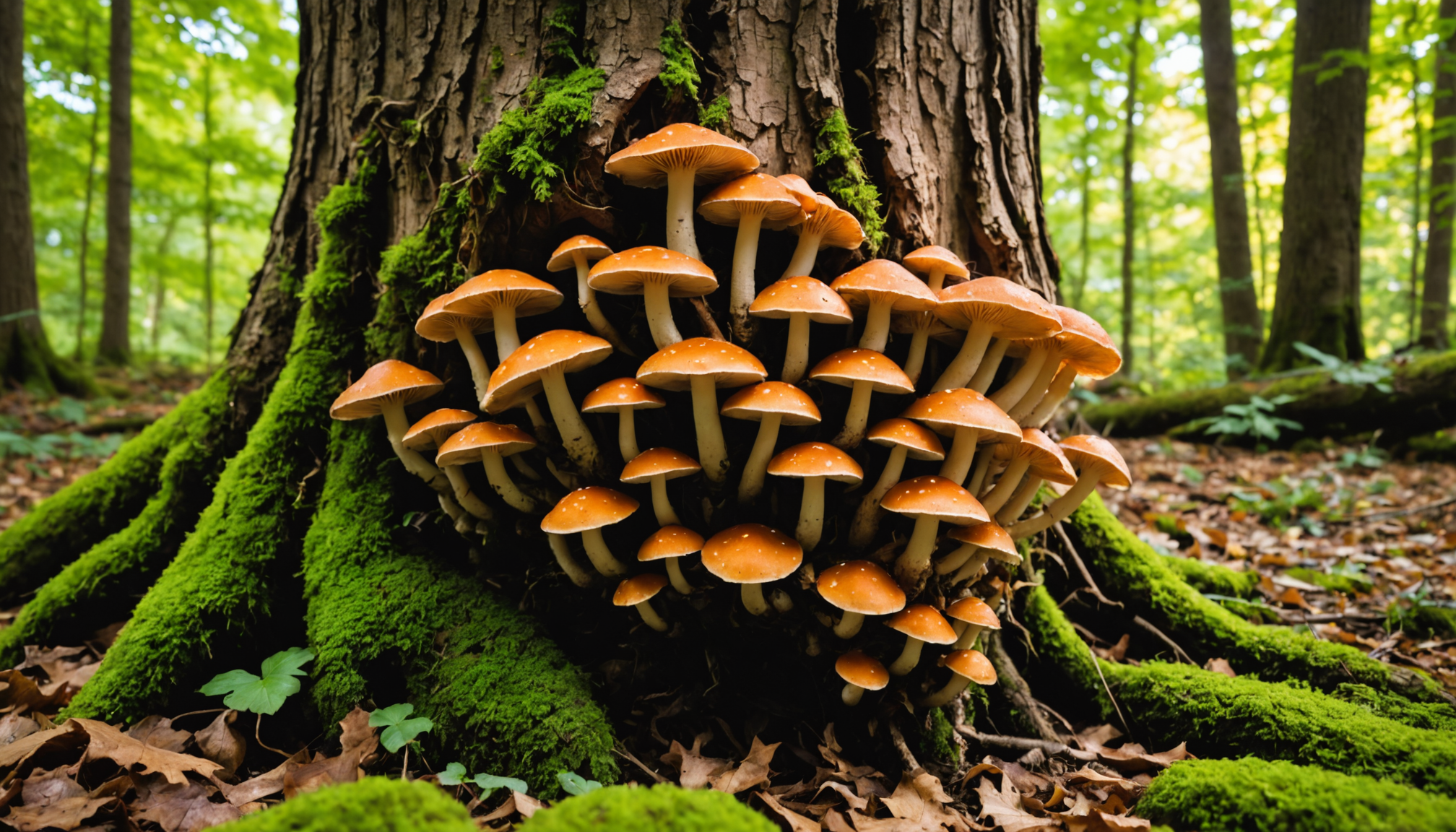
Additionally, look for signs of fungi or other organisms on the tree’s surface. The presence of mushrooms at the base of a tree or conks and shelf fungi on the trunk are clear indicators of decay within the tree’s heartwood. These organisms feed on the tree’s living tissue, which ultimately weakens the tree structure and can lead to collapse.
Overall, it is beneficial to regularly monitor your trees for any unusual changes. Keeping a regular check on the following common symptoms will help maintain their health:
- Leaf Discoloration: Yellowing, browning, or bronzing of foliage.
- Wilting: Drooping leaves and branches, especially during wet seasons.
- Fungal Growth: Mushrooms or conks growing on the trunk or root area.
- Early Leaf Drop: Leaves shedding prematurely, indicating stress.
- Stunted Growth: Shortened internodes and lack of new growth.
For a clearer understanding, consider the following table that highlights common symptoms, possible causes, and potential treatments:
| Symptom | Possible Cause | Potential Treatment |
| Yellow Leaves | Nutrient Deficiency, Overwatering | Soil testing, Adjust watering practices, Fertilize appropriately |
| Wilting | Drought, Root Rot, Vascular Diseases | Ensure adequate watering, Inspect and treat roots, Prune affected areas |
| Fungal Growth | Heart Rot, Poor Drainage | Improve soil drainage, Remove and dispose of infected wood |
| Early Leaf Drop | Water Stress, Fungal Infection | Check watering schedule, Apply fungicide if necessary |
| Stunted Growth | Compacted Soil, Root Damage | Aerate soil, Avoid root disturbance, Fertilize |
By staying vigilant and promptly addressing these symptoms, you can safeguard the health and longevity of your trees, ensuring they continue to thrive and contribute to the beauty and ecological value of your environment.
Inspecting leaves and branches
 When assessing the health of your trees, a detailed inspection of their leaves and branches can reveal critical indicators of tree disease. Here’s a step-by-step guide to conducting a thorough examination:
- Examine Leaf Condition: Start with the leaves, as they are often one of the first parts of the tree to show signs of distress.
- Check for discoloration such as yellowing, browning, or unusual spotting. Such changes might point towards nutrient deficiencies, fungal infections, or pest problems.
- Look for any unusual textures or growths on the leaves, such as powdery coatings or rust-colored spots, which can signal mildew or rust fungi.
- Look for Leaf Abnormalities: Pay attention to any deformities in the leaves.
- Leaves may appear curled, warped, or significantly smaller than usual, potentially suggesting viral infections or exposure to herbicides.
- Check the undersides of leaves for aphid colonies or small webbing indicating mite infestations.
- Assess Branch Health: Move on to inspecting the branches, which can provide insights into the overall vitality of the tree.
- Identify dead or dying branches. These can appear brittle, hollow, or have no living leaves and should be pruned to prevent the spread of decay.
- Inspect for any cankers or galls, which are swollen, discolored areas often caused by bacterial or fungal infections.
- Look for Physical Damage: Physical injuries can leave trees vulnerable to diseases.
- Notice any cracks or splits in branches, which can occur from wind damage or cold weather, and may provide entry points for pathogens.
- Check for signs of mechanical injuries, such as those from construction equipment or lawn care activities, and take steps to protect the tree from further damage.
- Check for Pests: Regular inspection for pests can prevent significant damage to your trees.
- Scrutinize for boreholes in branches where insects might have entered. These are often accompanied by sawdust or sap exudation.
- Observe for any insect trails or unusual bark texture, often left by pests such as bark beetles.
Through regular and careful monitoring of leaves and branches, you can catch disease signs early, allowing for more effective interventions. Consistent observation and maintenance are vital to sustaining healthy tree growth and preventing the progression of diseases that can weaken or kill trees if left unchecked.
Evaluating the trunk and bark
When examining the trunk and bark of a tree, it is essential to approach with a careful and attentive eye, as these areas can often be the first to signal underlying health issues. A thorough evaluation involves looking for changes and anomalies that can hint at disease presence or environmental stressors affecting the tree’s well-being.
Begin by examining the bark’s appearance and texture. Healthy bark should be continuous and relatively uniform, functioning as a protective barrier against pests and diseases. Notice any bark peeling or flaking, especially if it seems excessive, as this could indicate stress or disease. Certain pests and pathogens cause the bark to shed in scales or patches, compromising the tree’s protection.
Also, pay attention to any discolorations, such as dark streaks or tar-like spots, which might suggest fungal infections or pest invasions beneath the surface. These discolorations could be early indicators of more severe issues, such as canker diseases, which manifest as sunken or swollen areas on the trunk. These cankers interrupt the tree’s nutrient flow and, if extensive, can be detrimental to its health.
Look for sap oozing out of the bark, which is unusual in healthy trees and often signals injury or infection. If you notice gummy or resinous exudates, it could be a reaction to pathogen invasion or physical damage. Furthermore, inspect the bark for boreholes or small holes, as these are telltale signs of insect activity. Insects such as beetles and borers create entry points through the bark that can facilitate the ingress of bacteria and diseases, further stressing the tree.
The integrity of the tree should also be checked by gently tapping the trunk to listen for a hollow sound, indicating internal decay. This can occur even if the exterior appears intact, highlighting the necessity of periodic internal checks by a professional if internal decay is suspected. Keep an eye out for structural deformities, such as bulges or depressions on the trunk, which could reveal weak points likely caused by previous injuries that have healed improperly or invasions by parasitic organisms.
Regularly inspecting the trunk and bark allows you to spot issues early on, drastically enhancing the odds of successfully treating them. By identifying potential problems early, you’re ensuring that the tree can receive timely care to prevent further damage. Periodic bark evaluation is a proactive step in maintaining tree health, contributing to their longevity and the overall beauty and safety of the landscape.
Observing root health
When it comes to assessing root health, it’s essential to understand that the parts of the tree hidden below ground are just as crucial as the ones above. Roots are responsible for anchoring the tree and supplying it with water and essential nutrients. Recognizing the signs of root problems early on can prevent significant issues for the tree.
Begin by looking for visible signs of root distress in the area around the tree base. Compacted soil is a common issue that hinders root function by reducing the amount of oxygen available to the roots, which they need to thrive. Signs of soil compaction can include sparse grass growth around the tree or soil that feels hard and impenetrable. Consider aerating the soil or, if necessary, seeking the help of an arborist to alleviate severe compaction.
Also, observe for signs of root rot, a severe condition often indicated by fungal growth near the tree base. Mushrooms or toadstools sprouting around the base of the trunk can be symptomatic of decaying roots. Root rot weakens the tree’s foundation and can lead to tipping or falling, especially in strong winds or storms. Ensuring proper drainage can help prevent such decay, as overly wet soil is a prime environment for root pathogens.
Another indication of root health issues can be found in the tree’s anchorage. A leaning tree or one with exposed roots might suggest a compromised root system. While some trees have naturally visible roots, if you notice significant root exposure or a sudden tilt in the tree’s growth, it could mean the roots have been damaged due to mechanical injury or shallow rooting.
Lack of nutrients can also severely affect root health, leading to stunted tree growth. Observe if the tree shows signs of nutrient deficiencies, such as poor leaf coloration or growth. Conduct a soil test to determine if certain nutrients are lacking and amend the soil accordingly. Adding organic matter such as compost can improve soil health and promote root growth.
Inspect the root collar, which is the transitional area between the roots and trunk. Look for girdling roots that wrap around the base of the tree. These can constrict the flow of water and nutrients, leading to long-term health issues. Girdling roots are often due to improper planting or space constraints and may necessitate professional intervention.
Regular, careful observation and early intervention are key to maintaining healthy root systems. By ensuring that the roots have access to ample nutrients, space, and water while protecting them from compaction and rot, you are setting a solid foundation for the overall health and longevity of your trees. If you spot signs indicating severe root issues, contacting a professional arborist will provide you with targeted solutions tailored to your tree’s needs.
Consulting a professional arborist
For those encountering difficulty in pinpointing the more obscure symptoms of tree diseases, or if you notice persistent issues despite attempted remedies, enlisting the expertise of a professional arborist can be invaluable. Arborists are trained to diagnose tree health problems accurately and recommend effective treatment plans tailored to each specific situation. Their intervention often begins with a comprehensive assessment of the tree, examining everything from the canopy to the roots.
Consulting a professional can provide more precise diagnostics through techniques such as soil and tissue testing, which helps identify nutrient deficiencies or the presence of pathogens that are not visible to the untrained eye. Moreover, arborists are well-versed in the latest disease management practices, allowing them to suggest advanced measures that may not be accessible to typical homeowners, such as targeted chemical treatments or precise pruning techniques.
Additionally, arborists can advise on long-term care strategies that involve selecting appropriate fertilizers, ensuring optimal drainage, or implementing irrigation systems suited to your particular environment and tree species. They can also provide guidance on pest management, highlighting both chemical and non-chemical options to protect the tree from future infestations.
Professional arborists often recommend regular tree health monitoring and maintenance plans, which can prevent minor issues from escalating into serious diseases. Their expert eye can spot early warning signs and mitigate unforeseen risk factors that could otherwise go unnoticed, preserving the trees’ health and the aesthetics of your landscape.
In cases where a tree’s condition poses a hazard to safety, such as a weakened tree at risk of falling, professional arborists have the skills and equipment necessary to perform safe removals or reinforced support installations. For large, mature, or historically significant trees, professional intervention is often the best safeguard to extend a tree’s life span.
Ultimately, consulting with an arborist is a proactive investment in plant health, ensuring that the trees continue to thrive and enhance the beauty and ecological balance of their surroundings.
In conclusion, maintaining the health of your trees through vigilant monitoring and timely interventions can protect them from the ravages of disease. By identifying symptoms early, inspecting every aspect from leaves to roots, and seeking professional advice when needed, you ensure your landscape remains vibrant and healthy for years to come. As stewards of the natural world around us, it’s our responsibility to foster environments where trees can flourish in their full glory.