When it comes to solar panel efficiency, misconceptions abound, often deterring potential users from investing in this sustainable technology. One of the most pervasive myths is that solar panels require sunny, hot climates to function effectively. In reality, solar panels rely on sunlight, not heat, and they can perform efficiently even on cloudy days. Their ability to harness energy relies on the photovoltaic effect, which transforms sunlight into electricity. Consequently, regions with cooler climates, such as Germany and parts of the northern United States, boast impressive solar energy outputs despite occasionally overcast skies.
Another widespread misunderstanding is that all solar panels offer the same level of efficiency. In truth, the efficiency of a solar panel is influenced by several factors, including its materials, design, and technology. Modern solar panels come in various types, each offering distinct efficiency ratings:
| Type of Solar Panel | Efficiency Range | Details |
| Monocrystalline | 15%-20% | Highly efficient with a sleek appearance, often more expensive due to higher production costs. |
| Polycrystalline | 13%-17% | Less efficient than monocrystalline panels, but usually more affordable and with slightly lower durability. |
| Thin-Film | 10%-12% | Lightweight and flexible, these panels are easier to install but generally less efficient and require more space. |
Moreover, it’s a common fallacy that solar panels rapidly lose their efficiency due to degradation. While it’s true that all solar panels experience some efficiency loss over time, technological advancements have considerably minimized this degradation rate. Most modern panels sustain more than 80% of their original efficiency even after 25 years, which means they continue to contribute substantial energy savings throughout their lifecycle.
It’s also worth noting that some people falsely believe the efficiency of solar panels can compensate for any energy consumption. Efficiency alone is not the sole determinant of a solar energy system’s effectiveness. The layout of the installation, shading from trees or buildings, and panel orientation all play crucial roles in the overall energy production. Thus, optimization often involves a comprehensive site analysis to ensure panels are placed to maximize exposure to sunlight.
Addressing these common misconceptions is crucial for demystifying solar technology and encouraging wider adoption. It’s essential for prospective consumers to have accurate information, allowing them to make informed decisions about utilizing solar energy in a manner that maximizes potential benefits.
the truth about solar energy costs
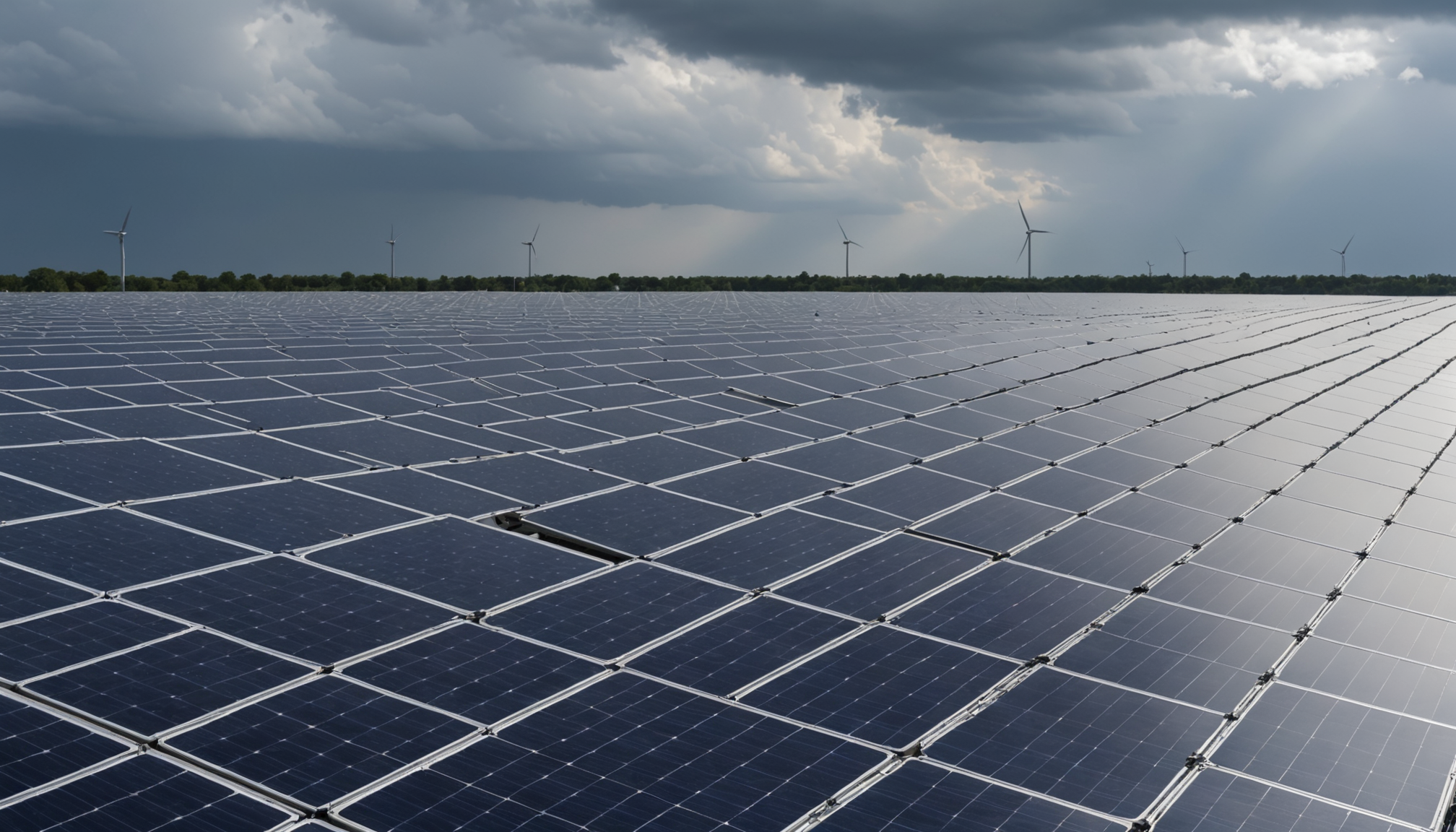 Investing in solar energy often raises concerns about the costs involved, which many perceive to be exorbitant. However, understanding the financial dynamics of solar energy can paint a different picture altogether. Here’s a breakdown of the realities of solar energy costs:
1. Initial Cost Considerations:
– The upfront cost of installing solar panels can seem steep, often ranging from $10,000 to $30,000 before any incentives. This initial expenditure includes equipment, installation, and potential setup fees.
– That said, it’s crucial to factor in various incentives and rebates available which can drastically reduce the initial burden. Government programs, such as the federal Investment Tax Credit (ITC), can offer up to a 30% credit on solar panel systems installed, making this renewable energy option more economically accessible.
2. Financing Options:
– To alleviate the initial investment, several financing avenues are available.
– Solar Loans: Similar to home improvement loans, these allow you to spread out the cost over several years, often with low-interest rates.
– Solar Leases and Power Purchase Agreements (PPAs): These options involve little to no upfront costs. With a lease, you pay a fixed monthly fee; with a PPA, you pay only for the power generated.
– PACE (Property Assessed Clean Energy) Programs: In applicable regions, PACE financing allows property owners to finance energy efficiency and renewable energy projects and repay them via property tax assessments.
3. Long-term Savings:
– Post-installation, one of the most significant benefits is dramatically reduced energy bills. On average, homeowners save about $1,000 annually on their electricity bills, bringing significant cumulative savings over the solar panels’ lifespan.
– The savings potential largely depends on local electricity rates, the amount of sunlight your location receives, and your household energy consumption patterns.
4. Return on Investment (ROI):
– Although upfront and maintenance costs exist, solar panel systems generally achieve a positive return on investment within 7 to 10 years.
– Increased property value is another financial upside. Homes equipped with solar power systems typically sell for more than those without, offering a tangible increase in property value.
5. Maintenance and Lifespan:
– Modern solar panels require minimal upkeep, primarily periodic cleaning and occasional inspection by a professional.
– The typical life expectancy of solar panels is around 25-30 years, during which they continue to produce energy efficiently, leading to long-lasting savings and energy independence.
In demystifying the costs associated with solar energy, it’s evident that while the initial expense might seem daunting, various financial incentives and the potential for long-term savings make solar energy an economically viable option for many homeowners. By leveraging available financing options and understanding long-term returns, solar energy stands out as a cost-effective and sustainable energy choice, dispelling myths of prohibitive expenses.
addressing concerns about solar energy reliability
One area of concern for many is the perceived unreliability of solar energy. Skeptics often worry about solar power systems’ performance during cloudy weather or at night, questioning whether solar energy can truly meet consistent energy needs. However, such concerns can be effectively addressed by examining how modern solar technology and complementary solutions enhance solar energy reliability.
One of the key strategies that bolster the reliability of solar power is the integration of energy storage systems, such as batteries. These systems store excess electricity generated during sunny periods for later use. Thus, even when the sun isn’t shining, homes and businesses can draw from stored solar power, ensuring a consistent energy supply. Advancements in battery technology, including lithium-ion batteries, have made them more efficient and affordable, significantly improving energy reliability.
Moreover, the evolution of smart grid technology complements solar energy systems by improving energy management. Smart grids can dynamically balance energy supply and demand, integrating various energy sources, including solar, to provide continuous power. By facilitating communication between energy producers and consumers, smart grids help optimize energy usage patterns and predict peak demand times, making solar a more dependable resource.
Additionally, there’s the option of remaining connected to the conventional power grid, which acts as a backup. Most solar installations allow for seamless switching between solar power and grid electricity, ensuring that users have access to reliable power at all times. In many regions, net metering programs further enhance this arrangement by allowing solar users to feed excess electricity back into the grid and receive credits or payments in return. During times when solar power production falls short, these credits can offset the cost of grid electricity consumption.
Furthermore, solar energy systems are highly scalable and customizable based on individual energy needs. By tailoring systems to the specific energy consumption patterns of a household or business, it’s possible to optimize the use of solar resources and ensure a balanced energy supply. System size adjustment, combined with site-specific positioning and technology such as solar trackers, maximizes energy capture and use.
Lastly, across various climates and weather conditions, solar panel manufacturers continuously improve panel design and materials to enhance durability and efficiency. Panels are rigorously tested to withstand severe weather, including heavy winds, hail, and snow, ensuring they maintain performance and reliability throughout diverse conditions.
Overall, through energy storage advancements, grid integration, innovative technology, and improved system designs, solar energy systems can provide a reliable energy source. These solutions rebut the myth of solar’s unreliability and establish solar energy as a viable and steady contributor to modern energy needs.
environmental benefits of solar energy explained
When discussing renewable energy options, it’s important to consider the profound environmental benefits associated with solar energy. Unlike traditional energy sources that rely heavily on fossil fuels, solar power offers a clean, renewable, and abundant energy supply that plays a critical role in reducing environmental pollutants. One of the most significant environmental benefits of solar energy is its ability to dramatically cut down carbon dioxide emissions. By generating energy through solar panels, individuals and businesses can significantly diminish their carbon footprint, contributing to a healthier environment and supporting global efforts to combat climate change.
Solar energy production stands out for its lack of greenhouse gas emissions during operation. Conventional electricity generation through coal or natural gas plants releases a substantial amount of carbon dioxide and other harmful pollutants into the atmosphere, exacerbating global warming and air pollution. On the contrary, solar panels harness the sun’s energy without emitting carbon, offering a cleaner alternative that helps reduce overall greenhouse gas emissions. This shift not only benefits the planet by slowing down climate change but also improves air quality, resulting in health advantages such as fewer respiratory issues and other pollution-related diseases.
Moreover, the adoption of solar energy contributes to the conservation of precious water resources. Traditional power plants, especially those powered by coal, require immense quantities of water for cooling processes, putting a strain on local water supplies and impacting ecosystems. Solar energy systems, however, do not require water to generate electricity, providing a water-conserving solution that is particularly advantageous in arid regions or areas prone to drought.
Additionally, solar energy helps to diminish the environmental damage associated with resource extraction. The extraction of fossil fuels often leads to habitat destruction, soil erosion, and water contamination. By decreasing the demand for such resources, solar energy minimizes these destructive practices, preserving natural habitats and protecting biodiversity. Furthermore, solar farms can be sited on vacant lands or integrated into existing infrastructures such as rooftops, reducing the need to encroach further into natural landscapes.
Another environmental advantage includes the decrease in hazardous waste streams. The production and combustion of fossil fuels result in significant amounts of toxic waste which can harm ecosystems and human health if not managed correctly. Solar panels, on the other hand, consist mainly of recyclable materials, and efforts are underway to improve recycling methods further, minimizing the potential environmental impact associated with their disposal after their operational lifespan.
In summary, the environmental benefits of solar energy are far-reaching, providing a path forward to sustainable energy practices that protect the planet. Recognizing and understanding these benefits can galvanize broader support for solar technologies, underscoring the role that solar energy plays in fostering an environmentally responsible future. Through its myriad advantages, solar power emerges as a crucial element in the global effort to create a cleaner, more sustainable world.
solar energy’s impact on property values
The influence of solar energy on property values is significant, dispelling the myth that solar panels might detract from a property’s worth. On the contrary, installing solar panels often results in higher home valuations. Several key factors contribute to this upward trend. First, homes equipped with solar energy systems typically attract eco-conscious buyers who are willing to pay a premium for sustainable living features. The promise of reduced electricity bills is an appealing prospect, offering prospective homeowners a long-term financial benefit. This stands as a selling point that makes solar-equipped homes more desirable in today’s increasingly energy-aware market.
Moreover, properties with solar installations often enjoy quicker sales than those without, as the demand for green energy solutions continues to rise. Many buyers are inclined to invest in homes that promise lower utility costs and energy independence, thus driving up their market competitiveness and value. The reduced operational risks associated with energy expenses make these properties a more attractive investment.
Assessing solar energy’s impact on property values also involves understanding how such installations can convey a modern image. Properties boasting renewable energy features are often perceived as forward-thinking and technologically advanced. This perception enhances the allure of such homes to a broader range of potential buyers, including younger demographics who prioritize environmental sustainability in their purchasing decisions.
Additionally, various studies highlight a positive correlation between solar energy systems and increased home values. For instance, data indicates that property values increase by an average of four to six percent when solar panels are installed. The return on investment from solar installations, coupled with incremental savings on energy bills, makes these homes a lucrative long-term asset.
In some regions, local government incentives can further bolster property values. Homeowners may qualify for tax breaks or rebates due to solar panel installations, translating into additional financial benefits. These incentives not only reduce the initial costs of installation but also add to the property’s overall appeal and valuation.
Ultimately, incorporating solar energy systems into residential properties offers a compelling advantage in the real estate market, enhancing property value by aligning with the growing trend of energy-efficient homes. As renewable technology becomes more mainstream, the impact of solar panels on real estate is expected to strengthen, fostering both higher property values and increased demand for eco-friendly homes.
In conclusion, the myriad benefits of solar energy—from enhanced efficiency and cost savings to environmental preservation and increased property values—demonstrate its compelling role as a sustainable energy solution. By debunking these myths, the article encourages a deeper understanding and broader acceptance of solar energy, paving the way for its continued integration into everyday life.