To effectively manage and control pests, it is crucial to begin with a comprehensive understanding of their behavior. Pests include a variety of organisms such as insects, rodents, and other creatures that inflict damage on crops, homes, or health. Recognizing their habits, lifecycles, and ecological roles can offer invaluable insights into how to control them in an environmentally friendly manner.
Pests are largely driven by basic biological needs: food, shelter, water, and access to mates. By understanding these requirements, homeowners and farmers can adopt strategies to make environments less appealing to pests, thereby reducing their numbers naturally.
For instance, food sources such as unsealed garbage, unsecured pet food, or open pantry items can attract pests like ants, rodents, or cockroaches. Recognizing these attractants is the first step towards behavioral-based management. Eliminating or securing potential food supplies can make environments less hospitable to these unwanted guests.
Pest behavior can also be determined by their very lifecycle. Insects like mosquitoes and flies will have specific breeding grounds—often areas of standing water or damp soil. Understanding and disrupting these breeding environments by ensuring good drainage and water management can significantly reduce their populations.
Another critical aspect is recognizing the biological rhythms of pests. Many pests are nocturnal and active mainly during the night, which can dictate the timing of control measures to ensure peak effectiveness. Additionally, seasonal changes can alter pest behavior, with many species becoming more active during warmer months. Monitoring these changes allows for timely interventions suited to specific pest challenges.
Moreover, it is important to consider the role of predators and how they affect pest ecosystems. For example, the presence of natural predators like birds or beneficial insects can regulate pest populations naturally. Enhancing habitat conditions for these predators can bolster their effectiveness in controlling pest numbers.
| Behavior Aspect | Management Strategy |
| Food Source Attraction | Secure foods tightly and clean up spills promptly. |
| Breeding Habits | Eliminate standing water; regularly dispose of waste. |
| Activity Rhythms | Apply treatments during peak active times. |
| Temperature Sensitivity | Implement controls ahead of seasonal increases in activity. |
Understanding pest behavior provides a vital foundation for implementing a cohesive and effective natural pest control strategy. By considering their needs and natural tendencies, we can disrupt their activities and prevent infestations while minimizing harm to the environment.
botanical repellents
 Botanical repellents offer a natural and sustainable approach to managing pests, utilizing the inherent chemical defenses of plants to deter unwanted insects. These plant-derived compounds can be just as effective as synthetic solutions when correctly applied. Here is a step-by-step guide to help you utilize botanical repellents effectively:
1. Identify Target Pests:
– Begin by determining which pests are causing issues in your space. Different plants and their extracts are effective against specific insects, so accurate identification is crucial for selecting the right repellent.
2. Select Suitable Plants:
– Choose plants known for their pest-repelling properties. For instance, basil deters flies, mint is effective against ants, and lavender works well against moths and mosquitoes.
– Consider growing these plants around the perimeter of your garden or near entry points of your house to create a natural barrier.
3. Harvest and Extract Essential Oils:
– Some plants offer enhanced deterrent effects when their essential oils are used. To extract oil, gather fresh leaves or flowers and use steam distillation or a cold press method.
– Alternatively, you can purchase ready-made essential oils from reputable suppliers.
4. Prepare the Repellent Solution:
– Mix essential oils with water or a carrier oil such as jojoba or coconut oil. A typical dilution rate is about 10 drops of essential oil per cup of water or base oil.
– Add a small amount of witch hazel or vodka to ensure even mixing and better spraying effectiveness.
5. Apply the Repellent:
– Pour the prepared solution into a spray bottle and apply it to surfaces where pests are likely to land or have been detected.
– Reapply the solution every few days or after rain, as botanical repellents may dissipate faster than chemical alternatives.
6. Monitor and Adjust:
– Observe the effectiveness of the treatment. If certain pests persist, you may need to experiment with different oils or adjust the concentration of your solutions.
– Remember that some pests may develop tolerance over time, so periodically rotating oils can help maintain effectiveness.
7. Use Companion Planting:
– Implement a strategy known as companion planting, where pest-repelling plants are grown alongside susceptible crops. For example, marigolds can protect tomatoes from nematodes, and garlic can fend off aphids when planted with roses.
– This method not only deters pests but can also enhance plant growth and yield.
By understanding and harnessing the natural properties of botanical repellents, you can create a safer environment and reduce reliance on chemical pesticides. Botanical solutions not only protect your plants and home but also support ecological balance by minimizing the impact on beneficial insects and surrounding ecosystems. Following these steps will enable you to develop a tailored repellent strategy that is both effective and environmentally friendly.
beneficial insects
Beneficial insects play a vital role in maintaining ecological balance by naturally managing pest populations, thereby reducing the need for chemical interventions. By attracting and fostering these allies in your garden or agricultural spaces, you can create a self-sustaining environment that minimizes pest challenges efficiently and organically.
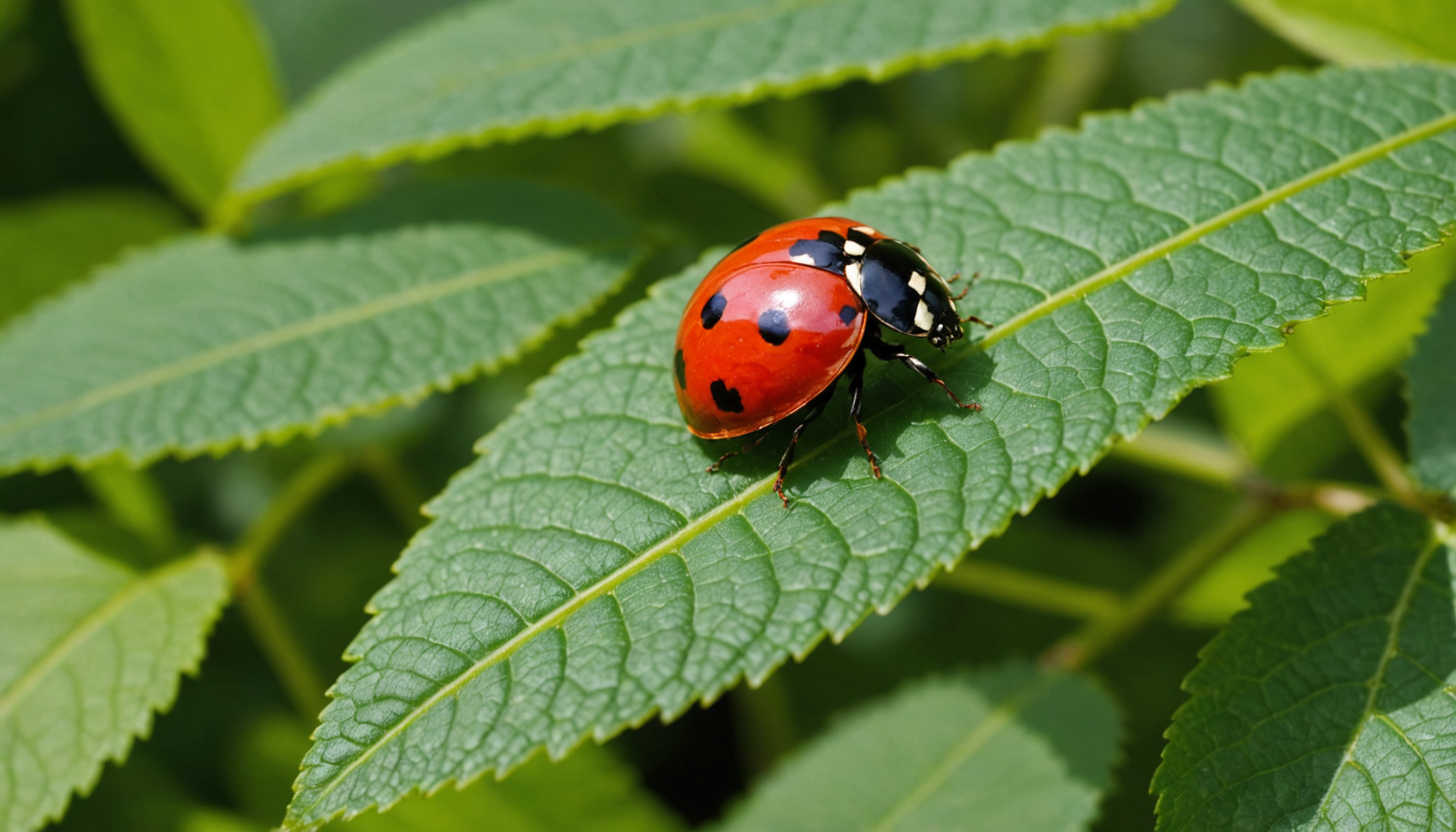
One of the most widely recognized beneficial insects is the ladybug, known for its voracious appetite for aphids, a common pest that can wreak havoc on plants. Ladybugs are incredibly efficient, with a single beetle capable of consuming up to 5,000 aphids in its lifetime. Introducing ladybugs into your garden helps control aphid populations naturally, reducing the need for chemical pesticides.
Another standout insect ally is the praying mantis. These predators are highly effective at managing a diversity of pests, including caterpillars, beetles, and crickets. Their ability to blend seamlessly into their surroundings allows them to ambush prey effectively, contributing to the natural reduction of pest numbers.
Parasitic wasps, although small in size, have a significant impact on pest control by laying their eggs inside or on the bodies of host pests like caterpillars and beetles. Once the wasp larvae hatch, they consume the host from the inside out, effectively eliminating the pest. By attracting parasitic wasps through the cultivation of nectar-rich plants, you can enhance their presence and efficacy.
Ground beetles are another crucial group of beneficial insects. They are nocturnal hunters and primarily feed on pests found in the soil, such as slugs, cutworms, and root maggots. Maintaining a layer of organic mulch in your garden provides these beetles with the cover they need during the day, encouraging their activity and population growth at night.
To attract and sustain beneficial insect populations, consider planting diverse vegetation and providing adequate habitats. Wildflower borders or herb gardens rich in plants like dill, fennel, and cilantro offer food and shelter, creating a welcoming environment for these natural pest controllers. Additionally, avoiding broad-spectrum pesticides will ensure that beneficial insect populations thrive without harmful disruptions.
Engaging in integrated pest management (IPM) practices can further complement the efforts of beneficial insects. This holistic approach emphasizes monitoring pest levels, using preventative measures, and implementing control techniques that are least harmful to non-target species. By integrating beneficial insects into an IPM framework, you support sustainable pest control methods that contribute to a healthier ecosystem.
The use of beneficial insects offers not only effective pest control but also promotes biodiversity and environmental sustainability. By harnessing the power of these natural allies, you can achieve a more balanced and resilient growing environment that supports the productivity and health of your plants, all while reducing chemical inputs and promoting ecological harmony.
traps and barriers
When considering strategies for discouraging unwanted critters, physical measures like traps and barriers offer a straightforward and often immediate solution. These methods work by physically preventing pests from accessing specific areas or capturing them before they can cause damage, making them a valuable part of any pest management plan.
A variety of traps can be employed depending on the target pest. Sticky traps, for example, are an effective choice for monitoring and controlling flying insects such as flies and mosquitoes. These traps use adhesive surfaces to capture pests upon contact, providing a non-toxic solution that allows for easy disposal and replacement. For burrowing or ground-dwelling creatures, like rodents, snap traps and electronic traps that are designed to quickly kill are often preferred. These must be positioned carefully in areas where rodent activity is most prevalent, ideally under cover to avoid catching non-target animals.
Fruit and pheromone traps offer another sophisticated mechanism for addressing pest populations. These traps utilize specific scents or attractants that lure pests, particularly fruit flies or certain moths, into an enclosure they cannot escape from. Such traps can be highly effective in gardens or orchards where these pests might otherwise damage crops.
Barriers offer a preventive measure by physically blocking pests from reaching their intended targets. For insects, fine mesh netting or row covers over crops can prevent pests like cabbage moths, beetles, or grasshoppers from accessing plants. These covers are easy to install and allow sunlight and rain to reach plants, making them a minimally invasive yet powerful tool.
For larger pests, such as deer or rabbits, fencing is a tried and true barrier. A well-constructed fence can discourage these animals from entering gardens or yards. It’s important to ensure that fencing is high enough to prevent jumping over and buried deep enough to avoid tunneling underneath. Electric fences can also be employed for more tenacious wildlife but should be used with caution, particularly in areas accessible to children or pets.
Another innovative barrier is the use of copper tape or mesh to deter slimy invaders like slugs and snails. Copper reacts with the slime produced by these pests, creating a small electrical charge that is unpleasant for them to cross, effectively keeping them at bay without the need for harmful chemicals.
Lastly, maintaining yard or garden hygiene acts as an indirect barrier. Regularly removing debris, fallen fruit, or excess leaf litter eliminates hiding places for pests, thereby reducing the likelihood of infestation. Similarly, sealing cracks and crevices in buildings or greenhouses prevents entry points for insects and rodents, helping protect areas from unwanted visitors.
The implementation of traps and barriers not only helps control pest populations but also aligns well with environmentally friendly practices. By relying less on chemical methods, these physical approaches promote a safer habitat for both humans and beneficial wildlife. Thoughtful integration of these strategies into pest management plans can provide peace of mind and healthier ecosystems, encouraging sustainable cohabitation with nature.
safe household remedies
For those looking to manage pest issues using everyday items readily available at home, there are numerous effective and safe remedies. Many common household substances possess properties that can repel or kill pests without posing risks to family members or pets, offering peace of mind while addressing pest problems.
One of the most versatile substances is vinegar, particularly white or apple cider vinegar. This household staple can be used to repel ants and fruit flies effectively. A simple solution of equal parts water and vinegar can be sprayed around doorways, windowsills, and counters to create an inhospitable environment for these insects. Vinegar’s strong odor acts as a natural deterrent, making it an eco-friendly alternative to commercial pest control sprays.
Baking soda is another simple yet powerful tool in the battle against pests. It can be combined with sugar to attract and eliminate cockroaches; when ingested, the baking soda reacts with their internal systems, ultimately leading to their demise. This method is particularly appealing because it avoids the use of hazardous chemicals indoors, where safety is a primary concern.
Coffee grounds also make an excellent pest deterrent. Slugs and snails, which can devastate garden plants, are repulsed by the texture and caffeine present in used grounds. They can be sprinkled directly onto the soil or around the base of plants as a protective barrier. Additionally, the grounds can add beneficial nutrients back into the soil, promoting plant health.
Essential oils, like peppermint and tea tree oil, have strong scents that pests like rodents, spiders, and insects find unpleasant. By mixing a few drops of essential oil with water in a spray bottle, you can create an effective repellent spray. Applying this mixture around baseboards, entryways, and other potential access points can help prevent pests from taking up residence in your home.
Lastly, diatomaceous earth, a naturally occurring, soft sedimentary rock that is crumbled into a fine white powder, is an excellent option for dealing with insects such as fleas, bedbugs, and cockroaches. When insects come into contact with or ingest the powder, it disrupts their outer layers leading to dehydration and death. It’s safe to use in homes with children and pets, as long as it’s food-grade and applied in areas away from their direct reach.
These safe household remedies demonstrate that it is possible to manage and deter pests effectively without relying on harsh chemical solutions. By making use of common items found in many homes, individuals can address pest challenges in a manner that is both environmentally conscientious and aligned with maintaining family and pet safety.
In conclusion, natural pest control solutions offer a holistic approach to managing pests effectively while safeguarding the environment and human health. By understanding pest behavior, utilizing botanical repellents, encouraging beneficial insects, implementing traps and barriers, and employing safe household remedies, we can create sustainable and ecologically balanced methods for managing pest populations. These strategies not only reduce the reliance on chemical pesticides but also enhance biodiversity and promote a healthier ecosystem, ensuring that we coexist harmoniously with nature’s diverse inhabitants.