Soil health is the cornerstone of any successful organic garden. A deep comprehension of what constitutes healthy soil and how it functions can significantly influence the overall productivity and resilience of your garden. To cultivate a thriving garden ecosystem, beginning with the foundation—soil—ensures that plants are well-nourished and pest-resistant, leading to a bountiful harvest.
Soil health is defined by its ability to sustain plant and animal life, maintain or enhance water and air quality, and support biodiversity. Healthy soil contains essential nutrients, an appropriate pH level, a balanced microbial community, a suitable structure, and adequate moisture retention. These elements together nurture plant growth and preserve natural functions.
One of the main indicators of good soil health is soil texture, which is determined by the proportion of sand, silt, and clay. Knowing your soil texture can help inform the amendments needed to improve drainage or moisture-holding capacity. Here is a comparison table to illustrate typical characteristics of different soil textures:
| Soil Type | Characteristics | Improvement Suggestions |
| Sandy Soil | Drains quickly, often dry, lacks essential nutrients | Add organic matter such as compost to improve water retention and nutrient content |
| Silty Soil | Retains moisture better, smooth texture, moderately fertile | Enhance with well-rotted organic material to improve structure and fertility |
| Clay Soil | Poor drainage, compacted, can be nutrient rich but hard to work with | Incorporate sand and organic matter to increase drainage and workability |
| Loamy Soil | Good drainage, nutrient-rich, balanced texture | Maintain with regular additions of organic material to sustain fertility |
A balanced pH is equally vital, as it influences nutrient availability. Most plants thrive in soil with a pH between 6.0 and 7.5. Testing the soil’s pH is a straightforward process that can be done using a home testing kit or through professional services. Based on the results, amendments can be added to adjust the pH level: lime to increase alkalinity or sulfur to increase acidity.
Soil organic matter is another crucial factor, as it enhances soil structure, water retention, and nutrient content, while also promoting beneficial microbial activity. Effective ways to increase organic matter include mulching, cover cropping, and adding composted matter. These practices not only boost soil fertility but also improve its resilience against erosion and compaction.
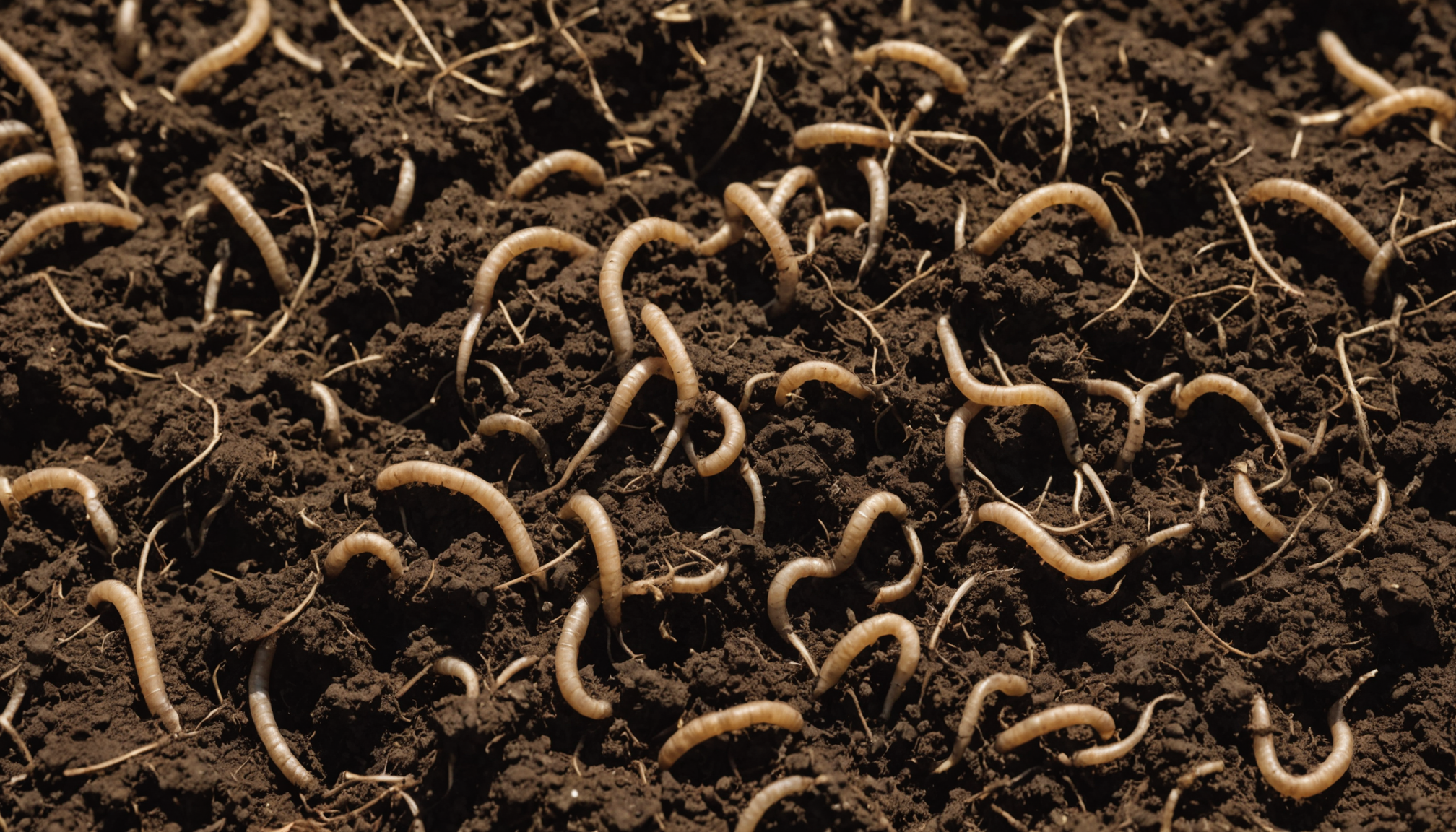
The biological health of the soil, particularly its microbial community, plays a pivotal role in plant health. A rich diversity of soil organisms, from bacteria and fungi to earthworms, aids in nutrient cycling and disease suppression. Encouraging a thriving micro-ecosystem can be achieved by maintaining optimal moisture, adding organic amendments, and reducing soil disturbance.
Understanding these components and their interplay in soil health empowers gardeners to make informed decisions that enhance the natural vitality of their gardens. By prioritizing soil health, gardeners contribute to more sustainable and productive growing systems, supporting a more eco-friendly approach to home gardening.
choosing the right plants
 When selecting plants for your organic garden, it’s essential to consider several factors to ensure their successful growth and integration into your garden ecosystem. By thoughtfully choosing suitable plants, you’ll promote a harmonious environment that requires less maintenance and fosters natural resilience.
1. Assessing Climate and Hardiness Zones:
– Begin by determining your local climate and hardiness zone, which is crucial for plant survival and productivity. The USDA Plant Hardiness Zone Map is an excellent resource for identifying which plants thrive best in various regions.
– Choose plants that are well-suited to the prevailing temperatures, rainfall, and seasonal variations in your area to reduce the need for artificial intervention, such as excessive watering or temperature control.
2. Understanding Sunlight Requirements:
– Evaluate the sun exposure in different areas of your garden. Most plants fall into categories of full sun, partial sun, or shade.
– Observe the sunlight patterns throughout the day to appropriately designate planting spots for sun-loving, shade-tolerant, or partial-sun plants.
3. Considering Soil Preferences:
– Select plants based on your soil type and condition. Some plants prefer well-drained, sandy soils while others thrive in heavier, clay-rich soils.
– Consider plants native to your region as they are often adapted to the local soil conditions.
4. Identifying Growth Habits and Space Requirements:
– Choose plants with growth habits that align with your garden spaces. Consider the height, spread, and overall size of mature plants to avoid overcrowding.
– Take into account root depth and spacing needs to ensure they do not compete excessively for nutrients and water.
5. Prioritizing Companion Planting:
– Implement companion planting strategies to encourage mutual benefits between plants, such as pest deterrence, improved pollination, and boosted yields.
– Pair plants that thrive together, such as corn with beans, basil with tomatoes, or carrots with onions, to maximize their advantages.
6. Focusing on Edible and Medicinal Varieties:
– If your goal includes food production, select a variety of fruits, vegetables, and herbs that you and your family enjoy eating fresh or preserved.
– Incorporate plants with medicinal properties or those that can attract beneficial insects, increasing biodiversity and pest control naturally.
7. Planning for Succession Planting:
– To maintain a continuous harvest, plan for succession planting. This involves planting new crops at intervals to replace those that have harvested or completed their lifecycle.
– Diversify your plant choices to extend the productive season, for instance, by incorporating cool-season crops (like lettuce and peas) and warm-season crops (like tomatoes and peppers).
By considering these factors when choosing plants, you’ll lay the foundation for a thriving organic garden. A tailored selection promotes natural resilience, reduces dependency on external inputs, and contributes to a balanced, sustainable garden ecosystem.
natural pest control methods
Integrating nature into pest management not only enhances the health of your garden but also contributes to a sustainable ecological balance. Chemical-free pest control methods empower gardeners to manage unwelcome visitors in a way that is safe for plants, wildlife, and humans alike. By understanding and implementing natural pest control strategies, gardeners can protect their plants while promoting a biodiverse and self-regulating garden environment.
One of the most effective and environmentally friendly strategies is to attract beneficial insects that naturally prey on common garden pests. Ladybugs, for example, are voracious consumers of aphids, while lacewings and predatory beetles can help control caterpillar populations. Encouraging these helpful insects can be as simple as planting a variety of flowering plants that provide nectar and pollen, creating a habitat that supports their lifecycle.
Another strategy involves companion planting, where the natural properties of certain plants deter specific pests or support beneficial insects. For instance, planting marigolds can repel nematodes, and aromatic herbs like basil and garlic can deter aphids and other soft-bodied insects. By carefully selecting plant companions, gardeners can create an environment where pests are less attracted to vulnerable crops.
Crop rotation and diversity are also crucial techniques in natural pest management. By rotating different plant families in the same plot each season, pests are deprived of a steady food source, disrupting their life cycles. Additionally, diversifying plant species within the garden can confuse pests, making it more difficult for them to locate their preferred host plants.
Physical barriers and manual controls are straightforward yet effective methods to keep pests at bay. Row covers can physically block insects from accessing plants, while netting can protect fruit from birds. Regularly inspecting plants and manually removing pests like slugs or beetle larvae can also mitigate infestations before they have a chance to proliferate.
Employing natural predators and parasitic organisms can further enhance this eco-friendly approach. Birds, frogs, and toads are natural consumers of insects and can be enticed into the garden with features like birdhouses or small ponds. Parasitic wasps, which lay their eggs in or on pest insects, are an example of biological control agents that reduce pest populations without affecting non-target species.
Lastly, homemade solutions such as soap sprays or neem oil offer effective, natural options for managing pests. Soap sprays work by disrupting the cellular membranes of soft-bodied insects, while neem oil acts as a deterrent that inhibits feeding and disrupts hormonal balances in various pest species. These remedies are gentle on plants and less toxic to the garden’s beneficial inhabitants.
By relying on these natural techniques, gardeners not only protect their plants but also help sustain a vibrant and balanced ecosystem. This approach to pest control reflects a commitment to preserving the environment, reducing chemical use, and fostering a garden that thrives through the intricate relationships between plants and the creatures that inhabit the space around them. In doing so, gardeners cultivate not just plants, but also the health of the entire garden ecosystem.
effective composting techniques
To turn kitchen scraps and yard waste into nutrient-rich compost, an understanding of efficient composting methods is essential. Composting not only reduces landfill waste but also replenishes your garden with valuable organic matter, improving soil structure, moisture retention, and microbial activity. Embracing efficient composting techniques can maximize these benefits and seamlessly integrate them into your organic gardening practice.
The first step in efficient composting is to consider the balance of carbon and nitrogen-rich materials, oftentimes referred to as browns and greens. Browns, like dried leaves, straw, and cardboard, provide carbon, while greens, such as vegetable scraps, grass clippings, and coffee grounds, supply nitrogen. For a healthy compost pile, aim for a ratio of approximately 30 parts carbon to 1 part nitrogen. This balance ensures the composting process generates sufficient heat to accelerate decomposition and kill off harmful pathogens.
Layering these materials is another effective practice. Begin with a layer of coarse materials, like small twigs or straw, to promote aeration and drainage. Follow with alternating layers of greens and browns, keeping a bit of garden soil between layers to introduce beneficial microorganisms. This method not only speeds up decomposition but also reduces odors by facilitating airflow.
Turning the compost regularly, ideally every few weeks, is crucial to expedite the breakdown of materials. Aeration introduces oxygen, which is vital for the aerobic bacteria responsible for decomposition. Turning also helps incorporate moisture evenly, ensuring the pile remains damp but not soggy. If your compost is too dry, lightly sprinkle water, ensuring that it has the consistency of a wrung-out sponge.
To further enhance your composting, consider the size of the materials you add. Shredding larger items, such as corn stalks or cardboard, increases their surface area, allowing microbes to break them down more efficiently. A smaller, more uniform material size also makes it easier to turn and maintain even moisture distribution throughout the pile.
Outdoor bins come in various styles—from simple wire enclosures or wooden bins to more sophisticated tumbling composters. The choice of container should reflect the available space, as well as how much time or effort you’re willing to invest in the process. Tumbler composters simplify turning but might not be ideal for larger volumes of organic matter, while a traditional three-bin system provides compartments for different stages of composting.
Another key aspect is managing compost temperature. In many cases, a compost thermometer can aid in monitoring the internal temperature of your pile, which should ideally range between 135 and 160 degrees Fahrenheit for optimum microbial activity. If temperatures are too low, consider adding more nitrogen-rich materials or turning the pile more frequently to revitalize the microbial community.
Finally, time and patience are important components of successful composting. Depending on the methods and materials used, compost can take anywhere from a few months to over a year to mature fully into the dark, crumbly, earthy substance desired in organic gardening. To determine if your compost is ready for use, look for an even texture with no recognizable material, a pleasant earthy smell, and an indication that the pile is no longer generating heat.
By embracing these effective methods, gardeners can harness the full potential of composting, yielding a natural amendment that invigorates garden soil and supports plant health. As with all gardening practices discussed, remember that your approach should adapt to the specific conditions and needs of your garden environment. This ongoing conversation between gardener and garden enriches the experience, making every yield a testament to the principles of organic gardening.
seasonal garden maintenance
As seasons change, so too should your approach to garden maintenance. Each season offers unique challenges and opportunities to nurture your organic garden, ensuring it remains healthy and productive year-round. Understanding the specific requirements of your garden in each season can make a significant difference in its overall vitality.
Spring is a time of renewal and preparation. As the soil warms, it’s ideal to begin incorporating compost to replenish nutrients exhausted over the winter months. Conducting a thorough cleanup of dead plant material and weeds helps prevent disease and pest issues from taking root as new growth emerges. It’s also the time to plan and start planting cool-season crops and seeds indoors for later transplanting. Regularly monitor moisture levels during dry spells to ensure sprouts are well-irrigated.
Summer requires diligent care to handle the heat and encourage growth. Mulching becomes essential as it conserves soil moisture, suppresses weeds, and moderates soil temperatures. Vigilant watering is crucial; consider watering early in the morning or late in the afternoon to prevent evaporation and plant stress. Deadheading spent flowers encourages continuous blooms, while pruning helps manage plant size and remove any diseased branches. Introducing shade cloths for sun-sensitive plants can also protect them during peak heat.
Autumn is all about transition and reinforcement. With summer harvests winding down, it’s critical to clear away spent plants and compost healthy ones to reduce the risk of overwintering pests and diseases. Adding a layer of rich compost or well-rotted manure can improve soil health for the upcoming year. Planting cover crops like clover or rye can protect against erosion, improve soil structure, and add nutrients. As frost looms, consider implementing protective measures like row covers for any lingering vegetable crops.
Winter offers a period of rest but also unseen preparation. This season provides an excellent opportunity to plan for the next growing cycle, tweaking garden layouts and selecting new seeds based on past successes. Winter also allows for the maintenance of garden tools and structures. Pruning can be done on dormant trees and shrubs, improving airflow and future growth potential. Preparing feeding stations for beneficial wildlife supports biodiversity through the colder months.
Even though each season presents its own set of tasks, maintaining flexibility and observation is key. Tailoring your approach based on current weather patterns, crop responses, and changing conditions ensures that your garden remains dynamic and sustainable. By aligning your gardening activities with the cycles of nature, you not only maintain your garden’s health and productivity but also foster a deeper connection with the ecosystem of your own backyard.
—
In organic gardening, every decision made in soil preparation, plant selection, pest control, composting, and seasonal maintenance contributes to an overarching goal of sustainability and harmony with nature. By understanding and applying effective practices specific to each aspect of gardening, you cultivate not only a healthy garden but also a more profound relationship with the environment. Through this continuous journey, the garden becomes a thriving cycle of life, in which every action taken today helps ensure a more abundant and ecologically sound future.