Choosing the right materials is fundamental to any paving project, especially when the goal is to enhance curb appeal. The material you select not only influences the visual aesthetics of your home but also affects durability, maintenance requirements, and overall functionality. With numerous options available, understanding the properties and benefits of each material can help you make an informed decision that will elevate the exterior appeal of your property.
- Natural Stone: Known for its timeless elegance and luxurious feel, natural stone paving offers a unique aesthetic that can easily increase a home’s facade value. Stones like granite, slate, and limestone come in an array of colors, patterns, and textures. Although they tend to be more expensive initially, their durability and classic appearance ensure they remain a worthwhile investment. Furthermore, natural stone pavers are highly resistant to weather changes, making them suitable for various climates.
- Concrete: A versatile and cost-effective option, concrete paving stones offer a modern look and can be customized to fit a wide range of styles through stamping, staining, and textured finishes. When properly sealed, concrete pavers are resistant to oil stains and color fading. Additionally, they require less maintenance compared to other materials, making them an ideal choice for busy homeowners.
- Brick: For those seeking a traditional and warm appearance, brick paving provides a classic charm. Available in rich, earthy tones, bricks create a historic or rustic ambiance, perfectly complementing older or colonial-style homes. Though bricks can be more prone to chipping over time and may require periodic sealing to maintain their vibrant color, they are relatively easy to replace and offer excellent longevity.
- Porcelain Pavers: These are increasingly popular due to their modern look and high resistance to scratching and weather conditions. Porcelain pavers can mimic the appearance of natural stone or wood while offering the advantages of being lightweight and resistant to frost. They are also easy to clean, which helps maintain their looks over the years.
To better illustrate the distinct attributes of these paving materials, consider the following comparison:
| Material | Durability | Maintenance | Cost | Aesthetic Appeal |
| Natural Stone | Very High | Moderate | High | Timeless & Luxurious |
| Concrete | High | Low | Moderate | Versatile & Modern |
| Brick | Moderate to High | Moderate | Moderate | Traditional & Warm |
| Porcelain | High | Low | High | Contemporary & Clean |
Ultimately, the choice of material will largely depend on personal preferences, budget constraints, and the specific architectural style of the home. Each option offers unique benefits, and when chosen thoughtfully, can greatly enhance both the immediate and long-term appeal of your property. Careful selection ensures not just an aesthetically pleasing outcome but also contributes to a practical and lasting investment.
Enhancing the driveway aesthetic
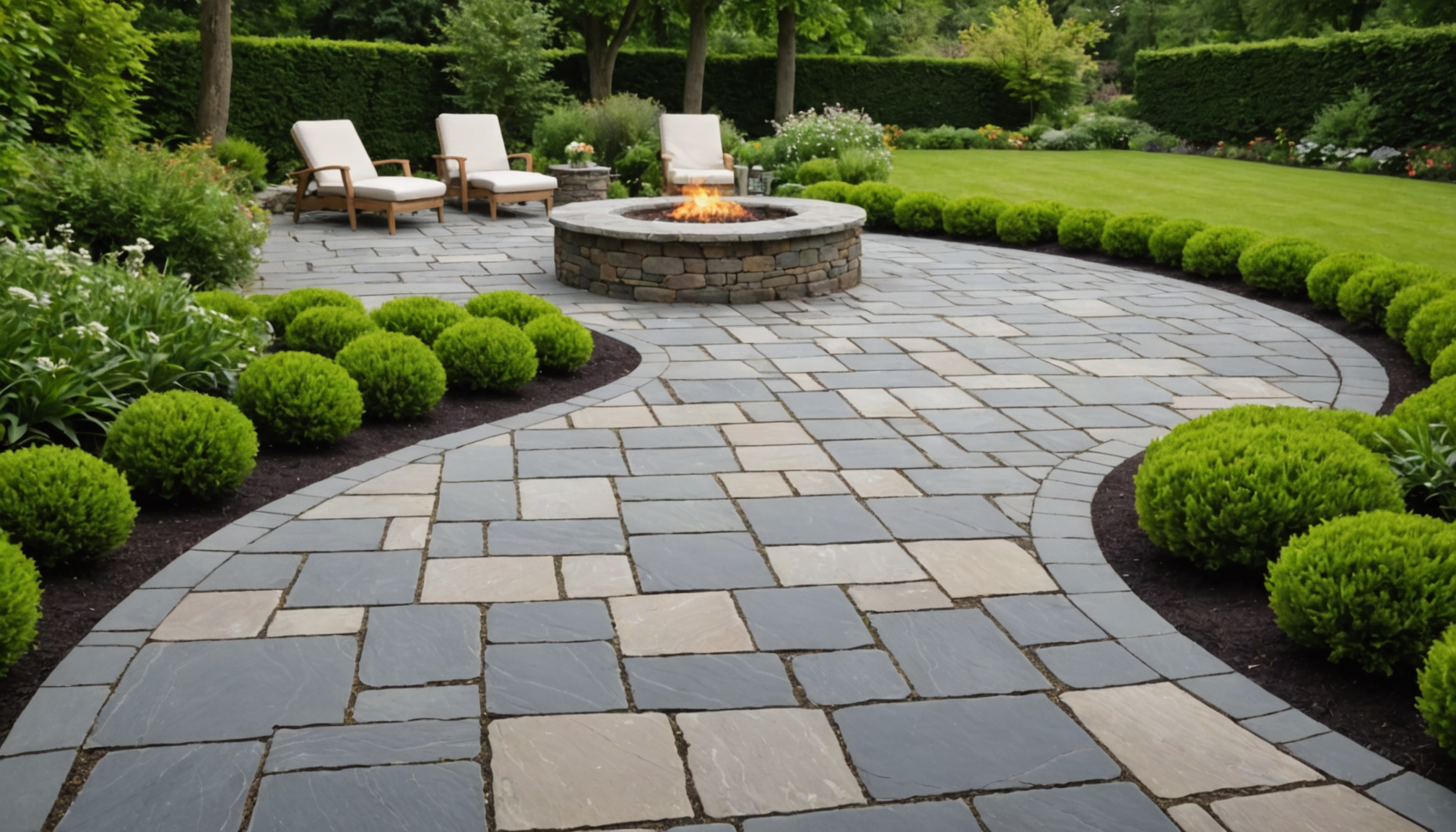 A driveway is often the first impression visitors have of your home, so enhancing its aesthetic is crucial for boosting overall curb appeal. An upgraded driveway not only complements the architectural style of your house but also serves as a functional and welcoming path. Here’s how to enhance your driveway aesthetic:
- Plan the Layout: Begin by mapping out the design of your driveway. Consider factors such as the shape and size of your driveway, the slope, and the existing landscaping. Decide whether to keep a straightforward path or to incorporate curves for a more dynamic appearance.
- Choose Complementary Colors: Colors play a vital role in driveway aesthetics. Opt for hues that complement your home’s exterior paint and the landscape. For a cohesive look, use subtle contrasts or harmonize the driveway paver colors with accents such as shutters or roofing materials.
- Design with Borders and Patterns: Borders can add a finished look to your driveway. Consider using a different paver color or material for the edges or integrating patterns like herringbone, basketweave, or circular patterns to create interest and elevate the driveway’s visual appeal. Borders not only define the shape but also protect the edges from wear and tear.
- Incorporate Lighting: Proper lighting not only enhances safety but also adds a layer of sophistication to your driveway. Install solar-powered lights along the edges or recessed lighting within the paving to highlight the driveway’s features and provide guidance during the night.
- Add Greenery: Use plants to frame the driveway, which can soften its appearance and blend it with the natural surroundings. Consider drought-tolerant plants, shrubs, or flower beds along the edges to add a touch of nature and a splash of color.
- Emphasize Functionality: While aesthetics are important, ensure the driveway is functional. This includes addressing drainage issues to prevent water pooling and potential damage. Installing permeable pavers can enhance drainage and reduce runoff, promoting sustainability.
- Incorporate Decorative Features: Install decorative elements such as a small fountain or a statue at the end of the driveway to create a focal point. Additionally, consider installing an ornate gate or decorative pillars to add grandeur to the entrance.
By putting effort into these detailed aspects, you can significantly enhance the aesthetic of your driveway, transforming it into an inviting, picturesque entrance that sets the tone for the rest of your home.
Creating inviting walkways
When designing pathways around your home, it’s essential to consider not only their utility but also the way they enhance the welcoming atmosphere of your exterior space. Inviting walkways possess the power to guide guests smoothly to your front door while adding aesthetic value to your landscape, creating an immediate sense of comfort and elegance.
Firstly, think about materials that echo the architectural theme of your house. Natural stone, for instance, can add a rustic charm, while sleek modern concrete can convey a more contemporary feel. Regardless of the style, it’s crucial that these materials blend seamlessly with the surrounding environment to create a cohesive look. Properly chosen materials not only beautify your space but also ensure longevity and ease of maintenance.
The shape and design of the walkways can dramatically influence their effect. Curved pathways, as opposed to straight ones, offer a more inviting and leisurely route, encouraging exploration of the garden or yard. Moreover, they can create an illusion of larger space, making small areas seem expansive. Utilizing a mix of wide and narrow segments can also add visual interest and keep the journey engaging to your visitors.
Incorporating patterns and textures into the walkway design can add layers of personality and style. Consider diagonally laid bricks, ornamental stamps in concrete, or even mosaics in certain focal areas to provide unique points of interest. These elements can serve as conversation starters and highlight your personal taste and creativity in landscape design.
It is equally important to integrate lighting into your walkway design to ensure safety and accentuate visual cues during evening hours. Solar-powered lights, embedded uplights, or lantern-style fixtures can enhance the beauty of the pathways while providing necessary illumination. Proper lighting along the paths creates a warm ambiance and ensures the walkways remain accessible at all times.
Vegetation and landscaping around walkways should not be overlooked. Lining pathways with plantings such as low-lying shrubs, flowering ground covers, or ornamental grasses offers a soft, welcoming touch and can highlight the path’s edges. The added greenery can create a lush, charming atmosphere, especially when plants are chosen to reflect seasonal colors or attract local wildlife such as butterflies and birds.
Building inviting walkways is as much about the journey as the destination. Carefully planning and executing the details of pathway design can enhance curb appeal by transforming how a space is perceived and utilized. Prioritizing comfort, aesthetics, and functionality ensures your pathways are not only practical routes but inspirational elements of your home’s outdoor space.
Maximizing outdoor living space
Creating a functional and aesthetically pleasing outdoor living space requires thoughtful design and an understanding of how various elements can work together to maximize usability and enjoyment. Paving upgrades play a critical role in this transformation, offering a solid and versatile foundation for outdoor activities, as well as enhancing the overall appearance of your space.
Begin by designing distinct zones to serve various purposes, such as dining, lounging, cooking, or entertaining. By clearly defining these areas with different paving materials or patterns, you can create a sense of order and flow that enhances the overall functionality of the space. For instance, a more intricate paving pattern can delineate a dining area, while a simpler, larger format paver can define a more casual lounging space. This not only makes the space more visually appealing but also better organized and easy to navigate.
Integrate features such as a patio or deck alongside your paving to provide comfortable seating arrangements. Using weather-resistant materials like composite decking or stone tiles ensures durability and low maintenance. Complement the hardscape with outdoor furniture that suits your lifestyle, whether that’s a large table for family meals or cozy seating for intimate gatherings. Adding built-in benches, often featuring the same or coordinated materials as the paving, maximizes space while maintaining a streamlined appearance.
Consider multi-level designs, which can add an element of depth and intrigue to your backyard. By elevating certain sections, you can create eye-catching landscapes with retaining walls that double as seating or garden beds. These changes in elevation can make small lots feel larger or strategically guide guests’ focus to key areas of your garden, such as a water feature or a particularly stunning plant display.
Functional and aesthetic elements like fire pits, outdoor kitchens, or water features further enhance the ambiance and utility of your space. When incorporated with thoughtfully selected paving materials, they create a cohesive design that invites people to engage with the space. For example, a fire pit with a surrounding circular paving pattern can serve as a focal point and gathering spot during chilly evenings.
Lighting also plays a crucial role in maximizing your outdoor living area. Utilize a combination of ambient, task, and accent lighting to create a warm atmosphere and extend the usability of your space into the night. Well-placed lighting can highlight features such as plantings, architectural details, and pathways, ensuring safety and adding a touch of elegance after the sun goes down.
Don’t overlook the integration of greenery into your paved spaces. Plants can soften hardscape edges, add texture, and provide shade and privacy. Choose a variety of foliage, including perennial shrubs, colorful annuals, and climbing vines, to create a lush environment that changes with the seasons, offering different visual experiences throughout the year.
Ultimately, to create an inviting and practical outdoor living space, focus on the harmony between the structural and natural elements. This blend of thoughtful paving, well-defined areas, and complementary landscaping can transform an ordinary yard into an extraordinary oasis of beauty and function, enhancing your home’s curb appeal and livability.
Maintaining your paving investment
To ensure your paving upgrades remain as attractive and functional as the day they were installed, implementing a consistent maintenance routine is essential. Regular care not only prolongs the lifespan of your investments but also preserves their aesthetic appeal, contributing to your home’s overall curb appeal.
Begin by periodically cleaning the paved areas with mild detergent and water or specialized cleaning solutions suitable for each material type. This helps remove any dirt, stains, or debris accumulated over time, especially in areas with frequent foot or vehicle traffic. For natural stone and brick, pay particular attention to mold or algae growth, which can form in shaded or damp areas. Utilizing a pressure washer can be effective for tougher stains, but ensure the settings are appropriate for the material to avoid surface damage.
Inspect the paving regularly for any signs of damage such as cracks, chips, or loose pieces. Early detection and repair of these issues can prevent them from worsening and compromising the entire surface. For materials like concrete and brick, resealing every few years can help maintain their resistance to stains and weather-related damage. A good sealant protects the surface from water intrusion, UV rays, and oil spills, preserving both its function and appearance.
Weed control is another critical aspect of maintaining pavers. Weeds can grow quickly in the joints between pavers, eventually causing shifting or displacement. Applying a weed inhibitor, filling joints with polymeric sand, or using a landscape fabric underneath the paving can deter growth and keep your surfaces looking clean and well-manicured.
In the case of areas with heavy vehicular use, such as driveways, it’s important to regularly check and potentially enhance the load-bearing capacity of the materials used. Adjusting and refilling the joint sand can help maintain the structural integrity of interlocking pavers, which can withstand significant pressure when properly cared for.
Additionally, consider rotating movable elements like outdoor furniture periodically to prevent uneven wear and fading on certain areas of the paving. This also applies to managing water runoff efficiently to avoid pooling that can cause erosion or damage over time.
By following these maintenance steps, you not only protect your paving investment but also enhance its longevity and continued visual appeal. Sustaining the quality and aesthetics of your paving projects ensures they remain a valuable aspect of your home’s exterior design, contributing to a welcoming and polished appearance throughout the years.
In conclusion, investing in paving upgrades is a strategic move to enhance curb appeal and boost the functionality of your outdoor spaces. Whether you’re selecting materials, designing driveways and walkways, or maintaining your installations, each step plays a crucial role in shaping the overall aesthetics and usability of your property. With thoughtful planning, execution, and upkeep, your paving enhancements can transform the exterior of your home into a harmonious blend of beauty and practicality, elevating your home’s first impression for years to come.