Powdercoating offers numerous advantages over traditional painting methods, particularly in areas where durability and aesthetics are critical. This technique involves applying a dry powder, which is electrostatically charged and then cured under heat, to create a hard, finished surface. It is widely used in a variety of industries such as automotive, industrial equipment, furniture, and architecture due to its strength and versatility.
One of the primary benefits of powdercoating is its exceptional durability. The curing process results in a finish that is significantly more resistant to chipping, scratching, and fading compared to conventional paint. This is particularly beneficial for items exposed to harsh environmental conditions or frequent use.
Another advantage is the uniformity and quality of the finish. Powdercoating provides an even coat without the drips or brush marks that can occur with wet paint application. This ensures a smooth, high-quality finish that is both aesthetically pleasing and protective.
- Variety of Finishes: Powdercoating is available in a wide range of colors and finishes, including glossy, matte, and textured. This allows for greater customization and design flexibility to suit specific aesthetic requirements.
- Environmentally Friendly: Powdercoating is generally more environmentally friendly than traditional painting. It produces fewer volatile organic compounds (VOCs) and hazardous air pollutants, making it a more sustainable choice. Additionally, overspray can be collected and reused, minimizing waste.
- Cost Efficiency: While the initial setup cost can be higher, powdercoating often proves more cost-effective in the long run due to reduced material waste, lower labor costs, and its longevity, which reduces the need for frequent recoating.
For those seeking a coating solution that provides both aesthetic appeal and practical benefits, powdercoating stands out as a superior option. Here is a concise comparison highlighting some of the key features of powdercoating versus traditional painting:
| Feature | Powdercoating | Traditional Painting |
| Durability | High resistance to scratches and impacts | Moderate resistance |
| Finish Uniformity | Even, without drips or runs | Potential for drips and uneven application |
| Customization | Wide range of textures and colors | More limited, especially for textures |
| Environmental Impact | Lower VOC emissions | Higher VOC emissions |
| Cost Over Time | Lower, due to durability | Higher, due to frequent maintenance |
Powdercoating not only enhances the visual and tactile qualities of a surface but also fortifies it with superior resilience and eco-friendliness. This makes it an excellent choice for a wide array of applications where long-lasting performance is required.
advantages of traditional painting
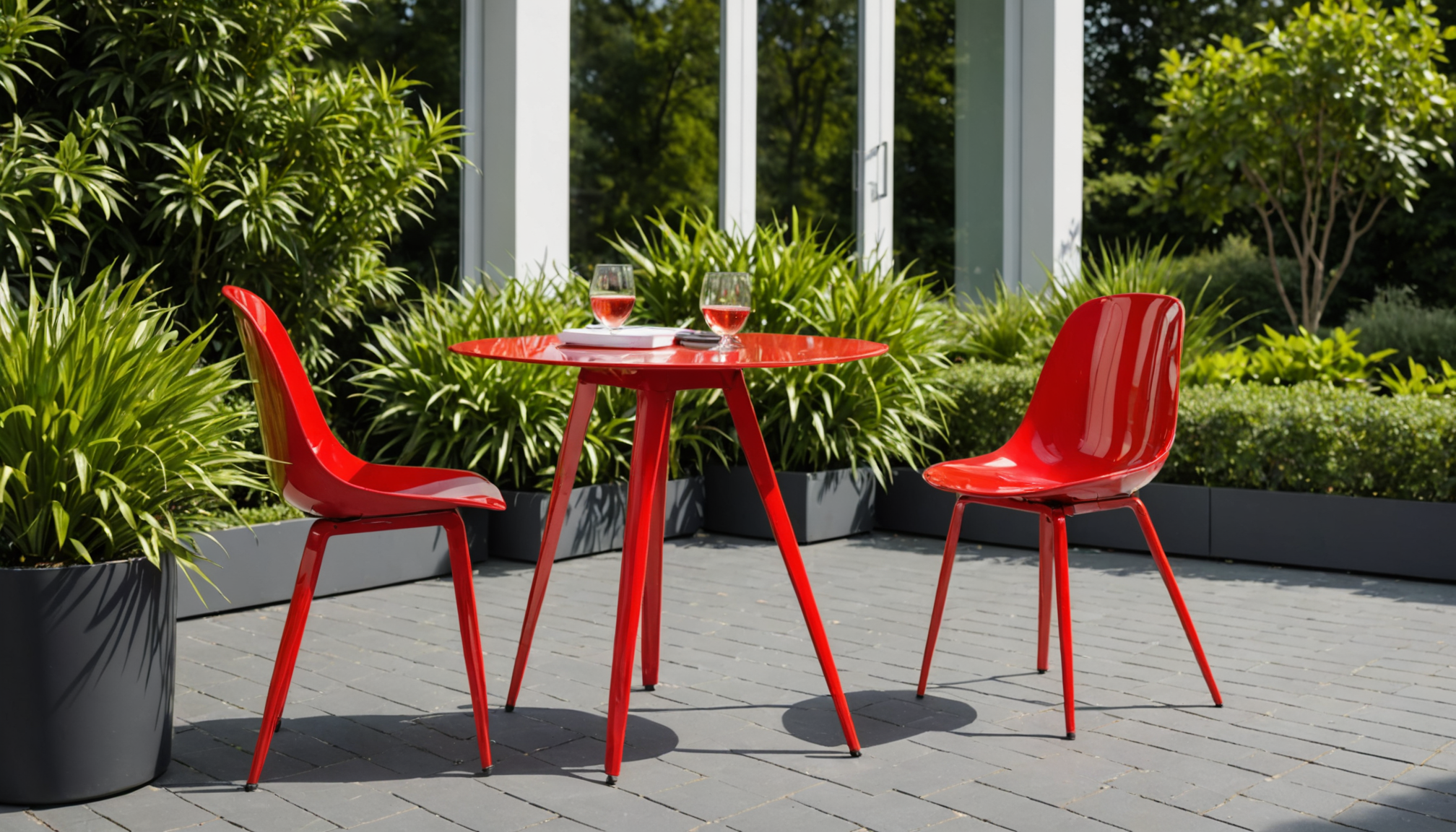 Traditional painting, despite advancements in finishing technologies like powdercoating, still offers several distinct advantages that make it a viable option for many projects. Its long-standing history and versatility continue to make it an appealing choice, particularly for smaller-scale or intricate jobs.
1. Ease of Application:
– Traditional painting can be applied without the need for specialized equipment or extensive setup processes. Whether using brushes, rollers, or spray systems, the application methods are typically straightforward and accessible to both professionals and DIY enthusiasts.
2. Versatility in Techniques:
– Painting provides an extensive range of artistic techniques. From layering and blending to creating textures with various brush styles, it offers creative flexibility that allows for unique artistic expressions and custom finishes.
3. Accessibility:
– Paint products are widely available in various formulations, including water-based, oil-based, and specialty paints for different surfaces. This accessibility extends to a broad spectrum of choices in terms of finishes, such as satin, eggshell, gloss, and high-gloss, offering adaptability for distinct aesthetic preferences.
4. Lower Initial Costs:
– The initial investment for painting can be more affordable compared to powdercoating, especially for small-scale or one-off projects. The materials require less upfront expenditure, and the tools needed are generally inexpensive and readily available.
5. Simplified Repair and Touch-Up:
– One significant advantage of traditional paint is the ease with which it can be repaired or touched up. Small scratches or chips can be addressed quickly, and the paint can be blended seamlessly. This is particularly useful for maintaining aesthetic integrity in both residential and commercial settings.
6. Intricate Detail Work:
– For projects that require intricate detailing, such as murals or fine art, traditional painting offers the precision necessary to achieve fine details and sharp lines. This precision is challenging to achieve with powdercoating, which is more suited to broader, less detailed applications.
7. Temperature Flexibility:
– Traditional painting doesn’t require the high heat necessary for curing powdercoatings. This allows for application in various environments without the constraints posed by sensitive materials that could be damaged by heat.
While powdercoating has its extensive merits, traditional painting excels in areas where customization, accessibility, and cost-effectiveness for smaller projects are paramount. Understanding these advantages helps in making informed decisions based on the specific needs and constraints of any given project.
durability and maintenance
When evaluating preservation over time and upkeep, the differences between powdercoating and traditional painting become even more apparent. Powdercoating is renowned for its exceptional ability to withstand the rigors of time and wear, which significantly reduces the need for regular maintenance. The cured finish creates a robust shield that stands up impressively against abrasions, corrosion, and weather-induced deterioration. Thanks to its durability, products and surfaces treated with powdercoating require less frequent repairs or touch-ups, making it a low-maintenance solution for both industrial and domestic applications. This resilience makes powdercoating particularly advantageous for outdoor furniture, automotive parts, and machinery that are continuously exposed to environmental elements.
Conversely, traditional paint finishes demand more attentive care and maintenance to preserve their aesthetic and protective qualities over time. Painted surfaces are more susceptible to chipping, peeling, and fading, particularly when exposed to ultraviolet rays and harsh weather conditions. As a result, they often necessitate periodic repainting and touch-ups to maintain their appearance and protection, which can lead to increased costs over the product’s lifecycle. Additionally, painted surfaces may require more careful cleaning to avoid damaging the finish, potentially adding to the maintenance demands.
However, one of the benefits of traditional paint in terms of upkeep is the relative ease with which small areas can be retouched. In cases where chips or scratches occur, paint can be applied directly to affected spots without the need for redoing the entire surface, which can be more challenging with powdercoating. This attribute makes traditional paint a practical choice for projects that demand a quick turnaround for minor repairs.
The disparity in maintenance needs between powdercoating and painting ultimately speaks to the overall value proposition of each method. Powdercoating offers a more maintenance-free option over the long term, contributing to lower overall costs and reduced hassle, making it ideal for heavy-duty applications. In contrast, painting is often better suited to applications where flexibility in repairs and aesthetic refreshing are important priorities. Understanding these differences not only helps in selecting the right finishing process for the initial application but also in anticipating and managing the long-term upkeep associated with each method.
cost comparison
When considering the financial implications of choosing between powdercoating and traditional painting, several factors must be taken into account. Initially, the cost of setting up and executing a powdercoating project tends to be higher. This is mainly due to the need for specialized equipment and the curing process, which requires a controlled environment to ensure a quality finish. The initial expense can be substantial, particularly for smaller projects or those that do not have the infrastructure to accommodate the powdercoating process.
Despite higher upfront costs, powdercoating becomes more economical over time, particularly for projects where longevity is a critical factor. The durability of powdercoating reduces the frequency of reapplications and repairs, making it a cost-effective option in the long run. The materials needed for powdercoating are used more efficiently, as overspray can be collected and reused, reducing waste and material costs. Industries that require high-volume applications often find the long-term savings substantial. This is in part because powdercoated surfaces maintain their finish for extended periods, minimizing both the labor and material expenses associated with re-coating.
In contrast, traditional painting usually entails lower initial costs. The required tools and materials, such as brushes, rollers, or spray guns, are generally more affordable and widely accessible. This makes painting an attractive option for small-scale projects or DIY enthusiasts who prefer minimal upfront investment. Even so, the potential for recurring costs is higher with traditional painting due to its susceptibility to wear and tear. Painted surfaces may require frequent maintenance or repainting, adding to overall costs over the project’s life.
For projects where budget constraints are a significant concern, assessing the total cost of ownership over time is critical. Decision-makers must weigh the benefits of reduced upfront costs against the longer-term expenses associated with maintaining traditional paint jobs. This comparison reveals that while powdercoating may appear costlier at the outset, it often results in lower cumulative costs thanks to its resilience and reduced need for repeated applications.
When evaluating which method offers better value, it is essential to consider both the nature of the project and the expected lifespan of the finish. For applications where surfaces are subject to harsh conditions or require increased durability, powdercoating’s higher initial expenditure may justify the investment through decreased long-term maintenance costs. Conversely, for less demanding environments or projects prioritizing immediate budget constraints, traditional painting remains a viable, cost-effective solution. By understanding these financial dynamics, individuals and businesses can make informed choices that align both with their immediate financial constraints and with long-term economic goals.
environmental impact
There is a noticeable impact on the environment when choosing between powdercoating and traditional painting, with both methods having unique environmental considerations. Powdercoating is often lauded for its environmentally friendly attributes. This coating technique produces fewer volatile organic compounds (VOCs), which are harmful pollutants associated with air quality issues and health risks. During the powdercoating process, there are minimal emissions of hazardous air pollutants, making it a preferred choice for industries that prioritize sustainability and eco-friendliness.
Additionally, the powder used in powdercoating can largely be reclaimed and reused, resulting in less material wastage compared to traditional painting methods. The absence of liquid components in powdercoating eliminates the need for solvents, which are typically used in conventional paints and contribute to environmental pollution. Therefore, opting for powdercoating is advantageous in reducing chemical waste and promoting efficient use of resources.
On the other hand, traditional painting practices often involve higher emissions of VOCs and other harmful chemicals, primarily due to the solvents used. These solvents not only have adverse effects on air quality but also pose environmental hazards if not disposed of properly. The application process for traditional paints can result in overspray and significant wastage of materials, which further exacerbates environmental impact.
Moreover, the cleanup process for traditional paints frequently involves additional chemicals, which can also contribute to environmental pollution if not managed correctly. As regulatory standards become more stringent regarding environmental impacts, industries are increasingly encouraged to adopt more sustainable practices like powdercoating.
In summary, when considering environmental impact, powdercoating emerges as a more sustainable option due to its lower VOC emissions and material efficiency. For sectors and projects aiming to reduce their ecological footprint, powdercoating offers a considerable advantage in aligning with environmental sustainability goals. While traditional painting may still hold value for certain applications, its higher environmental cost poses a significant consideration in decision-making processes.
To conclude, the choice between powdercoating and traditional painting ultimately depends on the specific needs and priorities of a project. For those seeking superior durability, minimal maintenance, and reduced environmental impact, powdercoating presents a compelling option. On the other hand, traditional painting offers advantages in terms of flexibility, ease of application, and lower initial costs for smaller projects. By evaluating factors such as longevity, maintenance demands, cost-effectiveness, and environmental considerations, individuals and businesses can make informed decisions to achieve the desired balance between aesthetic appeal, performance, and sustainability.