The world of pests is vast and diverse, encompassing numerous species that can invade both homes and gardens. Understanding these invaders is crucial for implementing effective prevention strategies. Generally, pests can be divided into various categories based on their behavior, habitat, and the challenges they present. Here, we’ll delve into some of the most common pests and explore their habits, the risks they pose, and potential entry points they exploit to infiltrate human environments.
Common household pests include insects like ants, cockroaches, and termites, as well as rodents such as mice and rats. Each of these pests presents unique challenges:
- Ants: Known for their large colonies and relentless scavenging, ants can quickly become a nuisance. They often enter homes in search of food, and once a source is located, they lay down pheromone trails to lead others to the bounty.
- Cockroaches: Resilient and adaptable, cockroaches thrive in warm, humid environments. They can spread diseases and exacerbate allergies, becoming particularly problematic in kitchens where food and water sources are abundant.
- Termites: Often referred to as “silent destroyers,” termites can cause significant structural damage over time. They consume cellulose-based materials, making the wooden components of buildings especially susceptible.
- Mice and Rats: These rodents are not only destructive, gnawing on wires and insulation, but they also pose health risks by spreading diseases through their droppings and urine.
To combat these pests effectively, one must first understand their behaviors and tendencies. For instance, ants are particularly attracted to sugary and greasy substances, while cockroaches are less discriminative, foraging through garbage and any accessible sustenance. Meanwhile, rodents are drawn to cluttered spaces where they can find shelter and food remnants.
Entry points for these pests vary. Ants can seek out the smallest of cracks and crevices, while rodents require slightly larger openings, approximately the size of a dime for mice and a quarter for rats. Cockroaches can flatten their bodies to squeeze through narrow gaps, and termites can penetrate through unprotected wood or soil adjacent to wood structures.
Understanding these characteristics assists homeowners in identifying potential vulnerabilities around their properties. Discovering a pest’s entry point can inform preventative measures to seal these openings or eliminate attractants. The following table provides a brief comparison of the characteristics of some common pests, which highlights their differences and aids in the development of targeted prevention.
| Pest | Main Attraction | Common Entry Points | Potential Risk |
| Ants | Sugary foods, grease | Tiny cracks, door thresholds | Nuisance, contamination of food |
| Cockroaches | Food wastes, warmth | Pipes, vents, cracks | Spread of disease, allergies |
| Termites | Wood (cellulose) | Soil, wood contact with earth | Structural damage |
| Mice and Rats | Food scraps, clutter | Gaps under doors, utility lines | Property damage, health risks |
By thoroughly understanding these pests, their attractions, and the ways they infiltrate our spaces, homeowners can adopt more informed, proactive measures to prevent infestations before they begin.
Seasonal prevention strategies
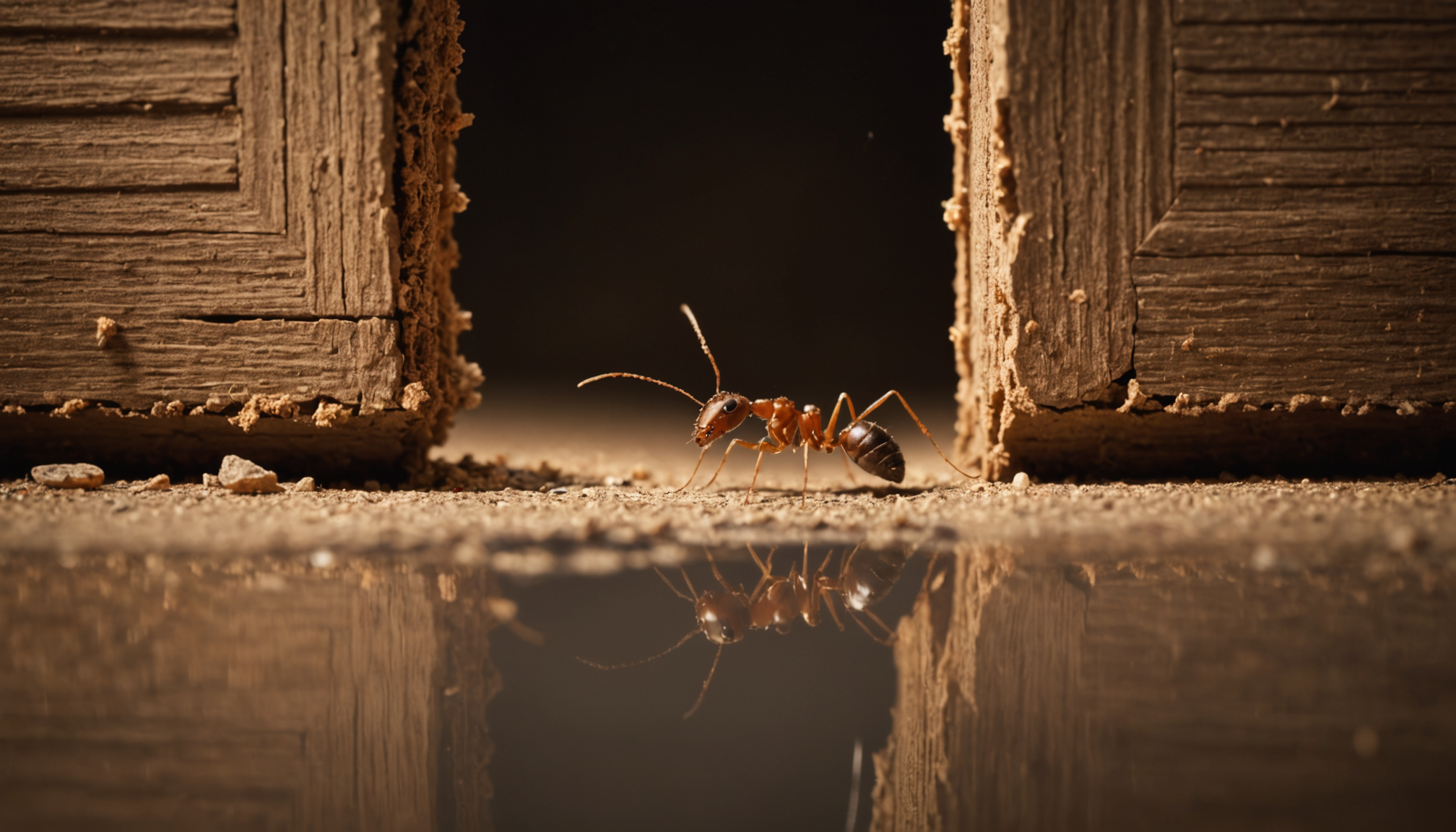 Implementing effective seasonal strategies is essential to prevent pests from invading your living space throughout the year. Different seasons bring unique pest challenges, but with careful planning and targeted actions, you can keep these unwelcome guests at bay. Here’s a guide to adopting seasonal prevention tactics that align with the behavior and life cycles of common pests.
- Spring Preparation:
- Seal Entry Points: Spring is a time for renewal, and many pests emerge from hibernation, looking for new territories. Inspect your home for cracks and openings, paying close attention to foundation lines, windows, and doors. Sealing these entry points with caulk or weatherstripping helps deter insects like ants and termites that are searching for new nesting grounds.
- Yard Cleanup: As plants begin to bloom, make sure your yard is free of debris and stagnant water. Remove leaf piles, fallen branches, and any clutter that could provide shelter. Also, trim back vegetation that touches the building to limit paths for pests.
- Screen Checks: Inspect window and door screens for any tears or damage. Installing or repairing screens prevents flying insects like mosquitoes from entering your home.
- Summer Defense:
- Patio and BBQ Vigilance: High temperatures increase pest activity, and social gatherings can inadvertently attract them. Keep food covered and clean up spills promptly during outdoor gatherings. Use lidded trash cans and avoid leaving pet food outside.
- Moisture Management: Regularly check for leaks, especially in basements and bathrooms, as many pests are attracted to moisture. Repair any leaky faucets, drains, or pipes, and ensure gutters are clear and functioning correctly.
- Lawn Maintenance: Maintain your lawn by mowing regularly and avoiding overly dense vegetation where pests can hide. Consider utilizing pest-repellent plants like lavender or marigold to naturally discourage invaders.
- Fall Fortification:
- Exterior Inspections: As cooler weather approaches, inspect the exterior of your home once more. Pay close attention to areas like attics or basements where pests may seek warmth. Re-seal any gaps and ensure your chimney cap is secure.
- Vent Protection: Ensure that exterior vents are covered with mesh to prevent rodents from using them as entryways. This is particularly important for dryer and attic vents.
- Firewood Storage: If you store firewood, keep it at least 20 feet away from your house and off the ground to deter termites and rodents.
- Winter Watch:
- Indoor Cleanliness: With more time spent indoors, keep your interior spaces tidy. Regularly vacuum and clean areas that might attract food crumbs, especially in the kitchen.
- Basement and Attic Care: These areas can be prime nesting sites for rodents seeking warmth. Regularly inspect and keep them clutter-free to prevent habitation.
- Heating Systems: Check your heating system and ensure that any openings are sealed properly. This not only helps keep pests out but also improves energy efficiency.
Adopting these seasonal strategies can greatly reduce the likelihood of pest infestations, helping maintain a clean and healthy living environment year-round. By staying vigilant and proactive, you can enjoy the comfort of your home without the interruptions caused by unwanted pests.
Effective home maintenance tips
To maintain a pest-free home, focusing on regular and effective maintenance is essential. The key lies in implementing consistent practices that keep potential pest problems at bay. One of the most significant measures is to ensure that your home’s structural integrity is intact, as this minimizes entry points for pests. Regular inspections of your walls, foundation, and roof are crucial; look for cracks, gaps, or any signs of damage that pests could exploit. Sealing these with appropriate materials such as caulk or expanding foam can go a long way in safeguarding against invasion.
Cleaning practices also play a vital role in home maintenance. Maintaining cleanliness in and around your home can deter pests from setting up residence. This includes thorough cleaning of kitchens and dining areas to ensure no food remnants are left to attract insects and rodents. Dispose of garbage regularly and make sure that all trash bins are equipped with tight-fitting lids. Organized storage, especially in basements, attics, and garages, helps in reducing clutter that could provide nesting sites for pests like rodents and spiders. Use storage bins with secure lids, and keep items elevated and away from walls to reduce hiding opportunities.
Furthermore, water management is critical, as many pests thrive in moisture-rich environments. Addressing leaks promptly prevents water accumulation. Inspect plumbing regularly and repair any leaky faucets, pipes, or fixtures. In addition, ensure that your gutters and downspouts are free of debris to prevent water pooling near your house’s foundation, which can attract termites and other moisture-loving pests.
Consider your landscaping and outdoor maintenance as part of your home upkeep strategy. Trim tree branches and shrubs so they do not touch your house, as they can act as bridges for pests. Keep a sufficient gap between mulch and the foundation to reduce termite risks. Also, maintain a regular lawn-care schedule to avoid creating dense vegetation spots which can harbor pests.
By incorporating these maintenance tips into your routine, you’ll be taking proactive steps to create an environment that is significantly less inviting to pests. Consistency in these practices is what ultimately ensures long-term protection, allowing you to enjoy your home without the stress of potential infestations.
Natural repellents and deterrents
While chemical pesticides might offer a quick fix, many homeowners seek less toxic alternatives to manage and deter pests effectively. Natural repellents and deterrents provide a safe and eco-friendly option for those who prefer to maintain a healthy living environment. Leveraging plants, household items, and natural oils not only helps keep pests at bay but also ensures the well-being of family members, pets, and the ecosystem.
Aromatic plants like mint, lavender, and basil are particularly effective in repelling unwanted visitors. Mint, for instance, is known to ward off ants and mosquitoes due to its strong scent, while lavender is a natural deterrent for moths, fleas, and flies. Planting these herbs around the garden or using them in potted plants inside the home can create an additional layer of defense. Not only do they serve as barriers, but they can also enhance the aesthetic appeal of your spaces.
Essential oils are another potent way to deter pests. Oils such as peppermint, eucalyptus, and citronella can be used to create natural sprays or diffusers. Peppermint oil, diluted with water, can be sprayed along baseboards, windows, and doors to keep spiders and rodents away. Similarly, citronella oil is renowned for its ability to repel mosquitoes, making it an excellent addition to outdoor gatherings. Eucalyptus oil works well against dust mites and cockroaches and can be used in cleaning solutions for floors and countertops.
Natural household products can also be incredibly effective. Diatomaceous earth, a powdery substance made from fossilized aquatic organisms, can be sprinkled in areas where insects frequent. It works by dehydrating pests, making it a safe option for indoor use. Similarly, vinegar is a versatile deterrent; its acidic nature disrupts the sensorial trail left by ants. Spraying vinegar mixed with water on countertops and entry points can reduce ant activities significantly.
Additionally, consider using barriers made from natural materials. Copper mesh can be placed in small gaps and around pipes to block rodents, as they have difficulty chewing through it and dislike the taste. Cayenne pepper and ground cinnamon can be sprinkled in areas where pests enter the home, providing a spicy barrier that deters insects like ants and spiders.
The implementation of these natural methods not only reduces the reliance on chemical pest control but also minimizes the risk of negative health impacts, offering a more sustainable approach to pest management. By integrating these strategies into your pest prevention plan, you actively contribute to a healthier living environment while maintaining an effective defense against intruders.
When to consult a professional
Sometimes, despite your best efforts to prevent pests from entering your home, infestations can still occur. Knowing when to consult a professional pest control service can save both time and resources in the long run, as these experts have specialized knowledge and access to tools that effectively handle severe pest issues.
One of the prime indicators for professional intervention is the presence of structural damage. If you notice signs of termites, such as hollow-sounding wood, blistering paint, or mud tubes, it’s essential to seek expert help immediately. Professionals are trained to assess the extent of termite infestations and can apply treatments that are not available to the general public, which can ensure thorough eradication.
Similarly, rodent infestations often require the expertise of a pest control professional. If you hear persistent noises in your walls or attics, notice chewed wires, or find droppings on a regular basis, these could be signs of a significant rodent problem. Professionals can install traps and bait stations in strategic places and provide advice on how to deter future intrusions.
When dealing with insects like bed bugs or cockroaches, an over-the-counter approach might not suffice. Bed bugs, for instance, can be particularly difficult to eliminate due to their small size and ability to hide in tiny crevices. Pest control specialists have access to potent heat treatments and pesticides that are effective in exterminating these pests.
Additionally, seeking professional assistance is advisable if you’re experiencing health issues potentially linked to pest infestations. Asthma or allergy symptoms exacerbated by pest dander, droppings, or bites necessitate a more serious approach to pest management that professionals can provide.
In cases where natural deterrents and home maintenance tips have failed to keep pests at bay, or when you simply cannot identify the source of the infestation, the expertise of a pest control professional becomes imperative. They can conduct a thorough inspection to identify less obvious entry points and implement targeted treatment plans tailored to the specific pest problem and your home’s needs.
A professional assessment not only addresses the current issue but also provides insights on preventing future infestations, offering a comprehensive solution that maintains the health and safety of your living environment.
In conclusion, keeping pests at bay requires various preventive measures, including understanding pest behavior, seasonal strategies, diligent home maintenance, and the use of natural repellents. However, recognizing when to bring in a professional can be crucial when situations escalate beyond your control. By maintaining consistent practices, leveraging natural solutions, and consulting experts when needed, you can effectively prevent pests from invading your home, ensuring a safe and comfortable living environment year-round.