Pool fencing is a critical component in ensuring the safety of family pools. The right fencing not only serves as a physical barrier to prevent unsupervised access but also enhances the aesthetic value of your outdoor space. Choosing the appropriate fence requires understanding various materials, styles, and safety standards that align with both your environmental conditions and your local regulations.
The primary consideration when selecting pool fencing is safety compliance. In the United States, pool fencing is governed by regulations that may vary by state or locality, but generally adhere to standards set by the International Code Council (ICC) and the Consumer Product Safety Commission (CPSC). It is crucial to ensure that your chosen fencing meets the minimum height requirements, often around four feet, and features gates that are self-closing and self-latching.
When it comes to materials, each option presents its own set of advantages and potential drawbacks. Here is a comparison of common pool fencing materials:
| Material | Pros | Cons |
| Aluminum |
|
|
| Wood |
|
|
| Vinyl |
|
|
| Glass |
|
|
| Mesh |
|
|
In addition to material choice, the design of the pool fence should incorporate child-proof features. Vertical bars with no more than four inches apart, sturdy posts that prevent climbing, and secure locking mechanisms are essential. Consider additional features such as alarms that notify you when the gate is opened, adding an extra layer of security.
The choice of fencing material and design should also take into account the pool’s environment. In areas with harsh weather conditions, selecting a material with proven durability and resistance to environmental impact is crucial to ensure longevity. Additionally, fences should be installed on solid ground and be free of objects close by that could enable climbing.
Ultimately, the right pool fencing acts as a crucial element in a comprehensive pool safety plan. It offers peace of mind for families by providing a secure environment where children and pets can play freely without the risk of accidental drowning. Through careful consideration of material, design, and compliance with legal standards, homeowners can significantly enhance the safety of their pool surroundings.
securing pool covers and equipment
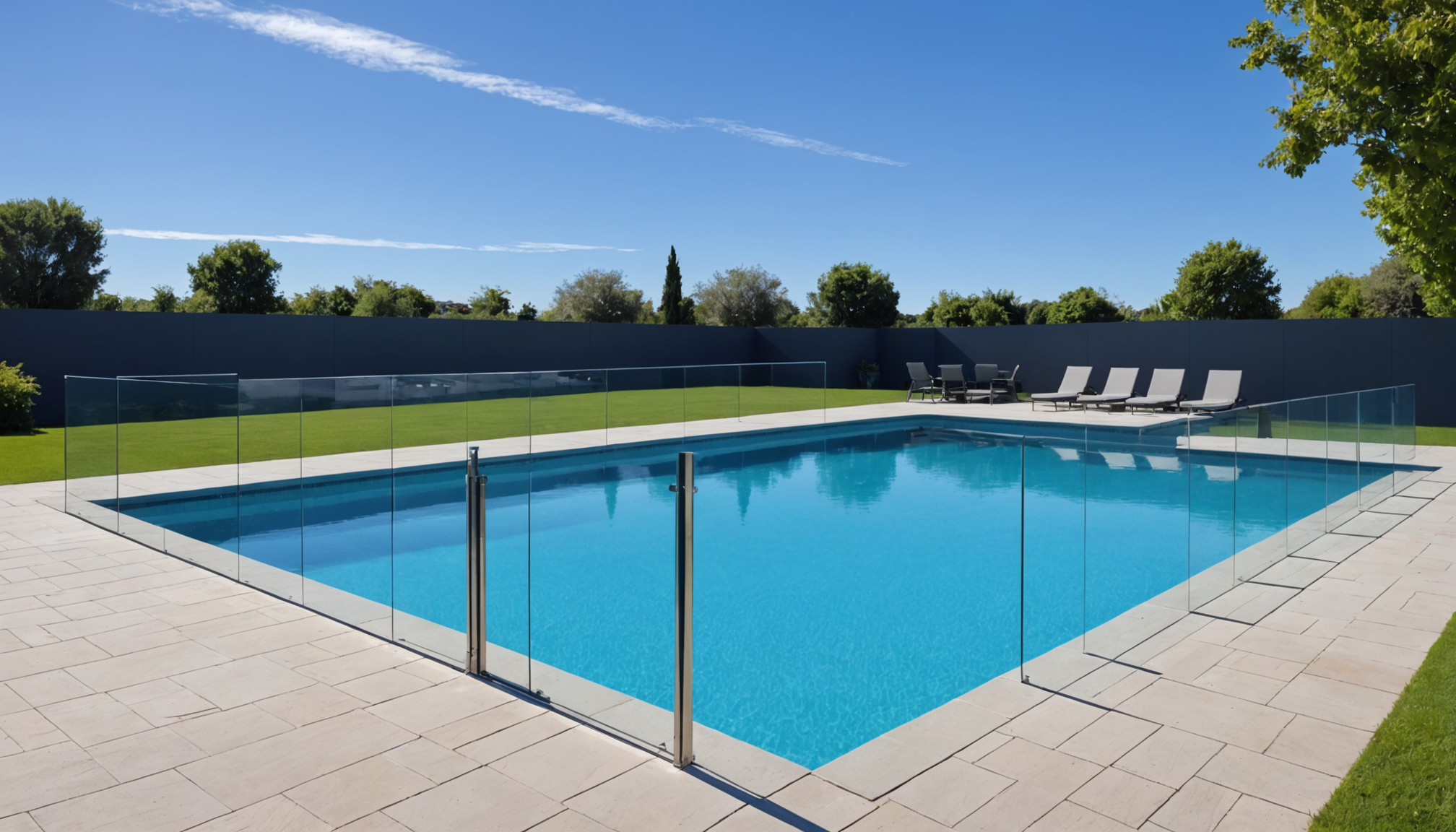 To ensure that your pool area remains safe and secure, properly securing your pool covers and equipment is essential. Here’s a step-by-step guide to effectively managing and securing your pool coverings and associated equipment:
-
Choose the Right Pool Cover:
- Determine the best type of cover for your pool depending on your needs. Options include solid covers, mesh covers, and automatic covers.
- Solid covers work well for keeping debris out, but can collect water, requiring the use of a cover pump.
- Mesh covers allow water to drain through, reducing the risk of water accumulation, but they may let some debris through.
- Automatic covers offer convenience and ease of use with the push of a button and provide a high level of safety and cleanliness.
-
Install and Secure the Cover Properly:
- Read the manufacturer’s instructions for installation to ensure the cover is fitted correctly over the pool.
- For solid and mesh covers, make sure all anchors are secured around the pool’s perimeter and that the cover is snugly fitted without gaps.
- For automatic covers, perform regular checks to ensure the tracks are clean and functioning properly.
- Frequently check the tension of your cover, adjusting it as needed to ensure it remains secure.
-
Maintain Your Pool Cover:
- Regularly inspect the cover for any tears or damages, promptly repairing them to maintain effectiveness.
- Clean the cover periodically to prevent dirt and debris build-up, following the manufacturer’s cleaning instructions.
- During winter months or longer periods of non-use, ensure the cover is properly secured and tensioned to withstand tough weather conditions.
-
Secure Pool Equipment:
- Keep pool tools and cleaning equipment, such as vacuum hoses and skimmers, stored in a locked storage unit or shed.
- Install latches or locks for poolside storage compartments to prevent unauthorized access, especially to chemicals and maintenance tools.
- Secure loose items, such as ladders and slides, when not in use to avoid accidents or unauthorized use.
-
Use Additional Safety Measures:
- Consider installing a cover alarm that alerts you if the cover is tampered with or if someone tries to gain access.
- Position safety equipment, such as lifebuoys and hooks, within easy reach around the pool area in case of emergencies.
- Educate all family members about the importance of keeping covers and equipment secured and the potential hazards of failing to do so.
By following these steps, you significantly reduce risks associated with pool covers and equipment, ensuring a safer swimming environment for your family and guests. Taking the time to secure these elements properly will not only help to prevent accidents but also contribute to maintaining the longevity of your pool features.
understanding and teaching pool rules
Understanding and implementing pool rules is a fundamental aspect of pool safety that can significantly reduce the risk of accidents. First and foremost, it is essential to establish clear and concise pool rules suitable for your pool’s usage and environment. These rules should focus on promoting safety, respecting the shared space, and minimizing risks associated with pool activities.
To effectively instill these rules, it is important to communicate them clearly to all family members and guests. Consider visible signage around the pool area that outlines these rules. This will reinforce them consistently and help prevent forgetfulness, particularly with children who may be more prone to impulsive behaviors. Moreover, visual reminders can be compelling, serving as constant cues for proper conduct in the pool area.
Supervision is a non-negotiable rule. Adults should always supervise children and inexperienced swimmers, regardless of their swimming abilities. Active supervision involves maintaining a vigilant and undistracted watch over swimmers, staying within arm’s reach of young children or novice swimmers whenever possible. Stressing the importance of never swimming alone—even for adults—can also serve as a preventive measure, ensuring that help is available in case of an emergency.
In addition to supervision, age-appropriate swimming lessons and water safety education are invaluable. Educating children and adults about swimming techniques, emergency responses, and the potential dangers of reckless behavior near water not only builds their confidence but instills a sense of responsibility. These lessons provide lifelong benefits and can significantly enhance one’s ability to stay safe around water.
Enforcing rules that prevent risky behavior, such as running on the pool deck, diving in shallow areas, or engaging in rough play, is crucial. Encourage swimmers to use designated areas for specific activities to ensure everyone’s safety and enjoyment. Highlighting the importance of taking breaks to avoid fatigue is essential, as tiredness can lead to accidents in and around the water.
Furthermore, instilling a “no glass” policy in the pool area minimizes the risk of breakage and injury. Non-glass alternatives should be made readily available, such as plastic or metal cups and containers, to reduce potential hazards.
Finally, the significance of leading by example cannot be overstated. Children and young swimmers often emulate adult behaviors, so demonstrating adherence to pool rules and safety practices reinforces their importance. Discuss pool safety frequently and involve all family members in safety drills, fostering an environment of shared responsibility and vigilance.
By thoroughly understanding and teaching these essential pool rules, you not only protect your loved ones but foster a culture of safety that enhances the overall experience of pool ownership for everyone involved.
emergency preparedness and response
Having a plan in place for emergencies is an essential aspect of maintaining a safe pool environment. Swift and knowledgeable responses can make a significant difference in critical situations. Therefore, being prepared is not just an option but a necessity.
First, ensure all family members and frequent visitors familiarize themselves with pool emergency protocols. This includes knowing the location and proper use of emergency equipment such as life rings, reaching poles, and first-aid kits. Placing these items in easily accessible locations around the pool area is crucial so that they can be quickly utilized if needed.
It’s imperative that every pool owner and frequent user knows basic water rescue techniques and CPR. Taking a certified lifesaving course is highly recommended as it can provide the skills and confidence needed to act when every second counts. Many community centers and local organizations offer these courses, and keeping certifications up to date ensures readiness.
Developing a clear plan for summoning help during an emergency is also vital. Have a charged phone nearby when the pool is in use, with emergency numbers clearly displayed or programmed for quick access. Swift communication with emergency services can be the difference between life and death in drowning situations.
Additionally, conduct regular drills with family members to practice these emergency protocols. Similar to fire drills, these exercises ensure everyone is aware of their roles and the sequence of actions to take should an emergency occur. This preparation can help minimize panic and confusion during an actual incident.
Familiarize yourself with the specific risks and emergencies that can occur around pools. This knowledge includes recognizing signs of drowning, understanding the dangers of electric shock due to faulty pool equipment, and being vigilant for potential chemical exposures from pool maintenance substances.
Moreover, establishing a structured incident reporting system helps evaluate past occurrences, providing insights to prevent future incidents. After any incident, review what happened and discuss what can be improved to enhance safety measures moving forward.
Staying informed about advancements in pool safety technology can also be beneficial. Many modern systems offer features such as motion detectors and surveillance, which add layers of security and aid in maintaining a vigilant watch over the pool area.
By emphasizing preparedness and training, you contribute not only to safeguarding your family but also cultivate an environment of safety consciousness among all pool users. Engaging actively in these practices fosters not only individual responsibility but also community awareness about pool safety.
regular maintenance and inspections
Routine pool maintenance and thorough inspections are the backbone of ensuring a safe and enjoyable swimming environment for your family. Keeping the pool and its surrounding areas in optimal condition not only enhances safety but also extends the longevity of pool components and maintains water quality. Consistency in these practices plays a critical role in accident prevention and the reduction of health risks associated with pool use.
Begin by establishing a regular cleaning schedule tailored to your pool’s usage and the local environment. This routine should include skimming the surface to remove debris, brushing pool walls and floor to prevent algae buildup, and vacuuming to ensure cleanliness. Keep an eye out for unusual changes, such as an accumulation of debris or uncharacteristic cloudiness, which may indicate underlying filtration or chemical balance issues.
The chemical balance of the pool water is another vital aspect to monitor consistently. Testing the water at least twice a week ensures balanced pH levels and proper chlorine concentration, which are crucial for preventing harmful bacteria and ensuring swimmer comfort. Utilize a reliable testing kit and adjust chemicals as needed. If you encounter ongoing issues balancing the water chemistry, consider consulting a pool professional for advice.
Regular inspections of the pool’s mechanical systems, such as pumps, filters, and heaters, are equally important. Check for wear and tear, leaks, or inefficiencies, addressing any problems promptly to maintain operational integrity. Seasonal check-ups, especially before opening the pool at the start of swim season, can preempt mechanical failures and prevent costly repairs.
Also, scrutinize the physical pool structure. Surface cracks, loose tiles, or damaged coping can pose safety hazards and should be repaired swiftly. The pool deck and surrounding area should remain free of obstructions and cleaned regularly to prevent slipping accidents.
Pay careful attention to safety equipment. Inspect rescue devices, such as life rings and reaching poles, to ensure they are in good condition and accessible in emergency situations. Adequately store first-aid kits, ensuring they are stocked and up-to-date.
Moreover, revisit the structure of signage around the pool periodically. Ensure that all safety notices, rules, and emergency contact information remain legible and visible to all users, especially during seasonal changes when signage might deteriorate due to exposure to the elements.
Remember, involving family members in maintenance tasks can promote responsibility and awareness, helping to cultivate a culture of safety within your household.
By committing to regular maintenance and proactive inspections, you can effectively safeguard your pool environment, providing a safe and pleasant space for your family and guests to enjoy.
In conclusion, ensuring safety in your family pool involves a combination of careful planning, routine maintenance, and a culture of vigilance. By installing the right pool fencing, securing covers and equipment, teaching pool rules, preparing for emergencies, and conducting regular maintenance, you create a safer environment that minimizes risks and enhances the joy of swimming. Ultimately, your diligence not only protects your loved ones but also enriches their pool experiences, fostering a fun and secure atmosphere for all.