Water leaks and resulting water damage are among the most obvious signs that it’s time to call a professional plumber. Recognizing leaks and addressing them promptly is crucial to preventing extensive damage to your home and avoiding costly repairs in the future. Leaks can occur in various locations throughout your plumbing system, and their effects can range from minor inconveniences to significant structural problems.
Some common indicators of leaks include water stains on ceilings or walls, damp or spongy areas on floors, and visibly dripping faucets or pipes. You might also notice an inexplicable increase in your water bill, often a sign of an undetected leak somewhere in your system.
It’s important to understand the different types of leaks that can affect your plumbing system:
- Faucet Leaks: These are characterized by the persistent dripping of a tap, usually due to worn out washers or seals.
- Pipe Leaks: Often hidden within walls or ceilings, pipe leaks can result from corrosion, stress fractures, or faulty connections.
- Toilet Leaks: Look for constant running water sounds when the toilet isn’t in use, indicating possible flapper or fill valve issues.
- Water Heater Leaks: Can lead to pools of water around the unit or inadequate hot water supply.
Addressing leaks promptly involves not only immediate repairs but also preventive measures to minimize the likelihood of future issues. Prioritizing maintenance, regular inspections, and upgrades to old plumbing fixtures can significantly reduce the risk of leaks.
Below is a comparative analysis of the potential impacts of leaking and the associated repair costs for different types of leaks:
| Leak Type | Potential Impact | Estimated Repair Cost |
| Faucet Leak | Increased water bill, mold growth | $50 – $150 |
| Pipe Leak | Structural damage, mold infestation | $150 – $350 (variable based on location) |
| Toilet Leak | Water wastage, floor damage | $75 – $200 |
| Water Heater Leak | Reduced efficiency, risk of water heater failure | $100 – $1,000 (depending on the extent of damage) |
Ignoring water leaks can lead to severe repercussions, ranging from exacerbated wear and tear to potential health hazards from mold and mildew. Therefore, engaging a licensed plumber to diagnose and repair leaks not only restores functionality but also preserves the integrity of your home’s infrastructure.
low water pressure
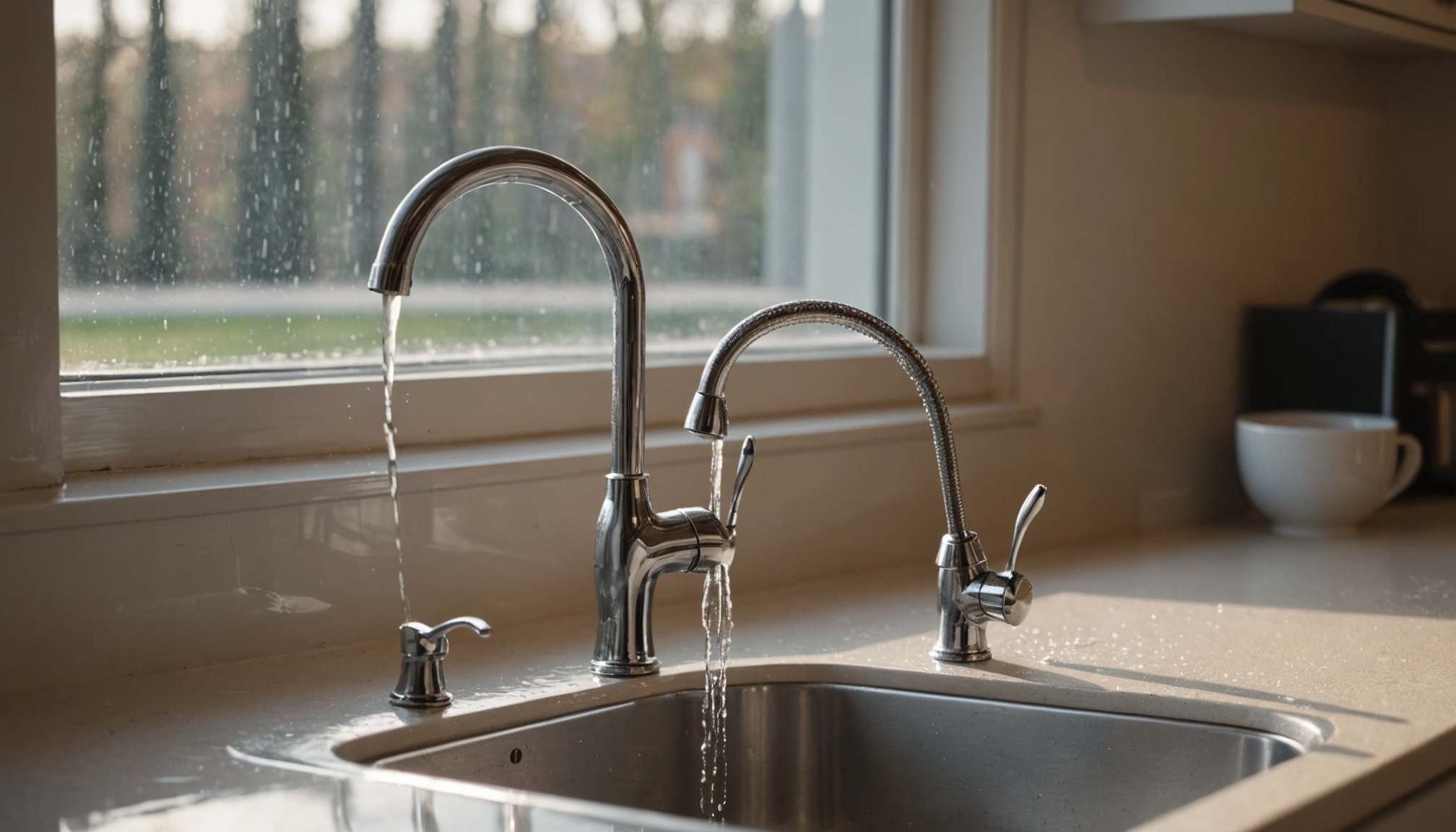
Experiencing low water pressure throughout your home can be a frustrating inconvenience. It often indicates an underlying problem within the plumbing system that requires professional attention. Diagnosing and addressing low water pressure can help restore your water flow to optimal levels and prevent any further complications.
Here’s how you can identify and possibly troubleshoot low water pressure issues before calling a plumber:
- Check Your Home’s Main Shut-off Valve: Ensure that the shut-off valve, usually located at the point where the main water line enters your home, is fully open. If it’s partially closed, it can restrict water flow and reduce pressure.
- Inspect Individual Fixtures: Determine if the low pressure is isolated to one fixture or prevalent throughout the house. If it’s isolated, the issue might be with the particular faucet or showerhead, where cleaning or replacing may be necessary.
- Examine Pressure Regulators: If your home has a water pressure regulator, it may need adjustment or replacement. A faulty regulator can cause unusually low or high water pressure.
- Look for Hidden Leaks: Undetected leaks in your plumbing system can reduce water pressure by diverting water away from where it’s needed. Check for signs like damp walls, ceilings, or unexplained puddles, which might indicate a leak.
- Evaluate Pipe Sizes: Older homes with outdated plumbing systems might have pipes that are too narrow to handle modern water demands. This could cause significant pressure drops when multiple fixtures are in use, necessitating a professional evaluation and possible pipe replacement.
- Assess Corrosion and Mineral Build-up: Over time, pipes can become clogged with mineral deposits, especially in areas with hard water. This build-up restricts water flow and lowers pressure, requiring a plumber to clean or replace sections of piping.
- Check Your Water Provider: Sometimes, the culprit may not be within your plumbing system but stems from the municipal water supply. Contact your water provider to rule out any regional issues affecting water pressure.
It’s crucial to approach low water pressure as more than a mere inconvenience. If ignored, it could indicate serious plumbing issues such as pipe corrosion or significant leaks, which might lead to costly repairs. Regular maintenance and inspections are recommended to detect issues early, maintain efficient water flow, and prolong the lifespan of your plumbing infrastructure. Should you be unable to identify the cause of the low water pressure, enlisting the help of a licensed plumber is the best course of action to ensure a comprehensive and professional solution.
slow or clogged drains
Experiencing slow or clogged drains is another tell-tale sign that it might be time to call in a professional plumber. Although minor blockages can often be resolved with a plunger or over-the-counter drain cleaners, persistent or recurring issues typically indicate deeper problems within your plumbing system. These issues not only disrupt daily routines but can also escalate into more severe plumbing emergencies if neglected.
Understanding the underlying causes of slow or clogged drains is essential for deciding when professional intervention is necessary. Drains can become obstructed for a variety of reasons, such as the accumulation of hair, soap scum, grease, or food debris. Furthermore, foreign objects accidentally flushed or improperly disposed of can cause significant blockages disallowing proper water flow. More severe instances might involve tree root infiltrations, where roots invade the drainage pipes in search of moisture, ultimately causing persistent and hard-to-reach blockages.
Attempting to fix clogged drains yourself can sometimes lead to temporary relief, but often this only addresses symptoms rather than causes. Moreover, utilizing harsh chemical drain cleaners can not only damage your pipes over time but also pose environmental and health risks due to their toxic nature. When facing stubborn blockages, it may be wise to consult a plumber equipped with specialized tools like drain cameras and high-pressure jetting systems. These technologies can efficiently diagnose and clear deeper clogs and are handled best by an experienced professional.
Ignoring slow or clogged drains may lead to undesirable outcomes such as unpleasant odors, increased pressure on pipes, potential spillovers, and even water damage to your home. Consistent maintenance and addressing minor clogs quickly can help prevent these issues from becoming bigger, more expensive problems. Regular cleaning, proper disposal methods for fats, oil, and grease, and routine inspections can drastically reduce the likelihood of encountering slow drains.
Calling a plumber can ensure a thorough assessment of your drainage system, provide long-term remedies, and offer preventative advice tailored to your plumbing setup. Professional intervention not only clears blockages but also helps identify potential vulnerabilities, such as damaged or old pipes, which might need replacing. Investing in skilled assistance ensures both the health of your plumbing and peace of mind, allowing you to avoid future inconveniences and expenses. By addressing drainage issues promptly, homeowners can maintain a smoothly functioning home environment and extend the life of their plumbing system.
unusual noises from pipes
Hearing strange noises from your pipes can be a disconcerting experience and a clear indicator that it’s time to seek professional plumbing help. These noises often signify underlying issues that may grow into more severe, costly problems if left unaddressed. Listening carefully to the sounds and understanding their potential causes can provide valuable insights into the health of your plumbing system.
One common noise issue is a phenomenon known as “water hammer.” This occurs when water suddenly stops or changes direction in your pipes, creating a loud banging sound. Water hammer can result from high water pressure or when air chambers in your plumbing system become waterlogged. This not only creates disruptive noise but can also exert stress on pipes and joints, potentially leading to leaks or even pipe bursts.
Another frequent complaint involves whistling or screeching sounds, usually caused by restricted water flow. This may be due to mineral build-up, partially closed valves, or worn-out washers and diverters. Over time, such conditions can damage pipe integrity or reduce water efficiency, calling for attention from a professional to clean or replace affected components.
Gurgling sounds emanating from drains or toilets might indicate a problem with your sewer line, such as a blockage or venting issue, preventing proper drainage and trapping air. This condition can escalate, leading to sewer back-ups, which pose serious health hazards and require immediate intervention.
Clanking or rattling noises, particularly when activating or shutting off water, can result from improperly secured pipes. As water moves through the system, loose pipes may sway, hitting adjacent surfaces. Besides being annoying, consistent movement can lead to loosened fittings or eventual leaks. Ensuring pipes are adequately secured can alleviate these sounds and prevent further damage.
In instances of persistent or mysterious pipe noises, enlisting the expertise of a plumber becomes critical. A professional assessment can identify the source and severity of the problem, providing repair solutions that go beyond superficial fixes. Regular maintenance, such as pressure adjustments, valve inspections, and system evaluations, ensures that your plumbing system operates quietly and efficiently. Taking proactive steps not only resolves current noise issues but also fortifies your system against future disturbances, promoting a peaceful and smoothly functioning home environment.
persistent foul odors
If you’re facing a persistent foul odor emanating from your plumbing system, it’s a sure sign that professional intervention is needed. Such smells often indicate underlying issues that should not be ignored, as they can escalate into more significant problems affecting not just your comfort but also your health.
A common culprit behind these unpleasant smells is a dry P-trap. The P-trap is a U-shaped pipe beneath sinks and other drains designed to hold water, creating a seal that prevents sewer gases from entering your home. If a sink or drain goes unused for an extended period, the water in the P-trap evaporates, allowing foul odors to seep through. Running water briefly through these fixtures from time to time can help maintain the water seal and eliminate odors.
Another frequent source of unpleasant odors is a clogged or blocked vent pipe. Plumbing systems are equipped with vent pipes to direct sewer gases away from your home. When these vents become clogged—often due to debris, nests, or ice buildup—pressure imbalances occur, forcing the gases back into your living spaces. Identifying and clearing the blockage typically requires specialized tools and expertise, making it a job best suited for a plumber.
Biofilm buildup within pipes can also lead to persistent foul odors. Over time, a layer of slime and bacteria can accumulate inside drain pipes and trap disconcerting smells. Routine cleaning with non-harmful solutions like baking soda and vinegar can mitigate minor biofilm buildup, but persistent issues may require the expertise of a plumber to thoroughly clean or replace affected sections.
Yet another cause could be a malfunctioning or blocked sewer line. Sewer line issues often manifest not only as odors but also as slow drains or frequent backups—a sign that sewage isn’t being properly transported away from your home. A licensed plumber can perform a comprehensive evaluation using advanced diagnostics tools such as cameras to locate and rectify the obstruction or damage.
It’s important to address persistent foul odors proactively, as they could signal more significant environmental and health concerns. Regular maintenance, including periodic inspections and cleaning, can help detect issues early and preserve the health of your plumbing system. If these preventive measures prove ineffective and smells persist, spending the time and resources on a professional plumbing consultation will safeguard your home environment and well-being.
In conclusion, plumbing issues often manifest in ways that may seem minor at first, but they can lead to significant damage and expense if neglected. Recognizing the signs, whether they be leaks, low water pressure, slow drains, unusual noises, or persistent foul odors, empowers you to take timely action. So when in doubt, don’t hesitate to seek professional help to protect the integrity of your home and ensure your plumbing system functions smoothly for years to come.