Relying on a well for your water needs can offer several advantages, including access to a natural water source and decreasing dependence on municipal water systems. However, it comes with its own set of challenges, particularly when performance issues arise. Understanding the common issues that can affect well performance is crucial to ensuring a consistent and safe water supply.
Several factors contribute to well performance issues, most notably mechanical failures, natural contaminants, and environmental changes. Mechanical failures often include problems related to well pumps, pressure switches, or water treatment equipment. A malfunctioning pump or pressure switch can lead to irregular water delivery or entirely stop the water flow, while improperly maintained water treatment equipment might allow contaminants to bypass the system, affecting water quality.
- Aging Equipment: Over time, well equipment such as pumps and pressure tanks naturally deteriorate, reducing efficiency. Regular inspections and timely replacements can mitigate these problems.
- Clogged Pipes: The accumulation of minerals and sediment in pipes can restrict water flow and pressure. Routine maintenance can help prevent severe blockages.
- Electrical Issues: Power surges or outages can cause well pumps to cease operation. Ensuring robust electrical connections and having backup systems can reduce downtime.
Environmental factors often play a less direct but equally vital role in well performance. Changes in groundwater levels, either from seasonal variations or long-term environmental shifts, can significantly impact well output. Prolonged droughts, for instance, may lower groundwater levels, demanding deeper wells or alternative water sources.
Contaminants can also affect well water quality and performance. Both natural and human-made contaminants can infiltrate the well, leading to health hazards. Identifying and addressing these contaminants early is vital to maintaining water safety. This includes everything from natural mineral deposits, such as iron and manganese, to potentially hazardous materials like pesticides or septic waste that can seep into the water supply.
| Issue Type | Impact | |
| Mechanical | Pump failure | Stops water flow |
| Mechanical | Pressure switch malfunction | Irregular water delivery |
| Environmental | Lower groundwater levels | Reduced well output |
| Contaminants | Mineral buildup | Clogging and reduced pressure |
Recognizing these common issues and understanding their implications can significantly help in preemptively addressing well performance problems. Proactive maintenance, including regular inspections and timely equipment updates, can prevent major disruptions and ensure a healthy, uncontaminated water supply. By staying informed and vigilant, well owners can extend the life of their systems and enjoy a reliable water resource for years to come.
Changes in water taste or smell
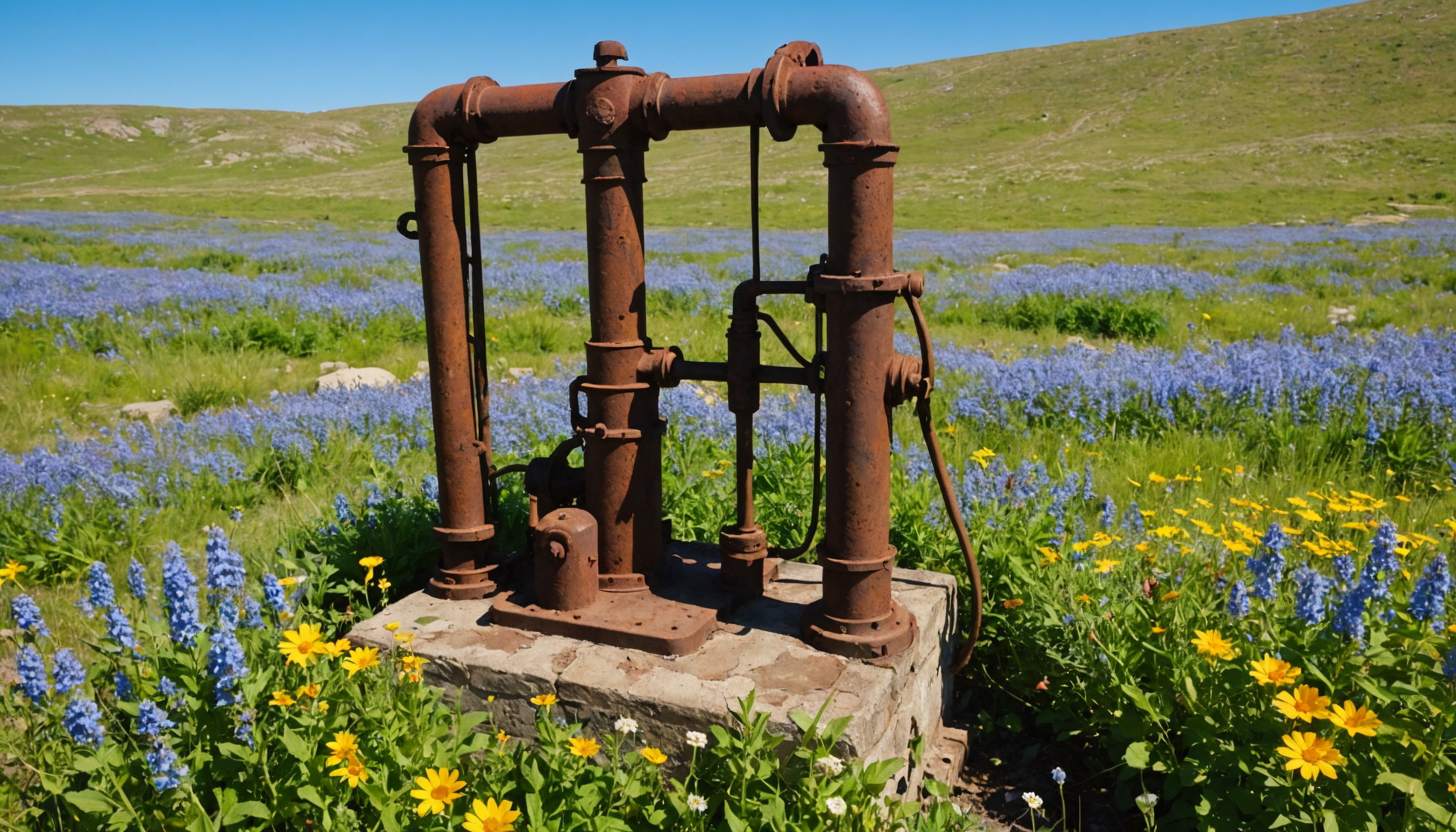 Experiencing changes in the taste or smell of your water can be a clear indicator that there may be underlying issues with your well. Addressing these concerns promptly can prevent potential health hazards and ensure your water remains safe and pleasant to use. Here’s a step-by-step guide to identifying and resolving issues related to altered water taste or smell:
1. Identify the Change:
– Take note of any changes in the taste or smell of your water. Does it have a metallic taste, a rotten egg smell, or appear to have a chemical odor? Understanding the nature of the change is crucial for diagnosing the problem.
2. Evaluate Recent Changes:
– Consider any recent changes around your property or locality. New agricultural activities, construction work, or natural events like heavy rains could impact your water quality. Identifying these changes can give you clues about potential sources of contamination.
3. Conduct a Visual Inspection:
– Examine your wellhead for any visible signs of damage or potential contamination sources, such as pooling water, which might allow surface contaminants to enter your well. Ensure the well cap is secure and intact.
4. Test the Water:
– Purchase a home testing kit or engage a professional to conduct comprehensive water quality testing. It’s essential to test for common contaminants such as sulfates, iron, manganese, bacteria, and nitrates, as they can alter taste and odor.
5. Interpreting Results:
– Different contaminants will require different responses:
– Metallic Taste: Often indicates high levels of iron or manganese. Consider installing water filtration systems specifically designed to remove these minerals.
– Rotten Egg Smell: Typically caused by hydrogen sulfide gas or sulfur bacteria. Increasing aeration or using oxidizing filters can mitigate this issue.
– Chemical Odor: May suggest contaminants like volatile organic compounds (VOCs). Ensure proper seals and investigate potential chemical usages nearby that might affect groundwater.
6. Maintenance and Repairs:
– If mechanical or structural issues are identified, such as a cracked well casing or faulty pump, arrange for repairs or replacements as needed by a licensed professional. Regular maintenance of these components can prevent recurring issues and preserve water quality.
7. Preventative Measures:
– Implementing a regular maintenance schedule, including frequent water testing and equipment inspections, is essential. This routine can catch potential issues early and prevent them from escalating into more severe problems.
By following these steps, you can effectively address changes in your water’s taste and smell, ensuring it remains safe and enjoyable for everyday use. Identifying and resolving these issues swiftly not only safeguards your health but also enhances the longevity and performance of your well system.
Fluctuations in water pressure
Fluctuations in water pressure can be both frustrating and concerning, especially when relying on a well for your water needs. Such variations can signal underlying issues that need to be addressed to maintain a consistent and reliable water supply. Understanding the root causes of water pressure fluctuations is crucial in diagnosing the problem and implementing effective solutions.
One of the primary causes of inconsistent water pressure is related to the well pump and pressure tank system. When the pump or pressure tank begins to malfunction, it can lead to erratic pressure levels. For instance, a pump that cycles on and off too frequently might indicate a pressure tank issue, such as insufficient air pressure. It’s essential to routinely check and maintain optimal air pressure in the pressure tank to ensure smooth and even water delivery.
Sediment buildup and clogging are other common culprits. Over time, minerals and sediments can accumulate within the pipes and restrict water flow, resulting in pressure fluctuations. Installing sediment filters and conducting regular system flushes can help prevent these blockages and support consistent water pressure.
Another factor affecting water pressure is the well itself. Changes in the water table, whether due to seasonal fluctuations, prolonged drought, or overuse, can impact the amount of water your well can deliver, subsequently affecting pressure. It’s beneficial to monitor groundwater levels and consider adjustments if changes become significant, such as installing a variable speed pump that can adapt to the available water supply.
Leaks within the plumbing system are often overlooked but can greatly affect water pressure. Even small leaks can lead to significant pressure drops, reducing efficiency and increasing wear on the pump motor. Regular inspections for leaks and timely repairs are vital to maintaining stable pressure levels.
Additionally, electrical issues can disrupt the operation of well pumps, leading to uneven water pressure. Ensuring a stable power supply and investing in reliable electrical systems can help maintain consistent pump performance and avoid sudden pressure drops.
Addressing these causes requires a proactive approach to well maintenance. Regularly scheduled check-ups with a professional can identify and correct potential problems before they lead to significant pressure fluctuations. By being attentive to early warning signs, like unusual sounds from the pump or more frequent cycling of the pump, well owners can take action to restore consistent water pressure.
By tackling pressure issues head-on, you ensure a steady water supply for the home’s daily needs and prevent more extensive mechanical failures down the line. Implementing preventive strategies and carrying out timely maintenance not only enhances the efficiency of the well system but also contributes to its longevity. Taking these steps provides peace of mind and ensures that the water from your well remains a dependable asset.
Unexpected increase in utility bills
An unexpected increase in utility bills can be a perplexing issue for well owners, as many assume that relying on a personal well will inherently keep operating costs stable. However, when an unforeseen boost in energy expenses occurs, it could be indicative of underlying problems with your well system that require attention. Understanding the potential causes of these increased costs is crucial in diagnosing the issue and taking appropriate measures to restore normalcy.
One of the primary contributors to increased utility bills is a malfunctioning well pump. Pumps that are forced to work harder or longer than necessary can draw excessive amounts of power. This often happens when a pump struggles to draw water from the well due to issues like a drop in the water table or obstructions within the system. Regularly monitoring pump performance and ensuring it operates within manufacturer-recommended parameters can help identify when the pump is overexerting itself.
Leaks in the plumbing connected to the well can also drive up water and energy costs. Even minor leaks can lead to continuous flow that the pump must sustain, leading to higher energy consumption. Conducting thorough inspections for leaks and addressing them promptly not only aids in reducing utility costs but also prevents further system strain or damage.
Another factor that might lead to elevated utility bills is sediment accumulation in pipes or the well itself. This buildup can cause the pump to work harder to push water through blocked passages, resulting in increased energy usage. Implementing periodic system flushes and installing appropriate filtration systems can reduce sediment-related issues.
Additionally, issues with the pressure tank can also manifest in higher utility bills. A malfunctioning pressure tank may result in the pump cycling on and off more frequently than usual to maintain consistent pressure, a process that significantly increases electricity consumption. Ensuring that the pressure tank maintains the correct air pressure and functions seamlessly is key in keeping energy usage at reasonable levels.
Electrical problems, such as faulty wiring or irregular power supply to the well pump, can lead to inefficiencies that translate into higher energy consumption. Ensuring reliable electrical connections and investing in solutions like surge protectors can safeguard equipment performance and minimize the risk of unexpected energy spikes.
By recognizing these potential issues and taking proactive measures, such as performing regular upkeep and inspections, well owners can effectively manage their utility expenses and maintain an efficiently operating well system. Staying vigilant about energy bills and promptly investigating anomalies can not only save money but also extend the life of the well equipment. Encouraging periodic professional assessments helps uncover hidden issues that might otherwise go unnoticed until they cause significant financial strain.
Importance of regular maintenance
Regular maintenance of your well system is crucial for ensuring continued access to a clean and reliable water supply. Much like any other essential home system, wells require routine check-ups to prevent small problems from developing into significant issues. Regular maintenance not only helps in maintaining optimal performance but also prolongs the life of the entire system.
Having a structured maintenance schedule allows for the detection of potential problems before they escalate. Inspections can reveal signs of wear and tear on components such as pumps, pressure tanks, and piping systems. Early detection through regular assessments by professionals can lead to cost savings in the long run, preventing major repairs or replacements which could become necessary if issues are left unaddressed.
Routine well inspections typically include checking the well’s mechanical parts, evaluating water purity, and ensuring proper operation of filtration systems. Regular testing for contaminants like bacteria, nitrates, and other pollutants is essential in safeguarding your water from impurities, keeping it safe and healthy for household use. Furthermore, regular maintenance ensures that filtration systems keep functioning efficiently, effectively removing any impurities and maintaining water quality.
Electrical system checks are also a vital component of maintenance. Ensuring that the electrical connections that power the pump remain secure and that there are no signs of corrosion or damage reduces the risk of unexpected outages and maintains steady water flow. Implementing maintenance steps like these can enhance the efficiency of the well, making the entire system more reliable.
Additionally, a consistent maintenance schedule increases the energy efficiency of the well system. By keeping pumps and pressure tanks in good working order, they consume less energy, thus lowering utility costs. Well-maintained systems operate more smoothly with fewer interruptions, providing steady water pressure and flow.
Regular professional assessments also include checking for leaks, sediment buildup, and pressure consistency, which help in preventing costly energy spikes and potential damage to the machinery. Such measures ensure the system not only meets the immediate needs of the household but remains a reliable resource over the years.
By prioritizing regular maintenance, well owners can enjoy consistent water quality and pressure while mitigating the risk of premature system failures and costly repairs. This proactive approach ensures that your well remains a dependable and integral part of your home’s infrastructure, providing peace of mind and continuous service that a well-maintained system guarantees.