Smart locks represent a significant advancement in home security, integrating technology with everyday access devices to offer enhanced convenience and control. At their core, smart locks are electronic locks that can be controlled remotely using various innovative methods, such as smartphones, Bluetooth, Wi-Fi, or other forms of wireless communication. This connectivity redefines traditional concepts of locking, presenting a modern alternative that synchronizes with the digital lifestyle of many users today.
One of the primary features of smart lock technology is its ability to interface with mobile applications. These apps allow homeowners to lock and unlock doors remotely, whether they are at home, work, or even on another continent. In addition, users can receive real-time updates about who enters and exits their premises, providing enhanced monitoring capabilities that traditional locks do not offer. The added ability to provide temporary access codes to guests exemplifies the blend of security and hospitality that smart lock systems aim to provide.
Many smart locks are designed to be integrated seamlessly into home automation systems. This means they can work in conjunction with other smart home devices like cameras, alarms, and lights, creating a cohesive and comprehensive security network. Some models also offer voice-activated control through smart assistants like Amazon Alexa or Google Assistant, allowing for a completely hands-free experience.
The technology employed by smart locks varies between models, but commonly includes a combination of Bluetooth Low Energy (BLE) for proximity-based access and Wi-Fi for remote functionality. Different models may offer various features, such as:
- Fingerprint recognition for biometric access control
- Numerical touchpads that support PIN entry
- Geofencing, which automatically locks or unlocks the door when a user’s smartphone is within a certain range
- Integration with smart speakers for voice command operation
Despite these technological advancements, one of the notable considerations for potential users is the requirement for a reliable internet connection to fully utilize remote capabilities. Additionally, since these systems depend on electronic components, they are also subject to vulnerabilities like power outages, though many models address this issue with backup keyholes or battery alerts.
To illustrate the features and capabilities of smart locks clearly, consider the following table comparing three popular models currently on the market:
| Feature | Model A | Model B | Model C |
| Remote Access | Wi-Fi Enabled | Bluetooth & Wi-Fi | Wi-Fi Enabled |
| Biometric Entry | No | Fingerprint Scanner | No |
| Voice Control | Yes | Yes | Yes |
| Integration with Smart Home Systems | Yes | Limited | Yes |
| Battery Backup | 6 Months | 12 Months | 8 Months |
Smart lock technology offers a modern approach to home security, bringing with it a future where access control is not only more sophisticated but can be tailored to individual lifestyle needs. This blend of technology and daily usability positions smart locks as a compelling option for those looking to enhance their security with the conveniences of modern connectivity.
Evaluating traditional lock security
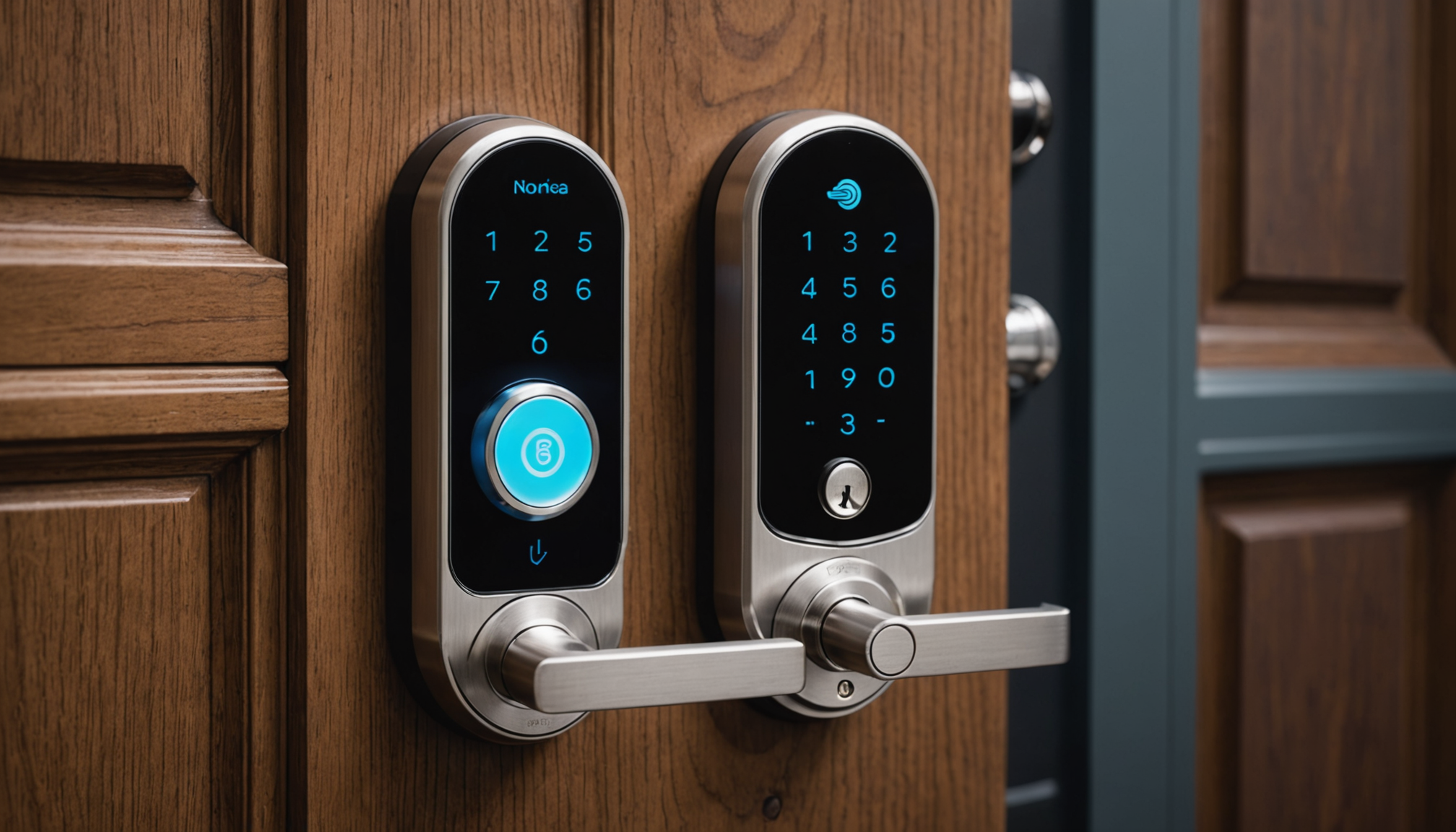 When examining the security effectiveness of traditional locks, it’s important to recognize the variety of types and mechanisms involved, each with its own strengths and vulnerabilities. Here’s a step-by-step evaluation of traditional lock security:
1. Types of Traditional Locks:
– Deadbolt Locks: These are widely considered the most secure type of traditional lock, especially when double-cylinder versions are used, requiring a key both inside and out. Their sheer physical strength makes them resistant to forced entry.
– Spring Latch Locks: These are less secure than deadbolts as they rely on the tension of a spring, making them more susceptible to being picked or jiggled open with simple tools.
– Mortise Locks: Typically found in older buildings, they are embedded into the door and offer a good level of security due to their robust locking mechanism.
– Cylinder Locks: Common and reasonably secure when paired with deadbolts, but they can be vulnerable to lock picking and bumping unless enhanced with high-security features.
2. Lock Picking and Bumping:
– Traditional locks, particularly pin tumbler locks, are vulnerable to lock picking, a method involving manipulating the lock pins without a key. Lock bumping is another technique where a specially cut key is used to align the pins and open the lock.
– High-security locks feature complex keyways and additional pin systems (such as spool or serrated pins) that make picking and bumping more challenging.
3. Physical Strength Against Forced Entry:
– Evaluate the robustness of the lock’s materials. In many cases, the door and frame’s integrity contribute as much to security as the lock itself. Reinforced steel strikes and plates improve resistance against forced entry.
– The installation of a strike box that screws directly into the wall studs can offer substantial resistance to kicking or battering.
4. Manufacturing Quality and Material:
– Locks made from high-grade materials like hardened steel offer better resistance to cutting or drilling attacks. Quality manufacturing also ensures tighter tolerances and improved resistance to manipulation.
– Consider the brand’s reputation for quality, as established manufacturers often build more reliable and durable locks.
5. Security Certifications:
– Ensure the lock carries security ratings, such as those provided by agencies like ANSI (American National Standards Institute) or BHMA (Builders Hardware Manufacturers Association), which indicate the lock’s resistance to various attacks.
– Look for ANSI Grade 1 locks, which offer the highest level of residential security.
6. Maintenance and Reevaluation:
– Routine inspections and maintenance, including lubrication and checking for wear, ensure that traditional locks continue to function optimally.
– Periodically reassess the lock against current security threats; consider upgrading to newer models as technology and lock-picking methods evolve.
By understanding the mechanisms and vulnerabilities of traditional locks, homeowners can make informed decisions about their security needs, possibly opting for enhancements or upgrades that increase their overall safety. While traditional locks do offer significant security, it’s important to remain vigilant and proactive about their protection capabilities and upkeep.
Comparing installation and maintenance
When installing smart locks, the process generally leans towards the more straightforward end of the spectrum, at least for those comfortable with basic technology. Many smart locks are designed to retrofit onto existing deadbolts without the need for extensive modifications to the door or frame. This tends to make them accessible to DIY enthusiasts, reducing potential installation costs compared to some high-security traditional locks that require professional installation. Ease of installation is one of the differentiating aspects where smart locks have an edge over complex traditional systems, which might involve intricate mechanisms that necessitate expert handling.
In terms of maintenance, smart locks do require some ongoing attention to ensure optimal performance. Battery life is a critical factor to keep in mind because, without power, the lock’s smart features—including remote access and digital monitoring—become inoperative. Users typically receive alerts when the battery begins to run low, preventing inconvenient lockouts and maintaining security. Additionally, software updates are periodically released by manufacturers to patch security vulnerabilities and improve performance. Implementing these updates is vital but can require a level of digital literacy that not every user might possess or prefer.
On the other hand, traditional locks generally require minimal maintenance beyond basic upkeep like lubricating the mechanism and ensuring that the keys aren’t worn down. These locks don’t rely on electronic components, making them immune to technological obsolescence, a potential downside for smart locks as rapid advancements might render older models compared to cutting-edge security systems.
However, when comparing their durability, traditional locks vary significantly depending on the materials and mechanisms used. High-quality locks featuring features like hardened steel components are often more durable and resilient to physical wear. In contrast, smart locks, with their electronic components, may be more susceptible to failures related to wear and tear over time. This includes both the external elements of the lock and the internal electronic parts, which might degrade after prolonged exposure to environmental conditions.
Overall, both smart and traditional locks come with distinct sets of challenges and considerations for installation and maintenance. Each type caters to different user preferences and expertise levels. While smart locks might appeal to those seeking convenience through modern technology, users who prioritize simplicity and longevity without the dependence on electronic components might prefer traditional locks. Ultimately, the choice boils down to which factors align most closely with the homeowner’s lifestyle and security preferences.
Assessing vulnerability to hacking
When it comes to modern security, hacking vulnerabilities are a major concern for smart lock systems. Unlike traditional locks, which face physical threats like picking and bumping, smart locks confront entirely different issues rooted in digital security. For instance, unauthorized access could be gained if hackers exploit weaknesses in the software or intercept transmissions between a smart lock and its controlling device.
A prominent vulnerability is the susceptibility to “man-in-the-middle” attacks. In such scenarios, malicious actors could intercept the wireless communications between a smart lock and its connected device, such as a smartphone, potentially allowing them to unlock the door. This risk underscores the importance of encryption in smart locks—high-quality models utilize robust encryption standards, such as AES-128 or AES-256, to secure data transmission and enhance security against such interceptions.
The security of the associated app also plays a crucial role. Many smart locks grant access control via mobile applications, which require strong authentication processes to ensure their safety. Weak passwords, for instance, pose a significant risk. Users can mitigate this threat by employing complex passwords, enabling multi-factor authentication, and regularly updating their security credentials. It’s also advisable to download apps only from official app stores to avoid malicious software.
Another consideration is the manufacturer’s commitment to blocking new vulnerabilities through regular firmware updates. Industry best practices involve consistent software patching to address newly discovered vulnerabilities, either due to intentional hacks or accidental discovery. Users must remain diligent in applying these updates to maintain the lock’s security.
Despite these concerns, it’s important to note that no system is entirely immune to threats. However, manufacturers of smart locks are increasingly focused on cybersecurity, integrating advanced measures to protect users against security breaches. This includes engaging in penetration testing through cybersecurity professionals to identify vulnerabilities before they can be exploited by cybercriminals.
While smart locks do present certain cybersecurity challenges, they also allow for remote monitoring and control, providing notifications about potential unauthorized access or lock-tampering attempts. Such features offer a layer of security not available with traditional locks but necessitate active management to ensure they function as intended.
Ultimately, while hacking vulnerabilities are a consideration, the security of smart locks can be significantly enhanced by following best practices for digital security, such as setting strong passwords, keeping the software updated, and selecting products from reputable manufacturers who prioritize secure communication protocols. As the technology evolves, so does the sophistication of protective measures against hacking attempts, continuing to bolster the safety and appeal of smart locks in the modern security landscape.
Weighing convenience against security risks
When considering the trade-offs between convenience and security, both smart locks and traditional locks present unique advantages and potential risks. Smart locks excel in offering unparalleled convenience. They empower users to unlock doors from afar, track entrance logs in real-time, and even issue temporary codes for guests—all through the ease of a smartphone or voice command. These features cater to a fast-paced lifestyle and can significantly reduce the hassle of key management and worry over misplaced keys.
On the other hand, the advanced connectivity that smart locks provide can introduce new security challenges. The dependency on stable internet connections and potential exposure to hacking or technological failures are significant considerations. Cybersecurity threats necessitate that users maintain diligence concerning software updates and employ robust passwords and authentication methods to fortify their digital entryways.
Conversely, traditional locks, with their mechanical simplicity, have long been trusted as reliable defenders against unauthorized access. They deliver a sense of security through tried-and-true mechanical means, requiring no power source, internet connectivity, or software upkeep—attributes that can be especially appealing to those less inclined toward modern technology. However, they are not without their flaws, including susceptibility to physical manipulation or forceful break-ins.
When weighing the scales between convenience and security, smart locks present intriguing possibilities to enhance daily living with technological advantages while also requiring proactive management to ensure they remain secure against cyber threats. Meanwhile, traditional locks provide peace of mind through mechanical reliability but may lack the modern conveniences that many users have come to expect in today’s tech-enabled world. The decision between the two hinges on individual priorities: whether the added ease and features of smart technology can justify managing its attendant risks, or whether the straightforward, no-frills security of traditional locks is the right fit for one’s lifestyle.
In conclusion, the choice between smart locks and traditional locks largely depends on personal needs and comfort with technology. Smart locks offer exceptional convenience but come with potential cybersecurity risks. Traditional locks provide reliable, mechanical security that’s resistant to digital threats. Homeowners should assess their priorities, risk tolerance, and willingness to engage with technology to determine the most suitable security solution for their homes.