Maximizing vertical space is a fundamental strategy in optimizing storage solutions for small spaces. It involves exploiting the often-overlooked areas above eye level, transforming them into practical storage zones without encroaching on your valuable floor area. This approach not only creates the illusion of spaciousness but also helps maintain a clutter-free environment, which is crucial in smaller living quarters.
Incorporating vertical storage solutions starts with identifying potential areas that can be utilized, such as walls, the space above doors, and even ceilings. By adding shelves, hooks, or built-in storage units, you can effectively elevate your belongings while keeping them accessible. Here are some strategic options for harnessing vertical space in your home:
- Wall-mounted shelving: Installing shelves at varying heights allows you to display and store items ranging from books and decor to kitchen essentials without consuming floor space. Adjustable shelving systems offer added flexibility, letting you customize the arrangement as your needs change.
- Over-the-door racks: Ideal for kitchens, bathrooms, or bedrooms, these racks take advantage of underutilized door space. They provide an excellent solution for storing shoes, cleaning supplies, or toiletries, making them easily accessible and organized.
- Tall bookcases: Opt for bookcases that extend towards the ceiling. Not only do they provide an ample amount of storage, but they also draw the eyes upward, enhancing the perception of height in a room and creating the illusion of a larger space.
- Hanging storage: Utilize hooks or rack systems to hang anything from pots and pans in the kitchen to bicycles or seasonal clothing in closets. This can free up considerable space elsewhere in your home.
The benefits of utilizing vertical space aren’t just limited to enhanced storage capacity. It also promotes better organization and functionality within a room, encouraging the use of forgotten nooks and corners. Let’s examine a brief comparison of different vertical storage solutions to understand which might best suit your specific needs:
| Wall-Mounted Shelves | Over-the-Door Racks | Tall Bookcases | Hanging Storage |
|
|
|
|
Leverage these strategies to transform how you organize and utilize space within your home. By smartly incorporating vertical storage solutions, you can make the most of even the smallest spaces, ensuring both style and convenience without clutter or compromise. In this way, the vertical dimension becomes an integral part of your storage planning, seamlessly integrating form and function in your living environment.
Multi-functional furniture ideas
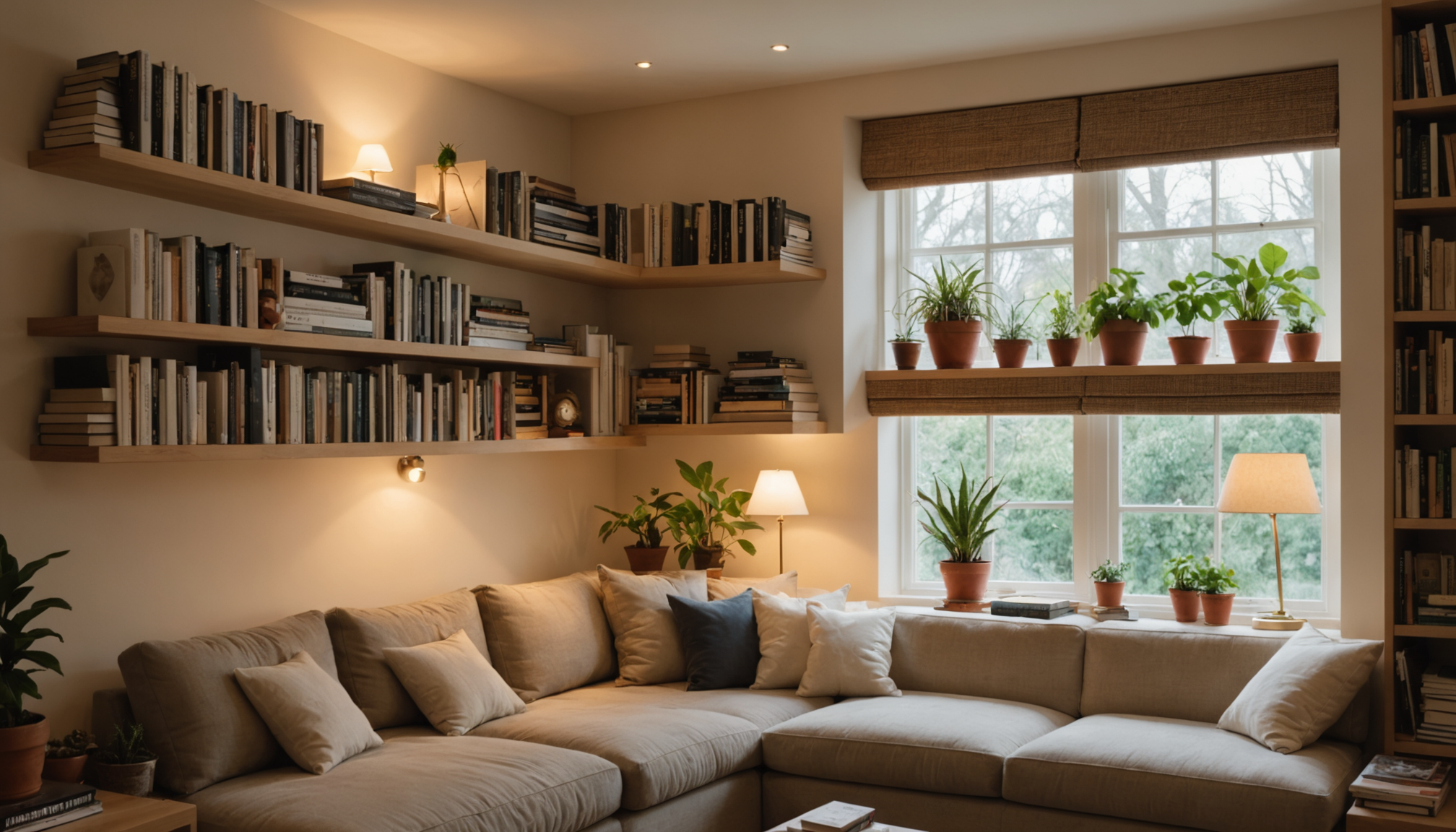 When it comes to optimizing space in small living areas, multi-functional furniture can be a game changer. Pieces that serve more than one purpose help you maximize utility without overcrowding the room. Integrating such furniture into your home involves thoughtful selection and strategic placement. Here’s a guide on making the most of multi-functional furniture:
- Sofa Beds:
Sofa beds are a classic example of multi-functional furniture. They act as a couch during the day and can be transformed into a bed at night. Here’s how to choose and use a sofa bed effectively:
- Consider the mechanism: Some sofa beds pull out, while others fold down. Choose the one that fits best in your space and is easy to convert.
- Check the sizing: Measure both the sofa size when in use as a seat and when unfolded as a bed to ensure it doesn’t overwhelm the room.
- Assess the mattress type: Look for a comfortable mattress that supports frequent use if the sofa bed serves as your primary nighttime sleeping arrangement.
- Storage Ottomans:
These versatile pieces offer hidden storage, additional seating, or even a footrest:
- Choose the right size: Ensure the ottoman fits comfortably within your seating area and complements your decor.
- Look for easy-open tops: Select an ottoman with a lid that opens smoothly for quick access to stored items like blankets, remote controls, or magazines.
- Style and color: Match it with your existing furniture or use it as a statement piece to add a pop of color or texture.
- Fold-Down Tables:
Perfect for dining or work, these can be mounted to the wall when not in use:
- Determine the mounting location: Mount tables at a convenient height in the kitchen, a home office, or even as a bedside table.
- Look for stability: Ensure the table is secure when folded down and can hold the intended weight.
- Add matching chairs or stools: Opt for seating that can be easily tucked away or stacked to save space.
- Convertible Desks:
Desks that convert into other furniture pieces or hide in cabinets can free up valuable floor space:
- Opt for a desk with compartments: Choose one with built-in shelves or drawers to keep office supplies organized.
- Hide it when not in use: Consider a murphy desk or a desk that folds up into a cabinet to maintain a tidy appearance.
- Ensure comfortable seating height: Pair with an ergonomic chair that fits the desk when in use and can be tucked away.
- Modular Furniture Sets:
These allow for flexibility and customization to suit your specific needs:
- Choose components that fit your lifestyle: Look for modular sofas or shelving units that can be reconfigured as your needs change.
- Consider ease of rearrangement: Ensure individual pieces are lightweight and easy to move.
- Blend with the room design: Select neutral tones or bold colors that align with your room’s aesthetic.
Multi-functional furniture can provide the adaptability small spaces require while maintaining a stylish and uncluttered environment. By incorporating these solutions, you can achieve both functionality and flair in your compact living quarters.
Creative shelving options
Incorporating creative shelving options into your small space can significantly enhance both the aesthetic and functional aspects of your home. These solutions provide innovative ways to store items efficiently and beautifully, turning walls and other overlooked areas into potential storage goldmines.
One of the prime advantages of creative shelving is the ability to tailor storage to your personal style and needs. Floating shelves offer a sleek, minimalist look that suits virtually any room, from living areas to kitchens and bathrooms. By selecting shelves that match or complement your interior design, you can display favorite items while keeping them organized. Additionally, floating shelves eliminate the need for bulky furniture, helping to keep the floor space open and uncluttered.
Corner shelving units take advantage of often-neglected nooks, providing storage and display opportunities without intruding on precious space. These shelves can be used to hold books, small plants, collections, or even kitchen spices, making the most of every inch. Similarly, ladder shelves offer a stylish and less conventional approach, leaning against the wall and providing multiple tiers of storage. Their tiered design not only maximizes space but also lends a dynamic touch to the room’s decor.
For those who prioritize eco-friendly designs, repurposed shelving — using reclaimed wood or vintage elements — adds character and sustainability to your storage solutions. This not only enhances the uniqueness of your space but also encourages environmentally conscious choices.
Custom-built shelving systems are an ideal choice if you need a storage solution tailored to your unique space constraints. Made to fit precisely, these systems can seamlessly integrate into any room layout, providing ample space for all your essentials. Whether you have alcoves, odd angles, or specific storage needs, custom shelves can turn challenges into opportunities.
Lastly, combining shelves with decorative baskets or boxes can provide organized and hidden storage while maintaining visual appeal. Baskets add texture and warmth, while decorative boxes can hide away clutter, blending functionality with style.
Creativity in shelving goes beyond mere functionality; it’s about blending practicality with strategic design to optimize storage potential. By implementing thoughtful shelving solutions, you not only increase your storage capacity but also enhance the overall look and feel of your home.
Smart closet organization
When organizing your closet in a small space, smart strategies can make a world of difference. The key is to maximize every inch while keeping items easily accessible yet out of sight, ensuring that your closet remains tidy and functional. Start by assessing your belongings, identifying what you use frequently versus items you rarely wear or need. This will help you determine how to allocate space efficiently.
Consider installing adjustable shelving and rods. Adjustable systems allow you to tailor the height and position of shelves and hanging rods according to your clothing collection. This adaptability ensures that longer garments, like dresses and coats, are stored correctly without wasting space that could be used for shorter items like shirts or pants.
Incorporate tiered hangers and cascading hooks for more vertical storage. Tiered hangers help maximize hanging space by allowing you to layer clothing in rows, which is particularly useful for items like pants or skirts. Cascading hooks can vertically stack multiple hangers, significantly increasing your hanging capacity for lighter items or accessories, such as scarves or ties.
Drawer dividers are essential for organizing small items like socks, undergarments, and accessories. By compartmentalizing your drawers, you can prevent these smaller items from becoming a jumbled mess, making it easier to find what you need quickly.
Don’t overlook the power of storage boxes or bins, particularly for seasonal items. Use clear or labeled boxes to organize out-of-season clothes. These can be stowed away on upper shelves or under hanging garments, keeping them out of the way until needed.
For additional footwear organization, consider a shoe rack that fits at the bottom of your closet or an over-the-door shoe organizer for easy access without using up floor space. Depending on your collection size, modular shoe cubbies may also offer a personalized solution, allowing you to arrange them to fit around your other closet elements.
Finally, the back of your closet door can serve as an extra storage area. Hooks and pocket organizers are ideal for belts, lightweight bags, or jewelry, ensuring you utilize every available space whilst maintaining easy access.
By implementing these smart closet organization techniques, you not only create a practical storage solution but also maintain a seamless and tidy aesthetic in your small space. This methodical approach allows you to see, access, and appreciate everything in your wardrobe, making daily routines more efficient and enjoyable.
Underutilized space hacks
In many homes, certain spaces often go unnoticed or underutilized, yet they hold immense potential for storage. By creatively harnessing these nooks, you can expand your storage capacity without compromising on aesthetics. Spaces beneath staircases, for instance, can be ingeniously transformed into mini storage havens. Install custom cabinets or shelving that fit snugly under the sloping area, providing room for books, seasonal clothes, or even a discreet home office.
Similarly, the space above kitchen cabinets often remains vacant yet is ideal for placing decorative storage baskets or boxes. These can store less frequently used items like holiday dishes or party supplies, keeping them organized and accessible. In the bathroom, the area above the toilet is prime real estate for a narrow shelf or a storage unit, perfect for towels and toiletries.
Another often-overlooked area is the back of your couch, particularly if it’s placed away from the wall. Consider using a slim console table behind it for extra storage and display options. This addition can serve multiple purposes: as a decorative space, a place to keep items like remote controls or magazines, or even as a makeshift home bar.
Utilizing the space under your bed is another smart way to declutter your small living area. Invest in under-bed storage boxes or drawers to stow away clothes, linens, or shoes. Opt for those with wheels for easy access and mobility, keeping your items dust-free and well-organized.
For rooms with high ceilings, incorporating a loft bed or raised platform can open up valuable floor space. Underneath, you could set up a desk, a cozy reading nook, or additional storage shelves. This type of arrangement works perfectly in studio apartments, providing distinct living areas without needing extra square footage.
Lastly, keep an eye on those tiny corners or narrow passageways that might fit a slim storage solution. Rotating bookshelves, vertical chests, or stacking bins can fit into these tight spots, offering multiplied storage without crowding your room. Incorporating these hacks into your home can dramatically increase functionality, turning overlooked areas into essential, organized parts of your living space.
In optimizing storage for small spaces, thinking outside the box and focusing on multipurpose uses can transform even the most cramped quarters. By elevating vertical spaces, choosing multifunctional furniture, and tapping into often-overlooked areas, you can create a more organized, comfortable, and appealing living environment. These smart strategies make every inch count, allowing you to enjoy both style and convenience without clutter or compromise.