Understanding energy-efficient window types is crucial for homeowners looking to reduce energy costs and improve comfort levels within their homes. Identifying the right window style can have a significant impact on both thermal efficiency and the aesthetic appeal of your property.
There are several types of energy-efficient windows available in the market, each offering unique benefits and characteristics. Choosing the right type not only helps in cutting down heating and cooling costs but also in maximizing natural light while ensuring adequate insulation.
Here is a comparative breakdown of some of the most energy-efficient window types:
| Window Type | Features | Benefits |
| Double-Hung Windows |
|
|
| Casement Windows |
|
|
| Picture Windows |
|
|
| Awning Windows |
|
|
Each of these window types can be enhanced to improve their energy efficiency even further. For instance, adding gas-filled glazing options or selecting frames with high insulation properties can greatly boost their performance. The choice between these different window styles may depend on factors such as the local climate, specific orientation of the house, and personal aesthetic preferences.
When deciding on the type of energy-efficient window, it is wise to consider not only the initial investment but also the long-term savings in energy costs. The right choice can significantly impact the thermal comfort of your home and yield measurable returns in reduced utility bills over time.
In the pursuit of reducing carbon footprints and promoting environmentally friendly practices, installing energy-efficient windows is a step toward a sustainable future. As you explore your options, consider consulting with experts to better understand how each window type can be optimized for your specific needs and environment.
glazing technologies to consider
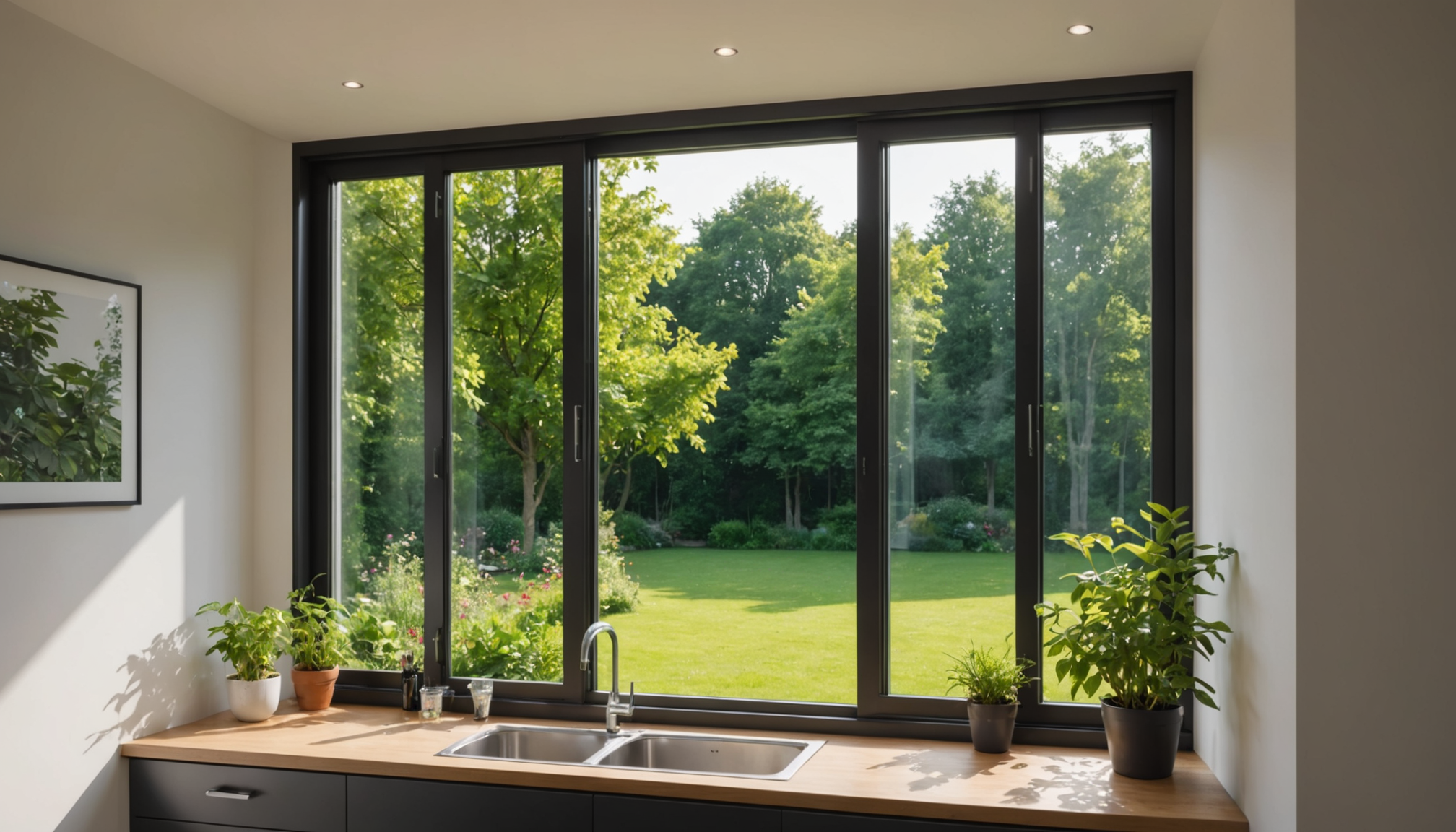 When selecting windows for maximum energy efficiency, the type of glazing technology used plays a crucial role. These advancements not only enhance the insulating properties of the windows but also contribute to overall energy savings. Here are several key glazing technologies to consider:
1. Double and Triple Glazing:
– Double Glazing: This consists of two glass panes separated by a space, which is often filled with inert gas such as Argon or Krypton for added insulation.
– Advantages: Significant reduction in heat transfer, resulting in lower heating costs during winter and reduced cooling costs during summer.
– Triple Glazing: An additional pane of glass and another space increase the insulation capability.
– Advantages: Provides enhanced thermal comfort and noise reduction, suitable for extremely cold climates or noisy urban environments.
2. Low-Emissivity (Low-E) Glass:
– Features a microscopically thin coating deposited on the glass that reflects long-wave infrared energy (or heat). This coating minimizes the amount of ultraviolet and infrared light that can pass through glass without compromising the amount of visible light transmitted.
– Benefits:
– Keeps heat inside during colder months and reflects it out during warmer months.
– Reduces the likelihood of interior fading due to UV light exposure.
3. Gas Fills between Panes:
– Common gases used are Argon and Krypton, both of which have lower thermal conductivity than air.
– Instructions for homebuyers:
– Opt for Argon for a cost-effective solution in double-glazed windows.
– Choose Krypton for superior insulation, especially in triple-glazed setups.
4. Tinted and Reflective Glass:
– Tinted glass reduces the amount of sunlight entering a room, minimizing heat gain.
– Reflective coatings can be applied to reflect a larger portion of the solar spectrum.
– Recommendations:
– For regions with strong sunlight, tinted or reflective coatings can substantially reduce cooling costs.
5. Smart Glass Technologies:
– Electrochromic glass (or smart glass) can alter its transparency with the application of voltage.
– Thermochromic and photochromic glass change properties with temperature and light changes respectively.
– Usage Considerations:
– Allows for dynamic control over how much sunlight enters your home.
– Beneficial for those seeking to manage solar gain and light entry dynamically throughout the day.
Incorporating these glazing technologies not only transforms windows into powerful energy-saving components but also enhances comfort and sustainability in the home environment. Evaluating the climate and specific needs of your dwelling is key to selecting the most effective glazing solution. This strategic choice lays the groundwork for substantial long-term benefits, making energy-efficient windows a smart investment.
impact of window frames on insulation
Understanding the relationship between window frames and insulation is essential when selecting energy-efficient windows. Window frames serve as the structural backbone of the window unit and can significantly influence the overall thermal performance of a building. When considering frames, it is essential to focus on materials that provide adequate insulation to minimize heat transfer between the interior and exterior of your home.
Wood and Composite Frames: Wood has been a traditional choice for window frames, primarily due to its excellent insulating properties. Natural wood frames have a low thermal conductivity, which helps in keeping the heat inside during winters and blocking it out in the summers. However, it’s crucial to maintain them properly as they can be susceptible to weather conditions and may require regular upkeep to prevent rot and decay. Composite frames, which often combine wood fibers with polymers, offer enhanced durability and require less maintenance while retaining the favorable insulation properties of wood.
Vinyl Frames: Vinyl window frames are a popular option due to their durability, cost-effectiveness, and energy efficiency. Made from polyvinyl chloride (PVC), these frames generally contain a hollow cavity that can be filled with insulation to improve their thermal resistance. While vinyl does a fair job in insulating the house, it is important to consider the structural integrity over time, especially in areas with fluctuating temperatures, which might cause expansion and contraction issues.
Aluminum Frames: Aluminum is known for its strength and durability, making it an attractive choice for commercial buildings and large window installations. However, aluminum has a high thermal conductivity, which traditionally makes it a poor insulating material compared to other frame options. To overcome this, modern aluminum frames often include a thermal break – an insulating barrier between the inner and outer parts of the frame – which significantly improves their energy efficiency by reducing heat transfer.
Fiberglass Frames: Fiberglass is becoming increasingly popular as a material for window frames due to its superior strength and insulating capability. These frames are composed of glass fibers and resin, providing not only high thermal resistance but also withstanding extreme weather conditions. Fiberglass frames do not warp, contract, or expand with temperature changes, thus maintaining their integrity over time and ensuring a consistent seal around the window. This feature provides a barrier against air leaks and enhances the home’s overall energy performance.
Steel Frames: While not as common for residential applications as other materials, steel frames offer unmatched strength and are typically used where maximum durability and minimal sightlines are desired. To improve their thermal performance, steel frames are often paired with thermal breaks to reduce heat transfer.
When selecting window frames, it is crucial to weigh the balancing act between aesthetic preferences, energy efficiency, and the specific climatic demands where the home is located. Ultimately, choosing the right type of frame can greatly enhance the comfort and efficiency of your home, reducing energy bills and enhancing overall sustainability. By focusing on frames that offer effective insulation, you can ensure that your windows contribute positively to your home’s energy footprint, making them a wise investment for the long term.
advances in window coatings
Recent developments in window coatings have transformed the energy-efficiency capabilities of windows, enhancing both their utility and aesthetic appeal. These coatings play a significant role in controlling the amount of sunlight that enters a home, directly impacting thermal efficiency and contributing to overall energy savings.
One of the cutting-edge advancements in this field is the Low-Emissivity (Low-E) coating. This technology involves applying a microscopically thin, invisible metallic oxide layer to the glass. The primary function of Low-E coatings is to reflect heat while still allowing light to pass through, thereby enhancing thermal insulation. The coatings effectively reduce the amount of heat that escapes during colder months and reflects heat away during warmer periods, thereby maintaining a consistent indoor temperature. This means your heating and cooling systems don’t have to work as hard, leading to noticeable savings on energy bills.
Another recent innovation is the introduction of spectrally selective coatings that filter out between 40% to 70% of the heat normally transmitted through insulated glass while allowing the full amount of light to pass through. These coatings work similarly to Low-E coatings but are fine-tuned to target specific wavelengths of sunlight. This can be particularly beneficial in regions with harsh sun exposure, where reducing solar heat gain is a priority.
Reflective coatings are another option that can be applied to windows to minimize solar radiation entering the home. They are typically more noticeable than Low-E coatings, offering a mirrored appearance. These coatings are particularly advantageous for use in sunny locales, where excessive heat can be a challenge. While they might slightly reduce the visible clarity from the outside, inside views remain clear, helping to maintain indoor comfort without excessive reliance on air conditioning.
For technology enthusiasts, the emergence of Smart Coatings is worth mentioning. These adaptive coatings enable windows to respond dynamically to environmental conditions. Electrochromic coatings, for example, change from clear to tinted when an electrical charge is applied. This adaptive feature allows homeowners to control the desired degree of sunlight and heat entering the space manually or automatically. These coatings are particularly efficient for large glass installations where the sun’s heat can create an uncomfortable temperature variance throughout the day.
Thermochromic coatings are another emerging technology that react to temperature changes by modulating the amount of light and heat passing through the window. These coatings automatically adjust to the warmth of the sun, darkening under intense solar radiation and becoming more transparent when the sun is less intense, without needing an electrical input.
The case for investing in advanced window coatings becomes compelling when considering the long-term economic and environmental benefits. By reducing the need for artificial climate control, these coatings not only lower energy consumption but also contribute to reducing the overall carbon footprint of a household. For the environmentally conscious homeowner, they represent a significant step towards sustainable living.
As these technologies continue to evolve, it is essential to evaluate which coating is best suited to your specific needs, considering factors like climate, orientation of your home, and personal preferences. By selecting the appropriate coating, you can optimize energy efficiency, improve comfort, and make a lasting positive impact on your energy expenses and the environment. Keep these advances in mind, not only as a pathway to lower bills but as a broader contribution to eco-friendly living within your community.
installation tips for maximum efficiency
Proper installation is crucial for achieving maximum energy efficiency from your windows. Even the most advanced window technologies can fall short if they are not installed correctly. To ensure that your windows perform optimally, it is essential to follow best practices during installation.
First, make certain that the window openings are the correct size and squared properly. Ill-fitting windows can lead to drafts and water leaks, negating their energy efficiency benefits. Before installing, check that the openings are plumb, level, and square. Use a level to ensure that the frame remains straight, as any misalignment can cause operational issues and compromise the seal.
Effective insulation around the window frame is imperative. Use expanding foam or fiberglass insulation to fill any gaps between the window frame and the house framing. This step prevents air leaks and contributes to the thermal efficiency of the window installation. However, be cautious not to overfill, as too much pressure can warp the frame or window sash.
Sealing is another critical aspect. Use high-quality caulk to seal the window exterior, focusing on areas where the window meets the siding or exterior finish. Silicone-based caulks are preferred due to their weather-resistant properties, offering flexibility and durability against temperature changes. Ensure that all joints and gaps are caulked to prevent moisture infiltration and air leakage.
Selecting the right hardware also impacts energy efficiency. Opt for robust locking mechanisms that ensure a tight seal when the window is closed. This not only enhances security but also aids in maintaining the seal’s integrity, reducing any potential drafts.
Finally, consider hiring a professional installer experienced with energy-efficient window technologies. They can offer valuable insights and expertise, ensuring each window functions as intended and achieves its maximum energy-saving potential. A professional installation might incur additional costs upfront but can prevent costly issues down the line, increase home comfort, and assure compliance with local building codes.
In conclusion, choosing energy-efficient windows is a smart investment for reducing your home’s energy costs and enhancing comfort. With a variety of window types, advanced glazing technologies, and innovative coatings available, you can select the best options for your specific needs. Remember, proper installation is key to realizing these benefits. By considering these factors and making informed decisions, you can enjoy a more sustainable and energy-efficient home year-round.