Asbestos, once heralded as a miracle mineral for its remarkable fire-resistant and insulating properties, has since cast a long and contentious shadow, particularly in the realm of residential construction. Its fibrous composition was widely used throughout the 20th century before its associated health risks were comprehensively understood. To appreciate the full complexity of the issues surrounding asbestos, it is important to understand what asbestos is and the variety of risks it presents.
Asbestos is not a single substance but rather a group of naturally occurring minerals comprised of fine, durable fibers resistant to heat, electricity, and chemical corrosion. There are two main categories: serpentine, with chrysotile as its chief variant, and amphibole, which includes types such as amosite and crocidolite. These fibers, when separated, can become airborne and pose a significant risk when inhaled. While its durability made asbestos a popular choice for a wide array of building materials, it is this very persistence in the environment and human body that makes it dangerous.
The potential risks associated with asbestos largely stem from the inhalation of its microscopic fibers. When disturbed, these fibers can become airborne and, once inhaled, may become lodged in the lung tissue. Over time, this can lead to a host of serious health issues, most notably asbestosis, mesothelioma, and lung cancer. The latency period of these diseases can be significantly prolonged, often not manifesting until decades after exposure, which complicates both diagnosis and treatment.
Assessing the potential risk involves not only understanding the type of asbestos but also the condition and location within a home. Intact, undisturbed asbestos generally poses little risk. However, renovation, and deterioration can render these materials hazardous. Key areas where asbestos may be present in older homes include insulation, floor tiles, roofing shingles, siding, and certain types of paint and textures. The problem is further compounded by the fact that asbestos is odorless and invisible without the aid of specialized tools and professional testing.
To provide a clearer understanding, the following table outlines a comparative view of the common types of asbestos, their uses, and relative risks:
| Type of Asbestos | Common Uses | Relative Risk |
| Chrysotile (Serpentine) | Roofing materials, ceilings, walls, and floors | Lower risks when encapsulated, but still harmful if fibers are airborne |
| Amosite (Amphibole) | Pipe insulation, cement sheets, insulating board | Higher risk due to friable nature |
| Crocidolite (Amphibole) | Spray-on insulation, cement products | Considered among the highest risk due to its brittle nature |
Understanding the nuanced complexity of asbestos and the varying dangers it presents is absolutely crucial for homeowners, especially those living in or planning to renovate older homes. Knowledge not only defines the risks more clearly but also informs safer and more responsible decision-making when it comes to managing or removing asbestos materials.
Identifying asbestos materials in your home
 When it comes to recognizing asbestos materials, understanding where they were typically used and how they may present themselves in your home is essential. Many older homes built before the 1980s are likely to contain asbestos in various forms, and being able to identify these materials can greatly reduce the risk of exposure. Here’s a practical guide to help navigate this process:
- Check the Age of the Home: The first and foremost step is determining the age of your home. Homes constructed before the 1980s are more likely to have asbestos-containing materials. Knowing the era of construction helps narrow down the potential locations of asbestos.
- Inspect Common Asbestos-Containing Products: Certain products and areas in a home are known to frequently contain asbestos, including:
- Insulation: Look for insulation materials in attics, basements, and around pipes and ducts. Asbestos was commonly used in a type of loose-fill insulation and in the form of rigid boards around boilers and furnaces.
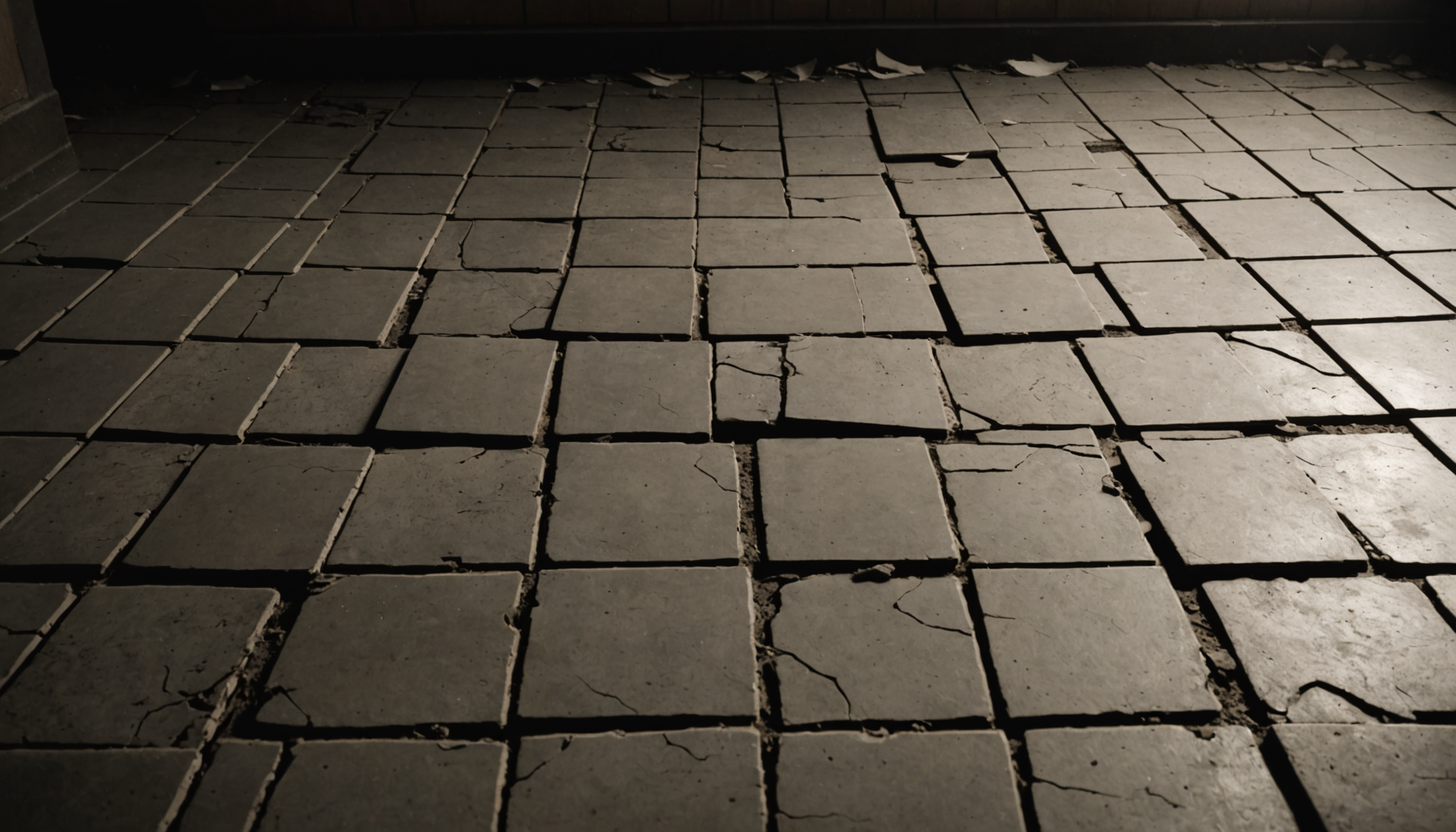
- Vinyl Floor Tiles: Asbestos may be present in vinyl tiles, as well as in the adhesives used to affix them. These were popular throughout the 20th century for their durability.
- Roofing and Siding Materials: Many older shingles and sidings were made with asbestos due to its fire-resistant properties.
- Ceiling and Wall Textures: Materials like popcorn ceilings and textured wall surfaces may contain asbestos.
- Cement Products: Asbestos was used in cement sheets and pipes due to its strength and heat-resistant qualities.
- Evaluate the Condition: Assess the condition of suspected asbestos materials. In good condition, asbestos is less likely to pose a risk. However, if materials are damaged or crumbling, the fibers can become airborne and hazardous.
- Conduct a Professional Inspection: If you suspect asbestos but are unsure, hire a professional asbestos inspector. They can perform a thorough investigation and take samples for laboratory testing to confirm the presence and type of asbestos.
- Do Not Disturb Suspected Areas: Avoid touching, drilling, or any action that might disturb asbestos fibers until a professional inspection is completed. If the materials are disturbed, they may release fibers into the air.
- Follow Legal Requirements: Become familiar with state and federal regulations regarding asbestos. Laws often require professional handling and removal of asbestos to ensure safety and compliance.
By taking these steps, homeowners can better identify and manage asbestos risks, thereby preserving both their health and the integrity of their homes. Being proactive and vigilant ensures any issues with asbestos can be addressed safely and efficiently.
Health implications of asbestos exposure
Exposure to asbestos, a perilous and silent threat, can have dire health consequences. Unlike immediate hazards, the real danger of asbestos lies in its insidious nature. When fibers are inhaled, they can become permanently trapped in the lungs, causing inflammation and scarring over time. This often leads to a spectrum of severe respiratory complications that might not surface until many years later. Among the most concerning conditions resulting from asbestos exposure is asbestosis, a chronic lung disease characterized by scarring of lung tissue. This scarring inhibits the lungs’ ability to expand and contract normally, leading to symptoms such as persistent shortness of breath, a dry cough, and in more severe cases, chest pain.
Another significant health risk associated with asbestos exposure is the development of mesothelioma, a rare and aggressive form of cancer predominantly affecting the lining of the lungs and, less commonly, the abdomen and heart. The latency period for mesothelioma is notoriously long, typically taking 20 to 50 years to manifest after initial exposure, which complicates early detection and treatment significantly. While mesothelioma is relatively rare compared to other asbestos-related diseases, it is notable for its close link to asbestos exposure, with a large percentage of cases attributable to this source.
Lung cancer is another potential consequence of asbestos exposure, particularly among individuals who smoke cigarettes. The risk multiplies significantly when combined with tobacco use, illustrating the compounding dangers of these carcinogens. Lung cancer from asbestos exposure may present with symptoms like a persistent cough, changes in voice, difficulty breathing, and unexplained weight loss.
Furthermore, asbestos exposure is associated with pleural thickening, a condition where the thin lining surrounding the lungs known as the pleura becomes thickened and swollen. This thickening can restrict the lungs’ normal movement, leading to discomfort and respiratory issues.
It’s essential to note that the severity of these health outcomes is typically related to the intensity and duration of exposure, combined with individual susceptibility. Minimal disturbance and proper containment of asbestos materials, particularly in residential settings, can significantly reduce the likelihood of exposure and its associated health risks. Proactively understanding and managing asbestos within homes, especially older ones, can safeguard inhabitants from these potentially life-threatening conditions. Maintaining awareness and applying proper control measures, including professional inspection and removal, are critical components in minimizing these health risks.
Steps for safe asbestos removal
When addressing the removal of asbestos from your home, it’s vital to approach the process with utmost care and attention to detail. Given the significant health risks posed by asbestos fibers, the removal process demands meticulous planning and execution to ensure safety. The following guidelines can help navigate the safe removal of asbestos materials:
Firstly, it is essential to hire a licensed and trained asbestos abatement professional. The complexity and risk associated with asbestos removal make this a task unsuitable for do-it-yourself efforts. Professionals have the necessary protective equipment, training, and experience to handle, remove, and dispose of asbestos safely, following stringent regulations and procedures set by health and safety authorities.
Before the removal process begins, an extensive assessment must be conducted by the abatement team to determine the type and extent of asbestos in the home. This involves inspecting all suspect materials and using specialized equipment to analyze air samples and material composition. Once confirmed, the team will develop a comprehensive removal plan. This plan should prioritize minimizing fiber release, detailing how different areas will be isolated and handled.
During the removal, the work area will be contained using heavy-duty plastic sheeting and negative air pressure units to prevent fibers from spreading beyond the workspace. All heating, ventilation, and air conditioning systems should be shut down to prevent contamination. Workers equipped with appropriate protective clothing—including respirators—will ensure personal safety and prevent the inadvertent spread of fibers.
All asbestos-containing materials must be handled carefully to avoid breaking or disturbing them unnecessarily, which could release fibers into the air. If materials require disassembly or cutting, the abatement team will use methods that suppress dust. In some cases, materials may be adequately encapsulated rather than removed if they are in good condition.
Proper decontamination procedures are crucial following the removal. A thorough clean-up of the work area will involve specialized HEPA filter vacuums and wet methods to prevent any fibers from being left behind. All material wastes will be securely sealed and labeled per state and federal guidelines for transportation to pre-specified disposal facilities authorized to handle hazardous waste.
Homeowners should remember that clearance air testing by an independent party is advisable once removal work is complete. This additional step ensures that the air quality within the home is safe and meets all health standards before the home is reoccupied. A final report, indicating all steps taken and the safety of dwelling conditions, should be provided by the abatement company for your records.
Education and proactive management are key elements in successfully dealing with asbestos in older homes. Empowering yourself with the right knowledge and putting it into practice with the help of certified professionals can significantly mitigate the risks associated with asbestos, ensuring a safe living environment for you and your family.
Alternatives to asbestos insulation
When it comes to updating or maintaining an older home without the use of asbestos, a variety of modern materials can provide comparable or superior insulation and safety benefits. One of the most popular alternatives is fiberglass insulation. Known for its energy efficiency, fiberglass is made from fine strands of glass and is available in various forms, including batts, rolls, and loose-fill options. It’s particularly prized for its thermal performance, sound absorption properties, and affordability.
Cellulose insulation, composed primarily of recycled paper products treated with fire retardants, is another eco-friendly alternative. It offers significant thermal resistance and is typically used as blown-in insulation for both attics and wall cavities. This material is widely favored for its ability to reduce air leakage and improve energy performance.
Spray foam insulation, though more costly, provides superior air and moisture barriers. It can expand to fill all sorts of nooks and crannies, ensuring maximum coverage. This type of insulation is ideal for areas that are difficult to reach, making it a preferred choice for sealing around pipes and wiring.
Mineral wool, another excellent choice, is created from either natural minerals or recycled steel slag. Similar to fiberglass, it boasts impressive acoustic and thermal insulation qualities and has the advantage of being naturally resistant to fire, mold, and mildew.
Additionally, homeowners interested in sustainable living might consider cotton (denim) insulation, which is manufactured from recycled cotton garments. Offering similar benefits to traditional insulations like fiberglass, it is also a non-toxic and renewable resource solution.
Choosing the right alternative depends largely on the specific needs and conditions of the home as well as budget considerations. Selecting one of these modern insulations not only avoids the dangers associated with asbestos but also enhances energy efficiency and improves indoor air quality. Consulting with insulation professionals can help in determining the best choice suited to your home’s specific structure and requirements.
To conclude, managing asbestos in older homes demands a proactive and informed approach. By understanding the risks, identifying potential hazards, and exploring safe alternatives, homeowners can effectively mitigate the dangers associated with asbestos. Embracing modern materials and professional removal practices ensures a healthier living environment and a more sustainable home for future generations.