In recent years, the realm of interior design has witnessed an invigorating resurgence of modern geometric tile designs. These contemporary patterns inject a sense of dynamism and visual interest into any space, blurring the lines between art and functionality. With their sleek and sophisticated forms, geometric tiles have become synonymous with modernity, offering homeowners and designers a myriad of creative possibilities to transform ordinary rooms into extraordinary expressions of style.
These updated geometric designs often feature sharp angles, clean lines, and precise symmetry, making them an ideal choice for those desiring a refined and structured aesthetic. The versatility of geometric tiles is one of their most significant attributes, effortlessly complementing a wide range of interior styles from minimalist to eclectic. As such, they have captivated the attention of designers seeking to infuse both character and sophistication into interiors.
One of the greatest advantages of modern geometric designs is their ability to create a focal point within a room. Strategic placement of these tiles can draw the eye and establish a visual hierarchy within the space. For instance, a geometric tile backsplash in a kitchen can provide a stunning contrast against sleek, neutral cabinetry, while a bold tile pattern on a bathroom floor can instantly elevate the room’s ambiance.
When selecting geometric tiles, it is crucial to consider the scale and proportion of the design relative to the space. Large geometric patterns can make a small room appear even smaller, while smaller, more intricate designs can add depth and complexity without overwhelming the area. This balance of scale ensures that the design remains impactful without dominating the room.
Furthermore, the color and material composition of geometric tiles play a significant role in defining their overall effect. Whether opting for natural stone, porcelain, or ceramic, each material offers unique properties that can enhance the design’s texture and finish. Pairing geometric tiles with the right materials allows for a customized approach that aligns with the homeowner’s aesthetic preferences and functional needs.
To illustrate the impact of various geometric tile designs, consider the following comparison:
| Design Aspect | Impact on Space |
| Hexagonal Patterns | Adds a playful touch and is excellent for mid-century modern or industrial styles |
| Chevron Designs | Elongates a room and adds a sense of movement, perfect for narrow hallways or small bathrooms |
| Diamond Shapes | Creates an elegant and luxurious feeling, often used in high-end residential spaces |
| Grid Patterns | Offers a classic and orderly look, ideal for modern or minimalist interiors |
The implementation of modern geometric tile designs opens up endless opportunities for innovation and personalization. By experimenting with different shapes, scales, and color combinations, homeowners can craft an inviting and stylish environment that is both timeless and distinctly their own. As these designs continue to evolve, they offer boundless potential for enhancing the architectural essence of any room.
bold color palettes
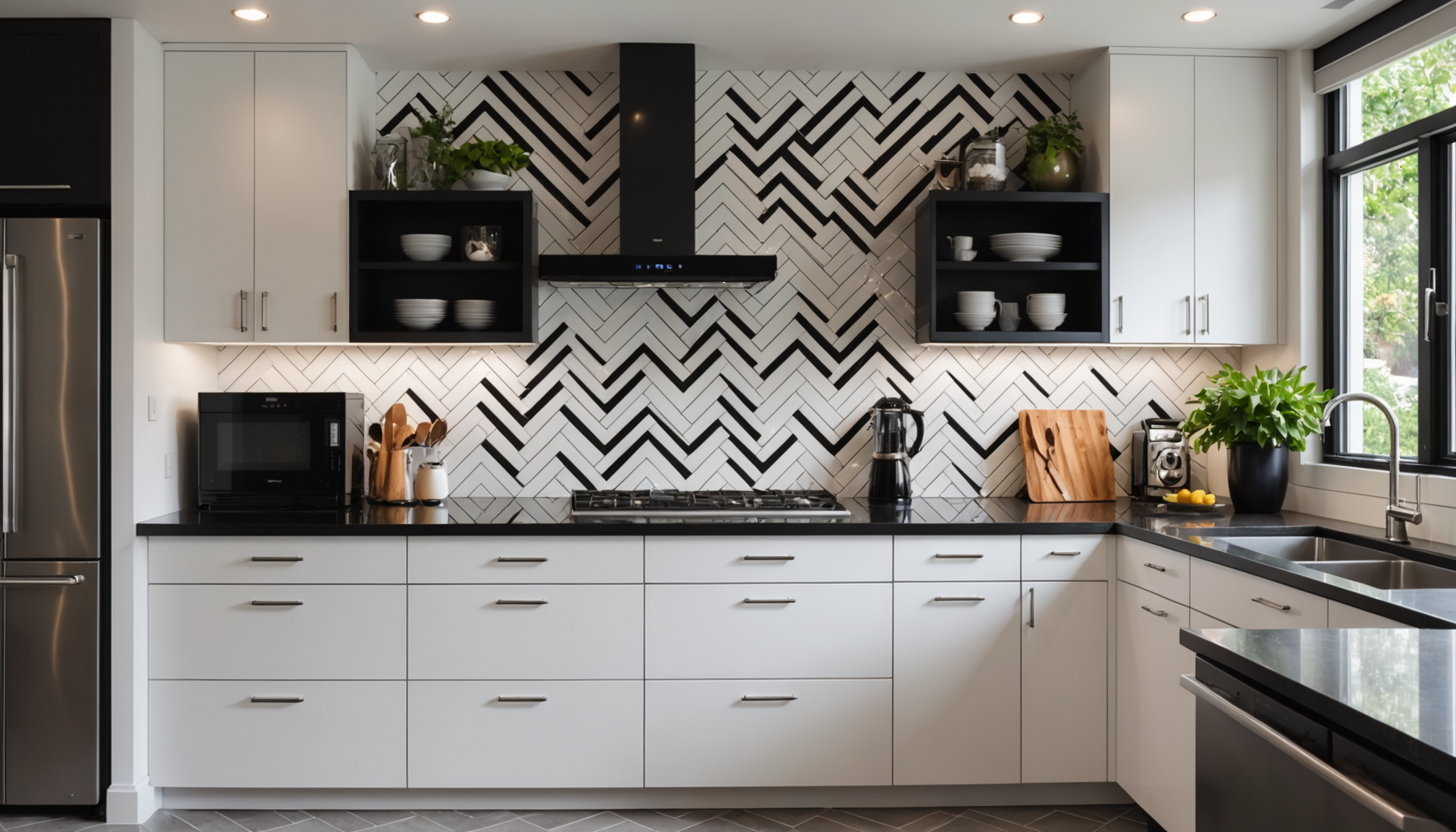 Color can dramatically alter the mood and perception of a space, and when it comes to tiles, bold color palettes are an effective way to make a striking statement. Selecting vibrant colors can rejuvenate a room, creating an atmosphere that is lively and full of character. Implementing bold colors through tiling requires strategic planning and a bit of adventurous spirit. Here’s a step-by-step guide to help you incorporate bold color palettes into your décor:
1. Choose a Dominant Color:
– Determine the Room's Purpose: Consider the room’s function when choosing the primary color. For instance, warm colors like oranges and reds are invigorating and are often used in social spaces like kitchens and living rooms, while cooler tones like blue and green promote relaxation—ideal for bathrooms and bedrooms.
– Evaluate Lighting Conditions: Natural and artificial lighting can affect how colors appear. Test tile samples in the space to observe how they look under different lighting conditions.
2. Select Complementary Hues:
– Consult a Color Wheel: Use a color wheel to find complementary colors that accentuate your dominant choice. For a harmonious look, select adjacent colors, while for a vibrant contrast, pick those opposite on the wheel.
– Consider Texture and Finish: Different finishes, such as matte or glossy, can alter how the color feels in the room. Glossy finishes can make colors more vibrant, while matte finishes can offer a more subdued vibe.
3. Strategic Placement:
– Create a Feature Wall or Floor: Consider a bold color for a feature wall or a section of the floor to draw attention and create a focal point. This is especially effective in open-plan spaces where it helps define distinct areas.
– Use as Accents: If you’re hesitant about too much color, use bold tiles as accents. Think along the edges of a backsplash or as a border around neutral tiles to introduce color in a subtle manner.
4. Balance with Neutrals:
– Combine with Neutral or Earthy Tones: Pair bold colors with neutral shades like white, beige, or grey to prevent the space from feeling overwhelming. This combination can help balance the overall aesthetic and allow the bold colors to stand out.
– Incorporate Natural Elements: Wooden or stone elements can complement bold tiles, adding warmth and grounding the space, thereby creating a dynamic yet cohesive look.
5. Experiment and Customize:
– Trial small areas: Start by experimenting with bolder colors on smaller sections before committing to larger areas. This approach can help pinpoint the right intensity without overwhelming the space.
– Mix and Match: Don’t be afraid to mix patterns and hues within your bold palette. This can create a lively mosaic that captures the eye, adding depth and character to the room.
6. Consider the Impact on Space Perception:
– Understand Color Psychology: Different colors evoke different emotions and perceptions. For instance, yellows can evoke cheerfulness and energy; purples can add a touch of luxury and sophistication.
– Spatial Considerations: Bold colors can make a space feel smaller, so apply them wisely in larger rooms or balance them with plenty of whites and neutrals in compact spaces to avoid a cramped feeling.
Incorporating bold color palettes in tile design is about daring to express personality and style while being mindful of harmony and balance. This vivid transformation can redefine interiors, turning everyday rooms into dazzling showcases of creativity and taste.
natural textures and finishes
Incorporating natural textures and finishes in tile design adds a tactile dimension and rich, visual interest to living spaces, inviting an organic and grounded feel that instantly enhances the ambiance. Materials such as stone, wood-look tiles, and clay recreate the comforting presence of nature indoors, fostering an environment of tranquility and warmth. These textures resonate with minimalistic styles and rustic aesthetics, seamlessly bridging contemporary elegance with earthy charm.
Among the intrinsic benefits of using natural textures is their ability to introduce an element of the outdoors inside. Stone tiles, for instance, present robust characteristics and an authentic appearance that mimic real rock formations. Whether in slate, marble, or limestone, these options bring a timeless, rugged beauty that elevates the sophistication of spaces such as the bathroom, kitchen, or even outdoor patios. The inherent variations and unique patterns found in these materials ensure no two tiles are alike, offering a bespoke, personalized touch that adds significant value to residential interiors.
Wood-look tiles are another exemplary trend that harnesses the appealing aesthetics of natural wood while offering the practicality of tile. These tiles successfully replicate the grains and hues of various woods, from the deep, rich tones of mahogany to the lighter, more playful shades of pine or oak. They are perfect for areas exposed to moisture or high traffic, like kitchens and bathrooms, where traditional wood might not be practical. Moreover, wood-look tiles are a sustainable alternative for those conscious about deforestation, providing the beauty of real wood without the environmental cost.
Natural finishes also extend into variations of gloss and texture, encompassing everything from satin to honed surfaces. These surfaces can dramatically alter the tactile experience and look of a room. Matte finishes, for example, offer a smooth, understated elegance, reducing glare and providing a soft, inviting look that suits tranquil, relaxation-focused areas. On the other hand, polished finishes offer reflectivity that can amplify natural light, making them ideal for dark, enclosed spaces that benefit from additional luminosity.
Integrating these natural elements can significantly influence the atmosphere of a room, contributing to a soothing environment that encourages relaxation and connection to nature. When teamed with complementary materials like rough-hewn garden plans or plush textiles, these tiles can transform sterile spaces into cozy sanctuaries.
Another key benefit is that natural textures and finishes are highly adaptable, coordinating effortlessly with a spectrum of color palettes—whether muted or vibrant. The neutrality of stone or wood tiles acts as a backdrop for bolder elements, allowing freedom to experiment with other design facets without clashing. This versatility ensures that natural textured tiles remain relevant through shifting trends, promising longevity and enduring appeal in any home. Overall, the allure of natural textures in tile design lies in their ability to bring both visual richness and tactile quality, making spaces feel inviting, authentic, and harmoniously connected to the natural world.
eco-friendly materials
In today’s world, the importance of sustainable living extends into every aspect of home design, including the materials we choose for our spaces. As awareness of environmental impacts grows, the demand for eco-friendly tile materials has surged, offering homeowners the opportunity to create beautiful, earth-conscious interiors. These sustainable options not only appeal due to their reduced environmental impact but also showcase a unique aesthetic that contributes to both timeless and modern decors.
One of the standout choices for eco-conscious tiles is recycled content tiles. These tiles are crafted from post-consumer and industrial waste, such as glass, metal, and even porcelain, reducing landfill contributions and minimizing the need for virgin materials. Recycled glass tiles, for example, offer a myriad range of vibrant colors and patterns while carrying the bonus of being non-porous, making them suitable for areas prone to moisture like bathrooms and kitchens. Their ability to reflect light also opens possibilities for enhancing the brightness of a room, lending a cheerful and airy quality to darker spaces.
Clay tiles, particularly terracotta and handmade ceramics, are another sustainable option, recognized for their low-energy manufacturing processes. The natural composition of clay requires less processing, thus conserving energy and reducing carbon emissions. These tiles also bring a rustic charm and warmth, beyond their sustainable credentials, harmonizing beautifully with a variety of design styles, from Mediterranean to farmhouse aesthetics. Their porous nature makes them excellent for regulating indoor climates, absorbing and releasing humidity as needed, which can contribute to a more energy-efficient home.
Bamboo tiles are an innovative and biodegradable option, representing an intersection between sustainability and style. Bamboo grows rapidly and regenerates without the need for replanting, making it a sustainable resource. Its strength and versatility make bamboo tiles suitable for flooring and wall applications, offering a natural look with variations in tone and texture similar to wood-look tiles but with enhanced eco-credentials.
Additionally, sustainable tile options are moving into the digital age with the advent of technological advancements like 3D printing. This technology allows for the creation of intricate designs and patterns with minimal material waste, opening new avenues for customized, eco-friendly tile solutions. Tiles produced in this manner can mimic various stones and woods, offering a range of sustainable design possibilities that look remarkably natural but with a lower environmental impact.
Choosing tiles made from eco-friendly materials doesn’t mean compromising on style. Many of these options allow for the same, if not greater, customization in terms of color, finish, and pattern, enabling homeowners to curate spaces that align with their aesthetic visions. Moreover, incorporating such materials helps align interior design projects with broader sustainable living goals, fostering responsible stewardship of natural resources.
Building with eco-friendly tiles does more than just contribute positively to sustainability efforts—it represents a shift towards more mindful consumption and the desire to preserve resources for future generations. By choosing these green options, homeowners can enjoy a sanctuary of style and tranquility that celebrates the beauty of our planet while also promoting its well-being.
classic patterns reimagined
Reimagining classic tile patterns breathes new life into traditional designs, transforming them into fresh, modern statements that can redefine any room in your home. By revisiting beloved motifs such as herringbone, chevron, and basket weave, designers are able to blend timeless elegance with contemporary allure, making these patterns versatile for both historic homes and modern apartments.
One way to give classic patterns a new lease on life is through innovative color choices. Instead of sticking with standard neutral tones, opt for unexpected hues that complement current color trends. A classic herringbone pattern in a deep emerald or cobalt blue can serve as a striking focal point, while a kitchen backsplash featuring a chevron layout in soft pastels can add a touch of whimsy and warmth.
In addition to color, material choice plays a significant role in updating these patterns. Incorporating materials like glass, metal, or stone can dramatically shift the perception of traditional designs. For example, a basket weave pattern executed in marble exudes luxury and sophistication, whereas employing reclaimed wood tiles can impart a sense of rustic charm with an eco-friendly twist. The texture and finish of the materials also enhance the overall effect, where a high-gloss finish might bring a sharp, modern edge, and a matte glaze might maintain a more subtle elegance.
Another approach is to manipulate the scale of the patterns for modern impact. Large-format tiles in a herringbone or basket weave layout can open up smaller spaces by emphasizing horizontal or vertical lines, creating an illusion of a more expansive area. Conversely, smaller-scale patterns can add intricate detail to surfaces like shower enclosures or feature walls, drawing the eye and adding complexity without overwhelming the space.
Pairing classic patterns with contrasting styles or unexpected elements further revitalizes their appeal. An ornate, Victorian-style tile with bold, modern furniture can create an eclectic and inviting mix. Alternatively, layering classic patterns with contemporary minimalist accessories can achieve a stylish balance between old and new, striking a harmonious chord that feels both familiar and refreshingly original.
Ultimately, reimagining classic tile patterns allows for a myriad of stylistic possibilities that honor the past while looking to the future. By integrating bold colors, diverse materials, and inventive layouts, these reinvented designs can instill a rich sense of character and individuality into any space, ensuring that classic patterns remain as relevant and visually engaging as ever.
In conclusion, the array of tile trends today offers compelling options for transforming any room into a unique and stylistically cohesive space. From the bold expressive designs of modern geometrics to natural textures that bring the outdoors inside, each trend provides an opportunity to infuse personality and vibrancy into your home. Bold colors can make a statement and enliven a space, while eco-friendly materials underscore a commitment to sustainable living. Finally, reimagined classic patterns offer a nod to tradition with a modern twist, ensuring their timeless appeal endures. These diverse, transformative trends highlight the versatility of tile as a foundational design element, inviting homeowners to explore creative possibilities in their interiors.