Embarking on a basement remodel can significantly enhance your home’s value while providing additional functional space. However, before diving into the physical transformation, it’s crucial to assess the potential of your basement and meticulously plan its layout. Proper planning ensures that the remodel aligns with your needs, maximizes available space, and adheres to building codes and regulations.
Begin by evaluating the structural conditions of your basement. Check for any signs of moisture, mold, or foundation cracks, as these issues can affect the longevity and safety of your remodel. It’s wise to consult with a structural engineer or a professional contractor to address any existing problems and ensure your basement can support the intended changes.
Once the foundational health is confirmed, the next step is to create a practical yet aesthetically pleasing layout. Consider how you intend to utilize the space: Will it serve as an additional living area, a home office, or a hobby workshop? Each use-case demands different design considerations.
Here are a few key aspects to consider when planning your layout:
- Accessibility: Ensure that entry points to the basement are easily reachable and compliant with building codes. This may involve widening staircases or adding handrails.
- Harmony with existing layout: The basement should complement the rest of your home’s design. Consider the basement’s connectivity to utility lines for plumbing and electrical work, ensuring seamless integration into the home’s infrastructure.
- Future adaptability: Plan for flexibility in room usage to enhance long-term real estate value. For instance, a home theater setup could be easily converted to a guest bedroom with minimal effort.
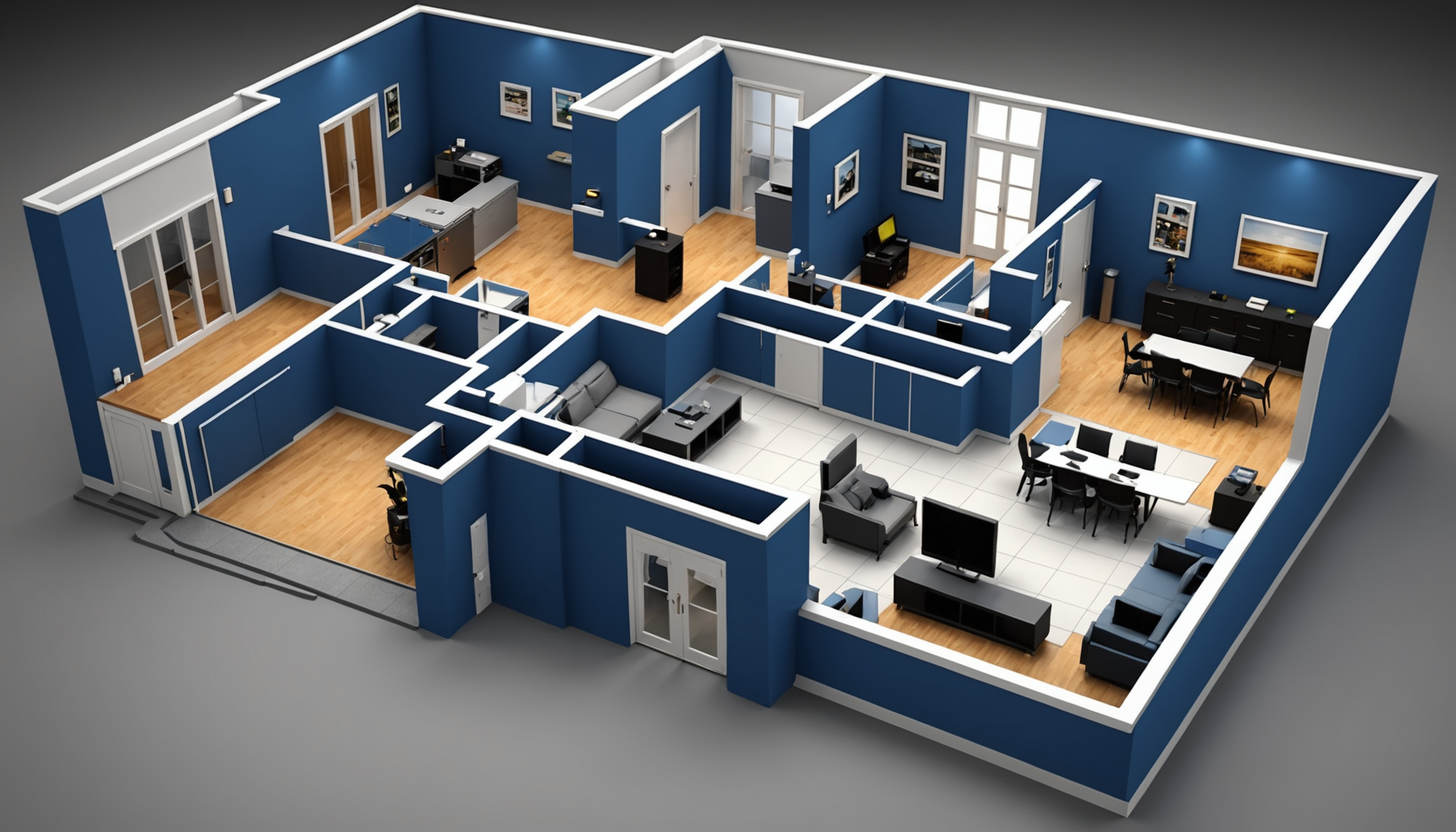
Visualization tools can be beneficial during the planning phase. Use digital software to create a 3D model of your proposed layout. This will allow you to see how different elements interact and identify any potential issues before construction begins. Additionally, these tools can simulate light sources to help you make informed decisions about window placements and lighting fixtures.
The table below offers a comparison of planning software that might assist in visualizing and refining your basement layout:
| Software | Features | Cost |
| SketchUp | User-friendly, extensive library of premade objects | Free with Pro version at $299/year |
| AutoCAD | Precision drafting tools, industry standard | $1,865/year |
| Sweet Home 3D | Intuitive interface, open-source | Free |
Ultimately, a well-thought-out basement remodel begins with a thorough planning process, keeping long-term maintenance and adaptability in view. By assessing potential challenges and establishing a detailed layout plan, you not only optimize the use of space but also enhance your home’s overall value and functionality.
enhancing lighting and ventilation
 Creating a comfortable and well-utilized basement requires careful thought about lighting and ventilation, as these elements are crucial for transforming an often-dark and stuffy area into a livable and pleasant space. Here’s how you can enhance both aspects during your remodel:
1. Assess Natural Light Opportunities:
– Examine the existing windows in your basement. Consider enlarging them to allow more natural light to flow in. This step not only brightens the space but also makes it feel more inviting and less like a traditional basement.
– If your basement is primarily below ground level, explore the possibility of installing egress windows. These windows are larger and serve the dual purpose of providing natural light and acting as an emergency exit, which is crucial for safety compliance and can add to the real estate value of your home.
2. Choose the Right Artificial Lighting:
– Opt for layered lighting to accommodate the diverse activities that will take place in your basement. Combine ambient, task, and accent lighting to create a flexible environment.
– For ambient lighting, consider installing recessed ceiling lights for an even distribution of light across the room. Dimmer switches can also be a valuable addition, allowing you to adjust the light levels according to your needs.
– Task lighting is essential for functional areas like home offices or craft spaces. Use adjustable desk lamps or under-cabinet lights to focus light where it’s needed most.
– Accentuate architectural features or artworks with accent lighting. Wall sconces or track lighting can highlight specific areas, adding depth and interest to the space.
3. Improve Airflow and Ventilation:
– Proper ventilation is key to maintaining air quality and preventing mold growth in your basement. Ensure that existing vents are unobstructed and consider adding additional vents if necessary to facilitate better airflow.
– If your basement remodel includes new walls or partitions, plan the HVAC system layout to ensure even distribution of heat and cooling. This might involve rerouting ductwork or adding a standalone air conditioning unit to manage the basement’s specific climate needs.
– For moisture-prone areas, such as those near plumbing installations, install exhaust fans to remove excess humidity. This not only protects your finishes and furnishings but also contributes to the overall maintenance of a healthy environment.
By addressing lighting and ventilation early in your remodel process, you create a foundation for a functional and inviting basement space. These enhancements can significantly alter the ambiance and utility of the basement, ensuring it becomes a cherished part of your home and a valuable aspect of your real estate. Always consider consulting with professionals for electrical work to ensure safety and code compliance.
creating functional storage solutions
As you set out to remodel your basement, creating effective storage solutions is fundamental to maintaining an organized and functional space. A well-thought-out storage plan not only adds to the room’s usability but also enhances its overall aesthetic, providing hidden nooks and crannies that make your basement a pleasant, clutter-free environment.
Begin by assessing the available square footage and identifying areas that can be transformed into storage zones without compromising on living space. Key strategies include utilizing built-in shelving units, closet systems, and multi-purpose furniture that blend seamlessly with your design plan. Maximizing vertical space is particularly beneficial, as basements often have limited floor area but tall ceilings. By installing floor-to-ceiling shelves or cabinets, you can substantially increase storage capacity without infringing on precious square footage.
Incorporating clever design elements can further optimize storage. Consider using under-stair storage; these spaces can be fitted with custom drawers or cabinetry to accommodate everything from holiday decorations to sports equipment. Similarly, transform empty wall spaces with pegboards or magnetic strips for organizing tools or craft supplies, adding both practical and decorative value.
When selecting storage solutions, prioritize durability and moisture resistance. Given the basement’s higher humidity levels, materials like metal or treated wood can withstand environmental fluctuations better than untreated alternatives. Additionally, sealed containers are essential for protecting your belongings from potential moisture damage, maintaining the longevity of stored items, and reducing the need for repeated maintenance.
Integrating multi-functional furniture can further enhance storage versatility while contributing to the room’s overall design. Consider ottomans with hidden compartments, sleeper sofas for accommodating overnight guests, or benches with built-in storage. These pieces not only serve as practical storage solutions but also invite comfort and functionality into your space.
By focusing on functional storage solutions, you can transform your basement from a mere storage area into a well-organized extension of your home. This foresight in design not only aids in maintaining a clean and orderly environment but also increases the overall value of your property, making it more attractive should you decide to explore real estate opportunities in the future.
selecting appropriate flooring options
When it comes to transforming your basement into a welcoming and versatile area, selecting the right flooring is an essential decision that goes beyond aesthetics. It is critical to consider durability, cost, moisture resistance, and ease of maintenance as you plan this aspect of your remodel. Since basements are often subjected to conditions like fluctuating moisture levels, it’s imperative to choose flooring options that can withstand such environments without sacrificing style or comfort.
Start by evaluating the various types of flooring available, each offering unique benefits that cater to different needs. Among the most popular options is vinyl flooring. Known for its durability and water-resistant properties, vinyl can imitate the look of hardwood or tile at a more budget-friendly price. Plus, its ease of installation and maintenance make it a convenient choice for homeowners seeking both functionality and aesthetic appeal.
Ceramic tiles are another great candidate for basement flooring. They offer excellent resistance to water and can be customized with numerous designs and patterns to complement your overall theme. Consider tiles with anti-slip surfaces to ensure safety, especially in a multi-use basement that might accommodate activities ranging from workout sessions to playdates.
If you desire a warmer, softer feel underfoot, consider carpet tiles. These are especially suitable for creating cozy living spaces or home theaters within your basement. Carpet tiles are easy to install and can be replaced individually, making maintenance simple. Opt for options with moisture-resistant backing to protect against occasional dampness that might arise in a basement setting.
Engineered wood is yet another option that balances the natural beauty of hardwood with increased resistance to humidity, making it a lovely choice for those seeking a high-end finish. While it is more expensive than vinyl or carpet, engineered wood provides a sophisticated look that can significantly enhance the real estate value of your home.
Keep in mind the importance of proper subfloor preparation before installing any type of flooring. Adequate insulation and vapor barriers can prevent moisture seepage, protecting your chosen surfaces and ensuring their longevity. It’s not just about the immediate appearance; laying the groundwork carefully ensures long-term satisfaction and reduces maintenance challenges.
By selecting flooring that fits both your lifestyle and the specific demands of basement environments, you contribute to a successful remodel that boosts your home’s overall appeal and usability. Whether you’re using your basement as additional living space, a home office, or an entertaining area, the right flooring lays the foundation for a satisfying and valuable transformation.
designing cozy and versatile living spaces
Creating a cozy and versatile living area in your basement is an achievable goal that can greatly enhance the functionality and enjoyment of your home. The secret lies in balancing comfort with adaptability while reflecting personal style. Start by considering how your family intends to utilize the space. Whether it’s a family room, a home theater, or a multipurpose entertainment center, the design should accommodate various activities and transform easily as needs evolve.
To foster warmth and coziness, pay attention to your choice of furnishings and décor. Incorporate soft textiles like plush rugs, comfy throw pillows, and upholstered furniture to create inviting spaces for relaxation. Layering these elements not only adds warmth but also introduces visual interest and depth to your design. Additionally, consider using a neutral color palette as a base, which can be accentuated with pops of color through art, cushions, or other accessories to keep the space lively yet serene.
Flexible furniture solutions are key to designing a space that is both functional and versatile. Opt for modular furniture pieces that can be reconfigured depending on the occasion. Sectional sofas are an excellent choice, offering ample seating with the option to rearrange sections to suit different setups. Similarly, use fold-out or extendable pieces like dining tables or desks, which can quickly increase the usability of your space without permanent alterations.
Integrating technology is another critical facet for a modern basement living area. Consider installing a central entertainment system with built-in wiring to keep things neat and avoid clutter from visible cables. Wireless speakers or sound systems can enhance the audio experience, especially if you’re crafting a multimedia room. Ensure the electrical work is handled by a professional to maintain safety and code compliance, especially in a remodel that might involve extensive wiring changes.
Tasteful use of wall art and décor elements can personalize the space while maintaining its adaptability. Wall-mounted shelving or multifunctional cabinets can display books, plants, and personal collections, enhancing the room’s character and warmth. These elements can be updated periodically to refresh the space’s look without a complete overhaul.
Finally, always account for effective zoning when designing the layout. Use area rugs to delineate sections such as a reading nook, a gaming area, or a dedicated workspace. This not only organizes the area but also maximizes simultaneous use by different family members. By creating distinctive zones within one large space, your basement becomes a dynamic and adaptable environment that meets diverse requirements.
In conclusion, a successful basement remodel can transform an underutilized area into a dynamic and valuable part of your home. By carefully planning each element—from lighting and ventilation to flooring and living space design—you enhance your living environment both functionally and aesthetically. Whether expanding your family’s living space or increasing your property’s real estate value, thoughtfully renovating your basement ensures it becomes an asset that enriches your home life.