Diagnosing common door issues is a crucial step before diving into any repair, as it allows you to understand the underlying problems and choose the right method of repair. Whether you’re a homeowner trying to save money or someone considering hiring pros, identifying the specific issues with your doors can make a significant difference in the effectiveness and efficiency of your repair efforts.
Doors are vital components of any building, contributing to both security and energy efficiency. When functioning correctly, they can help maintain the integrity of your home’s HVAC system by ensuring that energy is not wasted through drafts or leaks. Thus, modern doors are designed to provide the perfect seal when operating optimally. Below are some common issues you might encounter and a brief guide on how to spot them:
- Sticky Doors: If your door does not open or close smoothly, it could be due to humidity, a warped frame, or incorrect hinge alignment. Gently test the door to see if it catches at any point during its swing.
- Drafty Doors: When a door no longer provides a tight seal when closed, it can lead to drafts. This might be caused by worn-out weatherstripping or a misaligned door.
- Jammed Locks: If locks are difficult to engage or disengage, debris, a worn-out mechanism, or changes in door alignment could be the causes. Ensure the lock and its components are properly lubricated to rule out minor dry issues.
- Noise When Opening or Closing: Squeaks and creaks often indicate problems with the hinges, which could be dry or rusted, causing friction.
- Visible Damage: Physical damage such as holes, scratches, or cracks are straightforward to notice but may have more profound underlying causes, such as impact stress or improper installation.
Here’s a simplified comparison of symptoms and possible causes to help you systematically identify what might be wrong:
| Symptom | Possible Cause |
| Sticky Operation | Warped door, humidity, hinge misalignment |
| Drafts | Worn-out weatherstripping, misalignment |
| Jammed Locks | Debris, worn mechanism, misalignment |
| Squeaks | Dry or rusted hinges |
| Visible Damage | Impact, stress, poor installation |
By accurately identifying these issues, you avoid unnecessary repairs and the costs associated with them. If the problem seems extensive or beyond your capability, consider hiring pros who can offer expert insight and restore your doors to their optimal state. Remember, proactively diagnosing and addressing these nuisances not only keeps your doors functional but also positively impacts the efficiency of your home’s HVAC performance and overall comfort.
tools and materials you’ll need
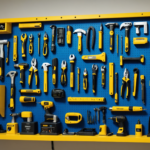
 When preparing to repair your doors, having the right tools and materials on hand is essential for successful completion of the task. Here’s a list of what you’ll need to tackle most common door repairs:
- Screwdrivers: A set of both flathead and Phillips head screwdrivers will be needed for removing and tightening screws in hinges, locksets, and other hardware.
- Hammer: Useful for adjusting or removing nails, especially if you’re addressing issues with the door frame.
- Level: To ensure that your door is perfectly aligned, preventing issues like sticking or uneven wear.
- Drill and Drill Bits: Necessary for making precise measurements when installing new screws or hardware. A cordless drill can significantly speed up the repair process.
- Utility Knife: Useful for cutting away old weatherstripping and making precise adjustments to shims or other materials.
- Wood Glue: For repairing small cracks or splits in wooden doors.
- Sandpaper: To smooth out repairs on wooden surfaces or to prep areas for painting or sealing.
- Putty Knife and Wood Filler: Essential for patching holes or deep scratches in wood doors. Choose a filler that matches your door’s finish for best results.
- Lubricating Oil: Used for applying to hinges, doorknobs, and locks to eliminate squeaking or make operations more fluid.
- Shims: Thin pieces of wood or plastic used to adjust a door’s position in its frame, essential for correcting alignment issues.
These tools and materials will provide you with a solid foundation to perform a variety of door repairs. Whether you’re tackling squeaky hinges, sticking doors, or more significant structural issues, having everything you need close at hand will make the process smoother and more efficient, allowing you to focus on restoring your doors to their modern functionality. Remember, investing in quality tools can make the repair process easier and give you better results, potentially saving you time and the costs of hiring pros.
fixing squeaky hinges
Squeaky hinges are one of those minor annoyances that can become a major irritation if not addressed. The sound of a creaking door can disrupt the quietest moments, from relaxing evenings to peaceful night sleep. Fortunately, fixing squeaky hinges is a straightforward DIY task that can restore calm and quiet to your home, often without the need to consider hiring pros.
First and foremost, the most common cause of squeaky hinges is a lack of lubrication. A simple application of lubricating oil can often solve the issue almost instantly. Start by opening and closing the door a few times to identify precisely which hinge is causing the noise. Once located, apply a small amount of lubricating oil directly onto the hinge pin. It's essential to ensure that the lubricant penetrates into the center of the hinge, where the pin meets the hinge plates. Move the door back and forth several times to work the oil into the hinge and distribute it evenly.
For hinges that are exceptionally squeaky, remove the hinge pin entirely. Use a flathead screwdriver and a hammer to gently tap the pin upward until it can be pulled out. Once removed, clean any visible dirt or grime from the pin and the inside of the hinge. Apply a generous amount of lubricating oil to both the pin and inside the hinge plates before reinserting it. Not only will this significantly reduce or eliminate squeaking, but it also ensures the hinge remains properly functioning over the long term.
If lubrication does not resolve the issue, the next step is to inspect the hinges for wear and tear. Loose hinges can create an irritating squeak, as well as cause door misalignment. Check all screws to ensure they are tightly secured; use a screwdriver to tighten any that might have loosened over time due to wear or environmental factors like changes in humidity. If any screws are stripped or cannot be tightened properly, replacing them with slightly longer ones might provide a better hold, thereby restoring the door’s stability and functionality.
Sometimes, the problem may stem from poor initial installation, particularly in older homes, where door structures and frames have settled significantly. In such cases, slight adjustments and realignment can significantly improve the hinge’s performance and eliminate those pesky squeaks. Using a level, ensure that the door hangs straight and that the hinges are aligned correctly. Shims can be invaluable in making these small adjustments, providing the necessary support to realign the door within its frame for smooth operation.
Addressing squeaky door hinges not only brings immediate peace and quiet back to your home but also contributes to the overall integrity and longevity of your doors. A smoothly operating door without squeaks or creaks is not only pleasing to the ears but also plays a role in the energy efficiency of your home’s HVAC system by maintaining a snug fit in the door frame, preventing drafts. Whether you choose to fix the issue yourself or decide it’s time to seek professional assistance, resolving squeaky hinges is a fundamental step in ensuring your doors function optimally and maintain their modern appearance.
repairing door alignment problems
When tackling issues with door alignment, it’s important to recognize the symptoms and understand the underlying problems that may be causing misalignment. Common signs that a door is out of alignment include difficulty opening or closing, uneven gaps around the frame, or scraping against the floor or frame. Such issues not only impede the door’s functionality but can also affect your home’s energy efficiency and security. Correcting door alignment ensures that your doors perform optimally and maintain their aesthetic appeal.
Start by examining the door and its frame to identify any visible gaps or misalignment. Pay attention to the top, sides, and bottom of the door, looking for uneven spacing, which could indicate whether the door is tilted or sagging. A level can be an invaluable tool here, helping you determine if the door is hanging straight. Should you find that the door isn’t perfectly vertical, adjustments will be necessary.
One potential cause of misalignment is loose or damaged hinges. Over time, screws can become loose due to wear and tear or changes in humidity, leading to a misaligned door. Use a screwdriver to tighten any loose screws, ensuring a snug fit against the door and frame. If screws are stripped or unable to hold tightly, replace them with slightly longer alternatives that can provide a firmer grip. This simple adjustment can often restore proper door alignment and eliminate associated problems like drafts, contributing to improved energy efficiency within your home’s HVAC system.
In cases where hinge adjustments aren’t enough, using shims can be an effective method to correct the door’s position. Shims are thin pieces of wood or plastic that can be placed behind one or more hinges to adjust the angle at which the door hangs. Begin by determining which hinges need shimming to achieve proper alignment. Insert the shims between the hinge and the door frame, then retighten the screws. Test the door’s movement after each adjustment to ensure that it opens and closes smoothly without binding.
Sometimes, the door’s strike plate may also require adjustment to align properly with the door latch. If the latch doesn’t fit into the strike plate or requires force to latch shut, repositioning the strike plate can solve the issue. This might involve enlarging the existing hole in the jamb or moving the strike plate up or down slightly. Use a chisel to carefully modify the mortise for a perfect fit.
Lastly, don’t overlook the door frame itself. Over time, a door frame might settle or warp, affecting the door’s alignment. In severe cases, it might be necessary to repair or replace sections of the frame. This could involve sanding down sections of the frame that create friction with the door or adding reinforcements to prevent future warping.
By addressing door alignment issues with the appropriate repairs, you not only enhance the functionality and appearance of your doors but also improve the overall efficiency of your home. A properly aligned door can prevent air leaks and drafts, supporting the effectiveness of your HVAC system. Whether you handle these repairs on your own or opt for hiring pros for more challenging tasks, the goal remains the same: to restore your doors to their modern condition, ensuring they’re both visually appealing and efficient.
patching holes and scratches
Small holes and scratches can detract from the appearance and functionality of your doors, but with some simple steps, these imperfections can be effectively repaired to restore the doors to their modern appeal. Begin by cleaning the damaged area with a damp cloth to remove any dust or debris. If there are any loose or jagged edges around the hole or scratch, use sandpaper to smooth them out gently. This ensures a clean surface for the wood filler to adhere to, offering a more seamless repair.
Next, choose a wood filler that matches the existing color and finish of your door. This will help the repair blend in more naturally, preventing the patch from becoming an eyesore. Using a putty knife, apply the wood filler over the damaged area, pressing it firmly into the hole or scratch. Be sure to overfill slightly, as wood filler tends to shrink as it dries. Smooth the surface with the putty knife, removing any excess product.
Allow the filler to dry completely according to the manufacturer’s instructions, which usually takes a few hours. Once dry, sand the area with fine-grit sandpaper until it is flush with the surrounding door surface. This step not only smooths out the repair but also ensures a consistent finish when repainting or resealing the door.
If the door has intricate wood grain patterns, consider using a stylus or a similar tool to etch lines into the filler while it is still pliable. This can help the repair integrate more naturally with the existing wood texture once painted or stained.
Finally, apply a matching finish to seal the wood filler and protect the repaired area from moisture and further damage. This can be a coat of paint or a layer of varnish, depending on the original door’s finish. Achieving a uniform appearance may require applying the finish to the entire door surface, ensuring a seamless and modern look without noticeable patches.
Restoring doors by fixing holes and scratches is not merely about aesthetics. Well-maintained doors contribute to the integrity and energy efficiency of your home by maintaining proper seals and enhancing security. Whether you opt to handle these repairs yourself or decide on hiring pros, you’re taking essential steps to preserve the longevity and function of your home’s entryways.
In conclusion, maintaining and repairing your doors is essential for ensuring their optimal performance and prolonging their lifespan. By accurately diagnosing issues, using the right tools and materials, and applying effective repair techniques, you can address common door problems like squeaky hinges, alignment issues, and visible damage. Whether you choose to tackle these tasks on your own or consult with professionals, keeping your doors in top condition not only enhances their functionality but also supports the energy efficiency and security of your home. Through consistent upkeep, your doors can continue to serve as reliable and attractive components of your living space.