When designing a bedroom that serves as a sanctuary, selecting the right color scheme is crucial for inspiring tranquility and peace. Colors play a significant role in influencing our moods and can create an environment that promotes relaxation and restful sleep. Understanding the psychology of colors will assist in making informed decisions that enhance the bedroom’s ambiance without the need for major renovation.
Neutral colors like soft grays, beiges, and creams form an excellent foundation for a calming bedroom. These hues have the ability to reflect light and make a space feel more open and serene. Combining neutrals with other complementary colors can produce a harmonious balance that caters to individual tastes. For instance, pairing pale blues with gentle whites creates an airy feel reminiscent of the sky and sea, promoting a soothing atmosphere.
Cool colors, such as blues and greens, are often associated with tranquility and are ideal for bedroom environments. These colors evoke the serene qualities of nature and can significantly reduce stress and anxiety levels. For a more sophisticated touch, consider deep navy or forest green accents alongside softer tones, which can provide a sense of depth and sophistication without overpowering the serene environment.
For those interested in a more understated elegance, incorporating muted pastels like blush pinks or lavender can add a touch of warmth and softness. These shades work well with the neutral foundation and are subtle enough to remain calming yet add a slight hint of color to the space.
| Color Category | Effect | Recommended Combinations |
| Neutral Colors | Open and serene; adaptable to all settings | Soft grays with ivory or beige |
| Cool Colors | Calming and reduces stress | Light blue with white accents |
| Muted Pastels | Soft warmth; adds lightness | Blush pink with light gray |
Beyond aesthetics, the choice of color can contribute to energy savings within the bedroom. Lighter colors can reflect more light, potentially reducing the need for artificial lighting during the day, an appealing option for smart home enthusiasts looking to optimize energy efficiency.
Experimenting with different color palettes can aid in designing a bedroom that is both visually appealing and soothing. By choosing colors that align with personal preferences while considering the psychological effects, it is possible to craft a tranquil haven within the home that supports relaxation and rejuvenation.
furniture placement for optimal flow
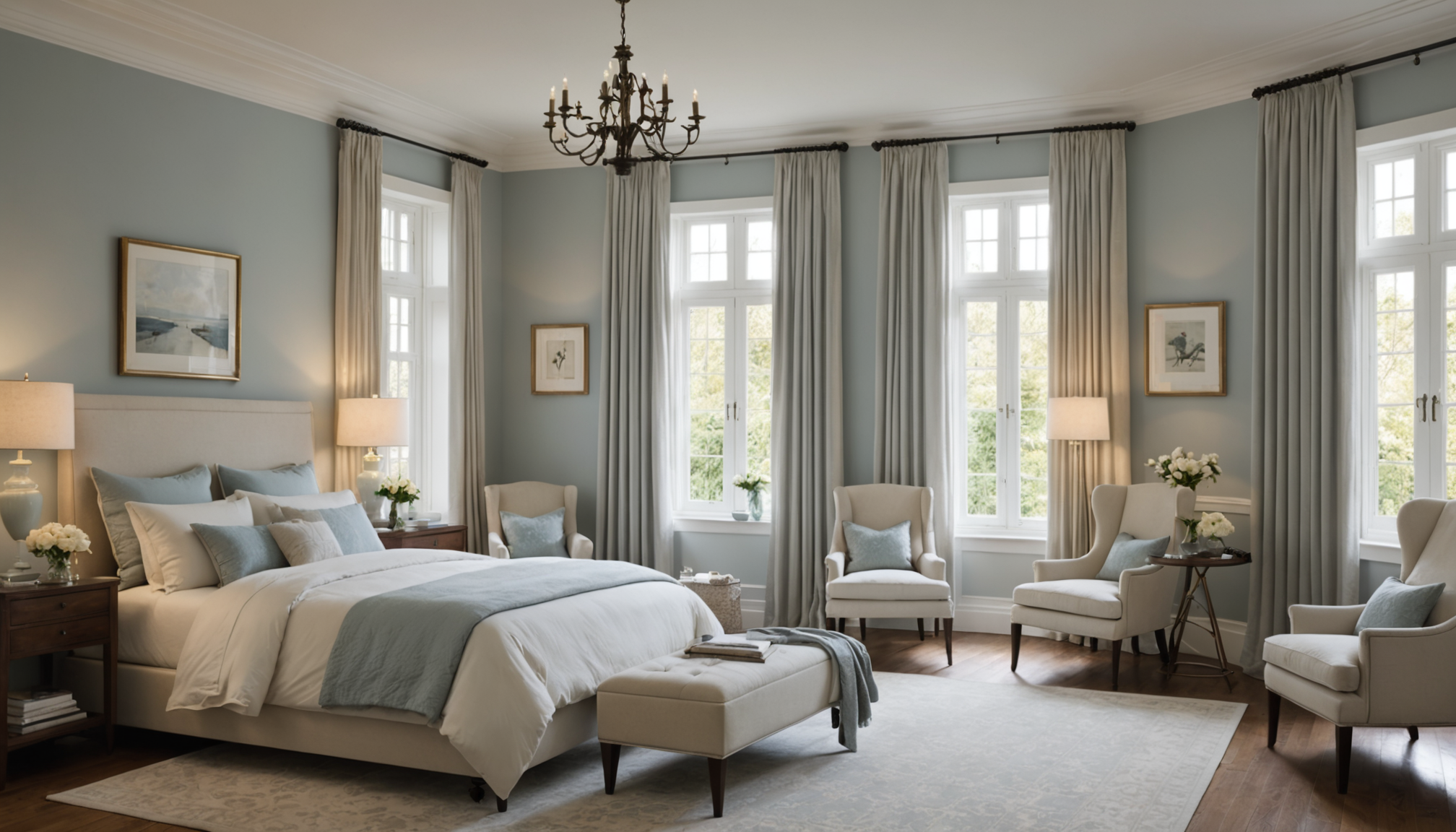 An efficiently arranged bedroom offers optimal flow and functionality, creating a space that feels both comfortable and intuitive. Proper furniture placement is essential to achieving a layout that supports a sense of tranquility while maximizing utility. Here’s a guide to help you design your bedroom with furniture placement that enhances both comfort and energy savings:
1. Assess the Space:
– Begin by evaluating the size and shape of your bedroom. Take measurements and note any architectural features, such as windows, doors, and built-in elements.
– Identify focal points such as a fireplace or a picturesque window view, as these can guide the arrangement of the main pieces.
2. Anchor with a Bed Placement:
– Position your bed against the longest wall without windows, as this can establish a strong focal point and free up floor space.
– Ensure that there is ample space on each side of the bed, allowing for easy access and preventing any cramped feelings.
– Align your bed to allow natural light to reach it in the morning; this aids in waking up naturally and forming a connection with the outdoor environment.
3. Streamline Traffic Flow:
– Leave pathways wide enough for ease of movement, at least 30-36 inches, ensuring you can move smoothly from one side of the room to the other.
– Avoid blocking windows or doors, as these are crucial for fresh air circulation and simple movement.
4. Consider Dual-purpose Furniture:
– Implement pieces that offer multiple functions, such as an ottoman with storage, to optimize space without overcrowding.
– Use nightstands with built-in drawers or shelves to reduce clutter and stash nighttime essentials within reach.
5. Optimize for Functional Zones:
– Establish distinct zones for sleeping, dressing, or working if space allows. For instance, position a reading nook by a window with an accent chair and a small side table.
– If your bedroom doubles as a workspace, situate a desk in a corner or against a wall, ensuring it’s away from direct sight from the bed to maintain a relaxing environment.
6. Balance and Visual Weight:
– Distribute furniture to ensure visual balance. For example, offset a bulky wardrobe with less imposing decor elements across the room to prevent any area from feeling too heavy.
– Consider symmetry, arranging pairs, like matching nightstands on either side of the bed, to cultivate harmony and order.
7. Enhance with Technology for Smart Home Integration:
– Incorporate smart furniture that can facilitate a seamless lifestyle. Use adjustable beds that can change positions or furniture with built-in speakers for a modern touch.
– Smart lighting furniture can adapt brightness based on the time of day, promoting energy savings and enhancing the room’s atmosphere.
By thoughtfully considering where and how to position each piece in your bedroom, the space can transform into not only a zone for rest but also a reflection of personal design sensibilities that supports relaxation and energy efficiency.
storage solutions to maximize space
A cluttered bedroom can quickly become overwhelming, detracting from the peaceful atmosphere you’re trying to create. Maximizing space through clever storage solutions is essential in promoting both functionality and an organized environment. By strategically utilizing every inch of space, you can achieve a harmonious balance between style and practicality, making your bedroom a true sanctuary.
Under-Bed Storage: One of the most effective ways to free up valuable floor space is to take advantage of under-bed storage options. Beds with built-in drawers provide a discreet area to store bedding, clothes, or other items. Alternatively, using clear bins or vacuum-sealed bags can keep less frequently used items tucked away but easily accessible. This approach optimizes space efficiency while maintaining a clean bedroom aesthetic.
Vertical Storage: Elevate your storage game by thinking vertically. Tall bookshelves or storage towers can be placed against walls to house books, decorative items, or even wardrobes. Hanging hooks or pegboards can further utilize wall space for hanging accessories, bags, or jewelry. Embracing vertical storage not only maximizes space but also draws the eye upward, giving the illusion of a larger room.
Multi-functional Furniture: Investing in furniture pieces that serve dual purposes is a smart strategy for small spaces. Consider a bench with storage capabilities at the foot of the bed or a window seat that doubles as a storage chest. Nightstands with multiple drawers or a hollow ottoman can vitalize the room by reducing clutter without sacrificing style. Such furniture supports both the functional and design needs of your space.
Smart Closet Solutions: A well-organized closet can be a game-changer in creating more space in your bedroom. Install adjustable shelving and hanging rods to tailor the space according to your needs. Add dividers or stackable bins for smaller items such as accessories or shoes. Implementing a smart organization system ensures that every article has a designated spot, making daily dressing more efficient and hassle-free.
Hidden Storage: Embrace elements that incorporate hidden storage opportunities. Mirrors with concealed shelving or headboards with built-in compartments can be great additions. These solutions provide much-needed storage while keeping items out of sight, preserving a tidy and calming bedroom environment.
Technology Integration in Storage: Embrace the smart home trend by integrating technology in your storage solutions. Automated closet lighting can make finding outfits easier, while smart wardrobes can manage and track your clothing via apps, maximizing time and efficiency. This modern approach not only adds convenience but also enhances the bedroom’s futuristic appeal.
Implementing these storage solutions not only maximizes space but also paves the way for a more organized and serene bedroom environment. This approach allows you to focus on relaxation and rejuvenation without the distractions of clutter. By strategically using space-enhancing methods, you create a bedroom that is as spacious as it is stylish, meeting the needs of both functionality and tranquility.
lighting techniques for ambiance
Creating the perfect atmosphere in your bedroom extends beyond furniture and color; lighting plays a pivotal role in defining the mood and functionality of the space. Proper lighting techniques can transform your bedroom into a retreat conducive to relaxation and rest, while also accommodating the practical needs of daily life. By incorporating various levels and types of lighting, you can create a harmonious environment that reflects your personal style and enhances the overall design.
Begin by considering the primary purpose of your bedroom lighting, acknowledging the need for a balance between ambient, task, and accent lighting. Ambient lighting sets the overall tone of the room, best achieved through ceiling fixtures such as chandeliers or semi-flush mounts that distribute illumination evenly. If you’re aiming for energy savings, opt for fixtures compatible with LED bulbs, which offer efficient, long-lasting light while reducing electricity consumption. For smart home enthusiasts, integrating smart bulbs with adjustable brightness levels can enhance the adaptability of your lighting setup, responding seamlessly to different times of day or activities with a simple voice command or a tap on your smartphone.
Next, focus on task lighting, essential for activities that require focused illumination, such as reading or dressing. Bedside lamps or wall-mounted sconces on either side of the bed provide personalized lighting for nighttime reading without disturbing your partner. If space permits, consider stylish floor lamps next to seating areas or desks, enhancing functionality while contributing to your room’s aesthetic. For dressing and grooming, flattering lighting around mirrors ensures shadow-free visibility, facilitating your morning routine.
Accent lighting serves to highlight specific features or decor elements in the room. Install LED strip lights or small spotlights to accentuate artwork, architectural details, or even the texture of your walls or drapery. Such lighting adds depth and interest to the space, allowing you to highlight personal touches that make your bedroom uniquely yours. Additionally, consider clever use of hidden lighting, like the softly glowing LED tape under bed frames or behind headboards, to provide a gentle, indirect glow perfect for winding down in the evening.
Don’t overlook the importance of natural light in your lighting scheme. Make the most of windows by ensuring they are unobstructed and fitted with versatile window treatments like sheer curtains or blinds that can diffuse or block light as desired. This not only allows for a naturally lit space during the day but also contributes to situational energy savings by reducing reliance on artificial light sources.
Incorporating layered lighting techniques not only elevates the design of your bedroom but also ensures practicality and comfort. By selecting energy-efficient and smart technology solutions, the lighting in your sanctuary can be both adaptable and environmentally conscious, supporting a modern lifestyle while creating a warm and inviting retreat. Remember that the right lighting enhances more than just the aesthetics—it enriches your daily experience, setting the mood and functionality that aligns with your personal routines and preferences.
personal touches to create comfort
Adding personal touches to your bedroom is an essential element of creating comfort and making the space truly yours. These small details can significantly influence the overall ambiance, turning the room into a sanctuary that resonates with your personality and style. Personalization not only enhances the visual appeal but also contributes to emotional well-being by providing a sense of connection to the space.
Start by incorporating textiles that appeal to your senses. Soft, luxurious bedding made from high-quality materials such as cotton or linen can elevate comfort and encourage restful sleep. Layering with plush throws or decorative pillows in patterns or colors that reflect your personality adds warmth and depth, providing both tactile and visual delight. Choose curtains or rugs with textures and hues that complement the overall color scheme, ensuring they align with the tranquility you wish to establish.
Incorporate artwork or photographs that hold personal significance. Display pieces that tell a story or evoke memories, as these can create a sense of familiarity and joy. Consider mixing mediums, such as paintings with framed family photos or mementos from travels, to curate a gallery wall that is uniquely yours. This assemblage serves as a daily reminder of cherished moments and connections.
Scent also plays a pivotal role in personalizing your space. Utilize scented candles, essential oil diffusers, or fresh flowers to infuse your bedroom with fragrances that resonate with you or promote relaxation. Scents like lavender, chamomile, or vanilla are popular choices for creating a soothing environment conducive to restful sleep. Ensure that the scent you choose complements rather than overpowers, achieving a subtle but noticeable presence.
Including personal items or cherished collections further enhances the feeling of comfort. Whether it’s a beloved book collection, an assortment of vintage finds, or a display of personal achievements, incorporating these elements can increase your emotional attachment to the room. Make sure these items are well-organized and integrated into the room’s design to avoid clutter, preserving the bedroom’s sense of tranquility and order.
Integrating plants into your bedroom not only adds a natural element but also promotes well-being. Plants improve air quality and can have a calming effect, creating a serene atmosphere. Opt for low-maintenance varieties like succulents or snake plants, which thrive with minimal care while contributing to the energy-saving aspect of your design as they require little light.
Lastly, for those interested in smart home solutions, consider incorporating technology that adds comfort and convenience tailored to your lifestyle. Smart thermostats, for example, can maintain optimal bedroom temperatures, enhancing sleep quality while yielding energy savings. Voice-activated assistants can control lighting or music, making your space more adaptable and in tune with your needs.
Ultimately, these personal touches transform your bedroom into a refuge of comfort and style, reflecting who you are and providing an intimate space for relaxation and rejuvenation.
In conclusion, designing your bedroom with intention and care helps create a serene and personalized sanctuary. By focusing on tranquil color schemes, efficient furniture placement, smart storage solutions, ambient lighting, and meaningful personal touches, your bedroom becomes not just a place for sleep, but a haven of peace and comfort. Each element works harmoniously to craft a space that supports rest, relaxation, and rejuvenation, ensuring your bedroom truly embodies the lifestyle and atmosphere you desire.