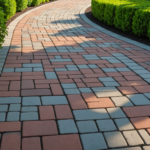
When embarking on the task of constructing or renovating your driveway, selecting durable materials is a key investment that can significantly affect its longevity and aesthetic appeal. Homeowners often underestimate the value of investing in high-quality materials, only to find themselves dealing with costly repairs or replacements down the line. By choosing materials that are resistant to weather conditions and daily wear, you set the foundation for a driveway that can withstand the test of time.
Consider cost, resilience, maintenance, and appearance when selecting materials. Common options include concrete, asphalt, pavers, and gravel. Each material has unique advantages and drawbacks, which should be weighed carefully.
| Material | Durability | Maintenance | Cost | Appearance |
| Concrete | High | Moderate | High | Smooth and customizable |
| Asphalt | Moderate-High | Moderate | Moderate | Traditional blacktop look |
| Pavers | High | Low | High | Variety of styles |
| Gravel | Low-Moderate | High | Low | Rustic |
Concrete, for instance, boasts high durability and a clean appearance, perfect for homeowners who appreciate a polished look. However, it requires a substantial upfront investment. Asphalt offers a more affordable alternative with considerable resilience but will need periodic sealing to maintain its protective qualities. Pavers score high on visual appeal and durability, but they come with a significant cost and demand precision during installation to ensure longevity. Lastly, gravel represents a budget-friendly choice; while it offers a charmingly rustic aesthetic, it may require regular replenishment and raking to keep it even.
In addition to the properties of the materials themselves, consider the surrounding environmental conditions. Materials that adapt well to your local climate are far more likely to retain their quality over time. Harsh winters with heavy snowfall demand materials that can withstand freezing temperatures and provide adequate traction, while homes in rainy regions need driveways that can efficiently drain and repel water.
Ultimately, choosing durable materials for your driveway is more than an upgrade—it’s a calculated effort to protect one of your home’s critical features. This discerning choice safeguards against premature wear, increases the property’s value, and ensures that the driveway serves its function effectively and efficiently for years to come. It’s akin to picking quality windows for your home; both are strategic investments that enhance and protect your living space.
seal your driveway regularly
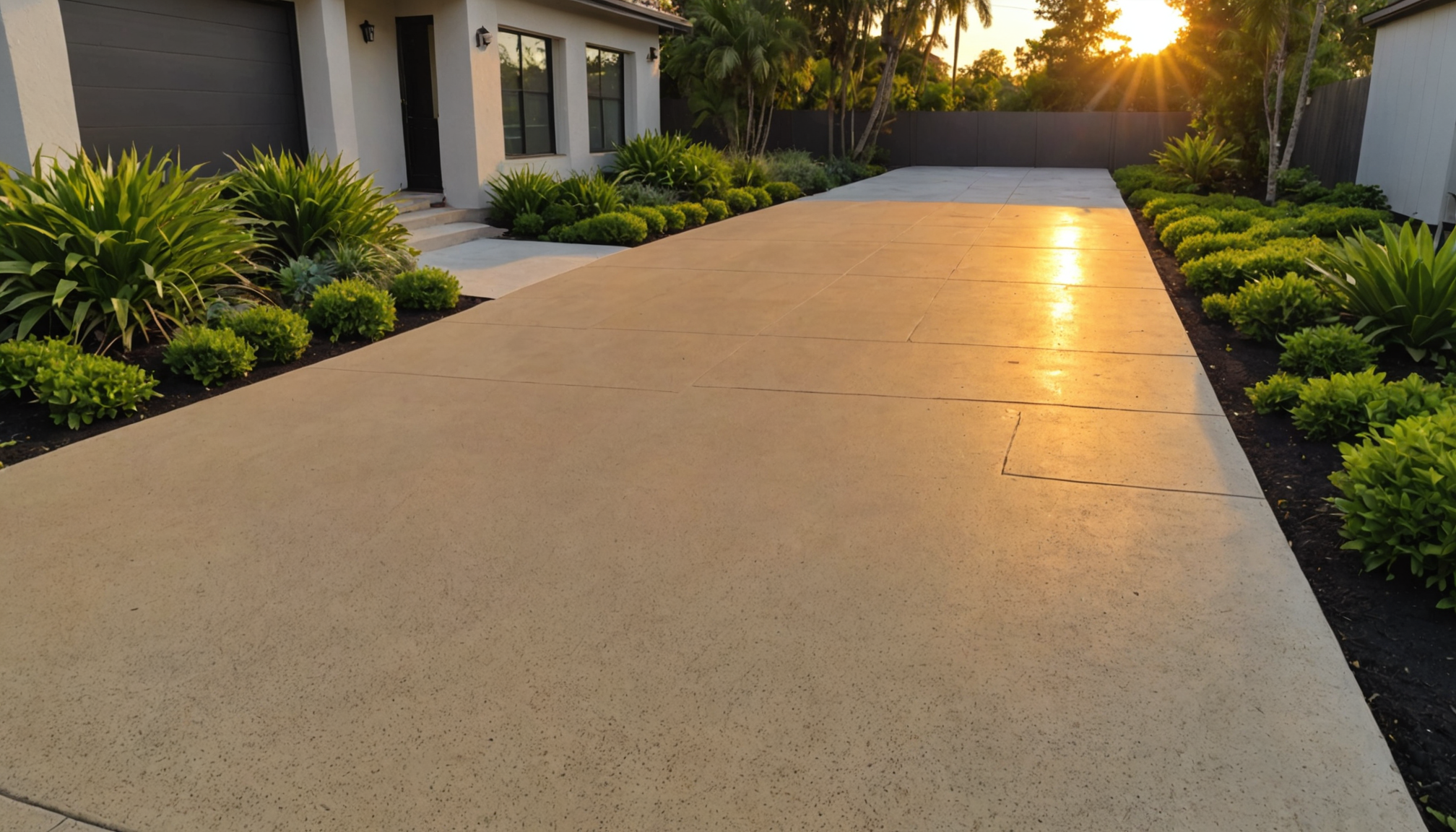 To maintain the integrity and appearance of your driveway, regular sealing is an indispensable practice. Sealing helps protect the surface from the elements, enhances its aesthetic appeal, and extends its lifespan. This proactive maintenance task is particularly vital for materials like asphalt, which benefit immensely from an additional layer of protection. Here’s a step-by-step guide on how to effectively seal your driveway:
- Choose the Right Sealant: The first and most crucial step is selecting a suitable sealant compatible with your driveway material. Asphalt driveways require specific sealants designed to provide flexibility and weather resistance. For concrete, choose sealers that offer stain resistance and prevent moisture penetration. Consult with a local supplier or professional to ensure you pick the best product for your needs.
- Prepare the Surface: Before applying any sealant, the driveway must be thoroughly cleaned. Remove all debris, dust, and dirt using a broom or high-powered leaf blower. For stubborn stains, use a pressure washer and a mild detergent to ensure the surface is pristine. Any oil or chemical spills should be treated with appropriate cleaners to avoid interfering with the sealing process.
- Repair Cracks and Holes: Examine the entire driveway for any visible cracks or holes. Small cracks can be filled with crack filler, available from any hardware store. Follow the instructions on the product for best results, ensuring that any repairs are flush with the driveway’s surface. This step is critical as it prevents weed growth and further damage.
- Apply the Sealant: Once the surface is dry and prepared, apply the sealant using a roller or squeegee for an even coat. Begin at one end of the driveway and work systematically to avoid stepping on wet sealant. Ensure an even application, focusing on creating a smooth, continuous film across the entire surface. Apply a second coat if recommended by the sealant manufacturer, allowing adequate drying time between applications.
- Allow to Cure: After application, it’s essential to let the driveway cure for at least 24 to 48 hours, depending on weather conditions and the sealant used. During this time, restrict access to the driveway to avoid any tire marks or footprints marring the surface.
Regular sealing acts as an armor, defending your driveway against harmful UV rays, water damage, and daily wear and tear. It’s a smart investment that protects and enhances your property, much like choosing the right windows to shield your home from the elements. By committing to this simple maintenance routine, homeowners can enjoy a driveway that remains functional and attractive throughout the years.
prevent cracks with proper drainage
To effectively protect your driveway from cracks, attention to proper drainage cannot be overstated. Water is one of the most insidious enemies of any surface structure, especially driveways. Without adequate drainage, water can seep into the base layers of your driveway, freeze during colder months, and lead to expansion that results in significant cracking or even disintegration over time. Therefore, ensuring efficient drainage not only helps maintain the integrity of the driveway but also represents a prudent investment akin to installing quality windows in a home to prevent water damage.
First, assess the gradient and slope of your driveway. A properly graded driveway will naturally direct water away from its surface, preventing pooling or puddling that can weaken structural foundations. Ideally, a driveway should have a slight slope, generally about a 1% to 2% incline, to guide water towards the street, a nearby drain, or a grassy area where it can be absorbed without causing harm.
Installing effective drainage systems can accentuate this natural flow. Consider adding trench drains or French drains at strategic locations to channel water away from your driveway. These systems function as hidden allies that capture runoff and redirect it safely away, minimizing the risk of water infiltrating the surface. Trench drains, positioned across the driveway, collect water quickly during heavy rains, while French drains, installed parallel alongside it, efficiently handle moderate water flow.
Moreover, cleaning your drainage systems regularly ensures they function optimally. Over time, leaves, dirt, and debris may clog these systems, undermining their ability to transport water away. Regular maintenance, such as removing blockages and checking for signs of corrosion or damage, sustains their efficacy. Think of this process much like keeping gutters free of debris to prevent overflow and water damage to your home’s foundation.
In addition to drainage, consider the surrounding landscaping. Planting grass or installing gravel or mulch around the driveway can absorb excess water, keeping it from encroaching on the asphalt or concrete surface. These additions not only contribute to the attractiveness of the property but also act as a buffer zone to keep water at bay, much like how robust wall insulation and efficient windows keep moisture out of your home interior.
Embracing these drainage solutions transforms how a driveway withstands the test of time. By preventing cracks with intelligent water management, homeowners safeguard their investment, ensuring the driveway remains a lasting feature of their home. Proper drainage is more than a maintenance tip; it’s a straightforward yet powerful strategy to extend the lifespan and sustain the beauty of your driveway, protecting one of your home’s most used surfaces.
protect against stains and chemicals
Protecting your driveway from stains and chemicals requires a proactive approach, ensuring that this crucial part of your home remains pristine and extends its longevity. Stains from automotive fluids or household chemicals can be unsightly and, more importantly, they can degrade the materials used in your driveway over time. Just as selecting quality windows is an investment in energy efficiency and aesthetics for your home, taking steps to safeguard your driveway can protect this essential feature from long-term damage and costly repairs.
To begin with, be vigilant about cleaning spills promptly. Oil leaks from cars, for instance, can penetrate the surface and leave permanent marks if not addressed quickly. The key is to act swiftly — blot up any excess liquid using absorbent materials like cat litter or baking soda, which can soak up the oil. Once absorbed, sweep away the material and apply a degreaser or detergent specifically designed for driveway surfaces. This same practice can be applied to other potential staining agents like paint or lawn chemicals.
Moreover, implementing the use of protective barriers is an effective method to prevent contact between harmful substances and your driveway. Consider placing drip pans or absorbent pads beneath vehicles, especially if they tend to leak. Similarly, when handling chemicals or gardening materials, utilize protective tarps or mats. This simple precaution helps shield the surface from unexpected spills, similar to the insulation provided by a robust window protecting the interior of a home from external conditions.
Reinforcing your driveway with a stain-resistant sealer is another prudent investment that can pay off in the long run. These sealers create a barrier that resists penetration from oils, chemicals, and other staining substances, much like a waterproof seal on a home’s windows prevents water ingress. When applying a stain-resistant sealer, ensure that the driveway is clean and dry for maximum effectiveness, and reapply as recommended to maintain its efficacy.
Educating yourself on environmental considerations can also be beneficial. If you live in an area prone to frequent rain or humidity, be mindful of how these conditions can affect chemical interactions on your driveway. Choosing plant and lawn care products carefully, opting for less toxic or biodegradable options, can reduce the risk of runoff causing damage.
Lastly, establish a regular maintenance routine that includes sweeping away debris, checking for signs of wear, and addressing these issues promptly. Consistent upkeep not only preserves the driveway’s appearance but also prevents minor stains or chemical attacks from escalating into significant problems. Regular inspection and care act as both an immediate protective measure and as a valuable homeowner tip that ensures the driveway remains a stable and attractive part of the property.
By taking informed and active steps to protect your driveway from stains and chemicals, you extend its functionality and aesthetic appeal, proving that safeguarding this asset is not merely a chore but a wise investment. Much like installing high-quality windows, a well-maintained driveway enhances your home’s value and curb appeal, ensuring that it serves you well for years to come.
manage weather-related damage
Weather can be one of the most challenging factors when it comes to maintaining the condition of your driveway. Whether it’s the scorching heat of summer, the freezing cold of winter, or the incessant rainfalls in between, each season can pose unique challenges. Taking proactive steps to manage damage caused by the weather not only preserves the look and function of your driveway but also protects the investment you’ve made in your home.
In regions experiencing severe winters, the freeze-thaw cycle can wreak havoc on driveways. Water seepage followed by freezing temperatures leads to expansion, which causes cracking and fracturing of the surface. One practical solution is to ensure that your driveway material is suited for your climate conditions. Materials like asphalt are better equipped to handle freezing climates than others. Additionally, clear your driveway of snow and ice promptly using plastic shovels or a snow blower to prevent deterioration from salt, which can corrode the driveway’s surface. Consider using a more gentle alternative to salt, such as sand, to provide traction without chemical abrasion.
Conversely, in areas where the sun frequently shines with intense heat, UV exposure can cause your driveway to fade and become brittle. Applying a high-quality sealant that offers UV protection is key to preventing damage. This layer acts much like protective windows that shield the interior of your home from harmful sun rays, maintaining both the structural integrity and appearance of your driveway over time. Reapplying this protective seal on a routine schedule will bolster its effectiveness and prolong the lifespan of your driveway.
Excessive rainfall can also be a concern, as water can infiltrate cracks and degrade the substrate. Heavy rains coupled with poor drainage can lead to pooling, resulting in significant wear and surface breakdown. Installing proper drainage systems and ensuring your driveway is correctly graded will safeguard against these effects by efficiently directing water away. Additionally, regularly inspecting your driveway for early signs of wear during rainy seasons means you can address potential issues before they escalate.
Finally, mindful landscaping surrounding the driveway can redirect water and provide shade which helps moderate temperature extremes impacting the surface. Well-placed trees and shrubs not only frame the driveway beautifully but also offer seasonal protection by buffering environmental stressors much like how strategic house design with windows can influence internal climate control.
Weatherproofing your driveway is an indispensable part of home maintenance. By implementing these measures, you are actively protecting one of your property’s most visible and frequently used components. A well-maintained driveway not only enhances curb appeal but also preserves its function, serving as a testament to effective and thoughtful homeownership.