To truly refresh your garden and infuse it with renewed vitality, selecting vibrant plants is an essential step. The choice of plants sets the tone and atmosphere of your garden, transforming it from a mere outdoor space into a lively, colorful sanctuary that reflects both personal style and current trends. Integrating vibrant plants not only enhances visual appeal but also promotes a healthy ecosystem that invites beneficial insects and wildlife.
Begin by assessing the current layout and conditions of your garden. Consider factors such as sunlight exposure, soil type, and existing plant life. This assessment will guide you in selecting plants that will thrive in your garden’s environment, ensuring longevity and visual impact. The ideal selection of vibrant plants should harmonize with both modern and traditional gardening aesthetics while providing year-round color and interest.
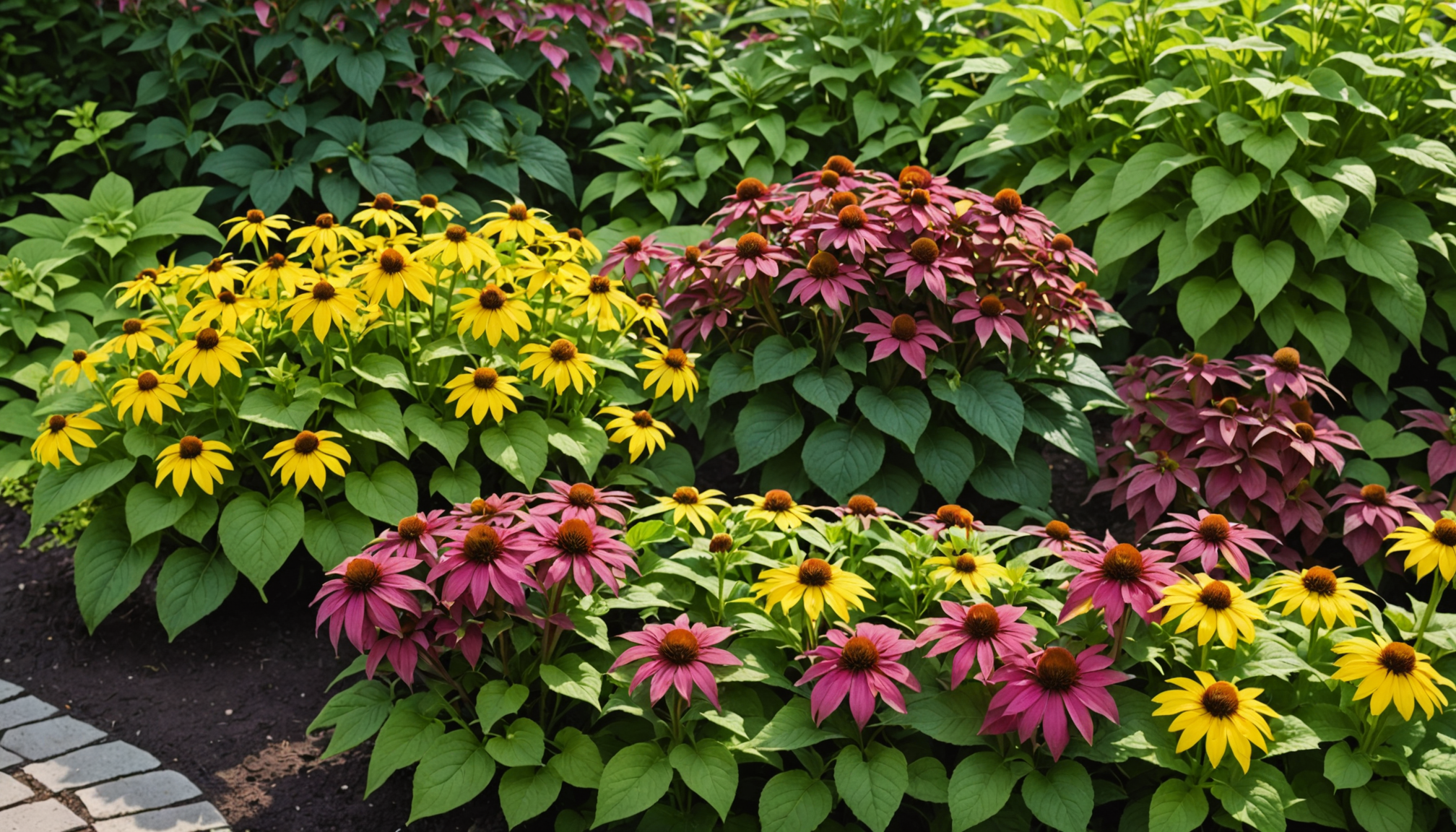
- Select Diverse Blooms: Opt for a diverse array of flowers and foliage to add layers of color and texture. Bright perennials such as coneflowers and daylilies provide continuous blooms through the growing season, while annuals like petunias and marigolds offer bursts of color to fill in gaps.
- Explore Foliage Variations: Don’t overlook the power of foliage to add vibrancy. Foliage plants like coleus, hostas, and heucheras can offer stunning variegated leaves that act as focal points even after flowers fade.
- Consider Seasonal Appeal: Incorporate plants that shine during different seasons. Bulbs such as tulips and daffodils start the spring show, while summer boasts an array of options, and autumn can provide bold hues with asters and chrysanthemums.
When selecting vibrant plants, consider sustainable options that are native or adapted to your region. These plants typically require less water and maintenance, aligning with eco-friendly gardening practices that are increasingly prioritized in modern trends.
To help you choose the right plants suitable for your garden, consider the following comparison of plant characteristics:
| Plant Type | Sunlight Requirement | Water Needs | Popular Varieties |
| Perennials | Partial to Full Sun | Moderate | Daylilies, Coneflowers, Black-eyed Susans |
| Annuals | Full Sun | High | Marigolds, Petunias, Zinnias |
| Foliage Plants | Shade to Partial Sun | Low to Moderate | Coleus, Hostas, Heucheras |
When positioned strategically within your garden, vibrant plants can dramatically enhance the visual aesthetics, creating a refreshing oasis right outside your garage or home. By embracing a variety of plants and their complementary roles, you establish not only a beautiful garden but also a thriving one that supports biodiversity and aligns with ecological gardening trends. Recognize the transformative power of plants and commit to a thoughtful selection, ensuring that your garden remains a lively and diverse space year-round.
update garden accessories
 Refreshing your garden doesn’t stop at just introducing vibrant plants; updating your garden accessories is equally crucial. Accessories can provide character, functionality, and the much-needed personal touch to make your garden a unique retreat. Incorporating modern and stylish garden accessories can elevate your outdoor space, reflecting contemporary trends while also enhancing its usability.
To ensure you make the most of your garden accessories, consider the following steps:
1. Assess Current Accessories:
– Begin by taking inventory of existing garden accessories. Identify which items might need replacing due to wear and tear or appear outdated.
– Evaluate how these accessories currently function and interact with your garden layout. Are they achieving their purpose, whether decorative or practical?
2. Choose Accessories That Complement Your Style:
– Decide on a theme or style that aligns with your personal preferences and complements the plants and overall vibe of your garden.
– For a modern look, consider sleek designs in neutral colors like black, white, or metallics. For a more rustic or bohemian feel, opt for earthen tones and natural materials such as wood or stone.
3. Prioritize Functionality:
– Opt for accessories that offer more than just aesthetics. This might include multifunctional furniture, planters with integrated storage, or decorative lighting that also serves as a security feature.
– Consider seating options like benches or swing chairs that provide comfort while blending seamlessly into the surroundings.
4. Incorporate Water-Conserving Accessories:
– In keeping with eco-friendly trends, introduce water-saving solutions such as rain barrels or drip irrigation systems disguised with charming covers or decorative elements.
– Reflect water-wise practices by choosing stylish watering cans or hose pots that enhance the garden’s functionality and appearance.
5. Revamp Paths and Borders:
– Update garden pathways with modern, visually appealing materials like stepping stones, gravel, or pavers that lead the eye naturally through the space.
– Add edging to borders using complementary materials to provide a clean, defined look, enhancing the overall structure and flow of your garden.
6. Decorate with Seasonal and Portable Elements:
– Use movable accessories like decorative pots or lanterns that can be adjusted with changing seasons, ensuring your garden always feels fresh and lively.
– Introduce seasonal themed items that can effortlessly lift the garden ambiance, whether it’s cozy blankets for outdoor lounging in fall or bright cushions during the summer.
7. Enhance Artistic Appeal with Sculptures and Art:
– Introduce artistic elements like sculptures, birdbaths, or wall art that can serve as focal points, drawing attention and sparking conversation.
– Consider choosing pieces that weather beautifully over time, adding charm and character with each passing season.
By thoughtfully updating your garden accessories, you can not only revitalize the space but also enhance its functionality and comfort. This approach ensures your garden remains a stylish and inviting area, harmonizing modern design trends with the serene beauty of nature.
incorporate water features
Adding a water feature to your garden can transform it into a tranquil oasis, offering both aesthetic beauty and the soothing sounds of nature. Imagine the gentle trickling of water creating a serene backdrop to your outdoor haven, inviting you to linger a little longer. Water features, whether elaborate or minimalistic, can suit any garden size or style, making them an adaptable addition that enhances visual appeal and uplifts the atmosphere.
Start by considering which type of water feature best suits your garden: fountains, ponds, waterfalls, or bubbling birdbaths. Each option brings its own unique charm and benefits. A fountain, for instance, can act as a striking focal point, drawing the eye and creating a vibrant centerpiece around which flora can flourish. On the other hand, a pond can support aquatic plants and attract wildlife, fostering a biodiverse ecosystem right in your backyard.
The aesthetic versatility of water features cannot be overstated. For a modern touch, opt for sleek, geometric designs that use materials like stainless steel or stone, mirroring contemporary architectural trends. To achieve a more naturalistic look, incorporate stones, pebbles, or driftwood, allowing the feature to blend harmoniously with your existing landscape. Whatever style you choose, the water’s reflective surface will amplify the lush greenery and vibrant blooms surrounding it, providing a refreshing perspective that changes with the day’s light.
Not to be overlooked are the practical benefits of introducing water elements to your garden. They not only enhance air humidity but also help to balance microclimates within the area. This can be particularly advantageous during dry seasons, as increased humidity aids in the hydration of nearby plants and mitigates the heat absorbed by surrounding hardscapes. Furthermore, water features serve to mask ambient noise, offering a peaceful refuge from the hustle and bustle of modern urban life.
Incorporating a water feature aligns with sustainable gardening practices, too. Implement solar-powered pumps and filtration systems, which reduce electricity consumption and lower maintenance efforts, ensuring your water feature operates efficiently. Additionally, by encouraging wildlife like birds and beneficial insects, water features contribute to a thriving, balanced ecosystem that enhances your garden’s natural beauty.
By thoughtfully embedding a water feature in your garden, you create a dynamic landscape that speaks to both timeless elegance and current environmental trends. Such features not only invigorate your outdoor sanctuary with movement and sound but also evolve your garden into a personal retreat, where the simple pleasure of water flowing through nature encourages relaxation and contemplation.
enhance garden lighting
An often overlooked yet transformative way to improve your garden is by reimagining your outdoor lighting. The manner in which you illuminate your garden can significantly impact its ambiance, making it not only a sight to behold but also a functional space during the evening hours. Effective garden lighting can accentuate features, add depth, and enhance the overall mood, allowing your outdoor area to be as inviting after dusk as it is during daylight.
Begin by evaluating your garden layout and identifying key features you wish to highlight, such as striking plants, sculptures, pathways, or water features. By strategically placing lights, you can create focal points that draw attention to these elements. For instance, installing spotlights at the base of a tree or against a wall of vibrant plants can cast dramatic shadows and add an element of intrigue and elegance.
Consider integrating solar-powered lights, which align with modern eco-friendly trends. Solar lighting solutions are not only sustainable but also cost-effective, as they harness the sun’s energy during the day to illuminate your garden at night. They come in various styles, from classic lanterns to sleek, modern designs, allowing you to refresh your garden’s aesthetic without significant installation efforts or ongoing energy costs.
Pathway lighting is another important aspect to consider. By illuminating walkways, you ensure safety and guide visitors through your garden after dark. Low-level lights along pathways can create a gentle glow, enhancing both visibility and the garden’s overall ambiance. Use LED lights for their energy efficiency and longevity, and select designs that complement your garden’s style—be it contemporary or more traditional.
Incorporating decorative lighting, such as fairy lights or lanterns, provides a whimsical and welcoming atmosphere. Drape string lights through trees or along structures such as pergolas to cast a warm, inviting glow that softens the environment. Lanterns positioned strategically on patios or near seating areas can create cozy nooks where you and your guests can relax in comfort.
To maximize impact and creativity, play with different lighting colors and intensities. Adding colored lights can transform your garden into a vibrant space, echoing the hues of your most cherished blooms. Adjustable lighting systems offer versatility, letting you modulate brightness to suit different occasions—whether it’s a lively garden party or a tranquil evening alone.
Remember, enhancing garden lighting is about blending functionality with style. The goal is to create a seamless transition from day to night, ensuring that your garden remains a place of enjoyment and serenity regardless of the hour. As you update your lighting scheme, you not only refresh the appearance of your garden but also embrace the modern trend of creating outdoor spaces that are functional, stylish, and environmentally conscious.
improve soil quality
To maintain a flourishing garden, the health of your soil is a critical concern. Healthy soil provides the foundation for vibrant plant growth and a robust garden ecosystem. Improving soil quality can lead to more successful plantings, enhanced biodiversity, and a far more satisfying gardening experience.
Begin by testing your soil to determine its current state, including pH levels and nutrient content. This baseline information will guide you in making the necessary amendments. A soil test can be easily obtained through an extension service or using a DIY kit. Understanding the soil’s composition helps tailor your interventions for maximum impact.
One of the most effective ways to improve soil quality is through the incorporation of organic matter, which enriches and refreshes the soil structure. This can be achieved by adding compost, which increases nutrient content and enhances soil aeration and water retention capabilities. Homemade compost, composed of organic waste like vegetable scraps and garden clippings, is an economical and sustainable way to contribute to soil health. Moreover, incorporating well-rotted manure or peat moss can also boost soil fertility and improve its texture.
Consider practicing crop rotation if you grow vegetables. Rotating crops helps prevent soil nutrient depletion and reduces the likelihood of diseases and pest infestations. Different plants have varied nutrient requirements, so regularly changing planting locations ensures that no single nutrient is overly exhausted, promoting healthier soil over time.
Introducing cover crops, such as clover or vetch, during the off-season can further enhance soil quality. These green manures fix nitrogen, a vital plant nutrient, and provide organic material once tilled back into the soil. This simple yet effective step aligns well with modern trends in sustainable gardening, emphasizing eco-friendly practices that contribute to the garden’s overall health.
Additionally, mulching is a valuable technique for maintaining soil health. A layer of organic mulch, like straw or bark chips, conserves moisture, suppresses weeds, and regulates soil temperature, creating an ideal environment for root development. As it breaks down, it also adds organic matter to the soil, contributing to its vitality.
Continuous learning and monitoring are key to maintaining a vibrant and productive garden. By engaging with the latest techniques and trends in soil management, your garden can thrive year after year. Embrace a mindset of curiosity and adaptability, allowing your garden to evolve gracefully under your attentive care.
In conclusion, refreshing your garden with vibrant plants, updated accessories, thoughtfully placed water features, enhanced lighting, and improved soil quality can transform your outdoor space into a modern sanctuary. Each step aligns with contemporary trends, focusing on sustainability, efficiency, and aesthetics. By embarking on this garden refresh, you not only create a haven of beauty and tranquility but also embrace a lifestyle of nurturing both nature and personal well-being.