Before embarking on any deck repair project, it’s crucial to conduct a thorough inspection for damage. This preliminary step sets the foundation for a safe, long-lasting deck and can protect your family from potential hazards. Start by examining the surface of the deck for visible signs of wear and tear, including cracks, splits, or loose boards, which may have occurred over time due to exposure to various weather conditions. Look for areas where water tends to accumulate, as these spots are prone to damage and might harbor mold or mildew.
Move on to inspecting hidden sections, such as the underside of the deck and any joints or connections. Pay particular attention to signs of wood rot or insect infestations, especially termites, which can compromise the deck’s structural integrity. Additionally, verify the condition of all fasteners, including screws and nails; loose or corroded fasteners can lead to instability.
To facilitate a systematic inspection, utilize this comparative table to identify specific areas of concern when inspecting your deck:
| Inspection Area | Signs of Damage |
| Deck Boards | Cracks, Splinters, Loose Boards |
| Supporting Joists | Wood Rot, Termite Damage |
| Fasteners | Rust, Looseness |
| Railing | Wobbles, Broken Connections |
| Staircase | Worn Steps, Loose Railings |
Throughout this meticulous process, remember that prioritizing eco-friendly repair methods often starts with proper maintenance and addressing damage early. Regular inspections not only enhance safety but also preserve the quality of your outdoor space. If you feel uncomfortable performing this assessment yourself or suspect roofing damage related to nearby structures is impacting your deck, consider enlisting a professional for a comprehensive evaluation. By identifying problems early, you can implement cost-effective solutions that extend the lifespan of your deck, allowing for enjoyable gatherings and family time in a secure environment.
clean the surface
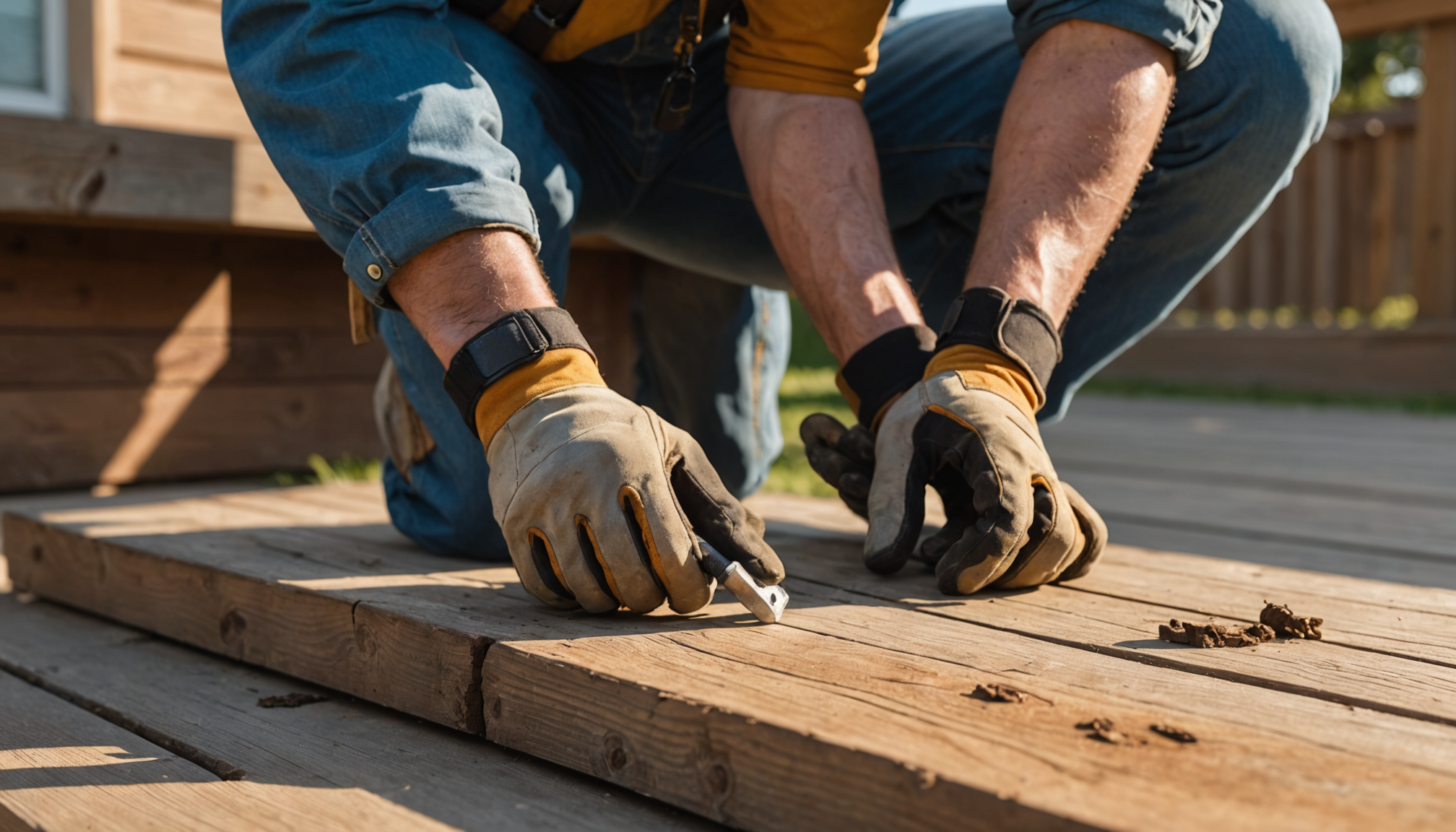 After completing a thorough inspection for damage, the next step in maintaining a robust and visually appealing deck is to clean the surface. This process not only revitalizes the appearance of your deck but also paves the way for any necessary repairs. Cleaning is an essential part of deck maintenance, as accumulated dirt and debris can conceal damage or further deteriorate materials if left unaddressed.
To effectively clean your deck, follow these steps:
- Gather Your Supplies: To begin, ensure you have all necessary cleaning materials. You’ll need a sturdy broom or leaf blower, a stiff-bristled scrub brush, a bucket, eco-friendly deck cleaner or mild soap, and a garden hose with a spray attachment. Choose a non-toxic cleaner to prevent harming nearby plants or contaminating runoff water.
- Clear the Area: Remove all furniture, planters, grills, and other items from the deck. This helps to access every corner of the surface, ensuring a comprehensive clean. Clearing the area also reduces the risk of dirt or debris being redeposited onto a freshly cleaned surface.
- Sweep Away Loose Debris: Use the broom or leaf blower to remove leaves, twigs, and other loose debris. Pay special attention to spaces between the boards and in corners where debris tends to accumulate. This initial step prevents these materials from interfering with the cleaning solution’s effectiveness.
- Prepare the Cleaning Solution: Mix the eco-friendly deck cleaner or mild soap with water in a bucket according to the manufacturer’s instructions. Opting for eco-friendly options is a proactive approach to minimize environmental impact, particularly beneficial for decks situated near gardens or open water.
- Scrub the Deck Surface: Dip the scrub brush into the cleaning solution and apply it to the deck surface in sections. Work along the grain of the wood to preserve its natural appearance and avoid splintering. Apply moderate pressure to tackle any stubborn stains, and make sure to reach into corners and along the railing.
- Rinse Thoroughly: Once you’ve scrubbed the entire surface, use the garden hose with a spray attachment to rinse away the cleaning solution. Start from one end and work your way to the other, allowing gravity to aid in carrying away the dirty water. Ensure no soap residue remains, as it can attract dirt or leave the wood susceptible to mold.
- Allow to Dry Completely: Let the deck air dry completely before replacing any furniture or proceeding to any repair tasks. This drying period is crucial, as applying any treatments or conducting repairs on a damp surface can be ineffective and may even cause further damage.
By following these steps, you not only maintain the visual appeal of your deck but also contribute to its longevity. A clean surface allows for a clear inspection of any remaining issues, streamlining the next phase of repairs and reinforcing the structural elements. Regular cleaning sessions, performed seasonally or when you notice buildup, help ensure your deck remains a safe and inviting space for family gatherings and relaxation throughout the year.
repair or replace boards
Once your deck is clean and any potential issues are visible, the next focus should be on addressing damaged boards, which are often central to maintaining a safe and functional outdoor space. Repairing or replacing these boards is crucial, as neglect can lead to further structural problems and safety hazards.
Start by assessing which boards require attention. If a board is cracked, warped, or soft to the touch, it’s likely compromised and needs intervention. For smaller damages like minor cracks and splinters, consider repairing rather than replacing. Use epoxy wood filler or wood putty to fill in gaps and cracks, giving the board a smoother surface. This method extends the life of slightly damaged boards and is an eco-friendly approach, minimizing waste by avoiding unnecessary replacements.
In cases where the damage is severe, such as when a board is thoroughly rotting or extensively warped, replacement is the best option. Choose new boards that match your current decking in material and style to ensure a seamless look. When removing damaged boards, ensure you extract all associated fasteners to ensure the new board sits properly and securely.
Careful installation of new boards is imperative. Secure the board using stainless steel screws or nails, which resist rust and corrosion even in harsh weather conditions. This not only fortifies the deck’s structure but also adds to its longevity, preventing the need for frequent repairs. For decks exposed to substantial sun or water, consider treated lumber or composite materials, which offer greater resistance to the elements and require less maintenance over time.
Throughout the repair or replacement process, maintaining the board’s positioning and alignment is important. Uneven boards can present tripping hazards and affect the overall aesthetics of your deck. Use a level to ensure your newly installed boards are flush with the rest of the deck, providing a safe, flat surface ideal for family gatherings and activities.
Taking these steps ensures your deck remains a sturdy, safe haven for outdoor enjoyment. By promptly addressing board issues, you not only improve the deck’s safety and functionality but also preserve its visual appeal, adding value and allure to your home environment. This proactive approach to deck maintenance highlights the importance of addressing issues at the first sign of trouble, preventing them from escalating into more significant, costly repairs.
reinforce structural elements
After you’ve taken care of any individual board issues, it’s time to ensure the overall strength and stability of your deck by reinforcing its structural elements. This is a critical step in maintenance, particularly for older decks that have experienced significant wear and might be bearing the scars of time. Safeguarding the integrity of your deck not only prolongs its lifespan but also ensures that it remains a safe environment for family gatherings and other activities.
Start by inspecting the joists and beams, which are essential components that bear the weight of the deck. Look for signs of sagging or bending, as these can indicate that the wood is weakening. Pay attention to any creaking sounds, which might denote stress points that need attention. If you identify any compromised areas, reinforcing them is crucial. Adding additional support beams or sistering, a process where new, stronger joists are attached alongside the existing ones, can be an effective way to bolster structure strength.
Fasteners play a crucial role in keeping your deck securely in place, so ensure they are not rusty or loose. If they are showing signs of rust or have lost their grip, replacing them with stainless steel alternatives is wise. These are resistant to the elements, providing long-term reliability even under adverse weather conditions. As you change fasteners, also consider using brackets and ties for added reinforcement. These elements offer extra support and can improve the overall sturdiness of the deck.
Moreover, consider installing diagonal bracing for additional stability, especially if your deck is elevated. This method is particularly beneficial in regions prone to heavy winds or seismic activity, as it helps distribute stress more evenly across the structure, reducing the risk of damage.
For decks where large sections have deteriorated, you might need to replace those parts entirely with more durable materials. Eco-friendly composite materials can be a smart choice, offering the look of wood while resisting rot, insects, and the harsh impacts of weather. They require less maintenance over time, making them a practical, sustainable option for long-term use.
Regular maintenance routines, such as checking posts for stability and inspecting ledger boards for secure attachment to the house, are also critical. Ledger boards that have come loose can result in catastrophic deck failures, so ensure these are securely bolted and free from decay. If you have access to professional services, an assessment from a contractor can provide peace of mind that your deck is safely and professionally maintained.
By focusing on strengthening your deck’s structural elements, you effectively extend its usability, allowing for worry-free enjoyment. A well-prepared deck can confidently withstand the whims of nature and continue to be a cherished space for family events, parties, or just a quiet evening under the stars. Robust reinforcements today can prevent the need for more extensive repairs or replacements tomorrow, preserving both your peace of mind and your investment.
seal and protect
Once all necessary repairs and reinforcements have been made, the final crucial step in your deck maintenance routine involves sealing and protecting the wood. This process is essential not only for preserving the deck’s aesthetic appeal but also for safeguarding it against environmental elements that can lead to further damage over time. A properly sealed deck can withstand the harsh effects of sun, rain, and fluctuating temperatures, thus extending its lifespan and maintaining its structural integrity.
Begin by selecting a high-quality sealant that suits your deck’s material and local climate conditions. UV-resistant sealants are particularly beneficial for decks exposed to direct sunlight, as they minimize the risk of fading and warping. If your deck is primarily shaded or located in a humid area, consider using a moisture-repelling sealant that prevents water ingress, reducing the chance of rot and mold growth.
Before applying the sealant, ensure that the deck surface is thoroughly dry. Any residual moisture can interfere with the sealing process, preventing the sealant from bonding effectively to the wood. It’s also advisable to check the weather forecast: pick a day when no rain is expected for at least 24-48 hours post-application, allowing ample time for the sealant to cure.
Application can be done using a brush, roller, or sprayer, depending on your preference and the size of your deck. Work in small sections, applying the sealant evenly to avoid overlaps and ensure uniform coverage. Pay particular attention to the end grains of the boards, as these are especially susceptible to absorbing moisture. For maximum protection, apply at least two coats, allowing each to dry thoroughly before the next is applied.
If your deck has features like railings or stairs, incorporate them into your sealing routine. Often overlooked, these elements play a crucial role in the safety and functionality of your outdoor space and deserve the same level of protection as the main deck boards.
Using eco-friendly sealants can also be a wise choice, especially if your deck is situated near a garden or water source. These products help minimize environmental impact while still providing robust protection, aligning with sustainable practices.
To maintain your deck’s beauty and durability, plan on resealing it every one to two years, depending on wear and exposure to elements. Regular resealing not only protects your investment but also ensures the deck remains a perfect setting for family gatherings and outdoor adventures. This proactive approach to deck care underscores the importance of ongoing maintenance, allowing for years of enjoyment and functionality without the worry of major overhauls or unexpected repairs.
In conclusion, repairing and maintaining your deck involves a comprehensive approach that starts with inspecting for damage and ends with sealing and protection. Each step plays a vital role in ensuring safety, enhancing appearance, and prolonging the life of your outdoor space. Whether you’re hosting family gatherings or enjoying a quiet moment alone, a well-maintained deck adds value and enjoyment to your home, reinforcing the importance of regular upkeep and timely repairs. By following these guidelines, you create a reliable and inviting environment for all your outdoor activities.