Before embarking on your journey to decorate your basement, a thorough evaluation of the space is paramount. This assessment will not only guide your design choices but also ensure safety and functionality. Begin by meticulously measuring the basement dimensions. Accurate measurements are essential as they will influence furniture selection, layout configurations, and lighting solutions. Keep in mind any architectural features or obstructions like support beams, low ceilings, or exposed ductwork that may affect your design plans.
Next, consider the insulation and moisture levels of your basement. Because basements are partially or fully below ground level, they can be prone to dampness and temperature fluctuations. Inspect the space for signs of moisture issues such as water stains or mold. Address any concerns by installing a dehumidifier or improving ventilation, which will create a healthier environment and protect your decor investments.
Examine the utility infrastructure, including plumbing, electrical, and heating systems. Ensure there’s adequate electrical wiring for future lighting and appliance needs. If necessary, consult a professional to upgrade the wiring or heating systems, which can significantly influence the comfort and usability of your finished space. Pay attention to fire safety by checking that smoke detectors are installed and functioning correctly, and ensure there’s an accessible and clearly marked escape route in case of emergencies.
The uses you envision for your basement will determine how you proceed with the design. Are you transforming it into a family entertainment center, a dedicated home office, or an eco-friendly relaxation space? Each option may present unique layout and design requirements. For instance, home theaters necessitate specific audio-visual equipment placement, whereas an office might prioritize ergonomic furniture and optimal lighting solutions.
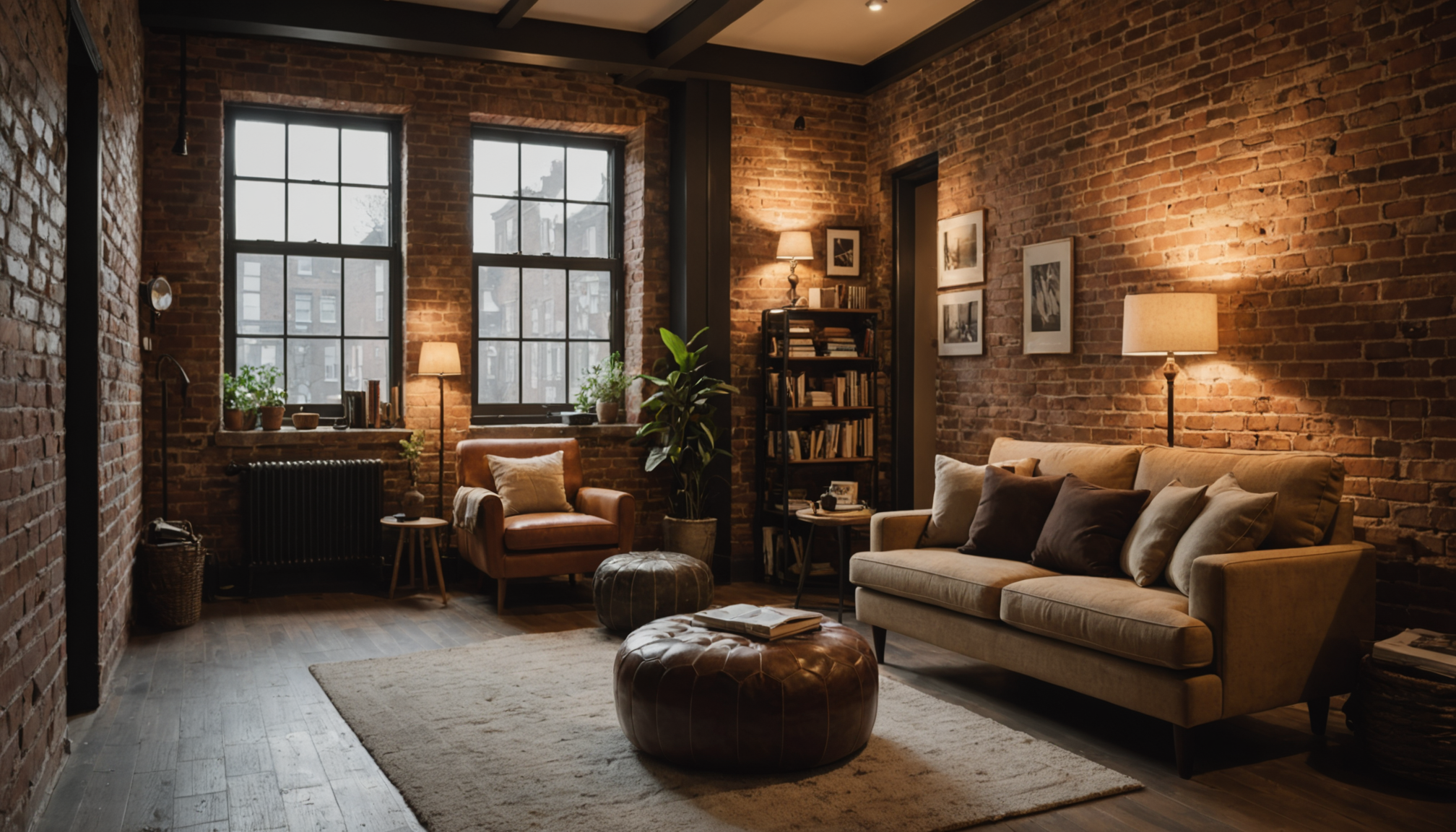
Engage with any structural elements that could be turned into design assets. Exposed brick or concrete walls can be utilized to enhance an industrial aesthetic or can be concealed if they don’t fit your desired style. Open spaces foster versatility, allowing creative arrangement possibilities either for a single purpose or multi-functional areas.
| Aspect | Potential Solutions |
| Moisture Control | Dehumidifiers, waterproofing paint |
| Lighting Challenges | LED fixtures, task lighting |
| Space Utilization | Open layouts, modular furniture |
| Temperature Regulation | Insulation, programmable thermostats |
As you evaluate your basement space, remain open to reimagining its potential. A garage-like storage area could be converted into a cozy reading nook, or a redundant corner might serve as a mini gym. The goal is to uncover opportunities that transform the basement into a vibrant, integral part of your home.
choosing a color scheme
 When it comes time to select a color scheme for your basement, it’s crucial to choose colors that will breathe life into the space while complementing the overall purpose and design you’ve envisioned. This process not only enhances the aesthetic appeal but also contributes to the mood and functionality of the room.
1. Assess the Lighting Conditions:
– Basements often suffer from limited natural light. Begin by evaluating the lighting conditions, as this will influence how colors are perceived. In dimly lit spaces, opt for lighter shades to create an illusion of space and brightness, making the basement feel open and welcoming.
– If you have a moderate amount of natural light, consider using medium tones or accent colors to add warmth or vibrancy.
2. Choose Your Base Color:
– Select a neutral or light base color that will serve as the backdrop of your basement décor. Some popular choices include soft whites, light grays, or warm beiges. These colors reflect light well and can make a typically dark basement feel airy.
– Consider eco-friendly paint options that don’t compromise indoor air quality, promoting a healthier basement environment.
3. Introduce Accent Colors:
– Decide on one or two accent colors that reflect the personality of the space and align with the intended use. For an entertainment room, you might consider deep blues or rich burgundies, while a home office might benefit from calming greens or pastel yellows.
– Use these colors sparingly on an accent wall, through furnishings, or in décor pieces like cushions and artwork to add visual interest and cohesion.
4. Understand Color Theory:
– Colors can influence mood, so it’s wise to have a grasp of color theory. Warmer tones (e.g., reds, oranges) can make a space feel cozy and energetic, while cooler tones (e.g., greens, blues) bring calmness and relaxation.
– In multifunctional basements, balance is key. If you are decorating a space that serves as both a home gym and a relaxation area, divide the room with varying tones to create distinct zones without disrupting overall harmony.
5. Test Paint Samples:
– Before committing, paint sample swatches on different walls or surfaces to see how they look at different times of day. Light changes can dramatically affect appearances, so it’s essential to observe your color choices under varying conditions.
– Consider the underlying hues of the chosen colors. For instance, a beige with a pinkish tint might clash with cooler tones, while a beige with a gray undertone might harmonize beautifully.
6. Factor in Existing Elements:
– Take into account existing architectural elements, like exposed beams or brickwork, which can influence your color scheme. If you intend to highlight such features, choose complementary colors that enhance rather than overpower them.
– Integrate any permanent fixtures or immovable objects in your design plan, ensuring they blend seamlessly into the design concept.
By carefully selecting a color scheme that enhances your basement’s features and aligns with its functional goals, you create a space that is both inviting and efficiently serves its purpose. This thoughtful process will transform your basement from an often-overlooked area into a vital extension of your home.
selecting appropriate furniture
When it comes to furnishing your basement, choosing the right pieces is crucial for creating a comfortable and functional space that truly reflects your personal style. First and foremost, it’s important to understand the unique characteristics of basements, as these often require specific considerations due to their architecture and location. Basements tend to have lower ceilings, tight corners, and less natural light, which directly influences the furniture selection process. Opt for furniture that maximizes the available space without making it feel cramped.
Consider multi-purpose furniture that serves various functions, especially if your basement is meant to be a multi-use area. For instance, a sofa bed can serve as comfortable seating during the day and transform into a guest bed at night, which is particularly useful in smaller rooms. Modular furniture pieces are also excellent choices as they can be reconfigured to fit changing needs, whether you’re hosting a movie night, setting up a home office, or creating a play area for kids.
In environments where moisture can be an issue, select furniture made from moisture-resistant materials. Metal, glass, and certain treated woods are less susceptible to damage from dampness than untreated wood pieces. Utilizing these materials can significantly extend the lifespan of your furniture and maintain the safety and integrity of your basement’s air quality.
Comfort is another important aspect to consider. Incorporate soft furnishings like plush rugs, cushions, and throws, which not only add warmth and texture but also help dampen sound, creating a cozy and inviting atmosphere. Choosing a sectional sofa or overstuffed chairs can anchor the room’s design while providing ample and comfortable seating.
Storage is often at a premium in the basement, so it’s wise to look for furniture with built-in storage options. Coffee tables, ottomans, or benches with hidden compartments are fantastic for keeping clutter at bay while offering additional functionality and maintaining a neat aesthetic.
For those looking to infuse a more personal touch, consider installing shelving or wall units that can display books, artwork, or family photos. This kind of customizable solution not only enhances the room’s design but also gives an opportunity to showcase your interests and hobbies.
Lastly, when selecting furniture, keep an eye on eco-friendly options, which help minimize environmental impact. Look for pieces made from sustainable materials like bamboo, reclaimed wood, or recycled metal, and verify that any upholstery uses non-toxic dyes and finishes.
By thoughtfully choosing furniture that suits both the architectural quirks and functional needs of your basement, you’re not just filling a room with items—you’re creating a space that feels both useful and uniquely yours. This approach not only elevates the style and comfort of your basement décor but seamlessly integrates it as a valuable and personalized part of your home.
lighting solutions for basements
Creating the perfect atmosphere in your basement calls for an ingenious balance of functionality and aesthetic appeal, and lighting plays a pivotal role in achieving this. With basements often being short on natural light, it’s essential to incorporate a variety of lighting solutions that not only brighten the space but also enhance the overall design.
Begin by installing overhead fixtures, which provide ample general lighting necessary for illuminating the entire area. Opt for LED lights, which are not only energy-efficient but also long-lasting, thereby supporting eco-friendly living. Consider using recessed lighting, especially if your basement has low ceilings, as recessed lights fit snugly into the ceiling, providing a sleek and unobtrusive lighting option.
Beyond general lighting, layer the lighting to cater to specific tasks and activities. Task lighting, like under-cabinet lights or desk lamps, is essential in areas where you’ll be working or reading. These fixtures should be strategically placed to reduce shadows and enhance concentration, contributing to the room’s functionality. For example, in an entertainment area, incorporate dimmable lights, which can be adjusted to set the perfect ambiance for movie nights, enhancing the versatility of the space.
Ambient lighting is another crucial component in making your basement feel inviting. Floor lamps or wall sconces that cast light upwards can add warmth and depth by highlighting the architectural features of your basement, such as any exposed brick or unique nooks. String lights or LED strip lights can also add a touch of whimsy or drama when used to outline ceilings or frame significant architectural elements, creating layers of light that add interest and dimension.
In terms of safety, be sure to illuminate stairways and walkways sufficiently. Strip lighting along baseboards or motion-sensor lights on stairs ensures that all pathways are visible, reducing the risk of accidents. Ensuring there are well-lit conditions in these areas is vital not only for safety but also for creating a seamless flow throughout your basement.
Consider the mood you wish to convey in your basement space as well. Incorporating smart lighting that can shift in color or intensity based on the activity (such as relaxation versus productivity) can significantly impact the ambience and functionality of the room. Smart lighting technologies afford you the flexibility to adjust settings remotely, offering convenience and energy savings.
For those seeking a personalized touch, use feature lighting to highlight aspects of your decorative efforts. Accent lights can focus on your favorite pieces of artwork, a statement piece of furniture, or even plants. This personalization not only enhances the aesthetic appeal but also ensures your basement reflects your personality and style.
In conclusion, the right lighting solutions can transform your basement into a vibrant extension of your home, effectively showcasing the work you’ve done to decorate it. By layering lighting fixtures and considering aspects such as energy efficiency and safety, you’re setting up a space that is not just practical and stylish, but also uniquely reflective of your home’s overall narrative.
adding personalized decor touches
Personalizing your basement with decor touches is where your creativity truly shines, allowing you to infuse your personality and style into every corner of the space. Start by considering the theme or mood you want to create, whether it’s a cozy retreat, a lively entertainment hub, or a serene home office. Choose decor elements that resonate with this vision, transforming the basement into a personalized oasis tailored to your tastes.
Incorporating artwork is an excellent way to inject character into the space. Whether it’s a collection of framed family photos, striking abstract paintings, or a wall-mounted mural, art can serve as a focal point that defines the area. Consider creating a gallery wall that spans a section of the basement, providing a visual narrative that draws the eye and sparks conversation.
Textiles can also play a significant role in adding warmth and texture. Select plush throw pillows, stylish area rugs, and cozy blankets that echo your color scheme and add layers of comfort. These elements not only enhance the aesthetic of your basement but also contribute to the overall coziness of the space, making it inviting and homely.
Plants are another versatile decor option that can breathe life into your basement. Choose low-maintenance, low-light plants such as snake plants or pothos, which thrive in basement conditions while adding a natural, eco-friendly touch. Consider stylish planters or vertical gardens to utilize wall space and introduce a green, refreshing vibe.
To create a unique ambience, incorporate personal mementos and collectibles. Displaying cherished memorabilia, vintage finds, or even DIY projects can add a distinctive and intimate feel to the decor. These personalized touches not only make the space feel warmer but also serve as daily reminders of experiences and memories you hold dear.
Functional yet stylish storage solutions are essential in decorating a basement to maintain a clean and organized look. Utilize decorative storage boxes, shelves, and baskets that match your decor style to keep clutter minimal. This not only maintains an aesthetic appeal but also ensures safety by reducing tripping hazards, particularly important in family-friendly areas.
Additionally, lighting fixtures themselves can be a decor statement. From oversized pendant lights to industrial sconces, the right fixtures can tie your design concept together while reflecting your individual style. Choose pieces that complement the overarching theme and add a touch of sophistication or playfulness, as befits your creative vision.
By considering both form and function in your decorative choices, you’ll create a basement space that is not only beautifully personalized but also seamlessly integrated into the rest of your home. Your decor efforts should reflect who you are, turning the basement into a favorite escape where you can relax, enjoy, and entertain.
In bringing all these elements together, you’ve unlocked the vast potential your basement holds as a dynamic and personalized space. From assessing the structural nuances and choosing a vibrant color palette to selecting fitting furniture and mastering the art of lighting, decorating your basement can transform it into more than just an extra room. With innovative decor choices, you’re enhancing not only the aesthetic appeal but also the functionality and comfort of the entire home, proving that the basement is indeed a valuable and personalized extension of your living space.