When it comes to selecting the perfect material for your doors, understanding the unique characteristics and advantages of each option is crucial for achieving a design that not only fulfills your aesthetic vision but also meets practical needs like security, insulation, and durability. The choice of material significantly influences the door’s performance and longevity, affecting everything from efficacy in energy conservation to ease of maintenance.
One of the most popular materials for doors is wood, offering timeless beauty and versatility. Wooden doors can be crafted from various species like oak, walnut, and mahogany, each bringing its own distinct aesthetics and qualities. These doors excel in customizability, allowing for intricate carvings, a rich choice of finishes, and exceptionally high-end appearances. However, maintenance needs to be a key consideration, as wooden doors require periodic sealing or painting to protect against moisture and prevent warping.
For those interested in more modern, industrial designs, steel doors present a robust and secure option. Known for their strength and excellent insulation properties, steel doors help reduce energy costs by maintaining the internal temperature. They are particularly beneficial for security-conscious homeowners. However, to ensure longevity and an attractive appearance, paint touch-ups might be necessary over time to prevent rust.
Fiberglass doors are another excellent choice, especially in climates with varied weather conditions. They mimic the look of wood but offer superior resistance to wear and tear. Fiberglass doors are highly energy-efficient due to their superior thermal insulation capabilities, making them an excellent choice for smart home enthusiasts focused on sustainability and energy efficiency.
A Comparison of Popular Door Materials:
| Material | Advantages | Considerations |
| Wood |
|
|
| Steel |
|
|
| Fiberglass |
|
|
Aluminum doors are also gaining popularity due to their modern aesthetic and resistance to corrosion. Lightweight yet strong, aluminum doors offer sleek lines and a contemporary finish to any home design. They are particularly suitable for large door openings and areas with high humidity, as they do not rust or warp. However, their metal nature may not provide as much insulation as wood or fiberglass, so proper installation and additional insulation measures might be necessary.
The choice of door material should align with both the strategic design goals of the space and the practical requirements of the homeowner. Prioritizing features like insulation, durability, and maintenance will ensure that your doors perform as expected and maintain their visual appeal over time.
exploring design styles
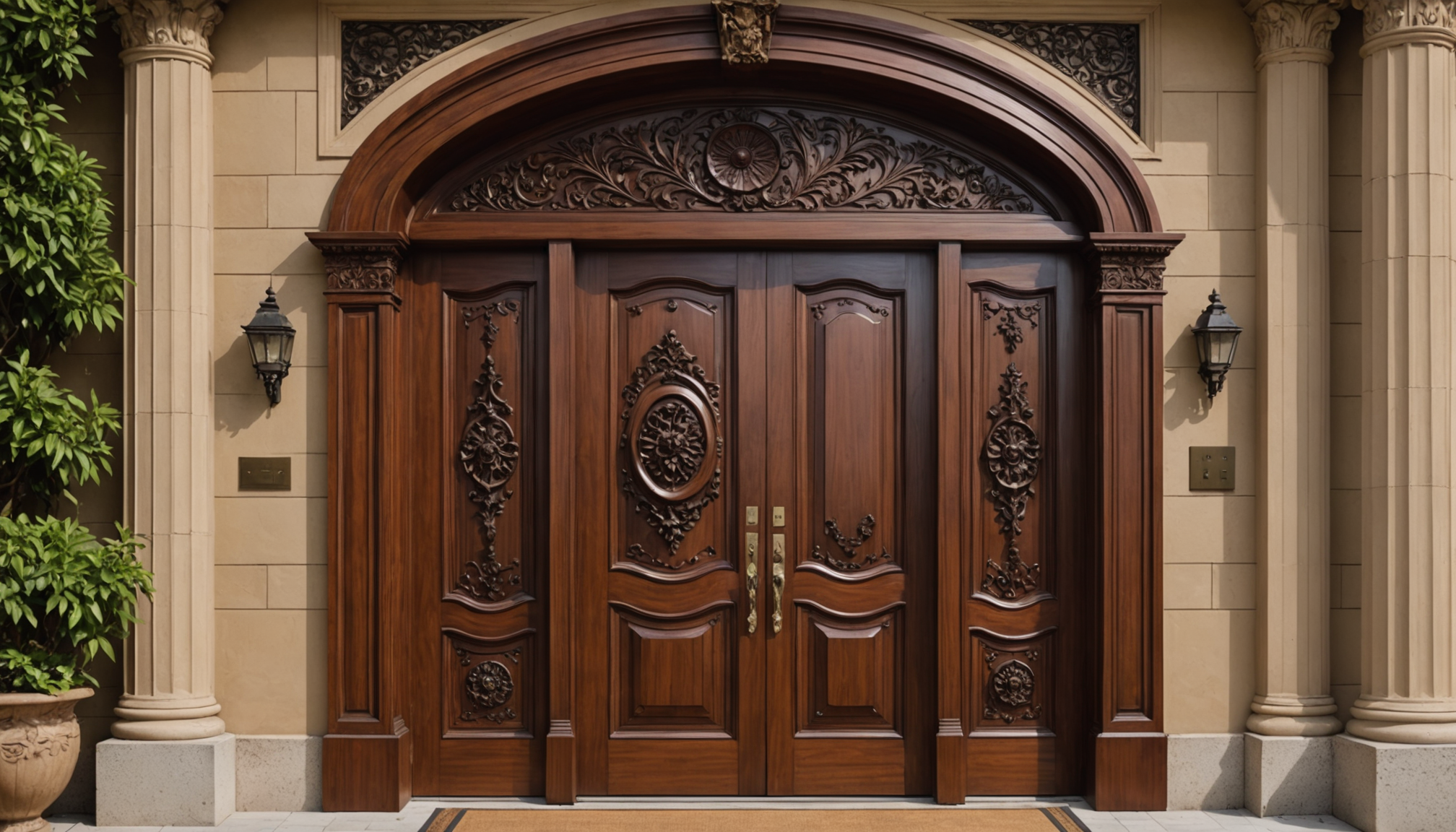 When delving into the extensive realm of styles available for your doors, the key is to harmonize architectural design with personal taste. Doors act as both functional elements and artistic statements within a home, making their design choice a critical facet of interior and exterior decor. This process involves considering the architectural style of your home, personal aesthetic preferences, and the specific function of each door.
Here’s a step-by-step approach to exploring different design styles for your doors:
1. Determine the Architectural Style of Your Home:
– Assess whether your home leans towards a modern, traditional, rustic, or transitional style. This serves as a foundation for determining which door styles will be congruent with the overall look and feel of your home environment.
2. Research Popular Door Styles:
– Panel Doors: Characterized by their frame-and-panel construction, these versatile doors fit excellently in most settings, from colonial homes to contemporary designs.
– Barn Doors: Perfect for rustic and farmhouse styles, these sliding doors add character and save space while providing a warm, inviting aesthetic.
– French Doors: Ideal for spaces where you want to create a sense of openness; their glass panes allow for natural light, enhancing both functionality and design.
– Dutch Doors: Suitable for charming, cottage-style homes, these doors are split in half horizontally and allow for ventilation while maintaining security.
3. Consider Functional Needs:
– Evaluate each door’s primary role—be it entry doors, interior separators, or closet access—since certain styles prioritize different aspects like security, insulation, or aesthetic appeal.
4. Align Style with Material Choice:
– Your design style might also influence your material choice. For instance, a modern style might pair well with sleek, minimalist steel doors, while a classic design could benefit from the warmth and customizability of wooden doors.
5. Use Color and Finishing for Customization:
– Once you select a style, explore color palettes and finishes that enhance your chosen aesthetic. Bold, solid colors may be ideal for modern design, whereas more natural finishes typically complement traditional and rustic styles.
6. Incorporate Smart Home Elements:
– Integrate technology by selecting door designs that are compatible with smart home systems, allowing you to manage security features or lighting from a distance.
7. Visit a Showroom or Consult with Professionals:
– Gain inspiration and confirm your choices by exploring door designs in an actual setting. Professional feedback can ensure that your design is both feasible and aligned with your vision.
By carefully considering these elements, you will be well-equipped to select door designs that enrich your home’s architectural beauty and meet the functional demands of daily life.
understanding door dimensions
When considering door dimensions, it’s essential to strike a balance between aesthetics, functionality, and compliance with standard building codes. Understanding the precise measurements of doors can greatly influence airflow, accessibility, and the overall design flow of your home, ensuring that each entryway complements the layout while serving its intended purpose.
Proper dimensioning starts with assessing the door’s location and function. For example, exterior doors typically require a more robust construction and larger dimensions to accommodate security features and insulation, which is crucial for energy conservation. Standard exterior doors generally measure 36 inches in width and 80 inches in height, providing ample space for both people and furniture to pass through comfortably. In contrast, interior doors might be slightly narrower, typically around 30 to 32 inches wide, as less emphasis is placed on insulation and more on seamless integration with room dividers.
Access and mobility considerations are paramount, particularly in households where inclusivity is a priority. Wider doors, such as those measuring 36 inches or more, facilitate easier movement for individuals requiring assistance or using mobility aids. This aspect is especially significant when planning for ADA (Americans with Disabilities Act) compliance in renovations or new constructions.
Door height should also be carefully measured, considering both the interior and exterior architectural styles. Custom doors may be necessary for properties with unique architectural designs, such as high ceilings or non-standard building practices. An oversized door can add a dramatic effect, enhancing the aesthetic appeal of your home and creating a sense of grandeur in entryways.
Additionally, the thickness of the door can impact its durability and insulation properties. Thicker doors often provide better thermal protection and soundproofing, essential for maintaining privacy and comfort within your living spaces. Moreover, appropriate clearance between the door and the floor must be calculated to prevent obstruction and allow for smooth operation, particularly with swinging doors.
Incorporating smart home elements into your door planning can elevate both security and convenience. Smart locks, integrated video doorbells, and automated door closers can be seamlessly incorporated into homes, provided the dimensions allow for the necessary hardware. This foresight can enhance home security systems and align with modern lifestyle trends, especially in an era where connectivity and automation are integral to home design.
Finally, consider the maintenance implications linked to door dimensions. Larger doors may require more frequent adjustments or repairs to keep them functioning optimally in high-traffic areas. By ensuring that your chosen dimensions are practical and maintainable, you’ll enjoy a balance of style, efficiency, and longevity in your home’s doorways.
selecting hardware and accessories
As you approach the task of selecting hardware and accessories for your doors, envision each component as a vital part of your overall design strategy. The right hardware not only enhances the functionality of your doors but also serves as a crucial stylistic element that can amplify or subtly complement the aesthetic of your home. A well-chosen set of knobs, handles, or features can transform an ordinary door into a design statement.
Begin by considering the style and material of your doors—these elements provide a foundation for your hardware choices. For instance, sleek, minimalist hardware in stainless steel or brushed nickel often pairs well with modern door designs found in contemporary homes. In contrast, vintage or ornate hardware in brass or bronze can beautifully complement wooden doors with a traditional or rustic flair.
Functionality should also influence your selection. Assess the needs and use-cases of each door: are security and accessibility paramount for an entryway, or is the focus more on aesthetic for closet and bedroom doors? For enhanced security, especially for exterior doors, consider hardware that incorporates advanced locks or smart technologies. Many smart home systems now offer door handles and locks equipped with keyless entry, fingerprint recognition, or Bluetooth connectivity, providing convenience without compromising security.
The integration of accessories like door stops, kick plates, and thresholds can also add to both the protective and aesthetic features. Door stops prevent wall damage, while thresholds contribute to insulation by sealing the gap under the door, which is essential in reducing drafts and keeping energy costs low. Similarly, kick plates are practical for high-traffic doors, where scuffing is a concern, and they can be adorned with materials and finishes that align with the chosen design scheme.
Consider the tactile experience of your door hardware as well—how it feels in hand is just as important as how it looks. Solid, well-crafted hardware conveys a sense of quality and longevity, adding to the overall maintenance value of your doors. While it might be tempting to opt for budget-friendly options, investing in high-quality hardware not only ensures durability but also reduces maintenance over time.
By paying attention to these details, you create a cohesive and functional design environment that reflects your personal style while enhancing the utility and longevity of your doors. Remember to explore a variety of options and take your time in selecting the right hardware and accessories, as these decisions will contribute significantly to both the look and function of your home’s interiors.
maintenance and care tips
To maintain the longevity and attractiveness of your doors, a consistent maintenance routine is essential. Depending on the materials, types, and installation settings, the upkeep requirements can vary, but a general understanding of maintenance principles goes a long way in preserving your doors’ condition and functionality.
Begin with regular cleaning using appropriate supplies. For instance, wood doors benefit from gentle cleaning with a damp cloth and a mild soap solution, avoiding excessive water that could warp or damage the finish. For fiberglass, a mixture of mild detergent and warm water typically suffices, whereas steel and aluminum doors can be cleaned with non-abrasive cleaners to prevent scratches and prevent rust buildup.
In addition to cleaning, periodic inspections are crucial to identify potential issues before they escalate. Examine for signs of wear, such as loose hinges, rust on metal components, or visible scratches and dents. Address these promptly by tightening screws, applying protective coatings, or touching up paint to prevent further damage. Keeping an eye on the door alignment and ensuring smooth operation without sticking or uneven gaps is essential for efficiency and security.
For doors that incorporate glass elements, regular attention is required to ensure clarity and maintain insulation efficiency. Clean glass panels with standard glass cleaners and check for any sealant failures that might lead to leaks or drafts, especially in exterior doors.
Hinge lubrication can significantly improve the operation of swinging or opening doors. Apply a dab of lubricant to the hinges once or twice a year to prevent squeaking and ensure fluid motion. Ensure that the lubricant is suitable for the type of material used in your hardware to avoid any chemical reactions that might cause deterioration.
Weatherstripping is an essential component for maintaining insulation, keeping energy costs down by preventing air leaks. Inspect and replace worn or damaged weatherstripping, especially in entry and patio doors, to ensure they continue to provide effective barriers against outdoor elements.
Smart home users may need to integrate technology maintenance into their routines. Keep software for smart locks and automated systems updated to ensure optimal performance and security. Regularly check batteries in components like smart locks to thwart any malfunction or security breaches.
By making door maintenance a routine part of your home care practices, you not only enhance the appearance of your doors but also strengthen their insulation capabilities and ensure that they remain functional and beautiful for years to come. With the right care, your doors will continue to play their crucial role in complementing your home’s design while providing necessary security and comfort.
In conclusion, designing your home’s doors requires thoughtful consideration across a spectrum of elements, from material selection and style to dimensions and maintenance strategies. Each decision plays a crucial role in crafting entries that are not only functional but also complementary to your home’s aesthetic and lifestyle demands. Investing time and resources into this endeavor ensures that your doors serve as welcoming, enduring features that enhance your household’s security, energy efficiency, and overall appeal.