Choosing the right plants for your garden is not just about personal preference; it’s a critical step that influences the success and sustainability of your gardening efforts. When selecting suitable plants, several factors need to be taken into account to ensure your garden thrives season after season.
Firstly, consider the climate in your region. Plants are significantly affected by temperature, humidity, and seasonal changes, and selecting plants that are naturally suited to your local conditions will save you considerable effort in terms of watering, energy savings on climate control measures, and maintenance. Look for native species which have adapted to the local environment; these plants can be both resilient and low-maintenance.
The type of soil in your garden also plays a crucial role in plant selection. Different plants require different soil conditions to flourish, so understanding your soil type is imperative. Soil testing kits are readily available and inexpensive, allowing you to determine the pH and nutrient levels. Adjusting your plant choices based on these results will facilitate healthy growth. Below is a table that outlines suggested plant types according to common soil conditions:
| Soil Type | pH Level | Suggested Plants |
| Sandy | 6.0 to 7.0 | Lavender, Yarrow, Artemisia |
| Clay | 5.5 to 7.0 | Daylily, Switchgrass, Bee Balm |
| Loamy | 6.0 to 8.0 | Zucchini, Roses, Marigolds |
Light conditions are equally vital, as plants have varying sunlight requirements. Consider the sun exposure in different areas of your garden. For instance, sun-loving plants should be placed in spots that receive more than six hours of direct sunlight, typically away from the shaded areas cast by modern structures like tall windows or nearby buildings.
As urban spaces often involve creativity in small areas, you may want to expand your options with container gardening. This approach allows flexibility in plant placement and mobility, helping you optimize for best light exposure and protect sensitive plants from inclement weather.
It’s essential to consider the growth habits of plants you choose. To avoid overcrowding and competition for resources, select plants that complement each other in terms of size and growth patterns. Utilize companion planting techniques, where certain plants support each other’s growth, to maximize your garden’s productivity.
Prioritize diversity in your plant selection. A varied garden can enhance pest control naturally, reduce risks of disease, and invite beneficial insects. This approach also creates a visually appealing space that becomes a focal point for relaxation and enjoyment through the changing seasons.
Designing your garden layout
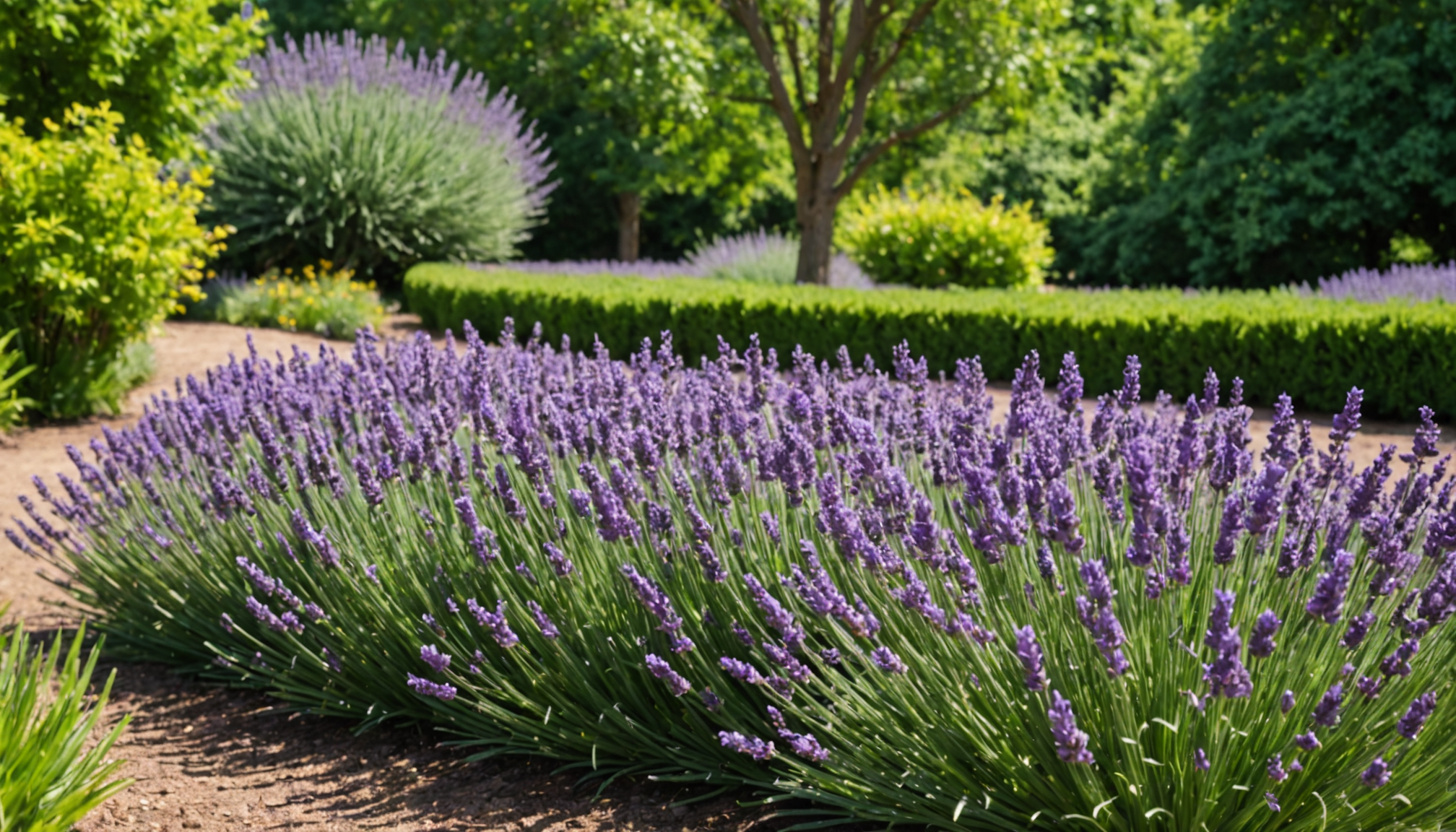 Once you have decided on the plants for your garden, the next critical aspect is creating an efficient and aesthetically pleasing layout. Thoughtful design can significantly improve air circulation, sunlight exposure, and water use, which are essential for a thriving garden. Follow these steps to craft an optimal garden layout:
- Assess Your Space: Start by evaluating the size and shape of your gardening area. Consider any existing structures such as sheds, fences, or walls, and note where windows are present to evaluate how natural light moves through your space throughout the day. Understanding these dynamics will help you harness energy savings by reducing the need for artificial lighting and temperature controls.
- Draw a Scaled Plan: Use graph paper or garden design software to prepare a scaled map of your garden area. This tool will help you visualize where each plant will be placed. Ensure to keep pathways, access points, and maintenance considerations in mind, as these are crucial for an effective layout.
- Identify Sunlight Patterns: Track how shadows are cast from nearby structures and trees. This step is vital for determining which parts of your garden receive full sun, partial shade, or full shade. Group your plants according to their sunlight needs, ensuring sun-loving varieties are placed in areas with sunlight exposure away from shaded areas of modern constructs like windows and walls.
- Plan for Growth: Consider the mature size of each plant when spacing them in your layout. Allowing sufficient space between plants will enable better air circulation and reduce the risk of diseases and pests. Use taller plants or structures to create shade for more delicate plants if needed.
- Incorporate Vertical Gardening Techniques: Make use of vertical space to expand your gardening area and maximize productivity. Install trellises, hang baskets, or create living walls to accommodate vines and climbing plants. These vertical solutions can also provide privacy and serve as attractive backdrops.
- Design with Symmetry and Variety: Balance your garden by mixing different plant textures, colors, and heights. Patterns can bring a sense of order, while varying plant types introduce diversity, which can naturally help in pest control and contribute to the aesthetic appeal of your garden.
- Consider Accessibility and Maintenance: Ensure all parts of your garden are accessible without compacting the soil. Plan for pathways that are wide enough for easy navigation and maintenance activities. Raised beds can be an excellent option for reducing strain during gardening tasks and improving drainage.
- Plan for Seasonal Changes: Think about how your garden will look all year round. Incorporate evergreen plants for winter interest, and select a variety of species to ensure continuous blooms and colors with changing seasons.
Thoughtfully designing your garden layout can enhance not only the functionality and sustainability of your space but also its visual appeal. By intricately balancing these factors, your garden becomes a beautiful, lively retreat that integrates seamlessly with its surrounding environment.
Utilizing vertical space
Incorporating vertical elements into your gardening strategy is an excellent way to expand your growing area beyond traditional boundaries, particularly when working within compact spaces. This technique allows gardeners to make the most of limited horizontal space by venturing upwards, creating an increased sense of abundance and diversity within the garden.
One of the primary advantages of using vertical space is the ability to increase plant variety without expanding the garden’s footprint. Vertical gardening supports the cultivation of a wide range of plants, including climbers like cucumbers, peas, and beans that thrive when given the ability to ascend. Additionally, using structures such as trellises, arbors, and hanging baskets not only adds layers to your gardening palette but also offers creative avenues for design. Strategically placed vertical elements can serve as eye-catching features, injecting an artful touch to the overall garden design.
Beyond aesthetics, vertical gardening offers substantial functional benefits. By elevating plants, you can enhance light exposure and improve air circulation, critical attributes for healthy plant growth. This is especially true for residential gardens situated near modern structures where nearby windows or walls might block sunlight and restrict airflow. In such cases, vertical structures can position plants to receive optimal sunlight and support energy savings by reducing the need for artificial lighting.
Additionally, vertical gardening can contribute to efficient water use. Elevating plants can help manage water runoff and drainage, reducing the risk of waterlogging, which is beneficial for plant health. Employing vertical systems, such as gutter gardens or hydroponic towers, facilitates an effective water recycling system where excess water from upper levels trickles down to lower plants, optimizing resource utilization.
Finally, vertical gardening supports urban biodiversity and sustainability. By expanding planting zones upwards, you can cultivate not only vegetables and edibles but can also invite wildlife with flowering vines that attract pollinators. In high-density areas, vertical gardens mitigate urban heat by introducing greenery that cools air and provides insulation, enhancing microclimates around your home.
Overall, utilizing vertical space in your garden aligns well with modern gardening techniques that emphasize resourcefulness and sustainability. From enhancing plant diversity to providing natural energy efficiency, vertical gardening transforms limited spaces into lush, vibrant ecosystems. By adopting this approach, your garden becomes not just a place of beauty but a testament to innovative solutions that harmonize with both the environment and contemporary life.
Improving soil quality
To enrich your garden’s bounty, it is crucial to focus on enhancing the soil quality. The foundation of any flourishing garden, soil, when prepared correctly, serves as a powerhouse of nutrients and a haven for microorganisms that promote plant growth. By investing in soil improvement, you set the stage for bountiful harvests and vibrant blooms throughout the seasons.
Start by conducting a thorough assessment of your current soil. Use a soil testing kit to analyze its pH levels and nutrient content. This step will inform you about necessary amendments to optimize your soil’s fertility. If your soil is too acidic or alkaline, you’ll need to adjust the pH. For instance, if your soil is acidic, you may add lime to raise the pH, while sulfur can lower the pH of alkaline soils. Knowing these details helps in making informed decisions about which plants will thrive and the kinds of adjustments required for optimal growth.
Once you have a grasp on the chemical composition, consider the soil texture and structure. A balanced mix of sand, silt, and clay, known as loamy soil, is ideal for most types of plants, providing excellent drainage while retaining enough moisture. If your soil doesn’t meet this criteria, amending it with organic matter like compost can significantly improve its qualities. Compost enriches the soil with essential nutrients and enhances texture, promoting better root penetration and physical support for plants.
Incorporating organic fertilizers can also be beneficial in fostering rich soil. Opt for well-rotted manure, worm castings, or seaweed extracts that release nutrients gradually, ensuring plants receive a consistent supply over time. These organic materials nurture the beneficial microorganisms that transform them into accessible nutrients for plants, fostering a balanced and thriving ecosystem underground.
Don’t forget the importance of mulching in your soil-improvement strategy. A layer of mulch, such as straw, wood chips, or shredded leaves, conserves moisture, suppresses weeds, and gradually enriches the soil as it decomposes. Mulching can also regulate soil temperature, protecting roots from extremes of heat and cold, which is particularly valuable in urban gardens where temperature variances can be pronounced.
Ensure your efforts align with water management practices. A well-structured soil reduces runoff and improves water retention, crucial factors in preventing erosion and conserving water. As our environments, particularly in urban settings around modern structures with windows that may cast shadows, continue to be influenced by climate changes, efficient water utilization becomes increasingly vital for sustainable gardening.
Remember, improving soil quality is a continuous process. Seasonal re-evaluations and amendments will help maintain a healthy soil medium. As you tweak and enhance your garden’s soil, you’ll likely witness not just an abundance in plant growth but also energy savings in reduced water usage and minimal need for additional fertilizers. With these mindful practices, your garden will not only expand in terms of productivity but also become a sustainable, self-supporting micro-ecosystem contributing positively to the surrounding environment.
Efficient watering techniques
Efficiently watering your garden is crucial in maintaining its health and ensuring sustainable use of resources, particularly in today’s world where climate and environmental issues are pressing concerns. By optimizing your watering practices, you can help your garden thrive while simultaneously contributing to energy savings and water conservation.
Begin by understanding the specific water needs of the plants in your garden, as different species have varying requirements. Native plants that are well-adapted to your local climate will typically need less water, which not only conserves this precious resource but also reduces the energy required to transport water. Grouping plants with similar watering needs together is an effective way to manage water use and prevents the over- or under-watering of sensitive species.
Time your watering sessions strategically to maximize efficiency. Watering in the early morning or late afternoon minimizes evaporation loss and ensures that more moisture reaches the root systems rather than being lost to the heat of the day. In urban environments, where tall buildings and modern windows can create microclimates of shade and shadow, pay attention to how sun patterns affect your garden and adjust your watering schedule accordingly.
Consider installing an irrigation system to ensure consistent delivery of water to your plants. Drip irrigation systems, for example, provide targeted watering directly to plant roots, minimizing evaporation and runoff. This method can be particularly beneficial for gardens situated in compact spaces, where water waste must be minimized. Smart irrigation systems that are programmable and can adjust to weather conditions further support water conservation and sustainable energy use.
Collecting rainwater is another sustainable practice that can significantly contribute to your garden’s hydration needs. Setting up rain barrels to capture runoff from roofs can provide an eco-friendly water source, allowing you to reduce dependency on municipal water supplies and further enhance energy savings. Reclaimed water can be used during dry spells, ensuring that your garden remains lush and vibrant even when conditions are less than ideal.
Additionally, practicing mulching can greatly improve water retention in the soil. A generous layer of organic mulch helps to keep the soil cool and moist, reducing the frequency of watering required. Mulching not only locks in moisture but also adds nutrients back into the soil as it decomposes, promoting healthier plant growth and a more resilient garden ecosystem.
In summary, efficient watering acts as a cornerstone of garden maintenance by supporting plant health while conserving valuable resources. As urban landscapes evolve and resource management becomes a more critical consideration, adopting these techniques will enable gardeners to maintain lush and sustainable spaces that align with the energy-conserving principles of modern gardening. By integrating these practices, you not only foster a thriving garden but also contribute positively to environmental stewardship.