Ensuring the structural integrity of your patio is crucial for both its longevity and the safety of those who use it. It’s essential to periodically inspect the various components that make up your patio, as neglecting any part can lead to costly repairs or even hazardous situations. Start by evaluating the foundational elements of your patio, such as the materials used in its construction and the manner in which they are holding up under pressure. This involves closely examining areas susceptible to stress over time, like connecting joints, support beams, and load-bearing points.
Concrete patios, while durable, can develop cracks or shifts due to natural settling or soil movement; hence, it’s imperative to look for any such signs. Note both vertical and horizontal cracks, bulging, or unevenness. In contrast, wooden patios may suffer from rot or warping. If you notice any signs of damage, you may have to consider reinforcing the structural components or even hiring pros for a thorough inspection, especially if the deterioration threatens the stability of the structure.
Another vital aspect to consider is drainage. Poor drainage can lead to water pooling, which is particularly detrimental to the structural integrity of a patio. Ensure that surfaces direct water away from the structure efficiently; check for proper slopes or the presence of adequate drainage installations like gutters or French drains. In scenarios where a garage or other structures are adjacent to your patio, inspecting the connections between these structures and your patio is crucial, as water seeping can create damage that might not be immediately visible.
For a better understanding of potential issues and what you might encounter, consider this comparison of common patio materials and their susceptibility to certain issues:
| Material | Potential Issue | Visual Signs |
| Concrete | Cracking, Shifting | Visible cracks, Uneven slabs |
| Wood | Rot, Warping | Discoloration, Soft spots |
| Stone | Movement, Erosion | Gaps between stones, Loose stones |
| Brick | Settling, Erosion | Misalignment, Mortar cracking |
If you are uncertain about your assessment or need reassurance on certain safety concerns, reaching out to a professional inspector is a prudent step. They can perform a comprehensive evaluation, suggest the best repair techniques, and provide peace of mind that the structural components of your patio are sound and safe for regular use.
identifying common wear and tear
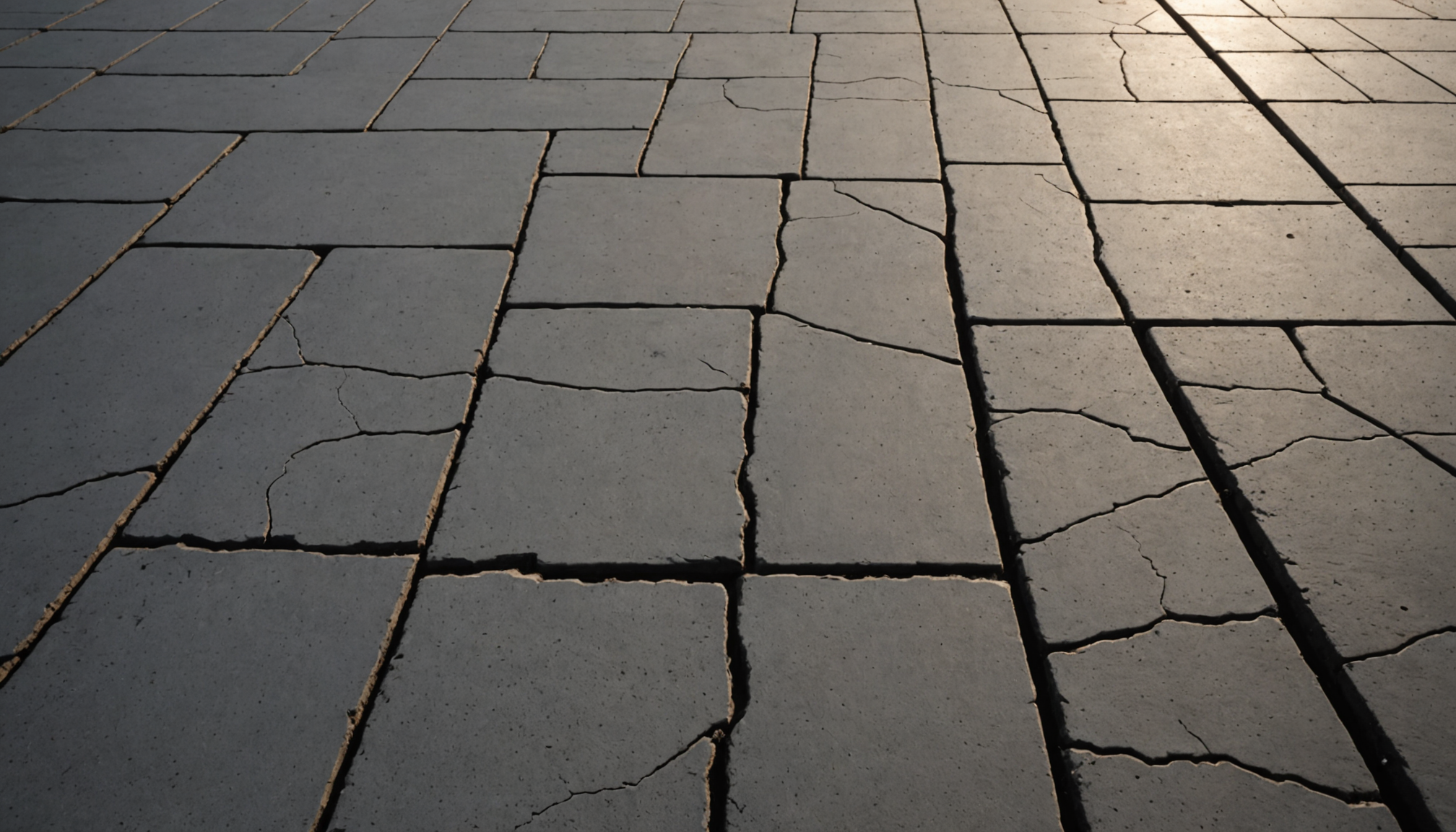 Wear and tear on your patio can develop over time due to constant exposure to the elements and regular use. Recognizing these signs early can help prevent further damage and maintain both the aesthetic and functional aspects of your outdoor space. Follow these steps to effectively identify common wear and tear issues:
1. Survey the Surface: Begin by walking over your patio and visually inspecting its surface. Look for signs such as discoloration, stains, cracks, and areas where the material appears worn or aged. Pay special attention to sections of the patio that see the most activity or exposure, as they are more prone to wear.
2. Check for Material Degradation: Different materials exhibit wear in various ways:
– For wooden patios, check for splintering, fading, or softness which could indicate rot.
– On concrete surfaces, look for small cracks or surface chips, which can be early indicators of deeper structural issues.
– For stone or brick, inspect for loose pieces, shifting, or crumbling mortar that might result from erosion or freeze-thaw cycles.
3. Look at the Edges and Joints: Edges and joints are susceptible to shifting and wearing down. Examine these areas for gaps or separation between the material and the surrounding structures, which can compromise safety and the integration of the patio with other parts of your property, like a garage or pathway.
4. Inspect for Water Damage: Water accumulation is a common source of damage. After a rain, observe how water behaves on your patio. Puddling or consistent dampness could indicate poor drainage, leading to problems like erosion or mildew. Look for water stains that might indicate areas where water regularly collects.
5. Assess for Surface Roughness and Unevenness: Over time, the surface of the patio can become uneven or rough, creating tripping hazards. Walk over the patio slowly to feel for any unexpected changes in height between tiles or pavers. Use a straightedge or level to assess more subtle shifts and ensure that each section remains aligned.
6. Evaluate the Grouting and Sealant: These materials degrade faster than the primary materials:
– Inspect grout lines between stones or tiles for deterioration or gaps.
– Reassess sealant conditions, as faded or peeling sealant can allow moisture to penetrate and damage the core structure. Reapplication might be necessary if sealants are worn out.
Taking the time to systematically inspect for common wear and tear can not only keep your patio looking its best, but it can also forestall major repairs by allowing you to address minor issues before they escalate. If you identify areas of concern and are unsure about handling repairs, consider hiring pros who specialize in patio maintenance. They can provide expert insight into the best solutions tailored to your patio’s specific needs, ensuring it remains a safe and inviting part of your home.
checking for pest infestations
When safeguarding your patio from unwanted invaders, it’s important to remain vigilant about potential pest infestations. These uninvited guests can compromise the aesthetic appeal and overall health of your outdoor space, leading to issues that affect not only the materials but also your enjoyment and safety. Regular inspections are key to early detection and prevention.
Begin by examining the obvious entry points for pests, such as cracks in the patio surface or gaps where the patio meets other structures like a garage or house. Ants, termites, and other insects often exploit these openings. Pay particular attention to any areas where wood is present, as it can be highly susceptible to termite damage. If you notice small tunnels or mud tubes on wood surfaces, these are likely signs of termites, requiring immediate attention to prevent structural damage.
In addition to inspecting wooden areas, check for any signs of nesting or burrowing. These can be indicators of rodent activity. Rats and mice can make themselves at home under patio floors, especially in broken or loose sections. Listen for scratching noises or keep an eye out for small droppings, which are telltale signs of these pests.
Another critical angle involves noting any damage to plants or foliage around the patio, as this can indicate the presence of insects like aphids or caterpillars. Such pests can destroy vegetation and create an untidy, unattractive look to your patio setting.
Watch out for any insect hives or nests that might be nestled in hidden corners or under eaves. Bees, wasps, and hornets can pose significant safety risks, especially if disturbed. Be proactive about removing these safely, potentially through consulting with pest control professionals to ensure the job is done without provoking the insects.
Finally, maintaining cleanliness in and around your patio greatly deters pests. Remove any debris, such as leaf litter or dead plants, which can act as a perfect habitat or food source for pests. By systematically inspecting and cleaning your patio area, you’re taking effective steps in pest prevention.
In situations where pest problems persist despite regular maintenance checks, hiring pros can be a prudent move. Pest control professionals come equipped with the knowledge and tools necessary to identify, eradicate, and prevent further infestations, allowing you to reclaim your patio as a comfortable, safe retreat without the menace of unwanted critters.
evaluating furniture condition
When considering the condition of your patio furniture, it’s essential to conduct a thorough evaluation to ensure both comfort and aesthetic appeal, as well as to prioritize safety. Start by visually inspecting each piece of furniture for visible signs of wear, such as fading, fraying, or discoloration. Fabrics can become weathered over time, especially if exposed to the sun, so take note of any fading that might detract from the overall appearance of your patio space.
Examine the structural integrity of your furniture, paying close attention to any metal or wood components. Rust spots on metal and warping or cracking on wood are significant indicators of deterioration. Such damage can weaken the furniture, making it unstable and potentially hazardous. Testing the stability of tables and chairs by gently rocking them can help identify loose joints or wobbly parts that may need tightening or replacement.
The condition of cushions is another key aspect. Unzip cushions, if possible, to check for moisture retention, mold, or mildew, as these can lead to unpleasant odors and health issues. For non-removable cushions, pressing them gently can reveal excessive softness or lumpiness, indicating their need for replacement or re-stuffing.
Consider the hardware elements as well – bolts, screws, and fasteners should be free from rust and securely in place. Missing or loose pieces not only compromise the durability of the furniture but also pose safety risks. Replacing or repairing these components should be a priority.
For patio furniture with moving parts, such as adjustable lounge chairs or tables, ensure that all mechanisms operate smoothly. Lubricate any stiff or squeaky joints and verify that locking devices on adjustable features function as intended.
If any part of your patio furniture seems beyond a simple fix, hiring pros specializing in furniture repair could be the best solution. They can provide expert insights into whether a repair is feasible or whether replacement is the more cost-effective option.
By conducting regular evaluations of your patio furniture, you not only maintain the area’s inviting atmosphere but also ensure that your patio is a safe retreat for relaxation and entertainment. A proactive approach to furniture maintenance, accompanied by prompt action on any issues spotted, will extend the longevity of your patio setup and enhance your outdoor enjoyment.
maintaining your patio for longevity
To ensure your patio stands the test of time and continues to be a space you enjoy, regular maintenance is essential. Start by establishing a routine for cleaning and upkeep tailored to the materials of your patio. For instance, stone and concrete surfaces can benefit from a thorough pressure wash to remove dirt and prevent algae growth, while wooden decks might require gentle washing with a soap solution and periodic sealing to protect against moisture and UV rays.
Pay attention to the tiny details that can make a significant difference. This might involve cleaning and resealing grout lines between pavers to prevent water ingress or applying a fresh coat of sealant to enhance weather resistance and aesthetic appeal. Sealants not only preserve the appearance of your patio but also add a layer of protection against environmental factors, ensuring safety by keeping surfaces secure and intact.
Maintaining the area around your patio can keep it looking pristine. Trim any encroaching foliage and ensure that there is no overgrowth that could trap moisture or block drainage. Leaves and debris should be regularly cleared to prevent them from becoming a breeding ground for pests or causing staining on your patio surfaces.
In case your inspection reveals more profound issues, like significant cracks or signs of erosion, it may be the right time to consider hiring pros. Professionals can assess the situation accurately, providing long-term solutions that a DIY approach might not achieve. They will have the expertise to repair any structural damage safely and effectively, ensuring your patio remains a safe and enjoyable space.
Beyond cleaning and inspecting for any damage, consider enhancing your patio’s look with periodical updates or minor additions. Simple things like replacing light fixtures, refreshing furniture covers, or adding weather-resistant decor can keep the space feeling fresh and inviting.
Taking a proactive stance by adhering to a consistent maintenance schedule not only extends the longevity of your patio but also avoids the often costly repairs that can arise from neglect. With these steps and regular checks, your patio can remain a seamless extension of your home and a cherished space for relaxation and entertainment for years to come.
In conclusion, maintaining a well-cared-for patio involves a balance of regular inspection, timely repairs, and careful upkeep to ensure its longevity and appeal. By continuously monitoring the structural components, addressing common issues promptly, and employing professional services when necessary, homeowners can create a patio environment that enhances their outdoor living experience. A well-maintained patio not only provides a safe and attractive space for family and friends but also adds value and enjoyment to your home.