Water conservation is a critical component of sustainable living in today’s world, where the pressures on water resources are rapidly escalating. As global populations grow and urban areas expand, the demand for clean water intensifies. This necessitates urgent attention to water conservation efforts, particularly within households and businesses. In light of these challenges, adopting water-saving strategies is not merely an environmental consideration but a pivotal step towards ensuring the longevity of water supply for future generations.
Understanding the significance of water conservation begins with acknowledging the diverse factors driving water scarcity. Environmental changes, such as climate change, exacerbate droughts and alter the distribution of freshwater resources. Simultaneously, industrialization and agriculture compound the stress on existing water supplies, consuming vast quantities of water and, at times, leading to the pollution of water bodies.
Mitigating this burgeoning crisis involves proactive measures at every level of society. Here’s why water conservation should be a priority:
- Environmental Protection: Conserving water helps to protect ecosystems that depend on consistent water flow. Changing water patterns and excessive extraction can lead to habitat degradation, affecting biodiversity and ecosystem services essential for life.
- Economic Benefits: Water conservation can lead to significant cost savings both for individuals and communities. By reducing water consumption and relying on efficient systems, establishments can lower their utility bills and defer the financial burden associated with developing new water treatment plants or acquiring alternative water sources.
- Mitigation of Drought Effects: In drought-prone areas, conserving water ensures that there is enough supply to cater to key needs during periods of reduced rainfall and increased water stress.
- Energy Savings: Efficient water use is linked to reduced energy consumption since heating water or transporting it over long distances requires substantial energy. This not only reduces the carbon footprint of water use activities but also minimizes the energy bills associated with them.
To illustrate the impact that mindful water consumption can have, consider the following data which highlights typical water usage and the potential savings achievable through conservation measures:
| Activity | Average Water Usage (Gallons per use) | Water Usage with Conservation Measures (Gallons per use) |
| Showering | 17.2 | 10 (using water-saving showerheads) |
| Toilet Flushing | 3.5 | 1.28 (using high-efficiency toilets) |
| Washing Clothes | 41 | 20 (using efficient washing machines) |
The figures clearly demonstrate how significant reductions in water use are achievable through relatively simple adaptations in household activities. These water-saving measures not only help in immediate resource conservation but also form an integral part of a broader strategy towards sustainability.
Ultimately, the importance of water conservation cannot be overstated. With the growing understanding of its benefits, it is incumbent on both individuals and institutions to take decisive actions toward reducing water use and ensuring the sustainable management of this precious resource.
types of water-saving plumbing fixtures
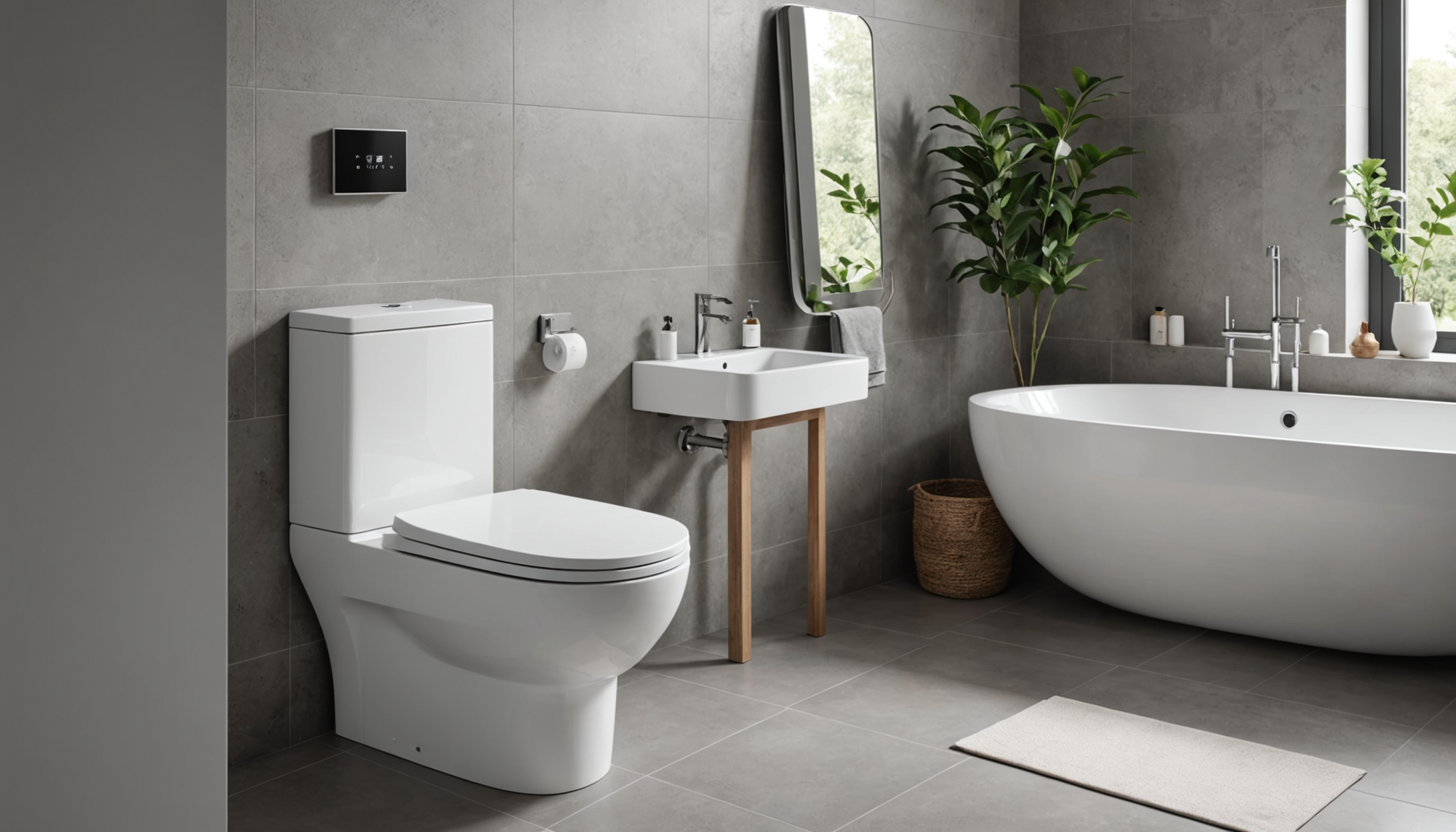 When considering the variety of plumbing fixtures available, opting for water-saving models is a crucial step towards reducing water consumption in residential and commercial settings. These innovative fixtures are designed to minimize water usage without sacrificing performance or convenience. Here are some of the most common types of water-saving plumbing fixtures that can be integrated into homes and businesses:
1. High-Efficiency Toilets (HETs):
– Definition: HETs are designed to use significantly less water per flush compared to traditional toilets.
– Benefits: These toilets use approximately 1.28 gallons per flush or less, compared to the standard 3.5 to 5 gallons.
– Types: Dual-flush toilets offer two flush options, one for liquid waste and another for solid waste, further enhancing water conservation.
2. Low-Flow Showerheads:
– Definition: These showerheads are engineered to reduce water flow while maintaining strong pressure and effective rinsing.
– Benefits: By using about 2 gallons per minute (GPM) compared to the standard 2.5 GPM, they can significantly reduce water usage without compromising your shower experience.
– Installation: Many models are available that can be easily installed, with options ranging from aerated designs to those that create a massage-like feel by optimizing spray.
3. Faucet Aerators:
– Definition: Faucet aerators are small attachments that are screwed onto the tip of faucets.
– Benefits: They mix air into the water stream, reducing flow from 2.2 GPM to as low as 0.5 GPM for bathroom sinks and still providing adequate water pressure for washing hands and other activities.
– Usage: Suitable for kitchens and bathrooms, they are an inexpensive way to cut water usage by up to 30%.
4. Water-Efficient Washing Machines:
– Definition: These appliances use advanced technology to reduce the amount of water needed to wash clothes.
– Benefits: High-efficiency models use up to 50% less water compared to older conventional models, while also being gentler on clothes.
– Features: Look for machines with Energy Star labels that signify both energy and water efficiency.
5. Efficient Dishwashers:
– Definition: Modern dishwashers that require less water per cycle.
– Benefits: These appliances use sensors to determine cycle length and water usage requirements, consuming as little as 4 gallons per cycle compared to older models that might use 10 or more gallons.
– Consideration: Selecting a model with a half-load option can further enhance water savings.
6. Smart Irrigation Systems:
– Definition: Outdoor plumbing solutions that adjust watering schedules and volume based on weather conditions and soil moisture levels.
– Benefits: These systems can reduce outdoor water use by up to 50%, which is significant for areas with large lawns or gardens.
– Technology: Consider systems that connect to weather stations or offer mobile app control for real-time adjustments.
By choosing and installing these water-saving fixtures, households and businesses can play a pivotal role in water conservation efforts. Not only do these upgrades support environmental sustainability by preserving water resources, but they also lead to tangible savings on water bills. Whether motivated by ecological responsibility, financial savings, or a combination of both, incorporating these technologies is a step forward in achieving a sustainable future.
benefits of upgrading plumbing systems
Upgrading plumbing systems to incorporate water-saving features presents numerous benefits that extend beyond simple conservation. One of the most significant advantages is the reduction in utility costs. Water-efficient appliances and fixtures, such as high-efficiency toilets and low-flow showerheads, significantly cut down on water usage. This reduction directly translates to lower water bills. Similarly, efficient appliances like dishwashers and washing machines use less water and energy, leading to decreased energy bills as well—a dual financial payoff.
Moreover, reducing water consumption has a profound environmental impact. By using less water, we mitigate the depletion of freshwater resources, which is critical in combating water scarcity. This conservation effort helps to protect ecosystems and biodiversity that rely heavily on consistent water supplies. Efficient water usage also tends to reduce energy consumption required for water heating and pumping, leading to lower carbon emissions. Consequently, these upgrades play an integral part in reducing one’s overall ecological footprint, contributing to broader sustainability goals.
Upgrading to water-saving plumbing systems also increases home value and appeal. As sustainable living becomes a more prominent concern for homebuyers, properties with modern, efficient plumbing systems are likely to stand out in the market. Homes that offer lower monthly utility costs and demonstrate commitment to environmentally-friendly practices are gaining traction among eco-conscious buyers, thus potentially increasing the property’s market value.
Additionally, these upgrades can lead to greater system efficiency and longevity. Newer plumbing fixtures and systems are not only designed for conservation but also engineered for enhanced performance and durability. This increased efficiency often results in less wear and tear over time, thereby extending the lifespan of the plumbing system and reducing the need for frequent repairs and replacements.
Finally, adopting these upgrades positions households and organizations as leaders in sustainability, often instilling a sense of community and corporate responsibility. Embracing water conservation practices shows a proactive commitment to protecting natural resources and can set an example for others to follow. Through public education and community engagement, these individual efforts can compound, fostering a broader culture of sustainability.
Therefore, the advantages of upgrading plumbing systems to include water-saving technologies are multifaceted, offering substantial economic savings, contributing to environmental conservation, enhancing property value, improving system performance, and promoting sustainable practices. These outcomes form compelling reasons to make such investments in any residential or commercial space.
steps to implement plumbing upgrades
Implementing plumbing upgrades to save water involves a strategic approach that begins with assessing your current systems and understanding the best options for improvements. Here is a step-by-step guide to help you navigate the process effectively:
1. Conduct a Water Audit: The first step is understanding your current water usage. Consider engaging a professional to conduct a water audit, or use online tools and guides to estimate your household or business water consumption. This will help identify areas where water usage can be reduced and highlight the most effective upgrades.
2. Identify Critical Areas for Improvement: Once you have a clear picture of your water consumption, focus on areas where water usage is highest. Bathrooms, kitchens, and outdoor irrigation systems are typically where the most water is consumed and, therefore, where upgrades can have the most substantial impact.
3. Research and Choose Appropriate Fixtures: With water-use data in hand, research and select the specific water-saving fixtures and appliances that best suit your needs. Consider options like high-efficiency toilets, low-flow showerheads, faucet aerators, and water-efficient washing machines. Remember to check for certification labels such as WaterSense to ensure the products meet high water efficiency and performance standards.
4. Plan Your Installation: Once you’ve selected the products, plan the installation. You may choose to install some fixtures yourself or hire a certified plumber for more complex installations. Ensure the installer is familiar with water-efficient products to guarantee optimal performance and compliance with local building codes.
5. Incorporate Smart Technology: For outdoor systems, integrating smart irrigation systems can drastically reduce water usage by automatically adjusting for weather conditions and soil moisture. Consider smart home technologies for indoor systems that can provide usage reports and leak detection alerts, further enhancing efficiency.
6. Consider Additional Infrastructure Improvements: Beyond fixtures, consider improvements to your plumbing infrastructure, such as upgrading to energy-efficient water heaters or installing greywater systems to reuse water where appropriate. These changes may involve higher initial costs but offer long-term savings and sustainability benefits.
7. Access Financial Incentives: Investigate available rebates, grants, or tax incentives for water-saving upgrades. Many local or state governments, as well as utility companies, offer financial incentives to encourage water conservation, which can significantly offset the cost of upgrades.
8. Educate and Involve Your Household or Staff: Ensure that everyone involved understands the new systems and their role in maintaining water efficiency. Create guidelines or informational materials that explain how to make the most out of the upgraded systems.
9. Monitor and Adjust: After installation, continue to monitor your water usage to ensure the upgrades achieve the desired savings. Adjust your systems as needed and remain informed about new water-saving technologies and practices to continue improving your efficiency over time.
Through these methodical steps, implementing plumbing upgrades becomes a manageable and rewarding process, offering both immediate and long-term benefits while contributing to vital water conservation efforts.
cost considerations and incentives
Considering the financial aspects of water-saving plumbing upgrades is a crucial step in the implementation process. The costs associated with these upgrades can vary widely depending on the scope of the project and the types of fixtures chosen. However, understanding these costs alongside potential incentives can help in making informed decisions.
Initial costs might seem daunting, especially if multiple fixtures or systems like dual-flush toilets, low-flow showerheads, or smart irrigation systems are involved. Yet, these upfront expenses are offset over time through reduced utility bills. High-efficiency appliances not only use less water but also decrease energy consumption, given that less hot water will be needed. This translates into dual savings on water and energy bills, potentially recouping initial costs in a relatively short time span.
Moreover, it’s essential to consider the longer service life of modern plumbing fixtures. Made from advanced materials and incorporating the latest technologies, these efficient models are designed to last longer and require less maintenance. This longevity further contributes to cost savings by reducing the need for frequent replacements or repairs.
To make the most out of these savings, homeowners and businesses should explore available financial incentives. Many local and state governments provide rebates and subsidies for installing water-efficient fixtures. These incentives are often designed to encourage residents to adopt sustainable practices and can significantly ease the burden of initial costs. Water utility companies, too, sometimes offer discounts for households installing water-saving devices.
In order to benefit from these incentives, it’s necessary to research eligibility requirements and application procedures. Some rebates are only available for specific types of equipment, such as those certified by WaterSense, a program by the Environmental Protection Agency (EPA) that labels environmentally friendly products. Keeping abreast of such programs and submitting applications in a timely manner can capitalize on available opportunities to save.
Ultimately, the investment in water-saving plumbing upgrades pays off in the form of reduced monthly expenses, enhanced property values, and a smaller environmental footprint. By aligning current plumbing needs with long-term sustainability goals, individuals and businesses alike can contribute toward a more resource-efficient future. Taking advantage of financial incentives not only supports this effort but also makes the adoption of these technologies more feasible and attractive for a larger audience.
In conclusion, embracing water-saving plumbing upgrades is a key step toward sustainable living. These upgrades not only conserve vital water resources but also offer significant economic benefits through reduced utility bills and potential financial incentives. Adopting efficient plumbing systems enhances property value, contributes to environmental conservation, and aligns with future sustainability goals. By actively implementing these changes, both individuals and businesses can play a crucial role in fostering a water-conscious culture, ensuring the availability of this precious resource for generations to come.