When a property has experienced a fire, the initial step in the restoration process involves assessing the extent and nature of the damage that has occurred. This crucial stage allows restoration professionals to determine the necessary actions for effective recovery and to ensure safety while preventing further loss.
The assessment begins with a comprehensive inspection of the property. Restoration experts will examine all affected areas, focusing on the visible damage and probing beneath surfaces to discover hidden issues. This includes evaluating the structural integrity of the building to identify whether walls, beams, or floors have been compromised. Detailed attention is given to the effects of smoke and soot, as even minor soot deposits can lead to significant health hazards and material damage if not properly addressed.
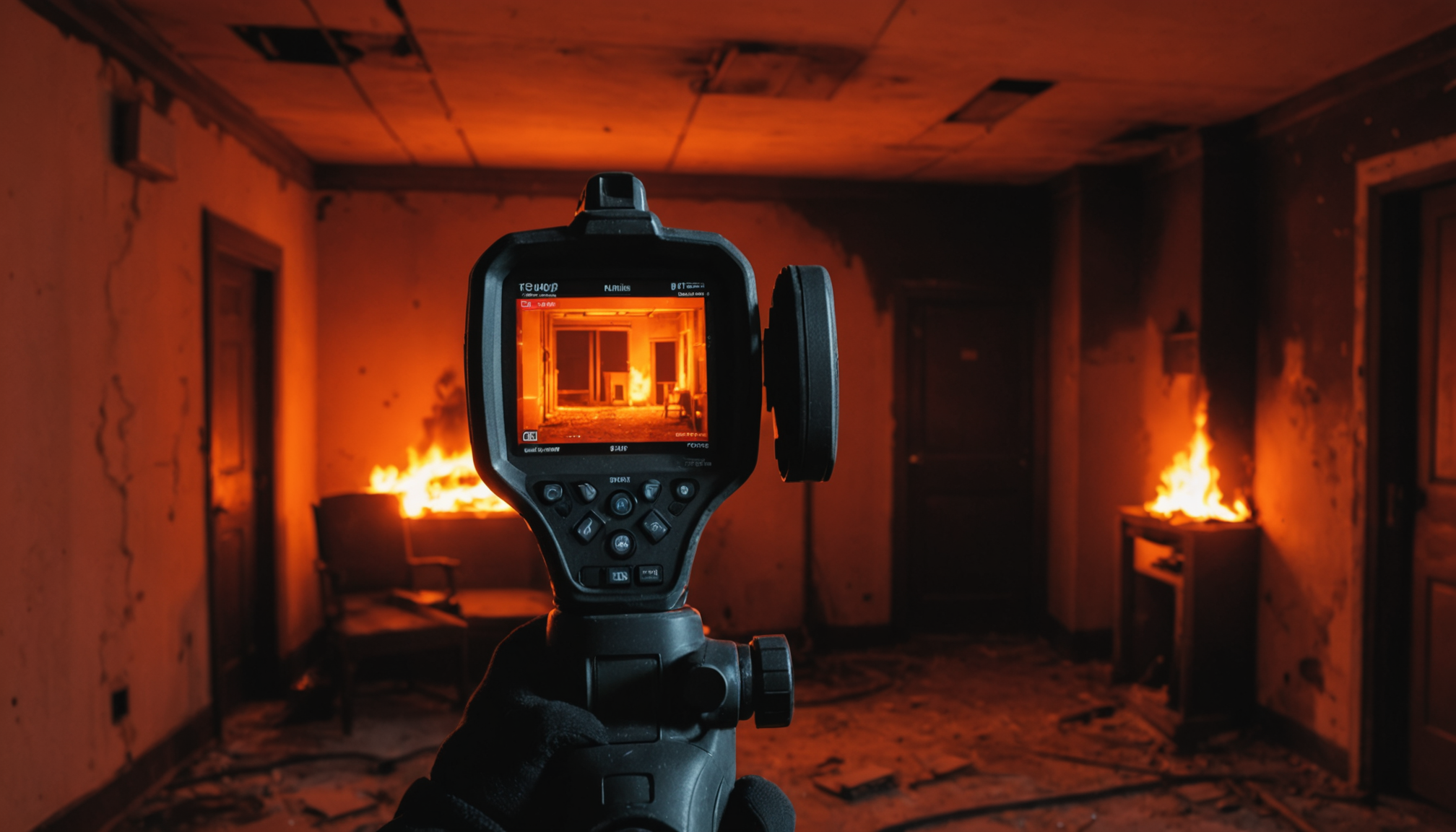
Besides the obvious structural harm, experts will catalog damage to personal belongings, electronics, and furniture. This documentation is not only vital for insurance claims but also ensures an organized recovery process. Restoration teams use specialized equipment such as moisture meters and thermal imaging cameras to identify areas affected by heat, smoke residues, and moisture buildup from extinguishing efforts, which could lead to secondary damage like mold growth if not promptly treated.
Furthermore, in assessing electrical systems, fire damage experts must operate with caution. They will inspect wiring and electrical components for signs of fire-related damage that might not be immediately visible. This inspection is crucial since damaged wires pose a serious risk of electrical fires or failures.
The following table illustrates the components typically evaluated during the damage assessment and their potential implications:
| Component | Area of Focus | Potential Implications |
| Structural Integrity | Walls, beams, floors | Risk of collapse, safety hazards |
| Smoke and Soot | Interior surfaces, HVAC systems | Health hazards, corrosion of materials |
| Personal Belongings | Furniture, electronics | Loss of valuables, data loss |
| Electrical Systems | Wiring, circuits | Risk of electrical fire, malfunctions |
| Moisture Levels | Walls, ceilings, flooring | Mold growth, further structural damage |
Thorough assessment not only maps out the extent of damage but also aids in creating a strategic plan tailored to address the specific needs of the property efficiently. By prioritizing areas that present the greatest risk to human health and structural stability, restoration professionals can streamline efforts and resources, ensuring the quickest and most effective recovery possible.
Securing the property
 Once the damage has been thoroughly assessed, the next crucial step in the fire damage restoration process is to secure the property. This task is essential to prevent further damage and to ensure the safety of the building and its occupants. The following steps outline the process of securing a fire-damaged property:
1. Board Up Windows and Doors:
– Begin by boarding up any broken windows and doors to protect against unauthorized entry and additional damage from weather conditions.
– Use plywood or other sturdy materials to cover large openings securely, ensuring they are fastened in place to withstand external elements.
2. Tarp Roof Damage:
– If the roof has sustained damage, apply tarps over affected areas. This will prevent water intrusion from rain and additional exposure from the elements.
– Secure the tarps adequately to prevent them from being displaced by wind or rain.
3. Fencing Around the Perimeter:
– Install temporary fencing around the property to deter trespassers and maintain safety.
– This measure is particularly important if the structure is structurally compromised and at risk of collapse.
4. Structural Stabilization:
– Address any immediate concerns regarding structural integrity. Engage structural engineers if necessary to reinforce load-bearing elements and ensure the building is safe for limited access.
– Potentially hazardous sections of the building should be cordoned off to prevent accidental entry.
5. Security Measures:
– Implement security measures such as installing temporary lighting or security cameras to monitor the premises.
– Consider hiring security personnel to oversee the site if the property is in a high-risk area or contains valuable items that cannot be immediately recovered.
6. Hazard Mitigation:
– Remove any hazardous materials or conditions that might pose a risk to health and safety, such as exposed wiring, unstable debris, or standing water.
– Ensure proper signage is in place to alert individuals of potential dangers present at the site.
By taking these strategic actions, restoration professionals can significantly reduce the likelihood of further damage and ensure that the property is secure. These measures protect the remaining structure and personal belongings and create a safer environment for the ongoing restoration efforts.
Removing water and drying
After securing the property to prevent any additional damage, the next critical step is to address any water intrusion that may have resulted from firefighting efforts. The process of removing excess water and thoroughly drying the affected areas is a cornerstone of effective fire damage restoration.
Initially, restoration technicians conduct a moisture assessment using specialized equipment such as moisture meters and infrared cameras to identify the extent of water saturation. This step is crucial, as identifying hidden moisture can prevent the development of mold, which poses serious health risks and can further degrade building materials.
Once the scope of the moisture problem is determined, the removal process begins. High-capacity pumps are employed to extract standing water quickly. This swift removal is vital to minimize further saturation of structural elements and personal belongings.
Following water extraction, the focus shifts to drying. Industrial-grade dehumidifiers and air movers are employed to eliminate moisture from the air and expedite the drying of floors, walls, and other surfaces. These machines operate continuously to reduce humidity levels to their normal range, ensuring that all materials are completely dried to prevent mold growth.
The use of low-grain refrigerant (LGR) dehumidifiers is particularly effective, as they can draw large quantities of moisture from the air while maintaining energy efficiency. In tandem, air movers help circulate air across wet surfaces, accelerating evaporation and reducing drying times significantly.
In some cases, desiccant dehumidifiers may be used, which work well in lower temperatures and produce an extremely dry environment. This method is often chosen for spaces with severely compromised materials or when working in colder conditions where other dehumidifiers would be less effective.
Restoration professionals continuously monitor humidity levels and moisture content in materials throughout this process, ensuring that goals are met and that the environment is fully stabilized before moving to the next stage. The thorough drying of a property not only ensures structural integrity but also preserves the value and longevity of the home and its contents.
Moreover, drying provides the foundation for the subsequent cleaning and repairing steps. Addressing water damage early in the restoration process curtails the risk of long-term issues such as warping, rotting, or corrosion, thereby safeguarding the building’s infrastructure and making the environment safe for further work and habitation. By employing a systematic and technologically advanced approach, restoration experts provide peace of mind and a clear path toward recovery after a fire incident.
Cleaning and sanitizing
After the successful removal of moisture and underlying threats it may pose, attention is turned to the vital task of cleaning and sanitizing the property. At this stage in the fire damage restoration process, the focus is not only on aesthetic cleaning but also on establishing a safe and healthy environment free from the lingering effects of smoke, soot, and other contaminants.
The cleaning process involves tackling the pervasive soot residues that settle on all surfaces after a fire. These residues are not just unsightly; they can harbor harmful chemicals and acids that can degrade materials over time. Restoration specialists use specialized techniques and products to remove soot from surfaces such as walls, ceilings, floors, and furniture. This often includes vacuuming using HEPA filters to capture fine particles without redistributing them in the air, followed by wet cleaning methods to lift stubborn soot residues.
Once visible soot is removed, attention is turned to sanitizing all affected areas to eliminate odor and health hazards. Smoke from fires contains toxic by-products which can be hazardous to breathe and can cause lingering, unpleasant odors if not properly addressed. Odor removal is typically achieved through the use of odor-neutralizing products and advanced techniques such as thermal fogging or ozone treatments. These methods work by penetrating deeply into materials to neutralize odor-causing particles at their source, rather than simply masking them.
Equally important is the cleaning and decontamination of the air itself. Air scrubbers equipped with powerful HEPA filters are implemented to continually circulate air, removing airborne particles and volatile organic compounds (VOCs) that could affect health. The combination of thorough surface cleaning and air filtration ensures that both the visible and invisible remnants of the fire are addressed.
In scenarios where water damage has led to microbial growth, antimicrobial and antifungal treatments are applied to prevent mold or mildew from taking root. These treatments are critical in maintaining the structural soundness of the property and preventing health issues for inhabitants.
A meticulous approach is taken to handle any affected personal items, which may include textiles, documents, and electronics. Items are categorized based on their level of damage and material type, then cleaned using appropriate techniques, like dry cleaning for fabrics and specialized electronic cleaning methods to ensure their safe return to use.
Throughout this process, it is invaluable to have professionals who understand the nuances of different materials and the specific cleaning regimes each requires. Their expertise ensures that the right techniques are employed to safely and effectively restore the property to a habitable condition.
As the property edges closer to being fully restored, this phase of cleaning and sanitizing not only prepares the space physically but also plays an essential role in mentally preparing owners by re-establishing a sense of normalcy and safety. It paves the way for the subsequent efforts of repairing and restoring, which will rebuild not just the structure, but also the lives impacted by the fire incident.
Repairing and restoring
Restoration professionals embark on the meticulous task of restoring the property to its pre-fire condition. This phase involves repairing and, if necessary, reconstructing structural elements such as walls, floors, and ceilings that have sustained damage. In cases of significant structural harm, sections of the building may require complete demolition followed by rebuilding, ensuring compliance with current safety codes and standards.
Special attention is given to replacing or repairing damaged electrical systems, plumbing, and HVAC systems to ensure the property is safe and functional. This often involves working closely with electricians and plumbers to address any hazards and restore these essential utilities to their full operational capacity.
Attention also turns to cosmetic repairs. This includes patching and painting walls, laying new flooring, and installing replacement fixtures. The goal is to match the materials and finishes as closely as possible to their original appearance or updating them to fit the homeowner’s new vision for the space. This is a critical moment where the homeowner’s preferences take center stage, offering an opportunity to reimagine the space, blending recovery with renewal.
For property owners, this phase is not just about physical repairs—it’s also about restoring the aesthetics and personal touches that make a house a home. Custom finishes and decor are carefully selected, with the aim of reflecting not only what was lost but also embracing new beginnings.
Throughout this process, skilled carpenters, contractors, and specialists work in unison to ensure each repair is executed with precision and care. Frequent consultations with the property owner and insurance representatives ensure transparency and adherence to financial constraints, preventing unforeseen expenses.
Once the repairs and restorations are completed, a final inspection is conducted to ensure everything meets safety standards and is in perfect order. This comprehensive review is crucial to confirm that the property is not only structurally sound but also provides a safe and welcoming environment for its occupants.
In the aftermath of a fire, damage can be extensive and daunting, yet the fire damage restoration process brings assurance and hope. From assessing damage to securing, cleaning, and meticulously restoring a property, each step is integral in transforming a distressing event into an opportunity for renewal. With skilled professionals guiding the way, homeowners can witness the rebirth of their cherished spaces, regaining a sense of normalcy and peace in their lives.