When you schedule a pest control visit, the initial assessment is a crucial step that lays the foundation for effective pest management. During this phase, experienced technicians conduct a thorough investigation of your property to identify potential pest issues, understand the extent of any infestations, and determine the most appropriate course of action. This assessment is not just a preliminary step; it is a comprehensive evaluation that requires attention to detail and a methodical approach.
The process typically begins with a detailed interview. The pest control professional will ask you about any pest sightings, unusual activities, or damage you may have noticed. This information helps in pinpointing problem areas that might require a closer look. Your personal observations can provide valuable insights that steer the assessment in the right direction.
Following the interview, the technician performs a visual inspection. This involves examining both the interior and exterior of your property. They look for signs of pest activity such as droppings, nesting materials, or damage to structures. In addition to current infestations, the technician assesses environmental factors that could contribute to future problems, such as moisture build-up, cracks and crevices, and access points like gaps around doors and windows.
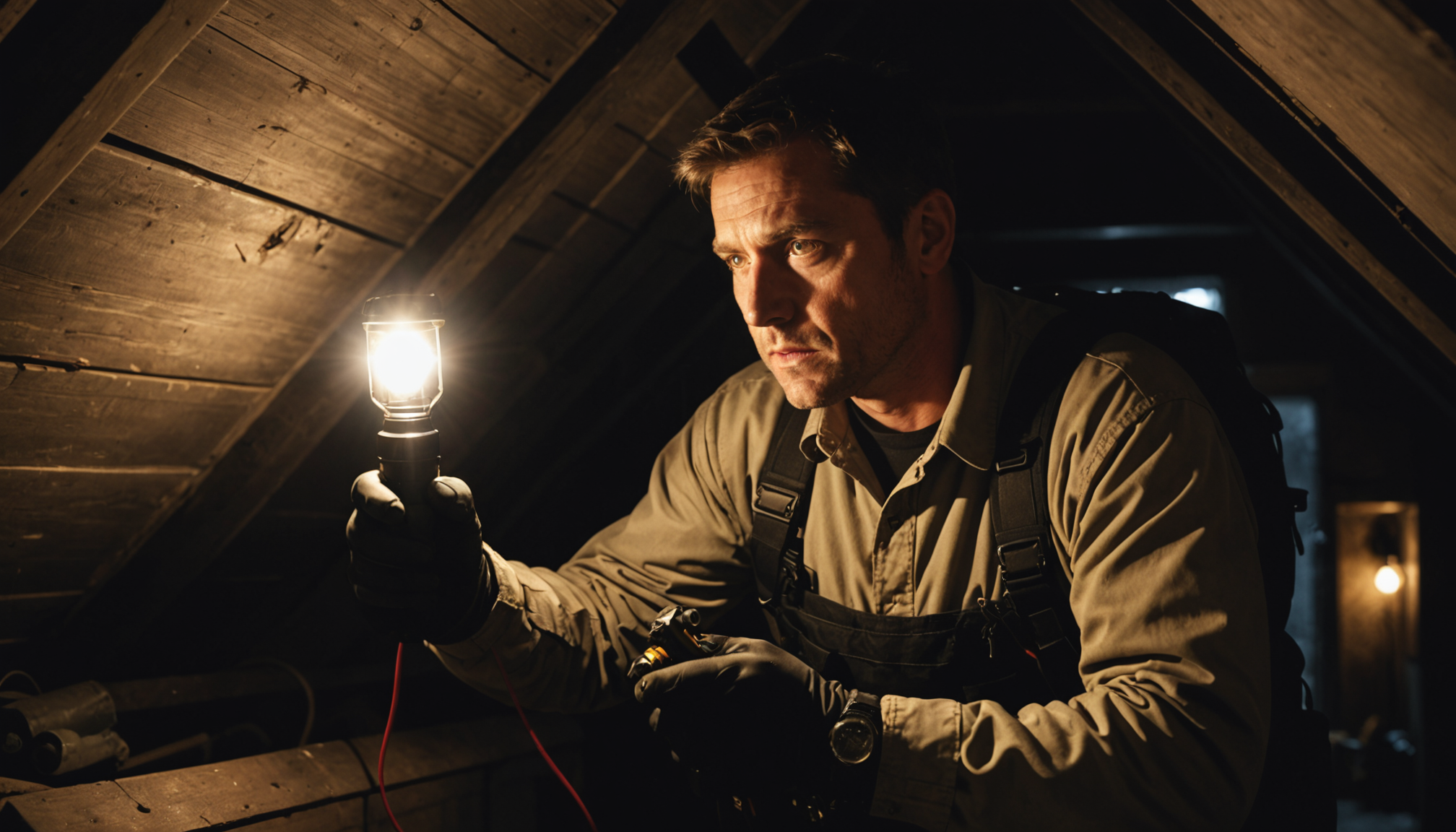
Using specialized tools and equipment, the pest control professional may also survey less accessible areas. This might include the attic, basement, or crawl spaces where pests are often undetected and can thrive unnoticed. Every inch of your property is scrutinized to ensure that no stone is left unturned in identifying both the culprits of an infestation and potential threats.
The outcome of an initial assessment is typically summarized in a detailed report. This report outlines the findings of the inspection, including identified pest types and infestation severity. It also includes professional recommendations on how to proceed with treatment, which could vary depending on the pest species, the size of the infestation, and specific conditions of your home or facility.
| Elements | Details |
| Client Interview | Gathering information on pest sightings and unusual activities. |
| Visual Inspection | Checking both interior and exterior for signs of pests. |
| Specialized Survey | Using tools to inspect less accessible areas like attics and basements. |
| Report Generation | Compiling findings and recommending treatment options. |
Ultimately, understanding the initial assessment is essential for making informed decisions about pest control services. It helps ensure that the treatment plan is tailored specifically to your situation, targeting current issues while minimizing the risk of future infestations. Only with a comprehensive initial assessment can a pest control service offer truly effective solutions.
Identifying common pests
 Once the initial assessment is complete, the next step is to accurately identify the specific pests present on your property. This is a vital part of the pest management process as each type of pest requires a unique approach to control and eliminate. Here’s how technicians go about identifying common pests:
1. Visual Identification:
– The technician will begin by visually identifying pest species. This involves comparing pests to known traits and appearances of common infestations such as ants, cockroaches, termites, rodents, and more. For instance, observing the size and shape of an insect or the droppings left behind can provide clear indicators of what type of pest is present.
2. Behavioral Clues:
– Different pests exhibit unique behavioral patterns. For example, nocturnal pests like cockroaches or rodents are often more active at night. Therefore, the signs of their presence, such as nocturnal noises or food packages with tiny bite marks, are crucial for correct identification.
3. Environmental Factors:
– Technicians consider environmental elements that can attract specific pests. For instance, areas with high moisture may harbor pests like silverfish or cockroaches. Identifying these factors helps narrow down potential pest species.
4. Trap and Monitor:
– The use of traps or monitoring devices strategically placed around the property can help capture pests, providing concrete evidence for identification. Glue boards, for instance, can effectively capture crawling insects and give a clearer picture of the type of infestation.
5. Professional Tools:
– Advanced identification tools and techniques may be employed when a visual inspection alone is insufficient. These can include magnifying glasses for small pests or even microscopes for minuscule evidence that requires detailed examination.
6. Educated Analysis:
– Pest control professionals rely on their training and expertise to analyze collected evidence accurately. They correlate visual observations with known habits and habitats of pests to make a precise identification.
7. Sample Collection:
– In cases of uncertainty, the technician might collect samples to send to a laboratory for identification. This is a tactic often used for tricky cases or when dealing with less common pests.
By accurately identifying the pests at hand, pest control technicians can select the most effective treatment strategy. Each step in this identification process plays a critical role in ensuring that the ensuing pest control measures directly target the issue. A precise identification helps prevent misguided attempts at pest removal and contributes significantly to the long-term success of the pest management plan.
Exploring treatment options
Once the specific pests causing trouble on your property have been identified, the next crucial phase involves selecting the most suitable treatment options to address these unwelcome visitors efficiently and effectively. The aim is to ensure that the methods used are not only effective but also safe for the occupants of the premises and the environment. The key treatment options include:
1. Chemical Treatments:
– One of the most common treatment methods, chemical solutions are often employed to eliminate pests quickly and effectively. These treatments may include insecticides, rodenticides, and other pest control products. The pest control professional will carefully choose the appropriate chemical based on the identified pest and the level of infestation, ensuring that it is applied in a manner that minimizes exposure to humans and pets.
2. Biological Control:
– This method harnesses the power of natural predators to control pest populations. For instance, introducing beneficial insects like ladybugs can help manage aphid infestations in gardens. By using nature’s own checks and balances, this approach offers a sustainable and environmentally friendly alternative to chemical treatments.
3. Mechanical Control:
– Utilizing physical devices or barriers, mechanical control methods aim to trap or exclude pests from entering certain areas. Examples include setting up traps for rodents or installing mesh screens to prevent insect entry. These techniques are excellent preventive measures, reducing the chances of pests causing any damage.
4. Integrated Pest Management (IPM):
– A holistic approach, IPM combines multiple tactics to manage pest issues sustainably and economically. This method involves ongoing monitoring, accurate pest identification, and using a combination of biological, cultural, physical, and chemical tools in a coordinated strategy. IPM is tailored to specific pest problems and aims to reduce reliance on chemicals, thereby minimizing the impact on non-target species and ecosystems.
5. Cultural Controls:
– These techniques involve altering the environment to make it less hospitable to pests. This may include practices like regular cleaning and waste management, adjusting irrigation practices to prevent standing water, and maintaining gardens to prevent pest attraction. By modifying human habits and surroundings, cultural controls can significantly reduce pest problems.
6. Specialized Fixes:
– For specific pests like termites or bed bugs, specialized treatments may be necessary. This could include heat treatments, fumigation, or using baiting systems. These targeted approaches are designed to be thorough and specifically address difficult-to-treat pests.
Each treatment option is selected based on a variety of factors, such as the severity of the infestation, the type of pest, the environment, and any specific client requirements or sensitivities. Pest control professionals will discuss these options with you, outlining the pros and cons of each to ensure you are fully informed before any action is taken. The goal is always to choose a strategy that not only eradicates the current problem but also protects against future infestations. By understanding the available treatment options, property owners can make informed decisions and actively participate in developing an effective and lasting pest management plan.
Preventive measures for future infestations
To reduce the likelihood of pests reestablishing themselves in your living space, it’s essential to implement preventive measures that address potential vulnerabilities in your home environment. These strategies are designed to create an inhospitable environment for pests, deterring them from entering and thriving in your property.
First, maintaining a clean and clutter-free home is vital. Regular cleaning not only removes food sources that can attract pests but also helps in spotting early signs of infestations. Pay particular attention to kitchens and dining areas, where crumbs and spills are likely. Bathrooms and laundry rooms, too, should be kept dry to avoid attracting moisture-loving insects.
Next, it’s crucial to seal entry points that pests may use to gain access. Inspect your home’s exterior for cracks in the foundation, gaps around windows and doors, and other openings. Using caulk or weather stripping to seal these gaps can prevent pests like rodents, ants, and spiders from entering. Regularly checking and repairing window screens also helps keep flying insects at bay.
Homeowners should also be attentive to their landscaping choices. Trimming trees and shrubs away from the house can reduce the chances of pests, particularly ants and rodents, using branches to access your roof or walls. Additionally, relocating mulch and woodpiles away from the foundation can deter termites and other wood-loving pests. Ensuring proper drainage and eliminating standing water can prevent breeding grounds for mosquitoes and attractants for other pests searching for a water source.
Implementing natural deterrents can also play a part in preventive measures. For example, planting certain herbs and flowers, such as lavender, mint, or marigolds, can naturally repel some insects. Similarly, setting up birdhouses can encourage birds to nest nearby and help control insect populations.
Beyond physical barriers and environmental adjustments, establishing good habits and routines is necessary. Regularly inspect your property for signs of pest activity, such as droppings or gnaw marks. Store food in airtight containers and promptly dispose of garbage to eliminate easy snacks for pests. Ensuring household members follow these practices reinforces the commitment to preventing infestations.
Finally, a proactive approach involves periodic visits from pest control professionals for routine inspections and treatments, if needed. These experts can offer additional recommendations tailored to your home’s specific needs, helping to shore up defenses against future pest incursions.
By drawing from these preventive measures, you can maintain a pest-resistant home environment, minimizing the need for more drastic interventions and fostering a healthier, more comfortable living space.
Aftercare and follow-up steps
After a pest control treatment, maintaining a pest-free environment involves critical aftercare and follow-up steps. Initially, you should observe any labeled re-entry time specified by the pest control technician, ensuring that the area is safe for humans and pets. This period allows treatments to settle effectively, maximizing their potency and safety.
During the first few days post-treatment, you might notice increased pest activity or find pests visibly affected by the treatment. This reaction is normal as the applied solutions begin to disrupt their habitats. Monitor the situation without causing disruption; for example, avoid cleaning or washing treated areas immediately, unless specified, to allow the product to thoroughly work.
Documenting any pest activity can be helpful, providing valuable information for future assessments. This information helps technicians evaluate the treatment’s effectiveness and adjust strategies if needed. Additionally, arrange for a follow-up consultation to discuss the treatment’s impact and plan for any necessary additional interventions.
Regular communication with your pest control service is also crucial. Scheduled follow-up visits for monitoring and any supplementary treatments can prevent re-infestation, ensuring any newly emerging pests are controlled promptly. During these visits, technicians might also reassess identified vulnerabilities and recommend possible improvements to further fortify your property against pests.
Your own vigilance plays a significant role in aftercare processes. Continually practice the preventive measures previously outlined, such as maintaining cleanliness, sealing entry points, and monitoring potential problem areas. Implement lifestyle adjustments and better storage solutions to deter pest attraction.
By adhering to these aftercare tips and fostering continuous collaboration with pest control professionals, you can maximize the effectiveness of the pest control treatment. This proactive approach not only helps maintain a pest-free environment but also enhances your property’s overall health and comfort.
In conclusion, a pest control visit encompasses thorough initial assessments, accurate pest identification, tailored treatment options, preventive measures, and essential aftercare steps. Collaborating with professional pest control services and engaging in regular preventive practices are key to maintaining a pest-free environment. A proactive approach ensures the safety and comfort of your living space, effectively mitigating future pest issues.